

Research
- +10
Rosa Balfour, Frances Z. Brown, Yasmine Farouk, …
{
  "authors": [
    "Moisés Naím"
  ],
  "type": "legacyinthemedia",
  "centerAffiliationAll": "",
  "centers": [
    "Carnegie Endowment for International Peace"
  ],
  "collections": [],
  "englishNewsletterAll": "",
  "nonEnglishNewsletterAll": "",
  "primaryCenter": "Carnegie Endowment for International Peace",
  "programAffiliation": "",
  "programs": [],
  "projects": [],
  "regions": [
    "Middle East",
    "Israel",
    "Iraq"
  ],
  "topics": [
    "Political Reform",
    "Democracy",
    "Foreign Policy"
  ]
}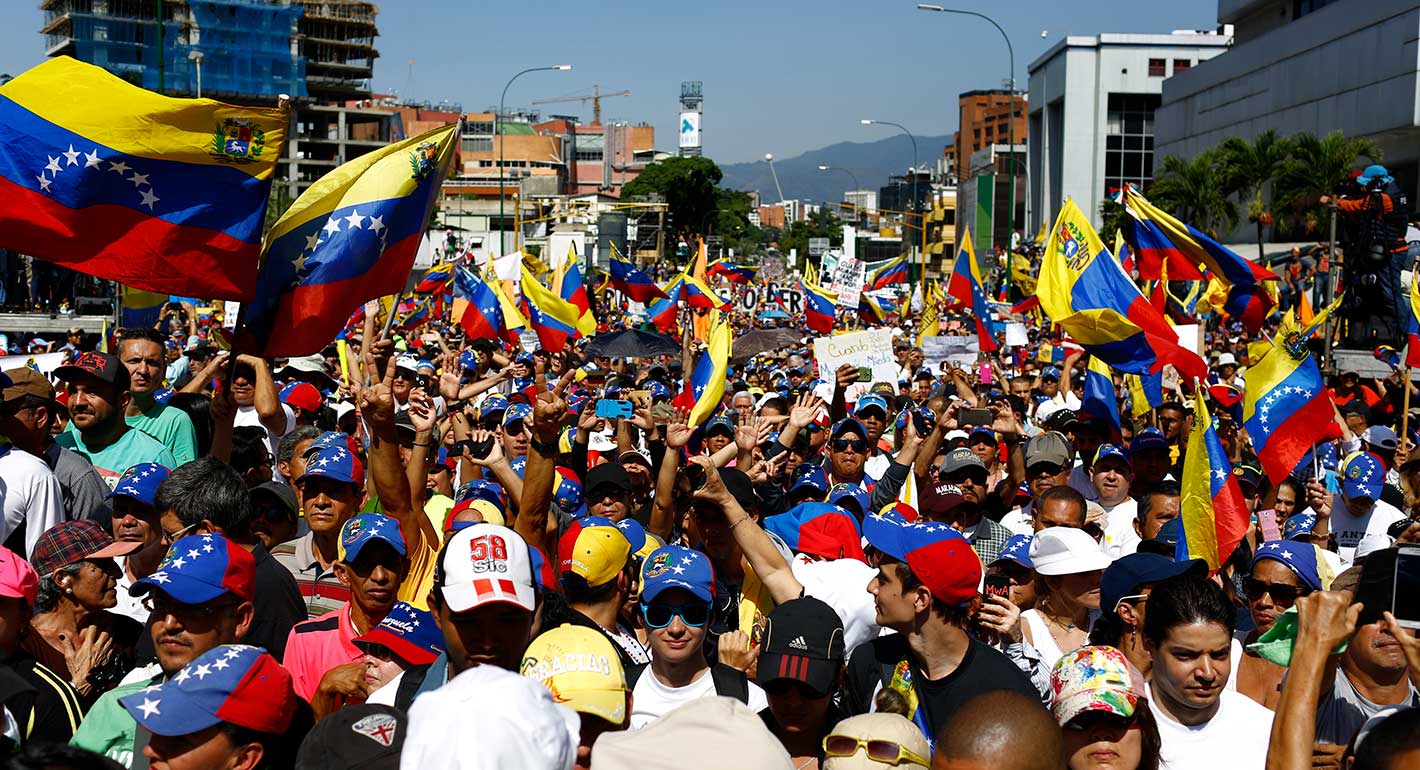
Source: Getty
In some countries, opposing political groups figure out how to reach agreements, govern, and share power.
Source: El País
“Sweden’s dominant centrist party reverses its position and announces willingness to work with right-wing nationalists.”
“Israel faces third election in less than a year.”
“Finnish Prime Minister Antti Rinne resigns after coalition collapses.”
In some countries, opposing political groups figure out how to reach agreements, govern, and share power. In others, long-standing hatreds make it impossible for them to move forward. Opponents are not seen as political rivals but as illegitimate enemies with toxic agendas and unforgivable past behaviors.

Distinguished Fellow
Moisés Naím is a distinguished fellow at the Carnegie Endowment for International Peace, a best-selling author, and an internationally syndicated columnist.
Recent Work



Rosa Balfour, Frances Z. Brown, Yasmine Farouk, …
Moisés Naím
Carnegie does not take institutional positions on public policy issues; the views represented herein are those of the author(s) and do not necessarily reflect the views of Carnegie, its staff, or its trustees.
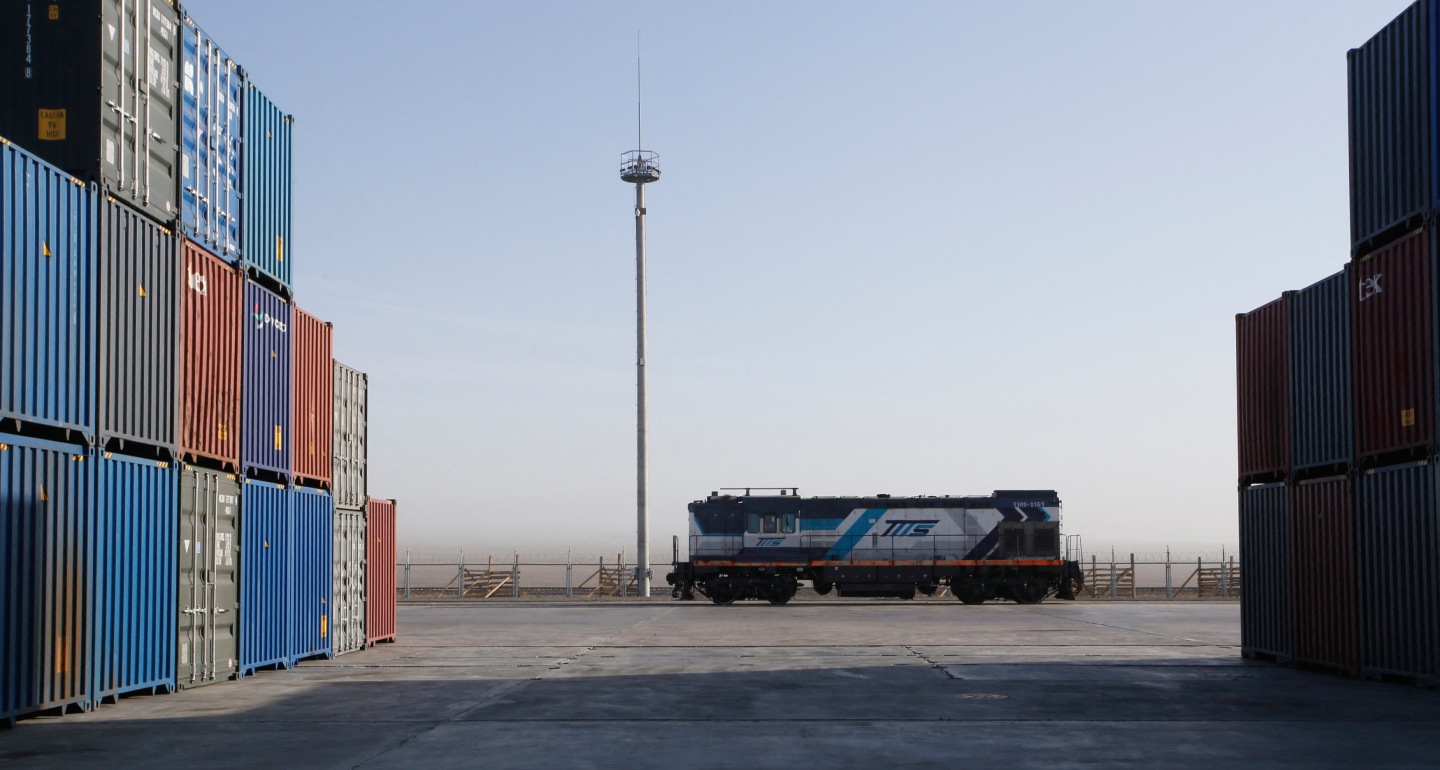
This year’s wars have made alternative routes to transit through Russia no less risky for Central Asian countries.

Galiya Ibragimova
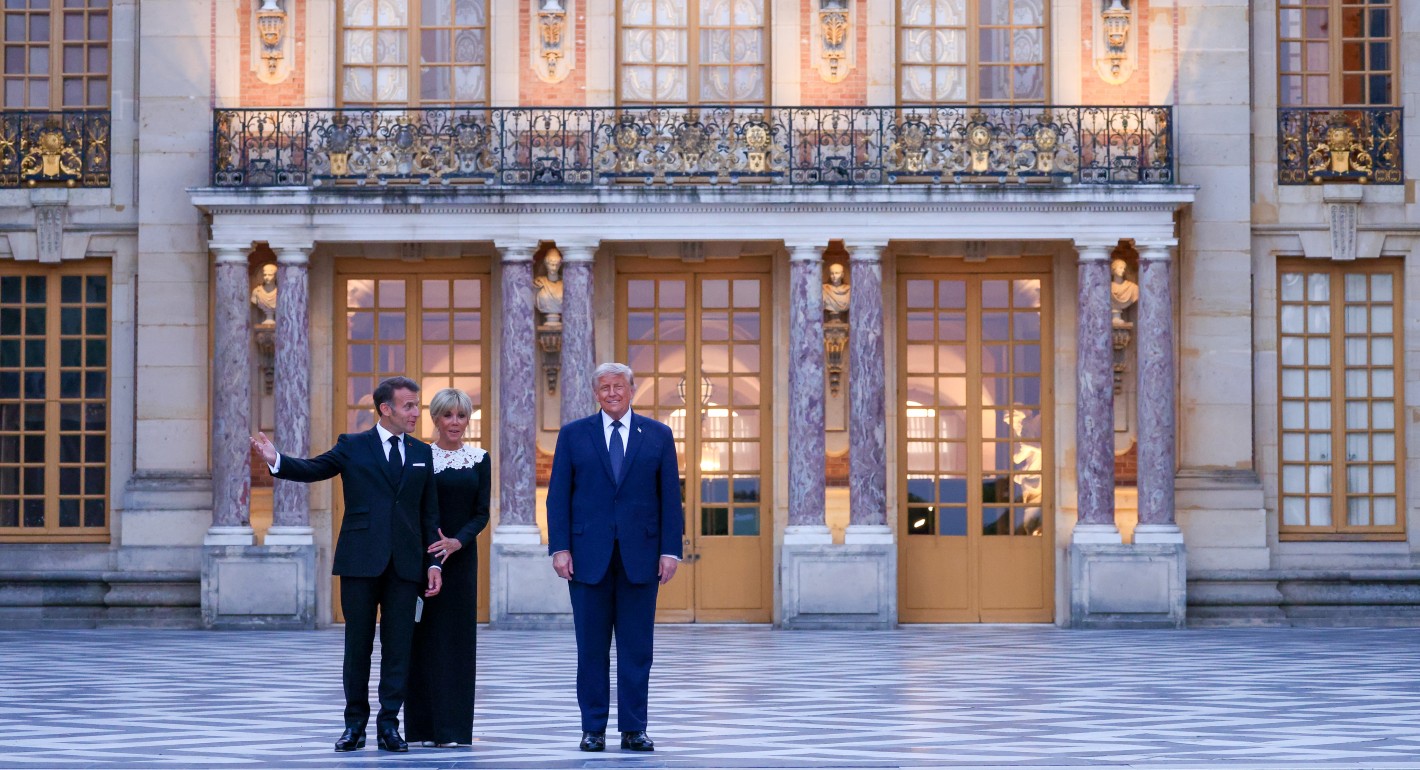
By burying disagreements in imprecision, the new deal risks same fate as its predecessors.

James M. Acton
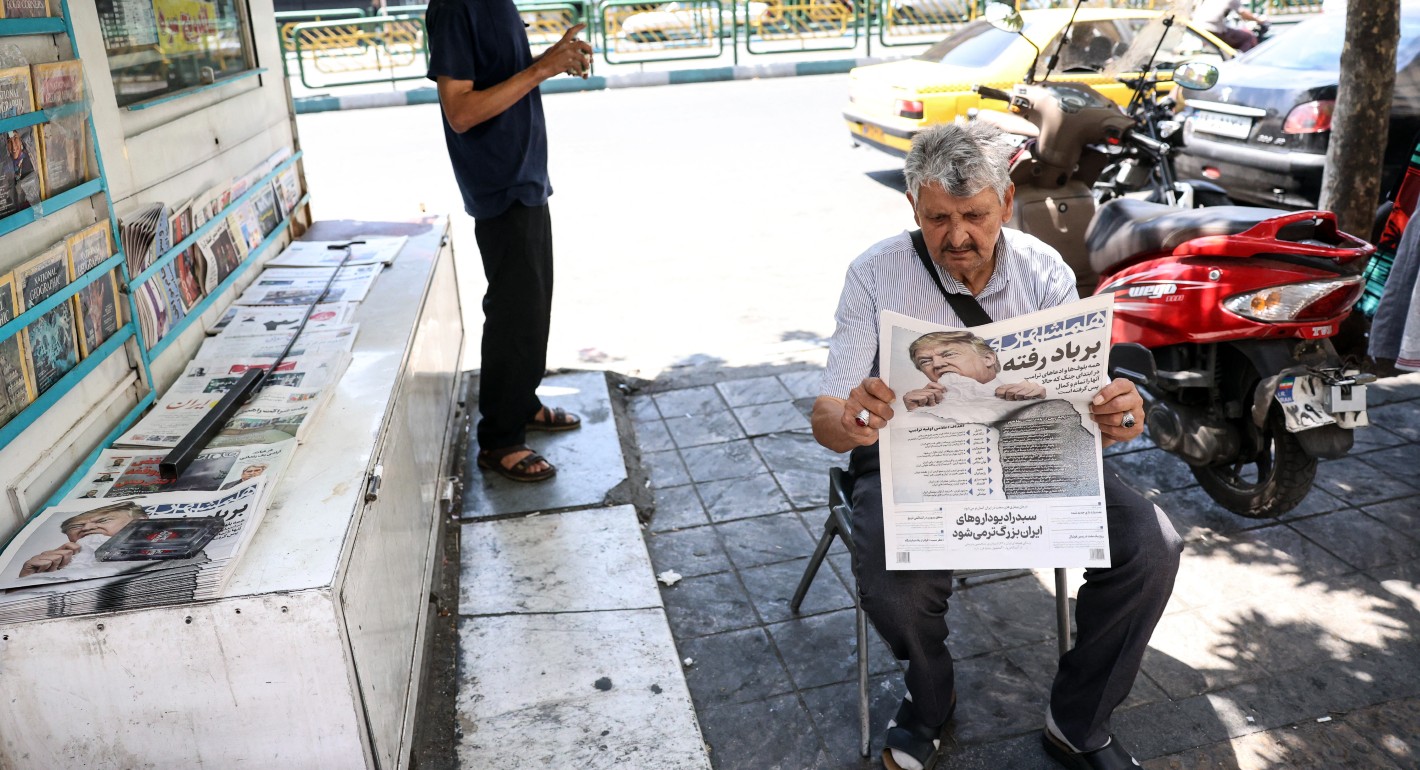
The United States and Israel may have unwittingly revived the Islamic Republic’s “zombie regime.”



Suzanne Maloney, Aaron David Miller, Karim Sadjadpour
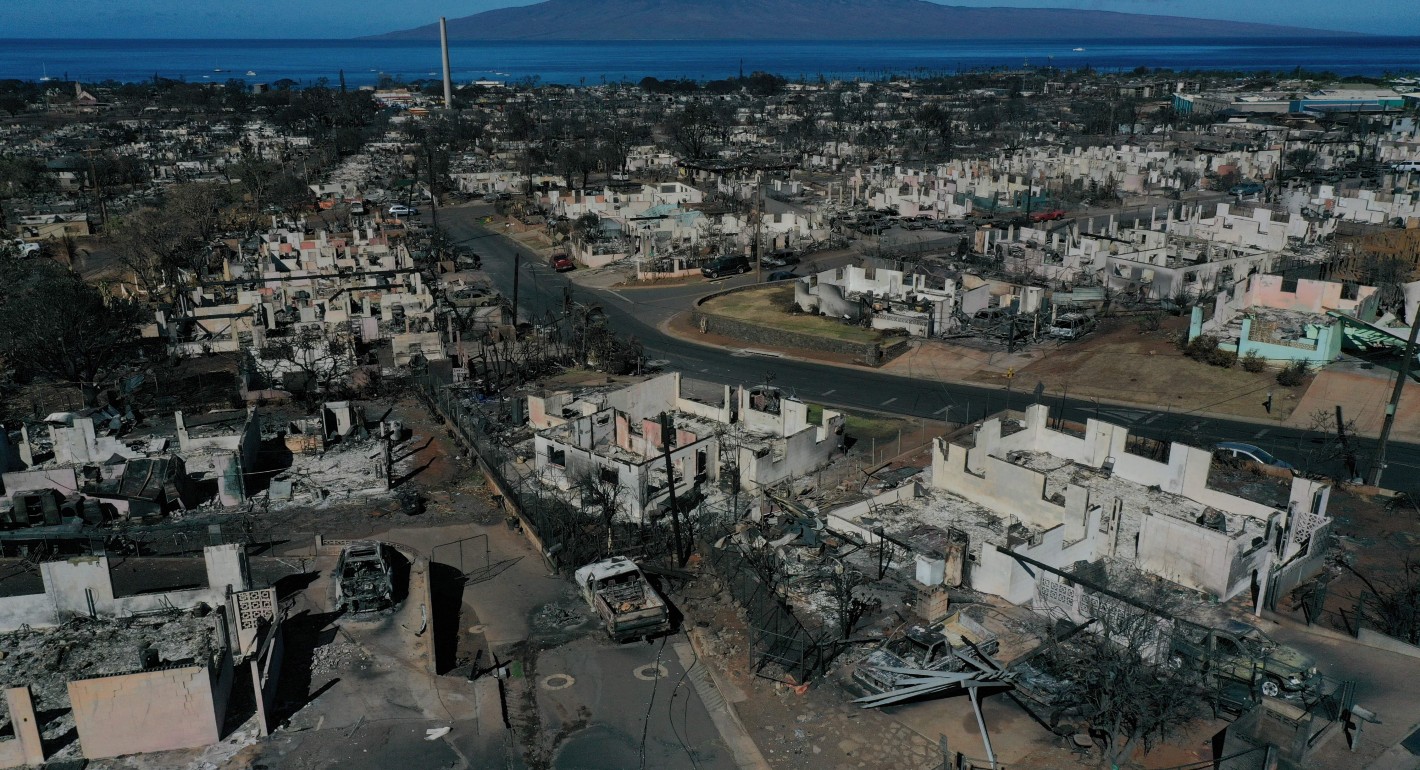
Natural disasters are no longer local incidents but sources of systemic risk that threaten vital infrastructure and the economy—and public support for international engagement.

Leonardo Martinez-Diaz
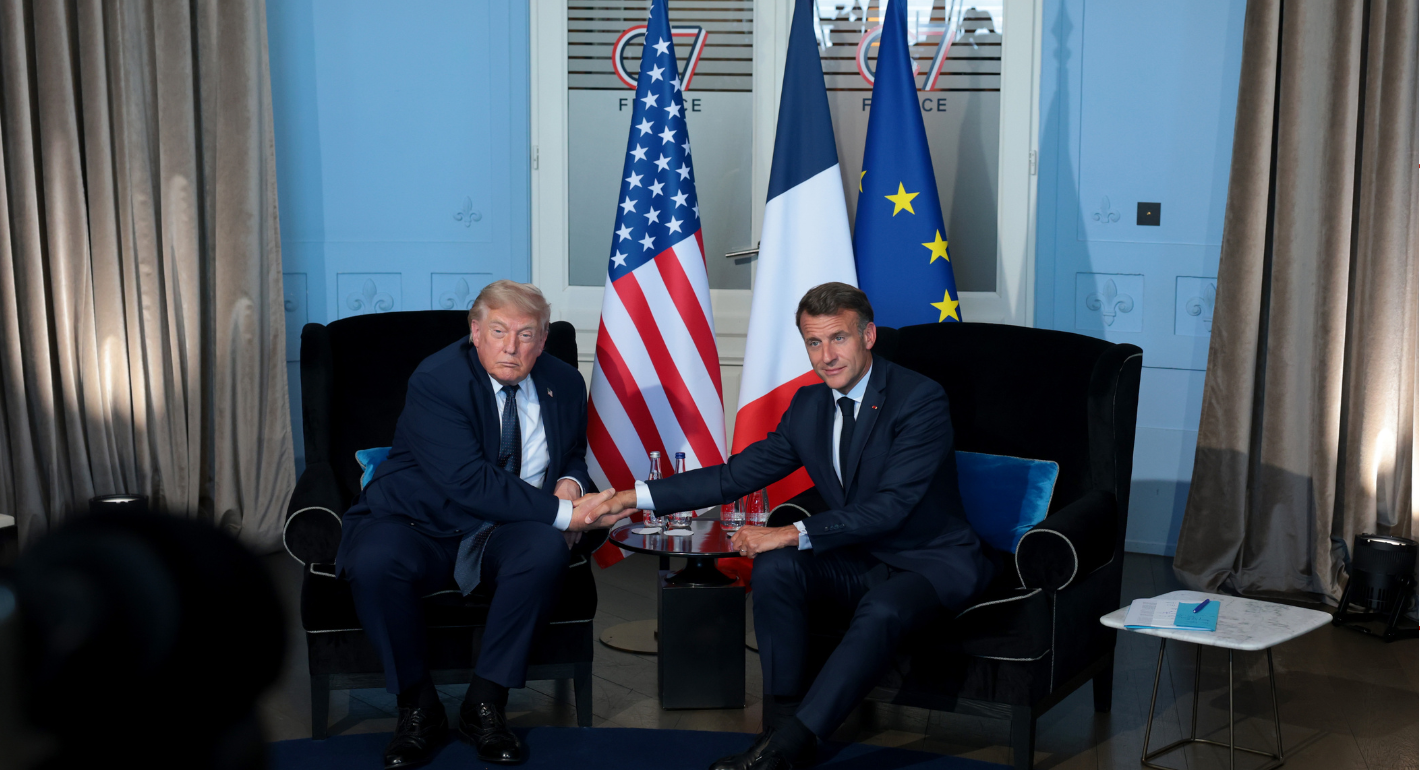
When the U.S.-Iran memorandum of understanding was announced, the UK, France, Germany, and Italy declared their readiness to help demine the Strait of Hormuz and lift nuclear sanctions on Tehran. But does Europe need new tools to recover a diplomatic role?

Rym Momtaz, ed.