

Commentary
- +8
Sophia Besch, Eric Ciaramella, Steve Feldstein, …
{
  "authors": [
    "Aaron David Miller"
  ],
  "type": "legacyinthemedia",
  "centerAffiliationAll": "dc",
  "centers": [
    "Carnegie Endowment for International Peace",
    "Malcolm H. Kerr Carnegie Middle East Center"
  ],
  "collections": [],
  "englishNewsletterAll": "democracy",
  "nonEnglishNewsletterAll": "",
  "primaryCenter": "Carnegie Endowment for International Peace",
  "programAffiliation": "DCG",
  "programs": [
    "Democracy, Conflict, and Governance"
  ],
  "projects": [],
  "regions": [
    "North America",
    "United States",
    "Middle East",
    "Iran"
  ],
  "topics": [
    "Political Reform",
    "Security",
    "Military",
    "Foreign Policy",
    "Global Governance"
  ]
}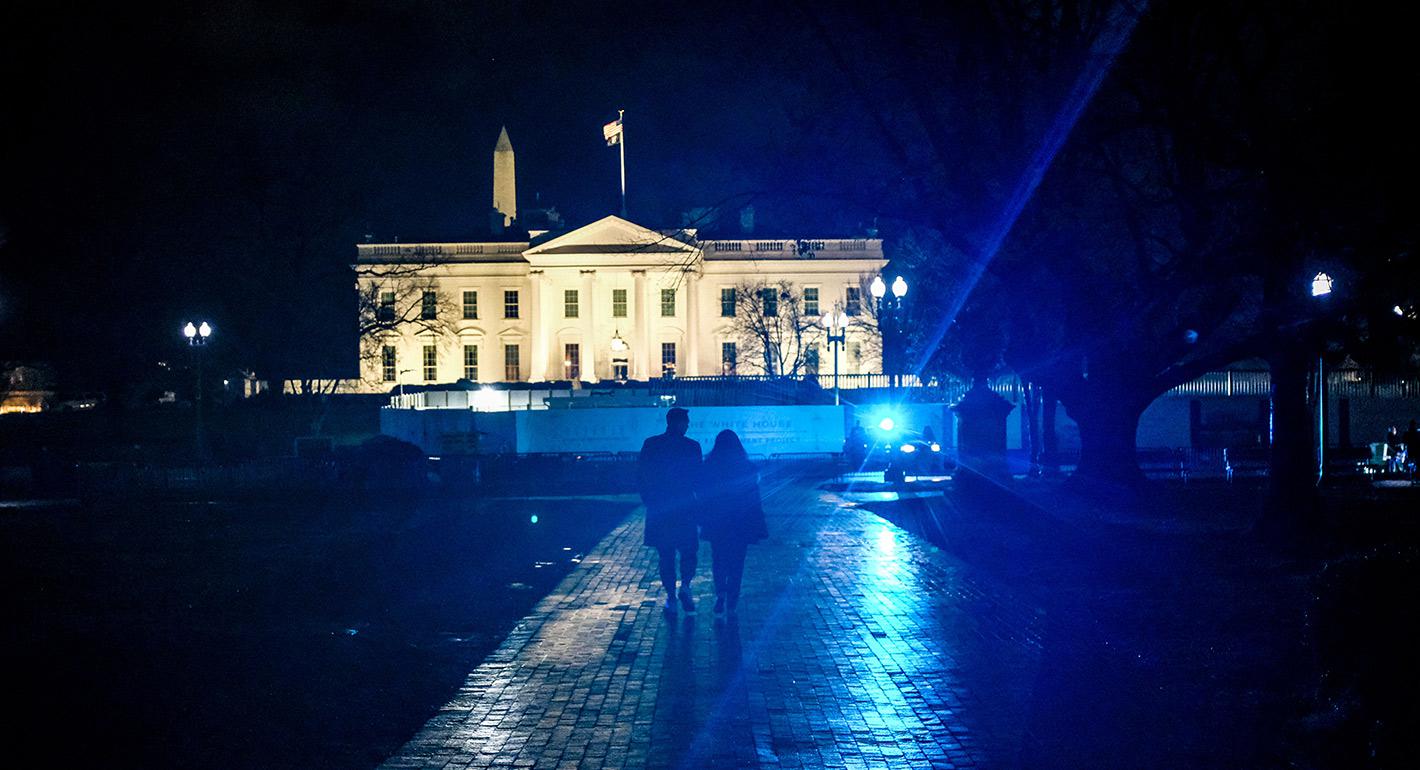
Source: Getty
A major war with Iran is by no means inevitable. But the killing of Gen. Qassem Soleimani is a roll of the dice that just might take us there.
Source: USA Today
Iran now presents Donald Trump with the first real-time crisis of his presidency, illustrated in stark terms Tuesday when Iran launched ballistic missiles at two Iraqi bases hosting U.S. and Iraqi troops. And not surprisingly, he is handling it in a way that embodies all the worst elements of his management of national security issues. Unfortunately, Trump also seems to have abandoned one of the more positive aspects of his approach to foreign policy: a reluctance to get into new and unwinnable conflicts in the Middle East.
A major war with Iran is by no means inevitable. But the killing of Gen. Qassem Soleimani is a roll of the dice that just might take us there.
The external signs of crisis mismanagement are already apparent. The president’s threats against Iran have inflamed an Iranian public already at fever pitch against the United States. His promise — twice — to attack Iran’s cultural sites should it respond violently against the United States was not only a provocation, it was also a potential war crime. Trump belatedly recognized that, but no statement did as much to undermine the American narrative that it’s at war with the Iranian regime, not the Iranian people.

Senior Fellow, American Statecraft Program
Aaron David Miller is a senior fellow at the Carnegie Endowment for International Peace, focusing on U.S. foreign policy.
Recent Work


Sophia Besch, Eric Ciaramella, Steve Feldstein, …
Daniel C. Kurtzer, Aaron David Miller
Carnegie does not take institutional positions on public policy issues; the views represented herein are those of the author(s) and do not necessarily reflect the views of Carnegie, its staff, or its trustees.
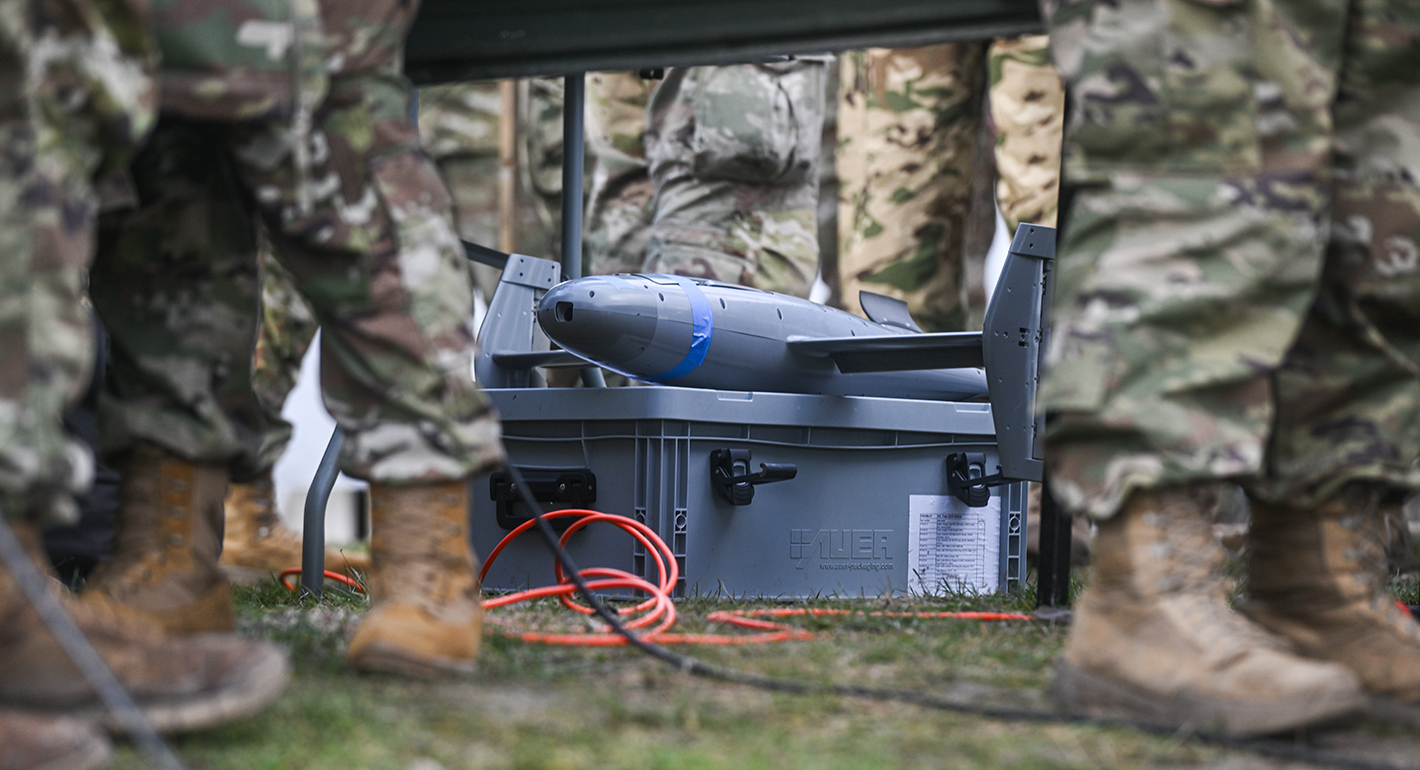
The Pentagon is calling for a rapid AI transformation. Autonomous drones offer a case study in the eight bottlenecks the U.S. military must navigate to realize that vision.
Jake Steckler
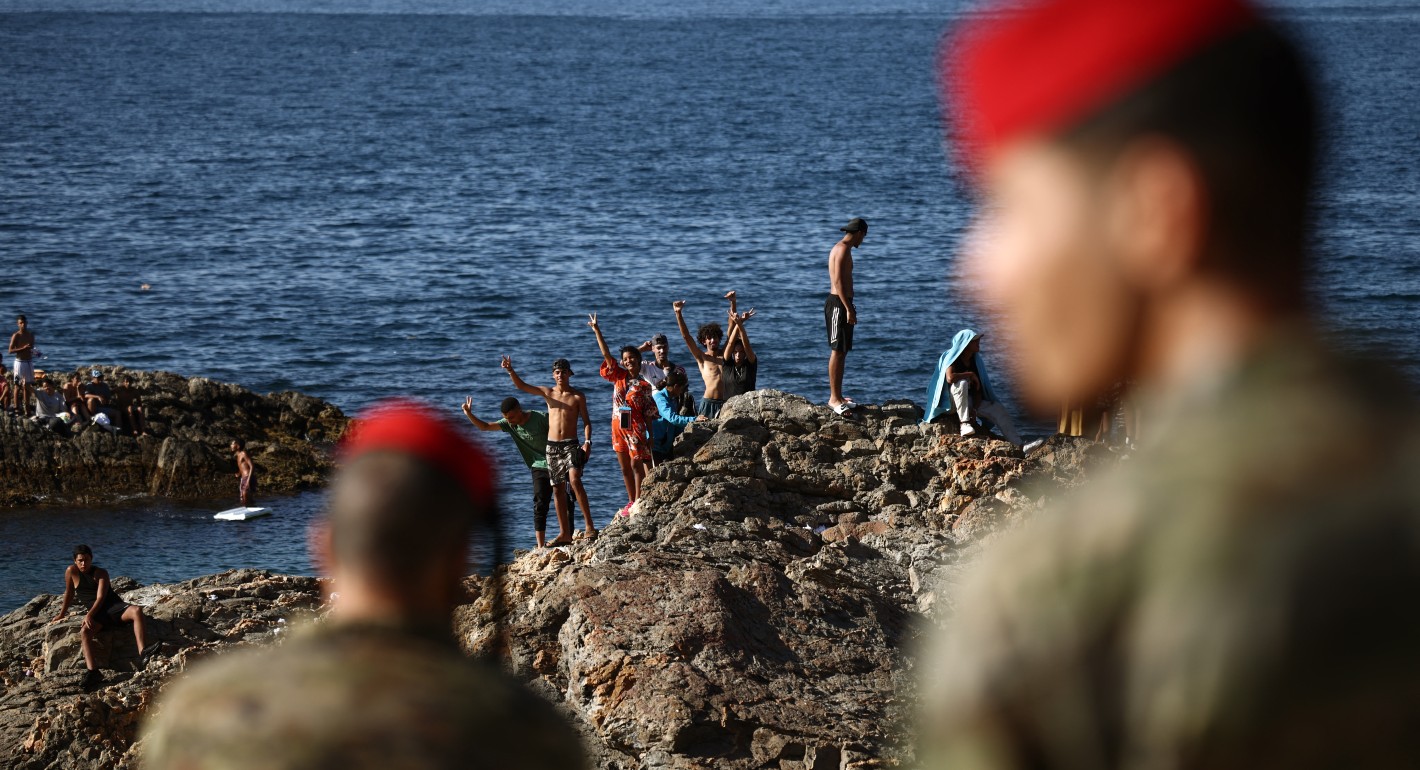
Most migrants may have left Ceuta, but the effects may linger.


Alejandro Martin Rodriguez, Sarah Yerkes
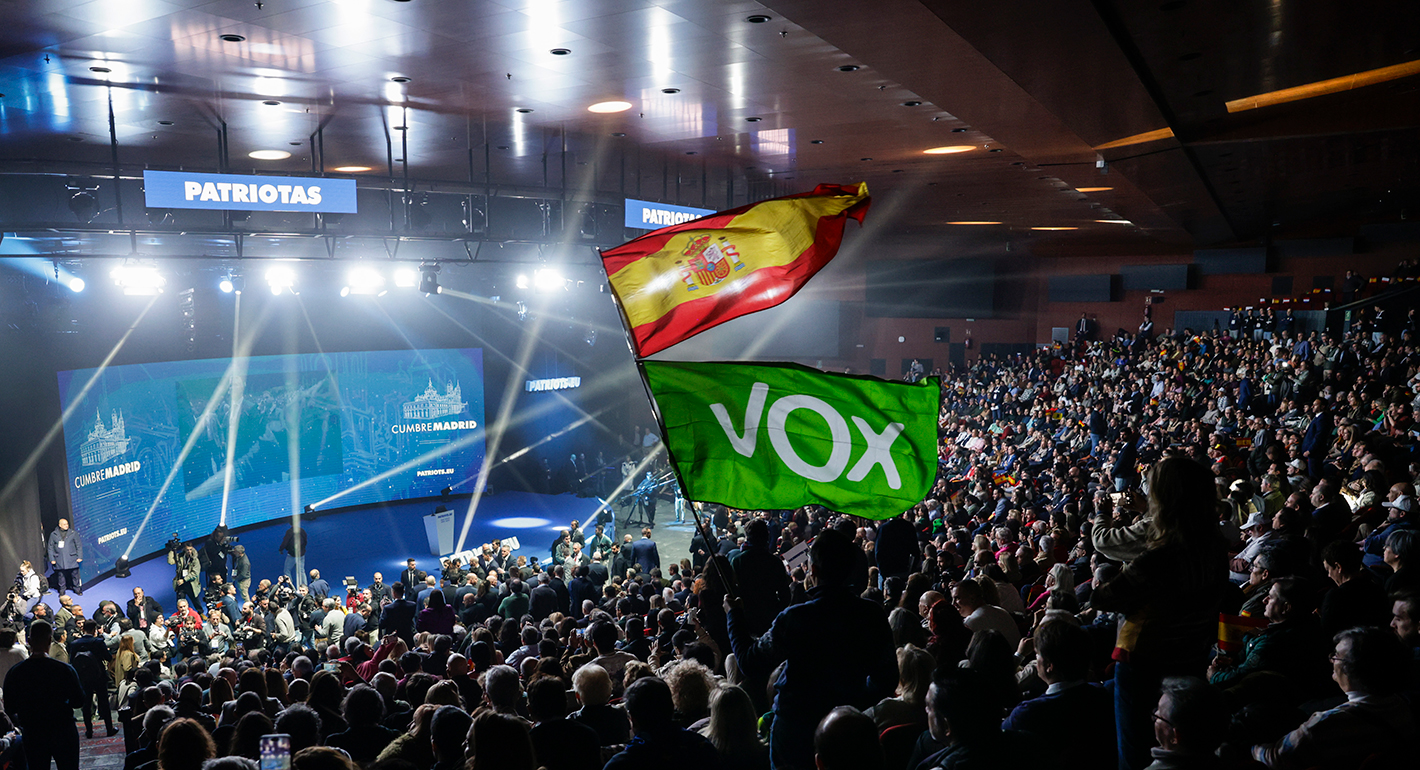
There is a transnational far-right populist movement that links middle powers in a global movement that extends well beyond Trump.


Christopher S. Chivvis, Rohan Mukherjee, Milan Vaishnav

When faced with fuel shortages in the past, Central Asian governments could always count on additional supplies from Moscow. That safety net no longer exists.

Galiya Ibragimova
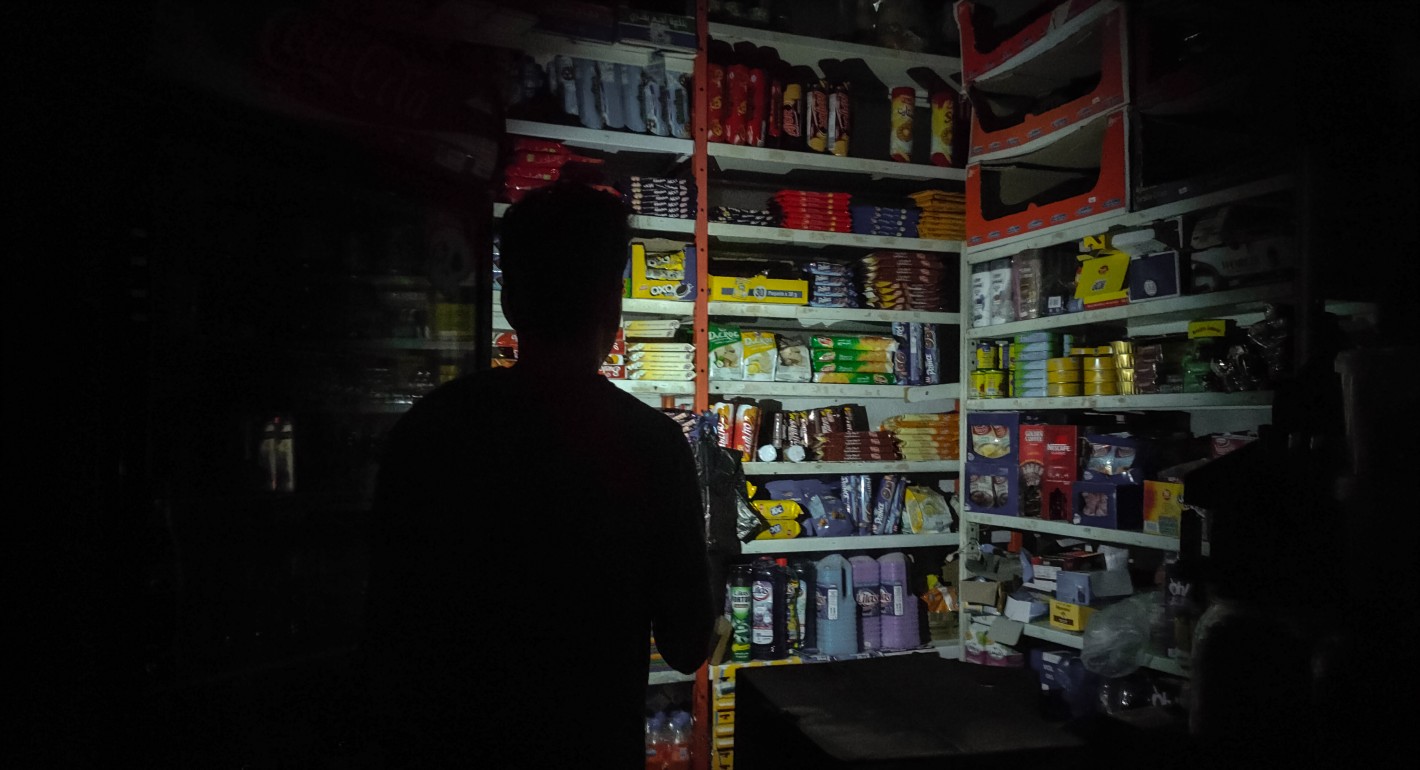
Saied’s main accomplishment has been to destroy a decade’s worth of democratic progress.
Sarah Yerkes