

Article
Erik Brattberg, David Whineray
{
  "authors": [
    "David Whineray"
  ],
  "type": "other",
  "centerAffiliationAll": "dc",
  "centers": [
    "Carnegie Endowment for International Peace"
  ],
  "collections": [],
  "englishNewsletterAll": "ctw",
  "nonEnglishNewsletterAll": "",
  "primaryCenter": "Carnegie Endowment for International Peace",
  "programAffiliation": "EP",
  "programs": [
    "Europe"
  ],
  "projects": [],
  "regions": [
    "North America",
    "United States",
    "East Asia",
    "China",
    "Iran"
  ],
  "topics": [
    "Political Reform",
    "Democracy",
    "Foreign Policy"
  ]
}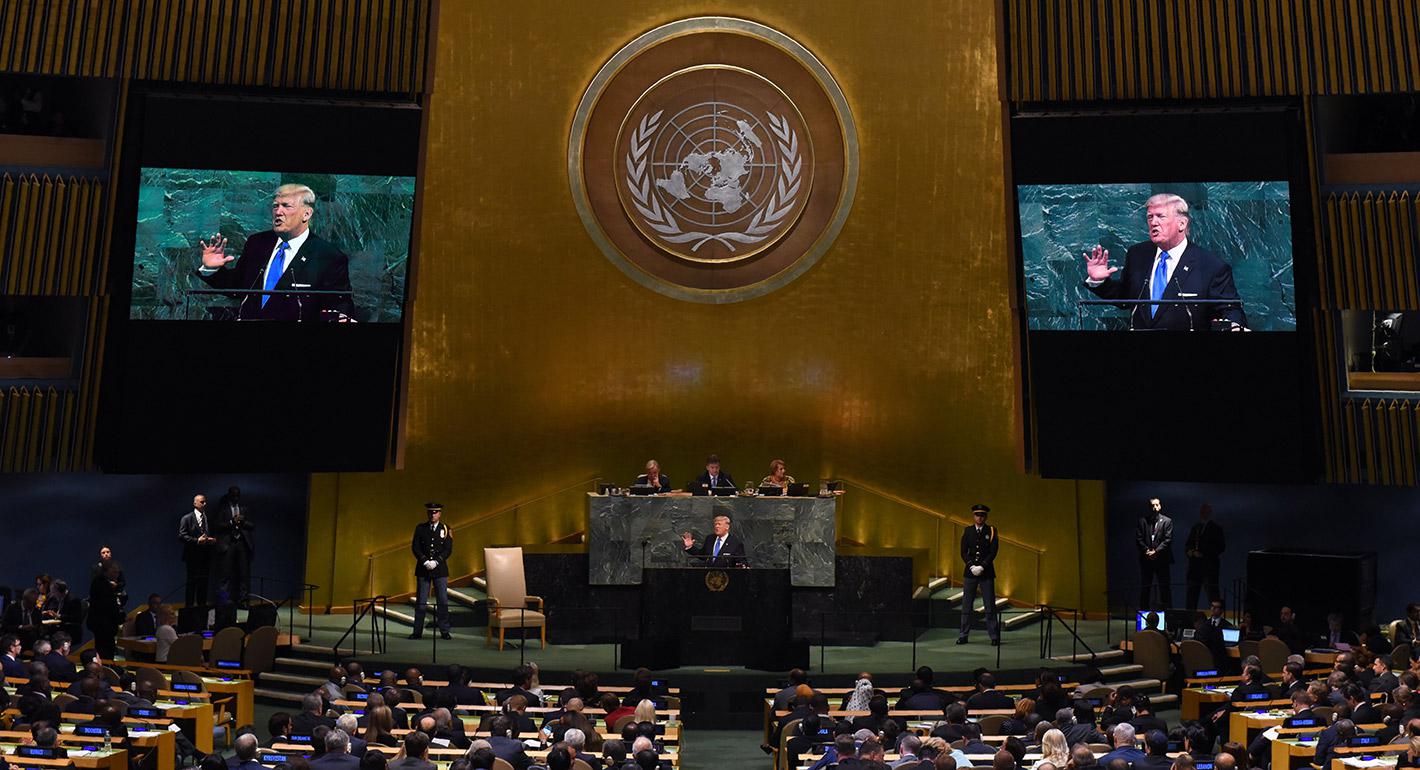
Source: Getty
The role and powers of the World Health Organization (WHO), for example, have emerged as a canvas onto which a variety of actors have projected their visions of the future of multilateralism.
Source: United Nations Center for Policy Research
Events surrounding the COVID-19 crisis have brought into focus the extent to which multilateralism generally, and the United Nations specifically, will be a central theatre for engagement between the United States and China in the years ahead. The role and powers of the World Health Organization (WHO), for example, have emerged as a canvas onto which a variety of actors have projected their visions of the future of multilateralism. However, to see how these engagements will play out, it is important to first have an understanding of the deeper, longerterm trendlines regarding US-China engagement at the UN before COVID-19 hit. This study aims to assist in providing that context.
This article was originally published by the Financial Times.
Former Nonresident Fellow, Europe Program
David Whineray was a nonresident fellow in the Europe Program at the Carnegie Endowment for International Peace in Washington, DC.
Recent Work

Erik Brattberg, David Whineray
David Whineray
Carnegie does not take institutional positions on public policy issues; the views represented herein are those of the author(s) and do not necessarily reflect the views of Carnegie, its staff, or its trustees.
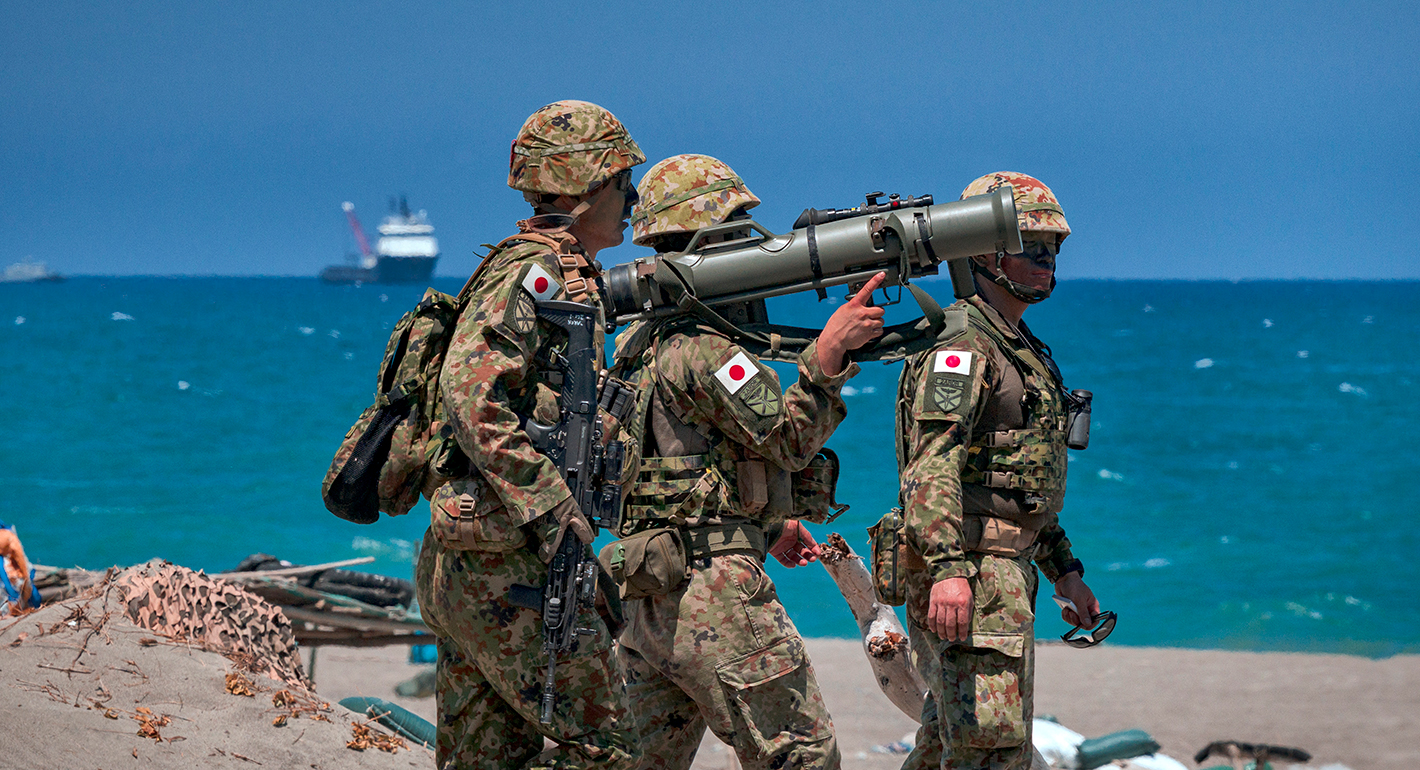
Japan’s revision of its three strategic documents reflects an intention to keep the United States engaged in the region while Japan fills any vacuums of U.S. power to preserve the Indo-Pacific order.
Ryo Sahashi

Chinese biotech companies have been on the receiving end of U.S. economic coercion. Yet their responses have differed significantly because firm and state interests are not uniformly aligned. For Washington, treating all Chinese tech firms the same, irrespective of their actual interests, risks pushing them farther into Beijing’s corner.

Xue Gong
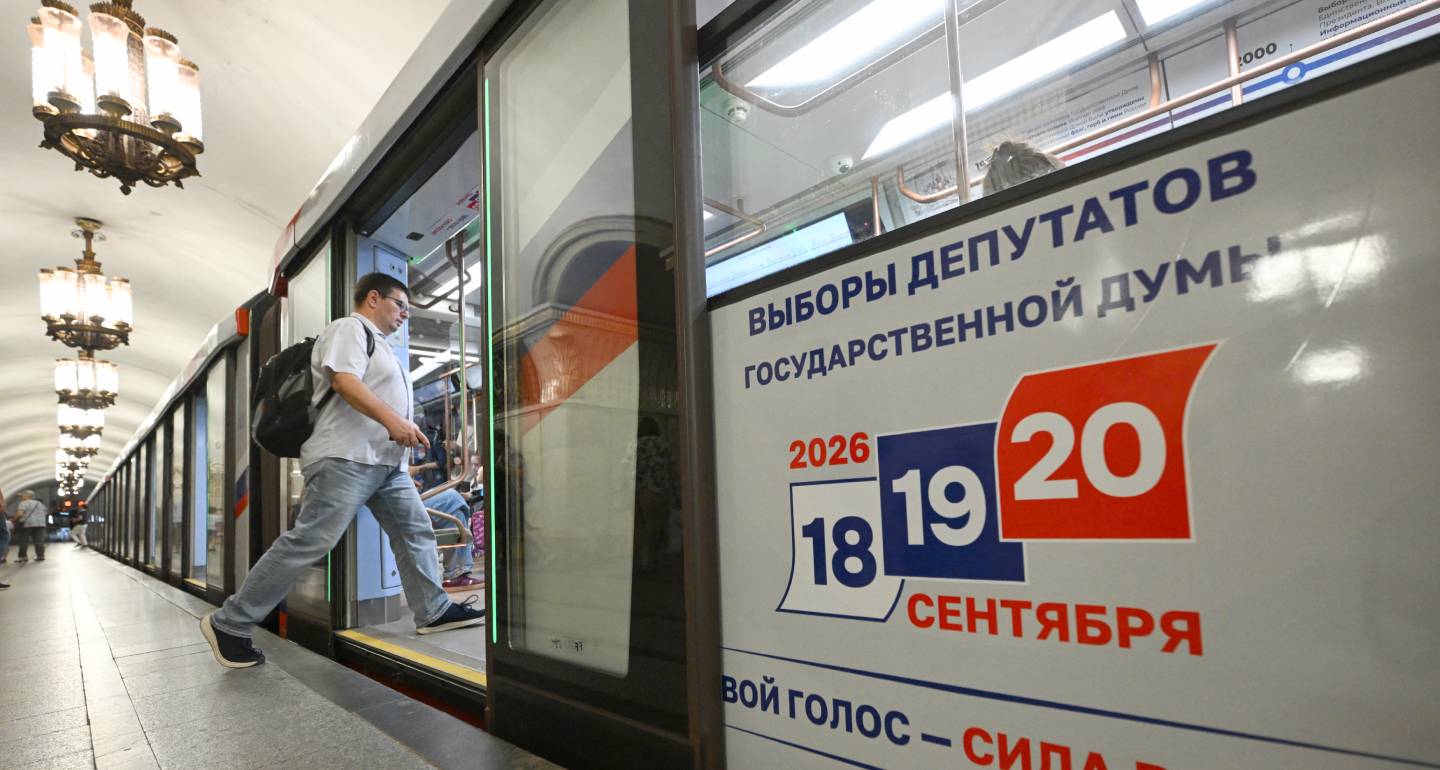
In the discussions made possible by the State Duma election campaign, one question is being asked more and more loudly. “What next?”

Andrey Pertsev
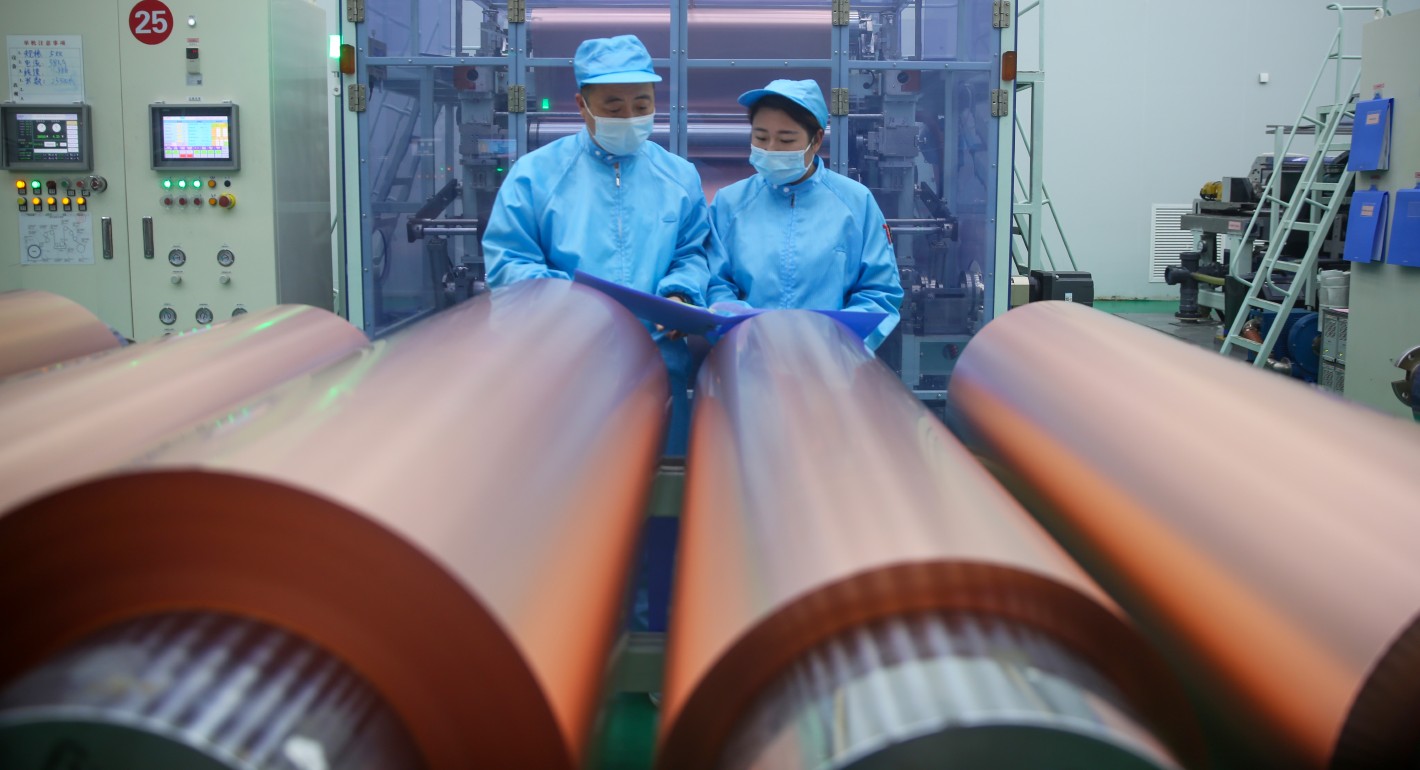
Over the past decade, China has moved from marginal player to major producer of all things batteries. The United States, Europe, and others are aiming to balance the market.

Milo McBride
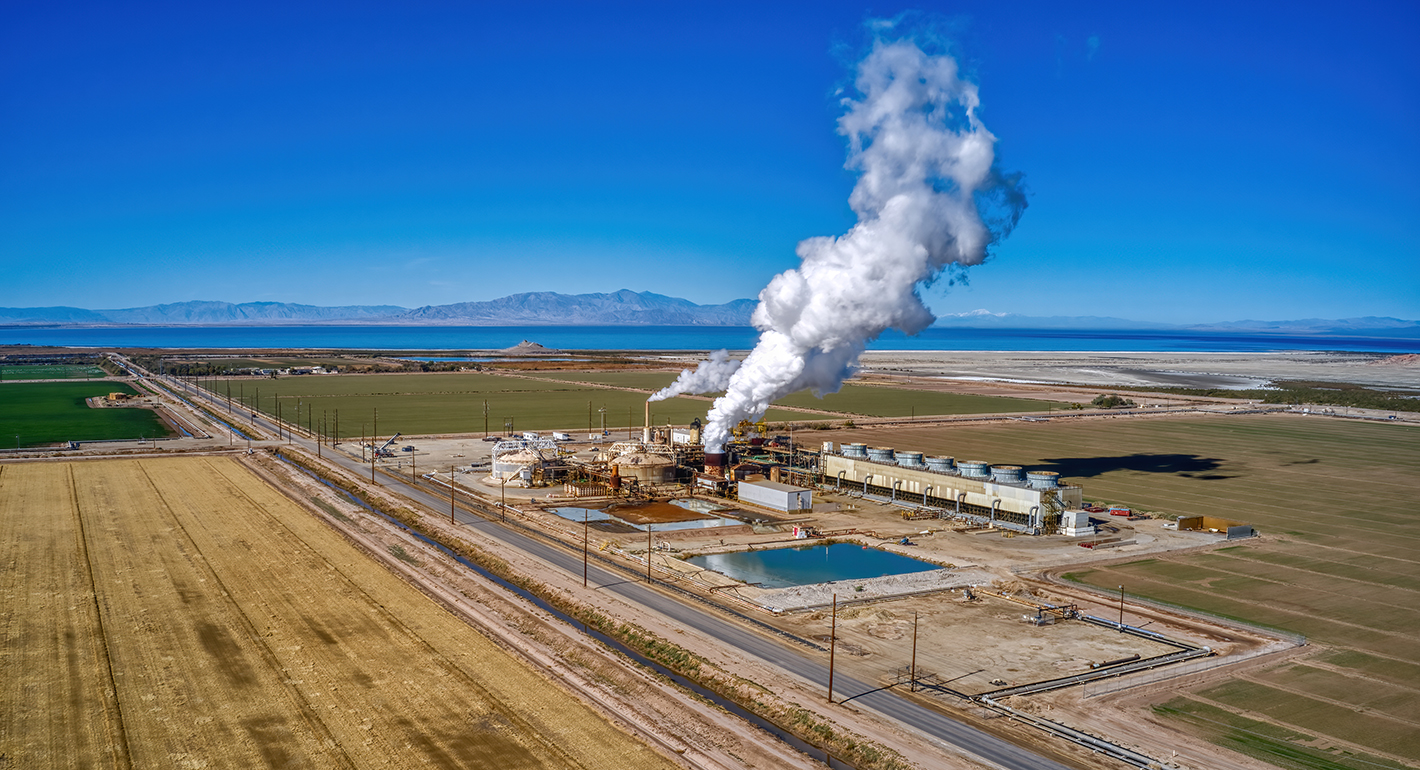
The DFC should focus on advanced, low-carbon energy sources, prioritizing areas where the United States has comparative advantages.
Noah Gordon, Liana Schmitter-Emerson