

Q&A
Aaron David Miller, David Rennie
{
  "authors": [
    "Aaron David Miller"
  ],
  "type": "legacyinthemedia",
  "centerAffiliationAll": "",
  "centers": [
    "Carnegie Endowment for International Peace",
    "Malcolm H. Kerr Carnegie Middle East Center"
  ],
  "collections": [],
  "englishNewsletterAll": "",
  "nonEnglishNewsletterAll": "",
  "primaryCenter": "Carnegie Endowment for International Peace",
  "programAffiliation": "",
  "programs": [],
  "projects": [],
  "regions": [
    "Middle East",
    "Israel",
    "Palestine",
    "Levant"
  ],
  "topics": [
    "Political Reform",
    "Security"
  ]
}
Source: Getty
Applying Israeli law to much of the West Bank would mean the irreversible end of the Palestinian statehood project, making Netanyahu the prime minister who not only buried the two-state solution but annexed choice West Bank real estate.
Source: Foreign Affairs
Israel could soon begin the process of annexing some of the West Bank. Prime Minister Benjamin Netanyahu’s pledge to unilaterally apply Israeli law to portions of the territory—virtually guaranteeing their the permanent retention by Israel—looms alongside an even larger elephant in the room: Netanyahu is well on his way to ensuring that a real Palestinian state based on June 1967 borders with a capital in East Jerusalem goes the way of the dodo. Regardless of what happens with annexation, that will be his legacy—and it will likely be an irreversible one.
Leaders inside and outside the Middle East are now practically begging Netanyahu to show restraint. In recent weeks, the debate in Israel has shifted from whether to annex to how much to annex, underscoring the extent to which the game is being played on his terms. The Israeli prime minister faces trial for bribery, fraud, and breach of trust; a challenge from unruly right-wing coalition partners; a resurgence of COVID-19; an economic recession; and the perpetual problem of Iran. But if staying in power and permanently closing the door on the creation of a real Palestinian state are his immediate goals, he is winning, with a good deal of wind at his back.

Senior Fellow, American Statecraft Program
Aaron David Miller is a senior fellow at the Carnegie Endowment for International Peace, focusing on U.S. foreign policy.
Recent Work
Aaron David Miller, David Rennie
Daniel C. Kurtzer, Aaron David Miller
Carnegie does not take institutional positions on public policy issues; the views represented herein are those of the author(s) and do not necessarily reflect the views of Carnegie, its staff, or its trustees.

China’s Ministry of Public Security is often portrayed as a domestic law enforcement agency, but it is also a global security actor. This paper explores how MPS has used international law enforcement and security cooperation agreements—over 200 since 2006—to advance China’s vision of security in a changing global environment.


Sophie Zhuang, Sheena Chestnut Greitens, Cameron Waltz
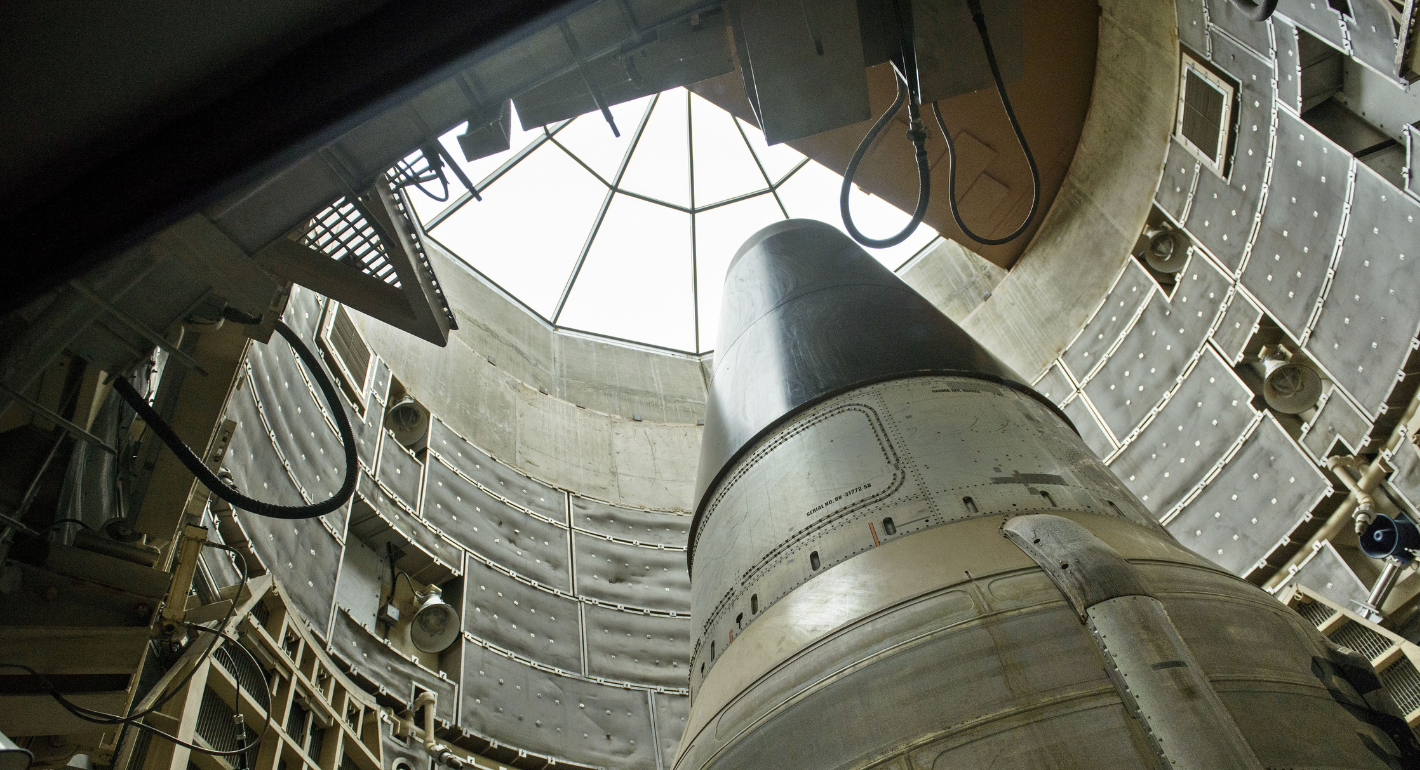
Amid uncertainty caused by the Iran war, the global drive for nonproliferation has stalled. With Europe diplomatically marginalized and countries reassessing their nuclear options, efforts to curb the spread of nuclear weapons risk becoming irrelevant.

Jane Darby Menton
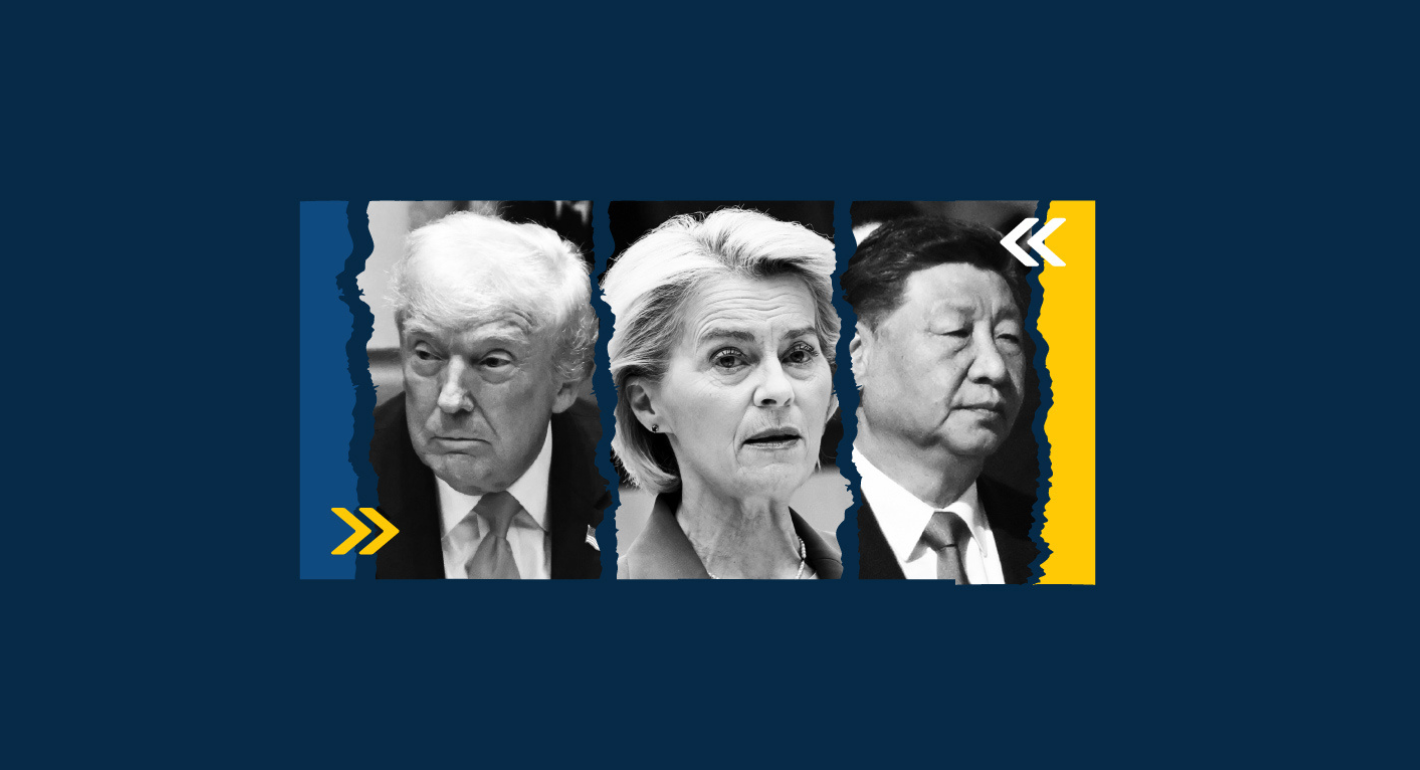
Between the United States’ market-driven approach and China's state-led industrial strategy, Europe is reckoning with how it can remain competitive in the global economy. But is Europe in danger of becoming a U.S. or China colony?
Noah Barkin, Anu Bradford

Minsk’s faith in the future of its larger neighbor’s economy is fading as Belarusian firms in Russia see record losses.

Olga Loiko

Preparing candidate countries for EU membership is no longer enough. As the enlargement process becomes a reality, the union must also prepare its own societies.

Iliriana Gjoni