• Research
  • Emissary
  • About
  • Experts
Carnegie Global logoCarnegie lettermark logo
DemocracyIran
  • Donate
{
  "authors": [
    "Pranay Vaddi",
    "Adam Mount"
  ],
  "type": "legacyinthemedia",
  "centerAffiliationAll": "dc",
  "centers": [
    "Carnegie Endowment for International Peace"
  ],
  "collections": [
    "U.S. Nuclear Policy"
  ],
  "englishNewsletterAll": "ctw",
  "nonEnglishNewsletterAll": "",
  "primaryCenter": "Carnegie Endowment for International Peace",
  "programAffiliation": "NPP",
  "programs": [
    "Nuclear Policy"
  ],
  "projects": [],
  "regions": [
    "North America",
    "United States"
  ],
  "topics": [
    "Democracy",
    "Nuclear Policy"
  ]
}

Source: Getty

In The Media

Better Informing a President’s Decision on Nuclear Use

As long as the order can be certified as coming from the president, and as long as military officials involved in implementing the decision do not object to the order as violating the law of armed conflict, U.S. forces are expected to carry out the order.

Link Copied
By Pranay Vaddi and Adam Mount
Published on Nov 9, 2020
Program mobile hero image

Program

Nuclear Policy

The Nuclear Policy Program aims to reduce the risk of nuclear war. Our experts diagnose acute risks stemming from technical and geopolitical developments, generate pragmatic solutions, and use our global network to advance risk-reduction policies. Our work covers deterrence, disarmament, arms control, nonproliferation, and nuclear energy.

Learn More

Source: Lawfare Blog

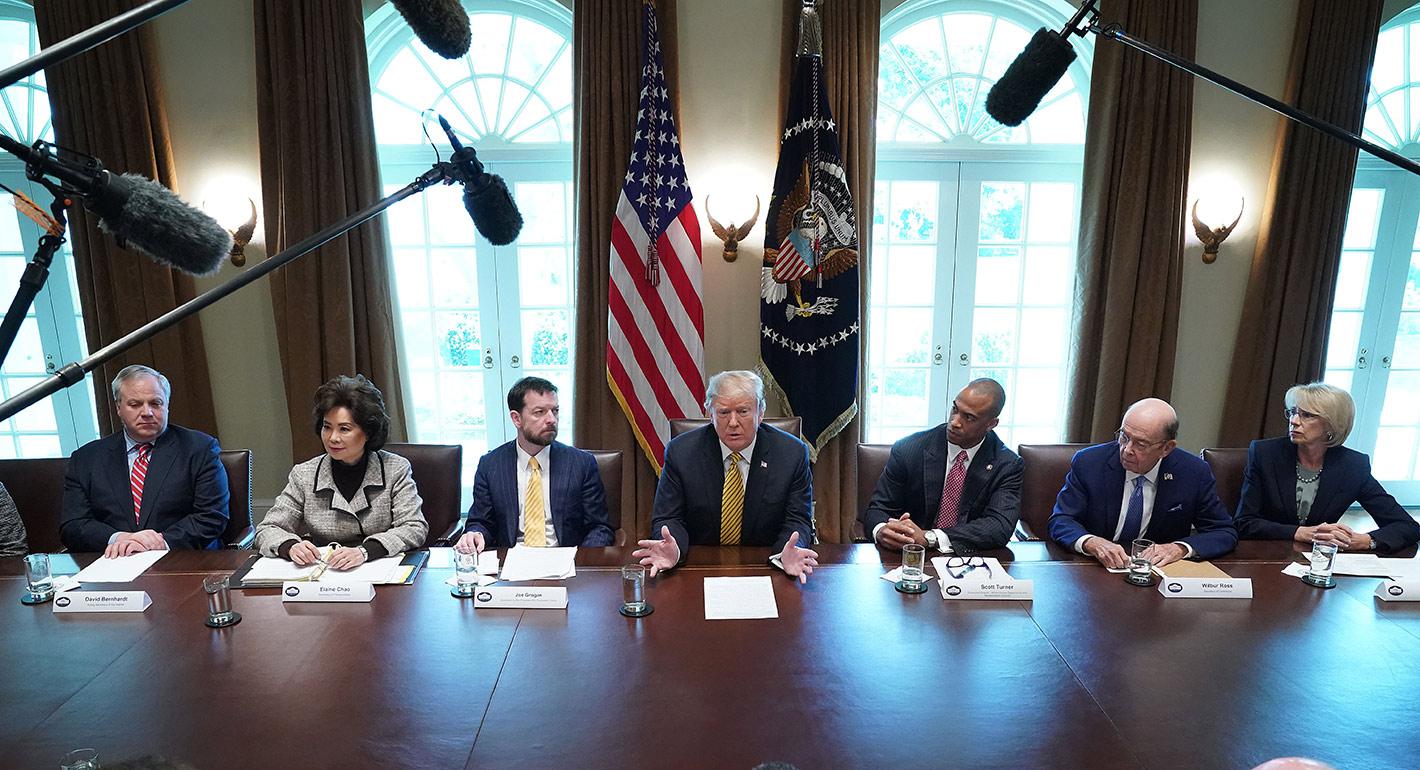
Over the past four years, many Americans have been surprised to learn that a U.S. president can order a nuclear strike at a moment’s notice without the approval of any other official. Though the president might be expected to consult with top military advisers, Congress or U.S. intelligence, there is no requirement that he or she do so. As long as the order can be certified as coming from the president, and as long as military officials involved in implementing the decision do not object to the order as violating the law of armed conflict, U.S. forces are expected to carry out the order.

Several members of Congress and experts have offered proposals to revise nuclear authorization procedures to require the approval of additional officials prior to the release of nuclear weapons. This would be an important step in improving the system, but it does not exhaust the changes needed to ensure the system serves U.S. interests. If and when the United States revises its policies on nuclear use authority, it should also address two other outstanding issues: ensuring that procedures are in place for the president to consult with the leaders of allied countries prior to ordering a nuclear operation that would affect them and reviewing the process by which the military would assess the legality of nuclear operations under the law of armed conflict.

Read the Full Text

This article was originally published by Lawfare Blog.

About the Authors

Pranay Vaddi

Former Fellow, Nuclear Policy Program

Pranay Vaddi was a fellow in the Nuclear Policy Program at the Carnegie Endowment for International Peace.

Adam Mount

Adam Mount is a nonresident senior fellow at the Federation of American Scientists.

Authors

Pranay Vaddi
Former Fellow, Nuclear Policy Program
Adam Mount

Adam Mount is a nonresident senior fellow at the Federation of American Scientists.

DemocracyNuclear PolicyNorth AmericaUnited States

Carnegie does not take institutional positions on public policy issues; the views represented herein are those of the author(s) and do not necessarily reflect the views of Carnegie, its staff, or its trustees.

More Work from Carnegie Endowment for International Peace

  • Commentary
    Carnegie Politika
    What Does Nuclear Proliferation in East Asia Mean for Russia?

    Troubled by the growing salience of nuclear debates in East Asia, Moscow has responded in its usual way: with condemnation and threats. But by exacerbating insecurity, Russia is forcing South Korea and Japan to consider radical security options.

      James D.J. Brown

  • Commentary
    Diwan
    A Military Balance Sheet in the U.S. and Israeli War With Iran

    In an interview, Jim Lamson discusses the ongoing regional conflict and sees an unclear picture when it comes to winners and losers. 

      Michael Young

  • Wide shot of a wildfire burning a hillside near buildings
    Commentary
    What We Lost When Washington Walked Away From Climate-Health Efforts

    Our new report offers a path forward for local officials and future policymakers.

      • +2

      Joe McCannon, Jenny Keroack, Lauren Jensen, …

  • Newton-Wellesley Hospital has a bevy of solar panels atop their employee parking garage
    Paper
    Advancing Climate Health for Vulnerable Groups in the United States: Looking Back and Looking Ahead

    Present and future policymakers seeking to address climate-related health challenges can draw lessons from the successes and failures of the Biden administration.

      • +1

      Joe McCannon, Jenny Keroack, Lauren Jensen, …

  • Commentary
    Diwan
    Lebanon Needs a New Negotiating Strategy with Israel

    Unless Beirut lowers expectations, any setbacks will end up bolstering Hezbollah’s narrative.

      Mohanad Hage Ali

Get more news and analysis from
Carnegie Endowment for International Peace
Carnegie global logo, stacked
1779 Massachusetts Avenue NWWashington, DC, 20036-2103Phone: 202 483 7600
  • Research
  • Emissary
  • About
  • Experts
  • Donate
  • Programs
  • Events
  • Blogs
  • Podcasts
  • Contact
  • Annual Reports
  • Careers
  • Privacy
  • For Media
  • Government Resources
Get more news and analysis from
Carnegie Endowment for International Peace
© 2026 Carnegie Endowment for International Peace. All rights reserved.