

Research
- +6
Yasmine Farouk, Nathan J. Brown, Maysaa Shuja Al-Deen, …
{
  "authors": [
    "Michele Dunne"
  ],
  "type": "legacyinthemedia",
  "centerAffiliationAll": "dc",
  "centers": [
    "Carnegie Endowment for International Peace"
  ],
  "collections": [],
  "englishNewsletterAll": "menaTransitions",
  "nonEnglishNewsletterAll": "",
  "primaryCenter": "Carnegie Endowment for International Peace",
  "programAffiliation": "MEP",
  "programs": [
    "Middle East"
  ],
  "projects": [],
  "regions": [
    "Middle East"
  ],
  "topics": [
    "Democracy",
    "Economy",
    "Climate Change"
  ]
}
REQUIRED IMAGE
While the Arab countries, particularly the wealthy Gulf states, might long have considered themselves insulated from global trends, recent events show that this is no longer true, if indeed it ever was. Mass protests, the pandemic, and climate change are all buffeting the region.
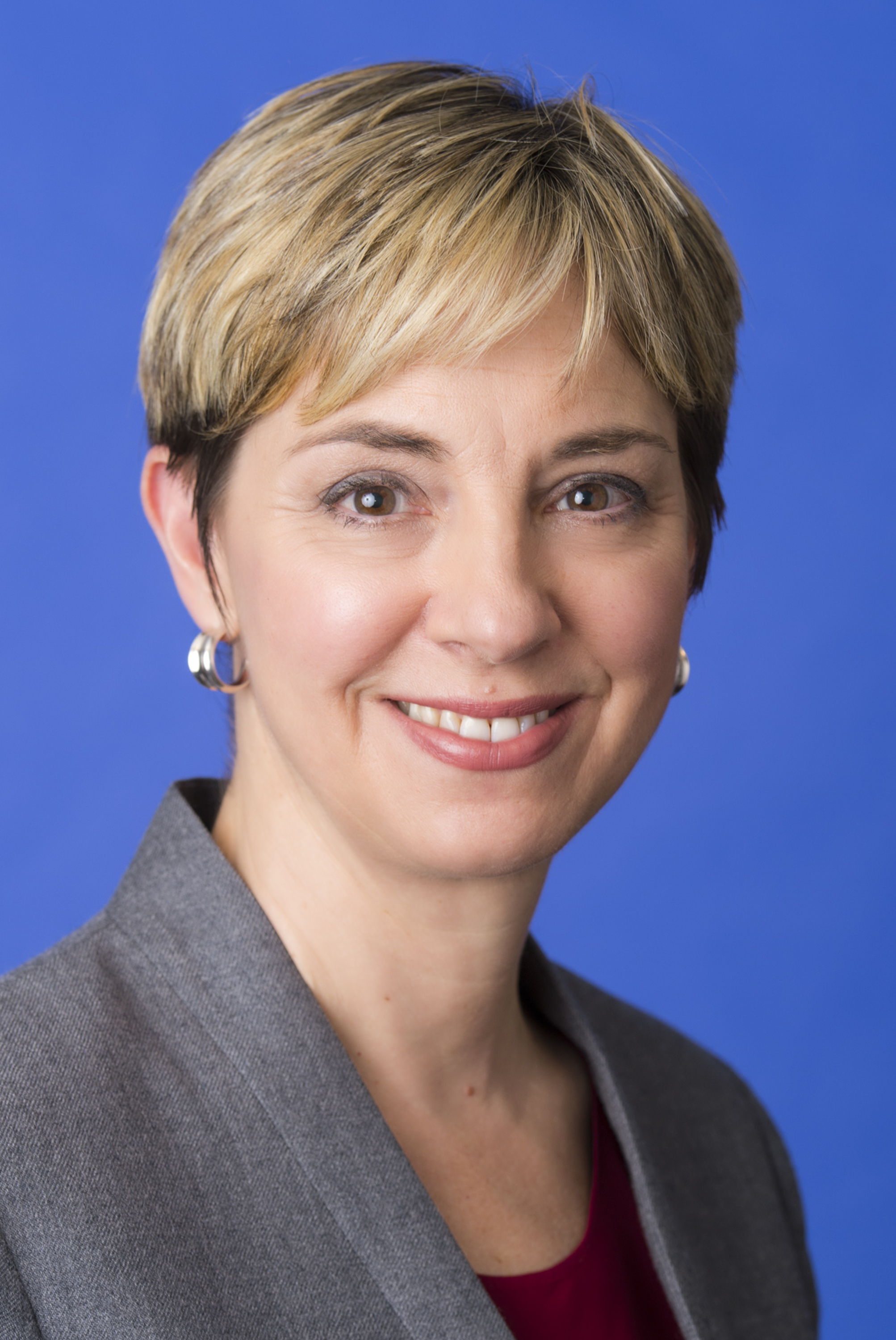
Former Nonresident Scholar, Middle East Program
Michele Dunne was a nonresident scholar in Carnegie’s Middle East Program, where her research focused on political and economic change in Arab countries, particularly Egypt, as well as U.S. policy in the Middle East.
Recent Work

Yasmine Farouk, Nathan J. Brown, Maysaa Shuja Al-Deen, …
Robert Springborg, Emile Hokayem, Becca Wasser, …
Carnegie does not take institutional positions on public policy issues; the views represented herein are those of the author(s) and do not necessarily reflect the views of Carnegie, its staff, or its trustees.

Voters sent mixed messages about funding priorities.

Mark Baldassare, Ian Klaus
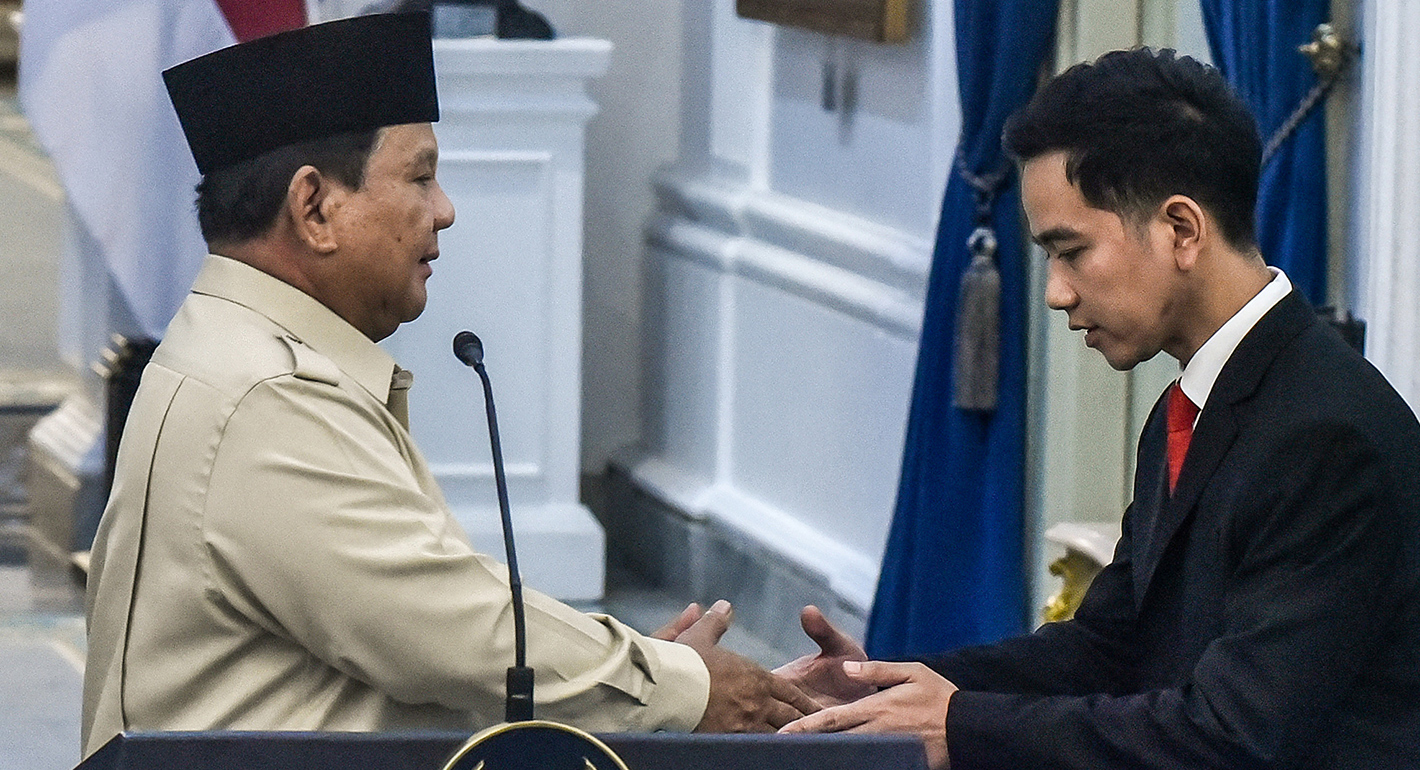
A once-unlikely partnership between President Prabowo and former president Joko Widodo has ended, with important consequences for Southeast Asia’s largest democracy.
Sana Jaffrey
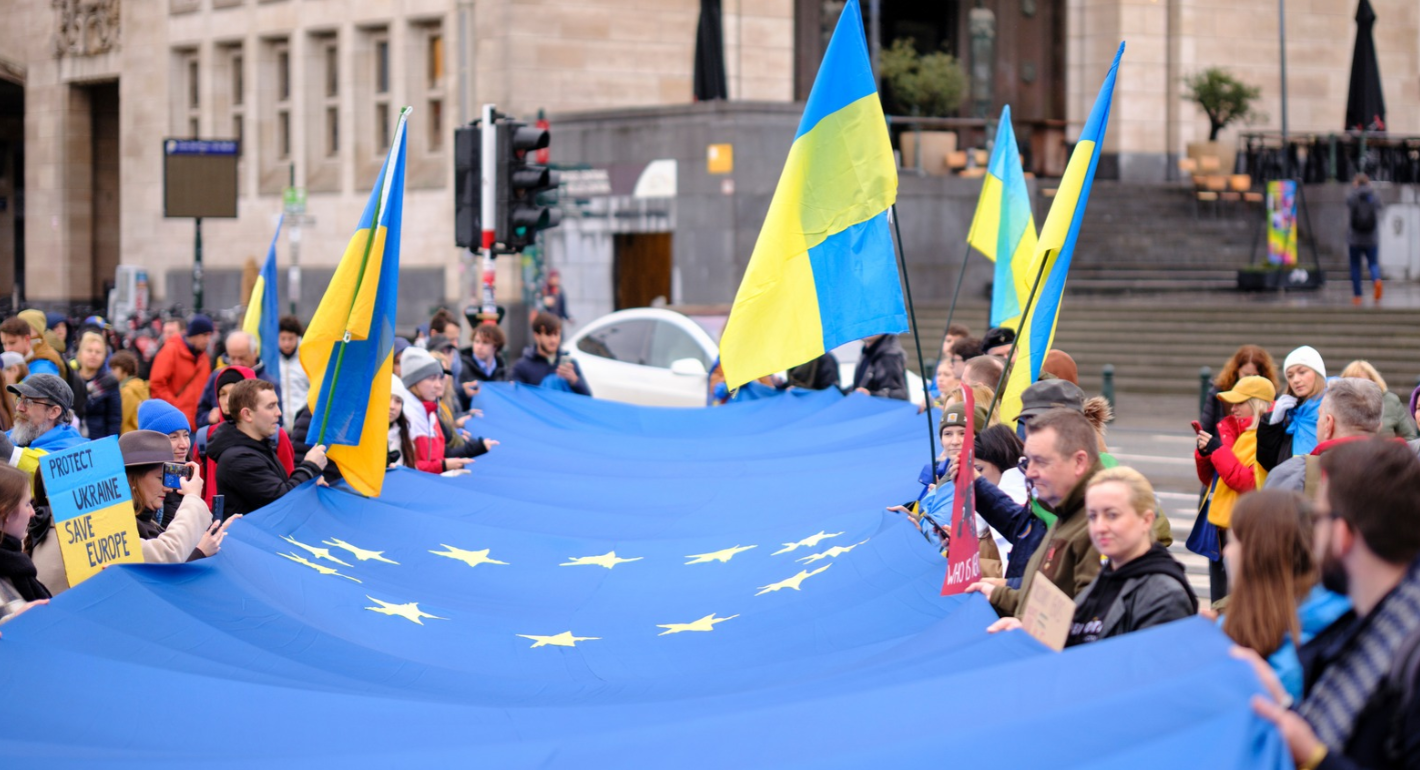
A sizeable funding shortfall looks increasingly likely to hit Ukraine in 2027. Can the Europeans, with their strained budgets and economies, come up with the cash without seizing frozen Russian assets?
Rym Momtaz, ed.
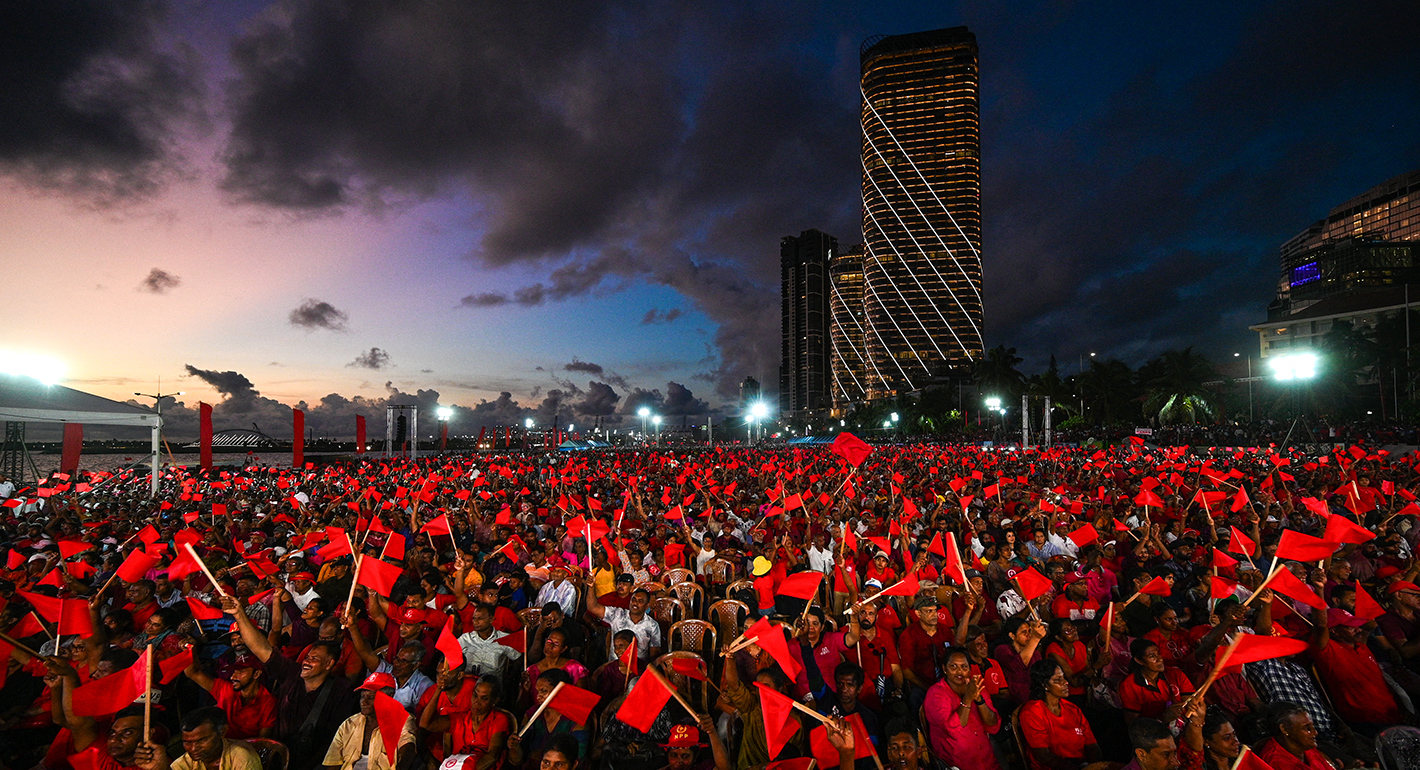
Does the NPP have the will or vision to create a new social contract for Sri Lanka?

Bhavani Fonseka
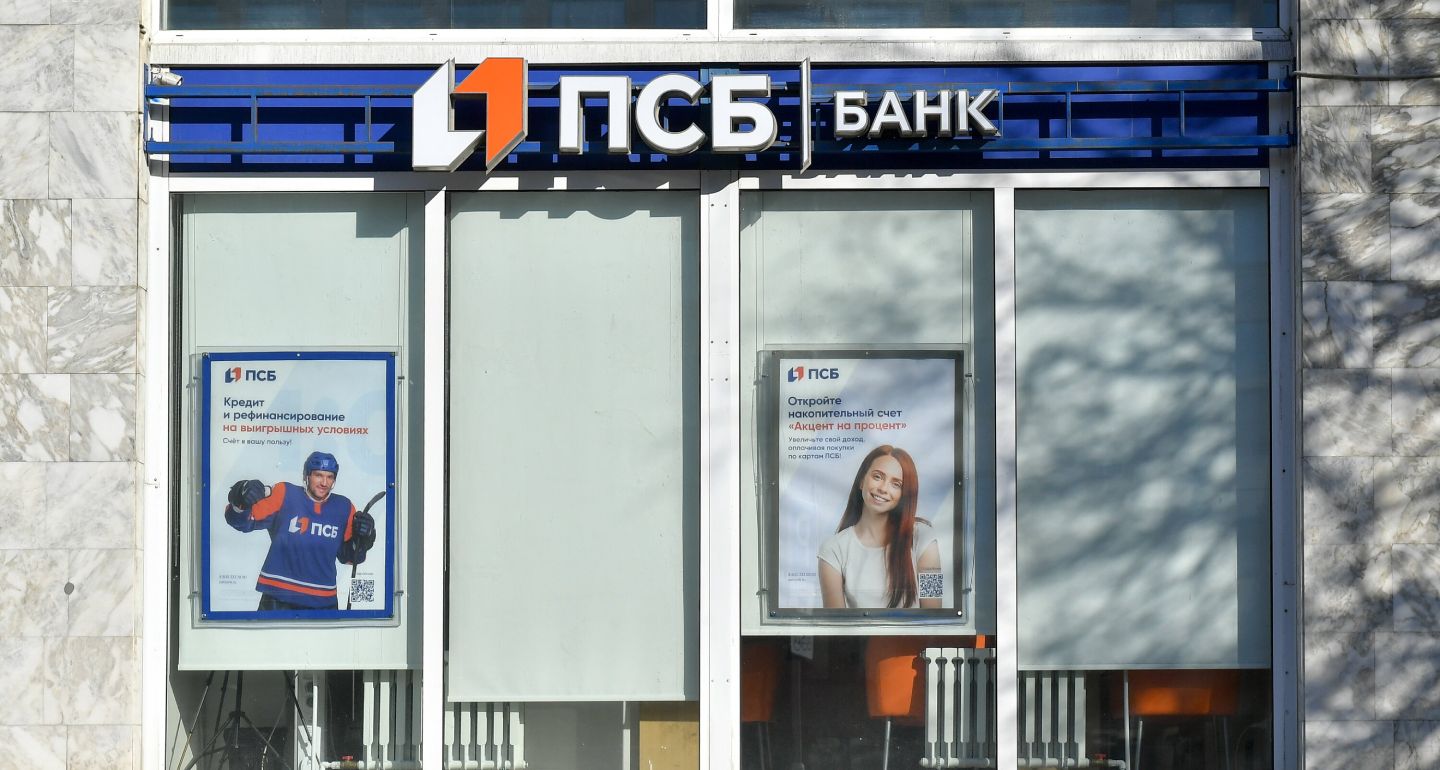
Russia’s banking sector is sinking ever deeper into a crisis that the authorities are simply managing rather than trying to fix.
Alexander Kolyandr, Alexandra Prokopenko