

In The Media
Michele Dunne, Robert Kagan
{
  "authors": [
    "Robert Kagan"
  ],
  "type": "legacyinthemedia",
  "centerAffiliationAll": "",
  "centers": [
    "Carnegie Endowment for International Peace"
  ],
  "collections": [],
  "englishNewsletterAll": "",
  "nonEnglishNewsletterAll": "",
  "primaryCenter": "Carnegie Endowment for International Peace",
  "programAffiliation": "",
  "programs": [],
  "projects": [],
  "regions": [
    "China"
  ],
  "topics": [
    "Foreign Policy"
  ]
}
REQUIRED IMAGE
Source: Carnegie
Reprinted with permission from the New York Times, May 11, 1999
NATO's accidental bombing of the Chinese Embassy in Belgrade has revealed the fallacy at the core of the Clinton Administration's China policy. While Administration officials continue to yearn for a "strategic partnership" with Beijing, China's leaders make no effort to conceal the fact they consider the United States an enemy -- or, more precisely, the enemy.
How else can one interpret the Chinese Government's response to the bombing? Instead of trying to contain the damage to diplomatic relations, as any friendly nation would have after such an obvious if tragic mistake, the Chinese Government used its vast propaganda machine to whip up anti-American hysteria.
The Government bused student protesters to the American Embassy, and the police cordoned off parts of Beijing to make access to the compound easier. State-run media refused to print repeated apologies from NATO and the United States. Instead of accepting NATO's explanations, in fact, the Chinese Government has persisted in claiming that NATO intentionally hit the embassy, which has only further inflamed protesters who have no other information. The result is that Ambassador James Sasser and other embassy employees are self-described hostages and in peril.
This anti-American campaign in China did not begin with the bombing. For weeks Chinese citizens have been barraged by Government propaganda -- complete with old films from the Korean War -- depicting the United States and its allies as vicious aggressors against an innocent and helpless Serbia. All this fits within the broader anti-American line Beijing has been spouting for years: that the United States is an imperialist aggressor, bent on world domination, and at China's expense.
Why have Chinese leaders chosen to use the bombing to mobilize anti-American hatred? Perhaps they are trying to distract attention from the 10-year anniversary of the Tiananmen Square massacre. Perhaps, having been caught red-handed stealing American nuclear secrets, they want to turn the tables and put the United States on the defensive. Perhaps they believe that bullying and brinksmanship are good tactics to use with an Administration that seems bent on "engagement" at any cost. And given the lack of indignation expressed so far by White House officials in the face of China's behavior, they may be right.
But none of these explanations preclude another possibility. Perhaps Beijing is just revealing what it really thinks about the United States. Six years ago, a report prepared by top Chinese foreign and military specialists declared that the United States was China's "international archenemy." When its military conducts war games, the primary adversary is the United States. When Chinese leaders map out their ambitions -- taking control of Taiwan and becoming the dominant power in East Asia -- they see the United States as the main obstacle.
They are right. So far, the United States has insisted on remaining the leading power in East Asia. The Chinese believe their ambitions clash directly with the vital interests of the United States. They're right about that, too.
Would that we in the United States were as clear-sighted. The Administration believes that if we don't treat China as an enemy, it won't become one. Those who recommend a tougher approach, those who call for containing China's ambitions, are usually accused of creating a self-fulfilling prophecy.
But what if the prophecy has already been fulfilled? When the smoke clears from this latest and most revealing crisis, sober Americans may want to start taking the emerging confrontation as seriously as the Chinese do.

Former Senior Associate
Kagan, author of the recent book, The Return of History and the End of Dreams (Knopf 2008), writes a monthly column on world affairs for the Washington Post and is a contributing editor at both the Weekly Standard and the New Republic.
Recent Work

Michele Dunne, Robert Kagan
Robert Kagan, Michele Dunne
Carnegie does not take institutional positions on public policy issues; the views represented herein are those of the author(s) and do not necessarily reflect the views of Carnegie, its staff, or its trustees.
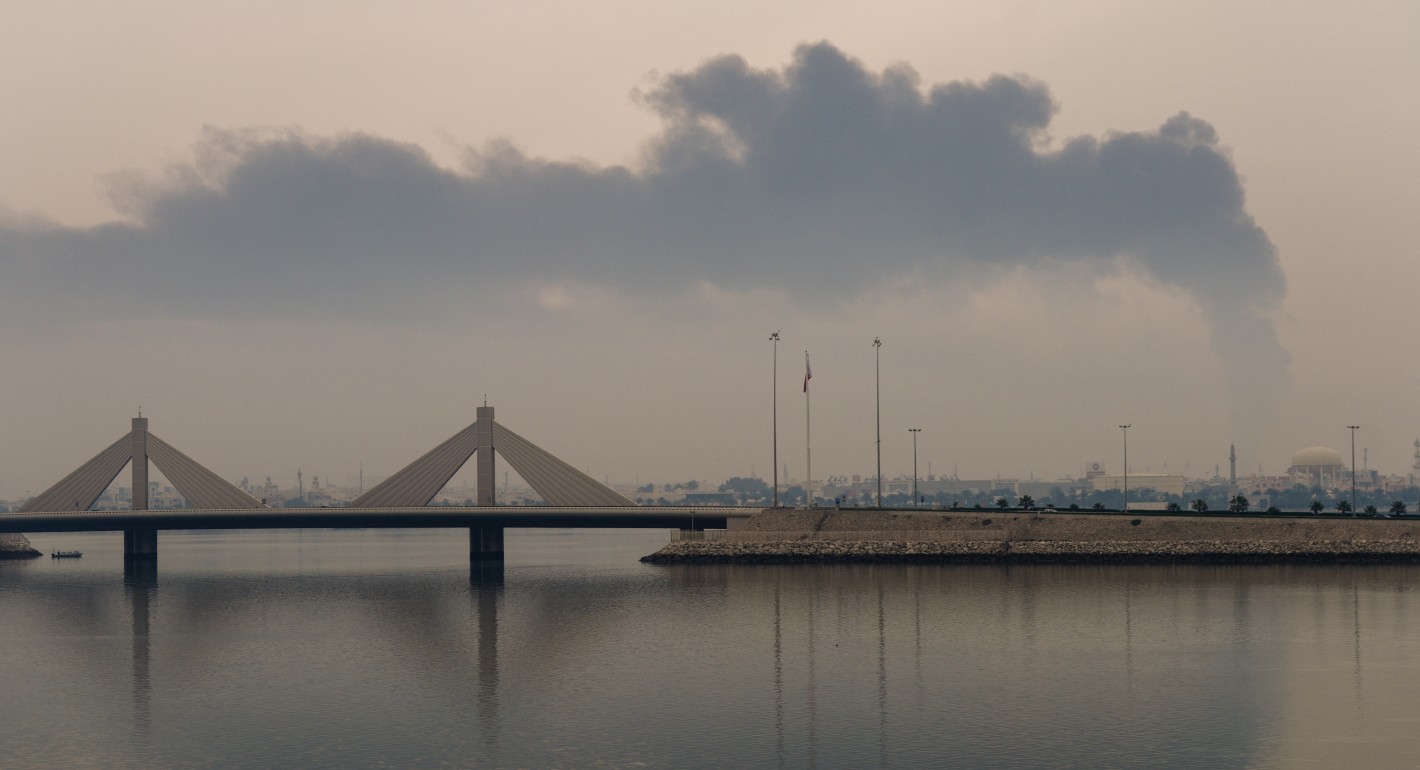
The conflict is exposing the flaws and fissures of their domestic governance and social cohesion.

Frederic Wehrey, Charles H. Johnson
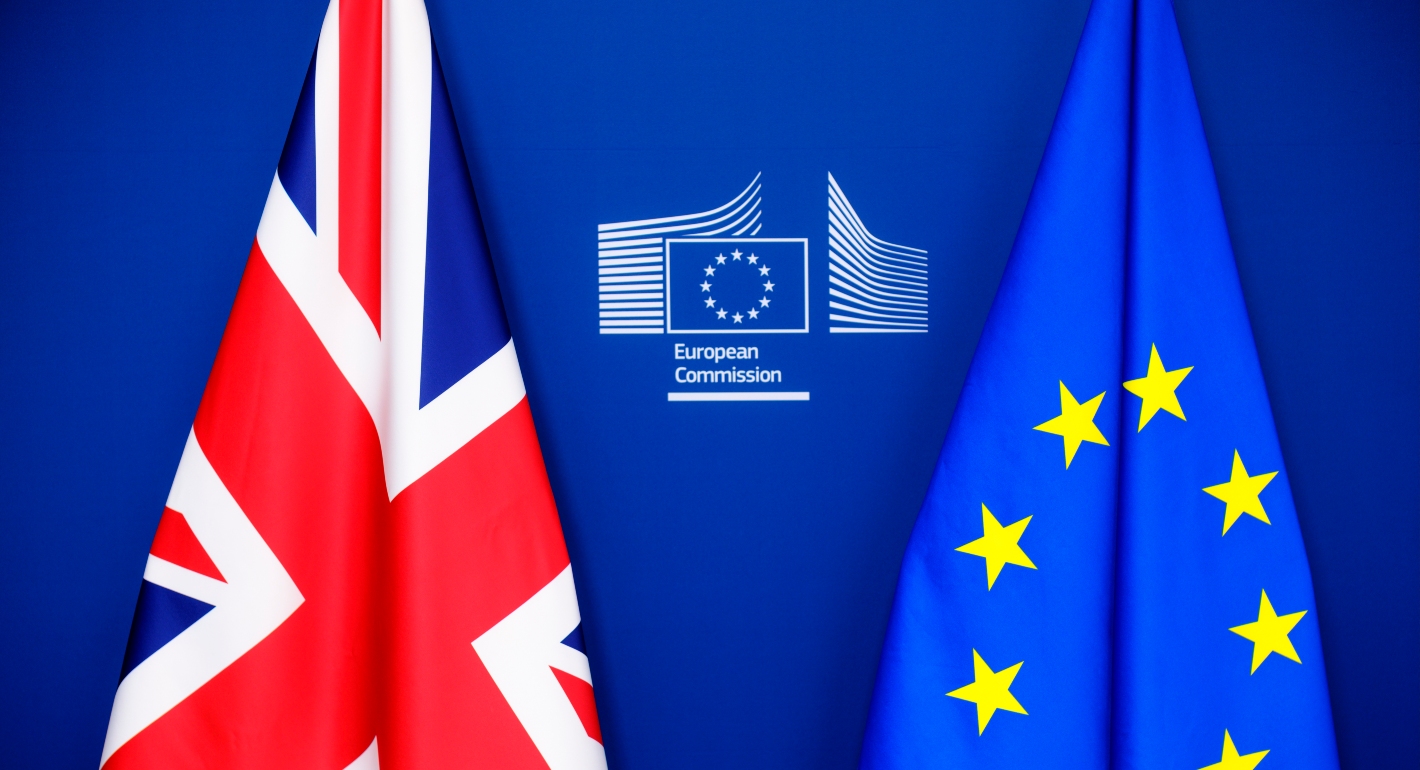
Closer EU-UK ties could help address urgent European concerns. But is the EU ready for rapprochement with the United Kingdom?

Rym Momtaz, ed.
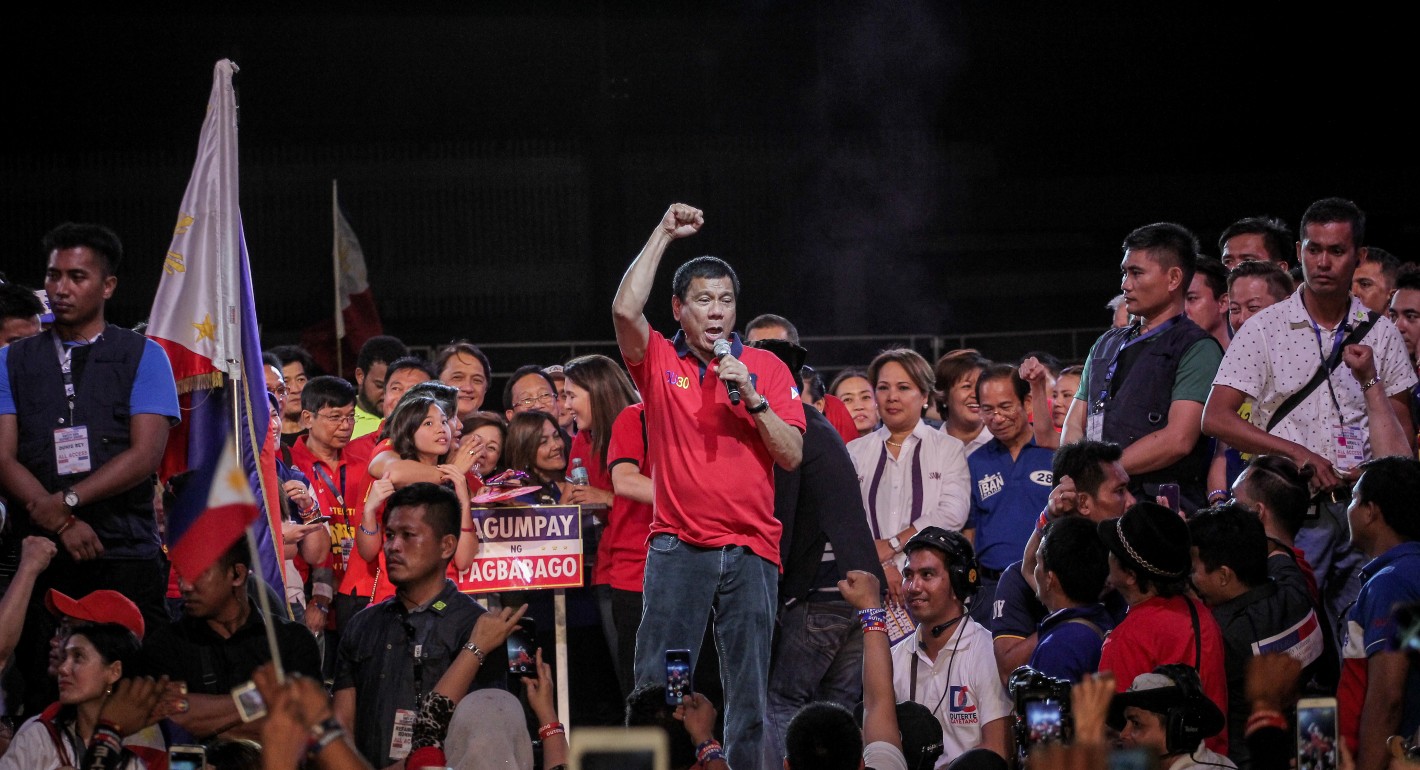
In the Philippines, Duterte-era discourse emphasizing sovereignty, anti-Western skepticism, and strongman diplomacy mirrors tenets of populist foreign policy around the world.

Aries A. Arugay
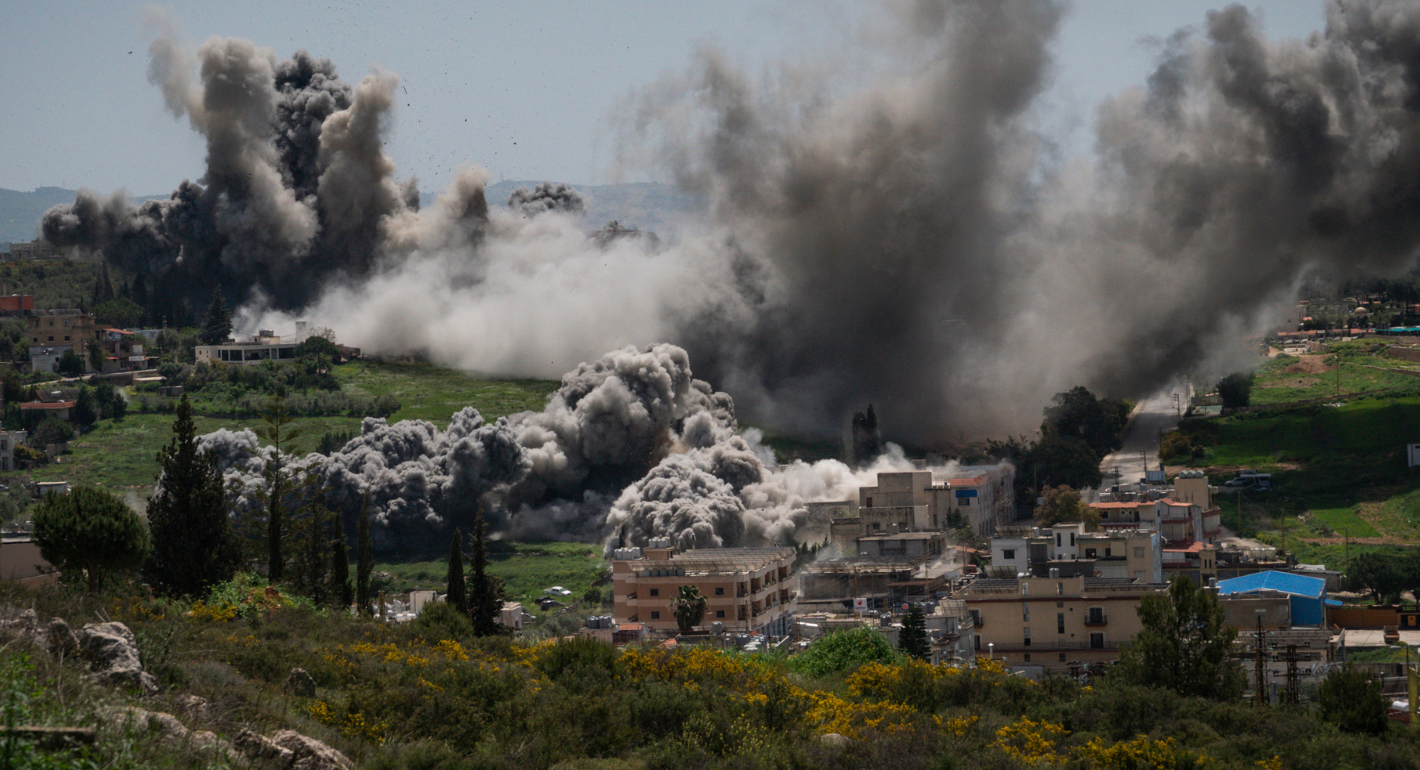
Europe has been standing by while its Southern neighborhood is being redrawn by force. To establish a path to peace between Israel and Lebanon, it’s time for Europeans to get involved with hard power.
Rym Momtaz

Although Ukrainian strikes have led to a noticeable decline in the physical volume of Russian oil exports, the rise in prices has more than made up for it.

Sergey Vakulenko