

Commentary
Washington’s decision to support some UN functions while letting others wither is pulling the organization apart at the seams.
Stewart Patrick, Theodore Zaritsky

REQUIRED IMAGE
For some two years there have been public concerns about Russian firms – and perhaps elements of the Russian government – assisting Iran to develop ballistic missiles. Last month Iran conducted the first flight-test of its Shahab-3 missile. Some analysts suspect that Iran is a few years away from fielding the Shahab-4 missile, which could reach most of Egypt and some of Central Europe.
Source: Carnegie
For some two years there have been public concerns about Russian firms – and perhaps elements of the Russian government – assisting Iran to develop ballistic missiles. Last month Iran conducted the first flight-test of its Shahab-3 missile, thought to have a range of 1300 kilometers when fully developed – far enough to reach all of Israel and most of Saudi Arabia and Turkey. The Shahab-3 is said to be based on the North Korean Nodong with substantial Russian assistance in the design and development of the system. Some analysts suspect that Iran is a few years away from fielding the Shahab-4 missile, purportedly based on the Soviet SS-4 (banned by the Intermediate-Range Nuclear Forces Treaty) with a range of 2000 kilometers. This range would enable the Shahab-4 to reach most of Egypt and some of Central Europe.
THE IRAN MISSILE PROLIFERATION SANCTIONS ACT
In the absence of the imposition of U.S. sanctions against the Russian entities allegedly involved, Congress acted. On January 27, 1998, it overwhelmingly passed (392-22 in the House and 90-4 in the Senate) H.R. 2709, "The Iran Missile Proliferation Sanctions Act of 1998," sponsored by Representative Benjamin Gilman (R-NY). Under previous missile proliferation sanctions legislation, members of the Missile Technology Control Regime (MTCR) – including Russia – are largely protected from U.S. sanctions. The new act would eliminate this protection, and provide that
ADMINISTRATION AND RUSSIAN ACTIONS
On June 23, President Clinton vetoed the Act, a difficult step because the Act was combined with the implementing legislation for the Chemical Weapons Convention. On July 15, Russia announced that it was investigating nine entities suspected of violating Russia's export controls relating to weapons of mass destruction or missiles to deliver them. On July 28, shortly before Congress had been scheduled to vote on whether to override his veto, President Clinton amended Executive Order 12938, which provided penalties for assistance to chemical and biological weapons programs. The amendment
The Administration also announced that, under the amended Executive Order, it would impose sanctions on seven of the nine entities being investigated by the Russian Government. In short, the Administration – by Presidential decision – took many of the measures required by the Act that the President had vetoed five weeks earlier.
DIFFERENCES BETWEEN THE ACT AND THE ADMINISTRATION'S MEASURES
There remain a number of areas of dispute between Congressional proponents of the Act and the Administration. These include the questions:
The U.S. and Russian presidents will meet in Moscow on September 1-2. The question of Russian assistance to Iran's missile program will be a key topic for discussion. After the summit Congress will have until the end of September to vote on whether to override the President's veto. An override requires a two-thirds vote of both Houses in favor of the "Iran Missile Proliferation Sanctions Act."
Richard Speier is a consultant to the Non-Proliferation Project and an expert on missile proliferation.
Richard Speier
Carnegie does not take institutional positions on public policy issues; the views represented herein are those of the author(s) and do not necessarily reflect the views of Carnegie, its staff, or its trustees.
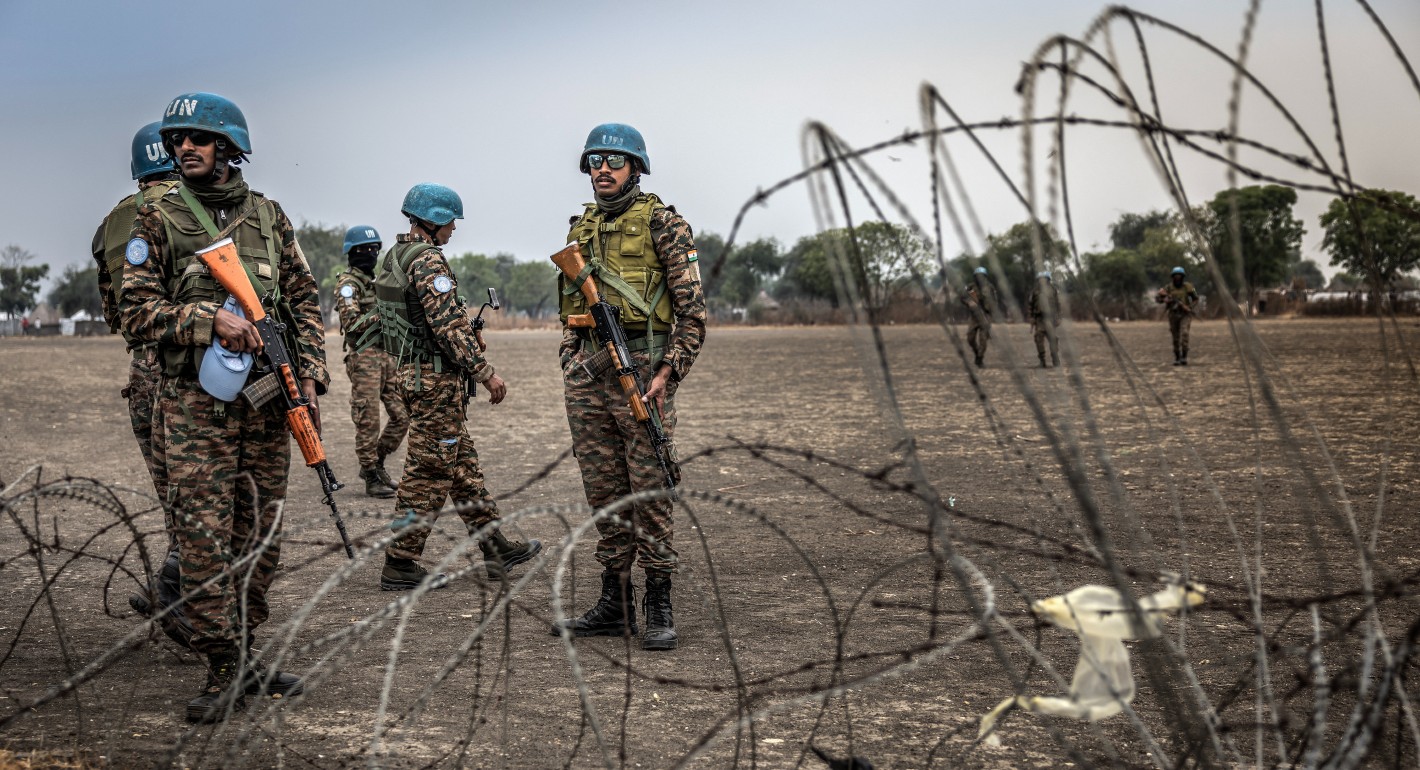
Washington’s decision to support some UN functions while letting others wither is pulling the organization apart at the seams.

Stewart Patrick, Theodore Zaritsky

Are Germany’s economic, industrial, and political struggles becoming a liability for the EU’s ability to rise to the geopolitical moment?

Rym Momtaz, ed.

China’s police training infrastructure construction projects provide benefits to recipient countries, promote China’s image as a major global security provider, and are likely to reinforce alignment between Beijing’s security priorities and those of countries in the Global South.


Cameron Waltz, Sheena Chestnut Greitens, Kim Nguyen, …

The Bureau of Industry and Security needs to adjust its focus and practices to maintain its position as the U.S. government’s primary champion of international technological competition.

Geoffrey Irving
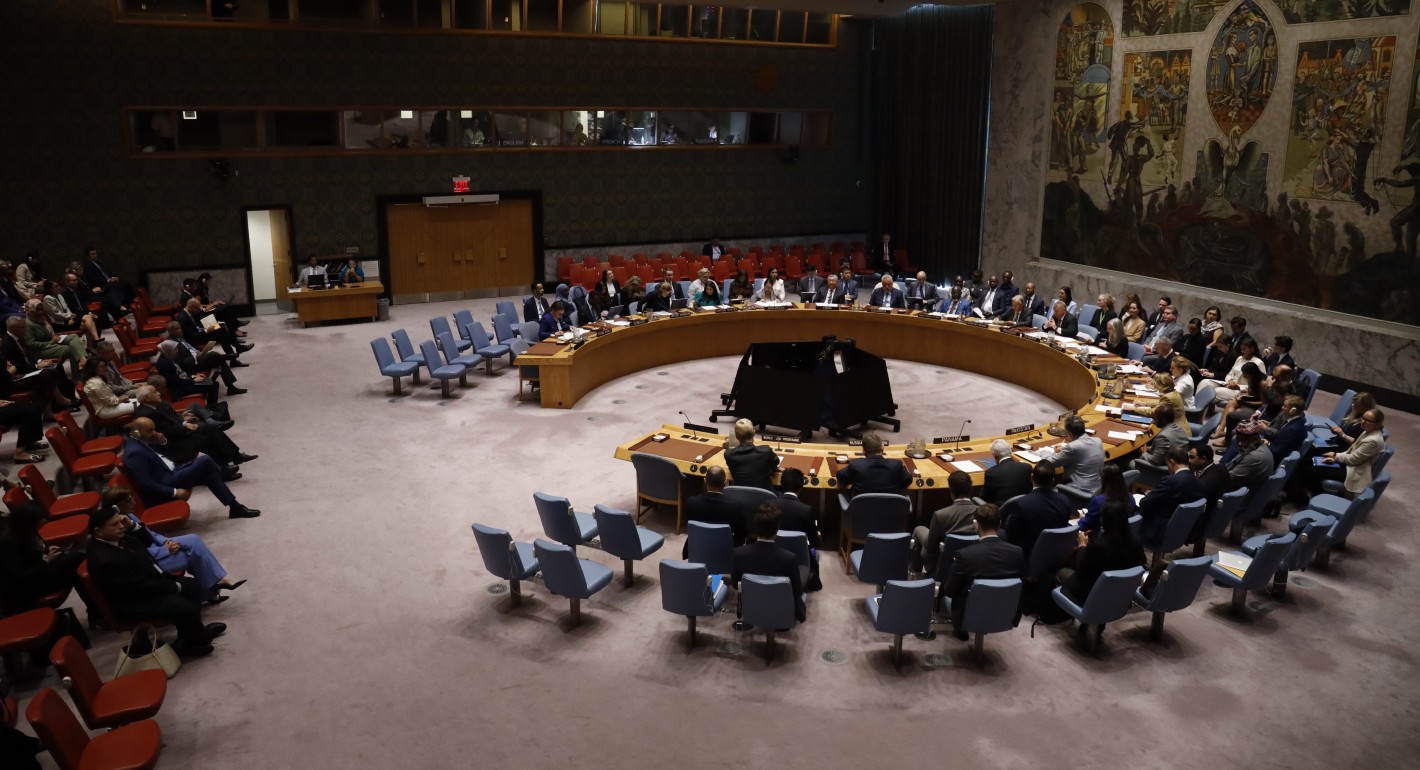
They face an uphill climb, but they could draw on a strategy that other diplomats have used in the past.


Shana Tabak, Alejandro Martin Rodriguez