

Commentary
When faced with fuel shortages in the past, Central Asian governments could always count on additional supplies from Moscow. That safety net no longer exists.
Galiya Ibragimova

REQUIRED IMAGE
Source: Carnegie
Summary
The issue of how best to promote respect for internationally recognized core labor standards in an increasingly interconnected world has become a major stumbling block to progress in international trade negotiations, both at the multilateral and the regional level. This paper represents an effort to shake loose the current policy logjam, in the FTAA/ALCA process and elsewhere, over incorporating labor issues into trade agreements. It attempts to do so by asserting and describing a viable and credible win-win alternative approach that holds the potential for markedly improving the coverage and enforcement of core labor standards without resort to trade sanctions (or insertion of labor issues into trade negotiations).
Click on link above for full text of this Carnegie Paper.
Carnegie does not take institutional positions on public policy issues; the views represented herein are those of the author(s) and do not necessarily reflect the views of Carnegie, its staff, or its trustees.

When faced with fuel shortages in the past, Central Asian governments could always count on additional supplies from Moscow. That safety net no longer exists.

Galiya Ibragimova
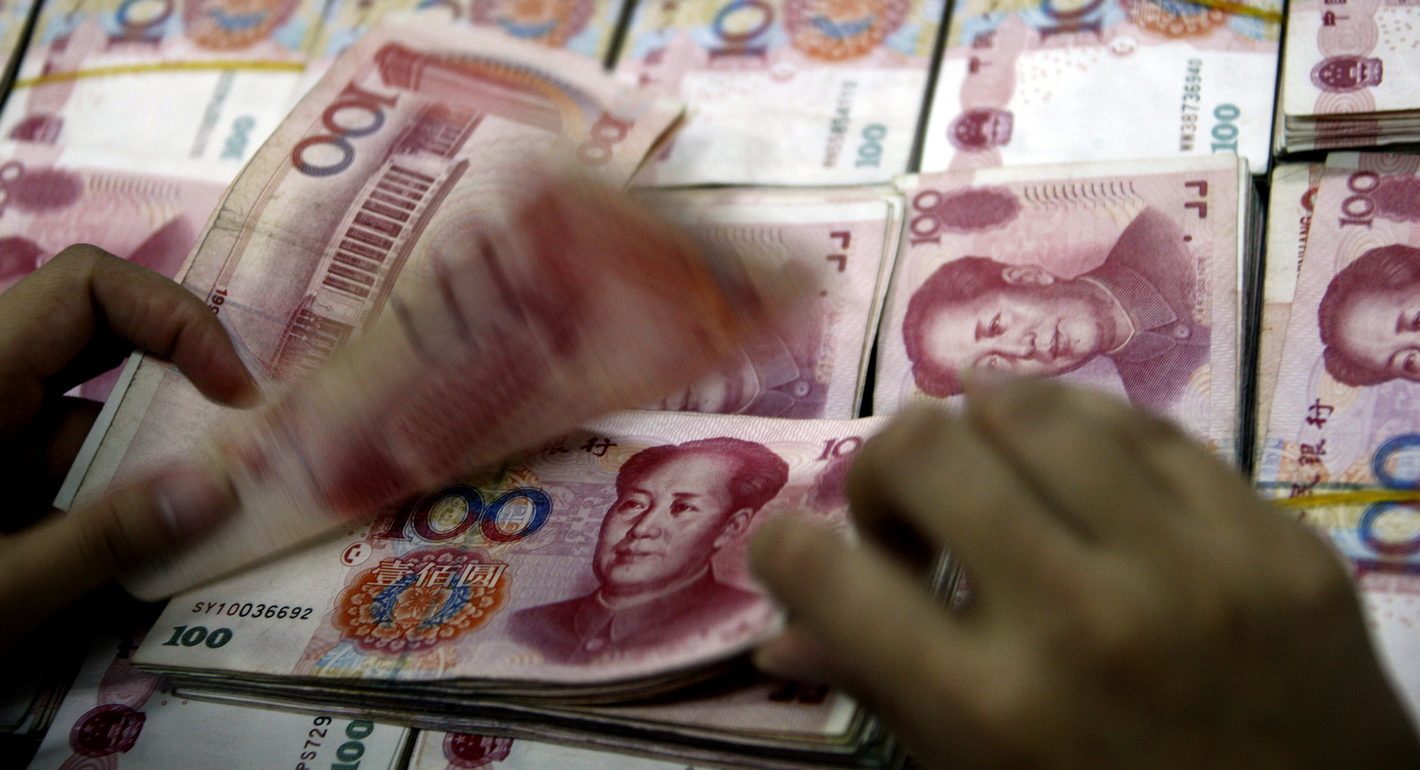
Is the Gulf moving beyond the dollar? This article examines how China is expanding the renminbi's role across Gulf markets, what that means for regional finance, and why the future of global currencies is more complex than the de-dollarization debate suggests.

Andrew Bonney

Morocco and Algeria, each in its own way, are having to navigate the global economic fallout of the U.S.-Israeli military campaign against Iran.

Yasmine Zarhloule

Middle powers in the region will keep hedging between Washington and Beijing. It’s in the great powers’ interests to play along.


Amr Hamzawy, Kathryn Selfe

The future of American economic power will be determined by the interplay between Trump’s ambitions and the global backlash against them, as well as economic developments outside the direct control of the government, such as advances in AI.

Peter Harrell