

Commentary
The books, podcasts, and films that explain the world it made.
Andrew Leber

REQUIRED IMAGE
America's security remains under constant threat today from the Al Qaeda terrorist network and other Islamic extremists. Recent statements by the Director of Central Intelligence affirm that hundreds or thousands of Al Qaeda members are dispersed throughout the world, have re-established communications and support networks, and are actively planning new attacks against the United States. This is an enemy that operates from dozens of countries, from Hamburg to Manila, Khartoum to Karachi, and Buffalo to Portland. The single most important strategic criteria for military action against Iraq is whether or not such a course will aid or hinder U.S. efforts to prevent terrorist attacks.
According to the U.S. State Department, the Hussein government for years has given political support to several terrorist groups that have attacked mostly Israeli, Turkish and Iranian targets. No evidence has been presented by the U.S. government linking Iraq to the September 11 attacks in America, the attacks on U.S. embassies in Africa, or on the USS Cole in Yemen. These attacks were planned and implemented by Al-Qaeda's undeterrables. Therefore, there is little reason to believe that removal of the Hussein regime will reduce in any decisive manner the ability or likelihood of terrorists to attack the United States. Yes, Iraq in the future could significantly change its behavior and provide weapons of mass destruction to terrorists, vastly increasing its threat to the U.S. and the world, but so could Pakistan, China, Saudi Arabia, Iran, Russia or North Korea. Moreover, Hussein knows that if the U.S. believed he aided a terrorist attack on America, he would be destroyed. If evidence is found confirming that Hussein has participated in any such attacks or is currently planning them then it is time to use military force to stop him.
However, it is important to acknowledge that U.S. military action against Iraq could increase the strength and motivation of terrorists who target America. If we must attack, we also must think about how to minimize these potential negative consequences.
Increase the Al Qaeda Appeal. A U.S. -led invasion of Iraq in the face of opposition from Muslim nations and perhaps several members of the UN Security Council will enrage millions of Muslims. Al Qaeda is the principal advocate of an extremist anti-western ideology proselytized to all Muslims and is a facilitator of interaction among an umbrella of radical Islamic groups. A U.S. invasion of Iraq may make tens of thousands of Islamic fundamentalists worldwide more sympathetic to Osama Bin Laden's February 1998 call for Jihad or "Holy War" to kill American citizens, civilian and military. At the least, U.S. military action could encourage other extremist groups to align themselves more firmly politically and operationally under the Al Qaeda umbrella.
Some of these radical fundamentalists are U.S. citizens or reside in U.S. cities. They are critical assets to anti-U.S. terrorists because they are strategically pre-positioned on our soil and can provide vital information, surveillance and logistics for operations, or commit terror acts themselves.
A New Generation of Iraqi Undeterrables. A U.S. invasion may also create a vicious new network of undeterrables within Iraq. These may include people with very dangerous skills and capabilities related to weapons of mass destruction and veteran political murderers including those who carried out military terror operations against Iraqi opposition groups and Kurdish villages.
Saddam Hussein has ruled Iraq for more than 20 years, ruthlessly weeding out disloyalty. Even if Iraq's military is quickly defeated and Saddam himself is captured or killed, it is unlikely that the thousands of corrupt functionaries and security officers that support this regime will fall to their knees shouting "hail America, the wicked Saddam is dead." Instead they could be motivated to survive and seek revenge, hopeful that U.S. forces will not sustain an occupation of their country if subjected to terror and guerilla warfare.
An invasion of Iraq risks an outcome that is in our highest strategic interest to prevent: motivated cooperation between Al Qaeda and hostile remnants of Hussein's government, his lieutenants and security agents. If war is unavoidable, any possible measures that could minimize this danger should be taken.
Global Cooperation Shattered. A third possible negative outcome of an invasion is loss of global support for America's fight against terrorism. Many nations whose assistance is vital to America's anti-terror efforts are also the targets of terrorism and believe that a more complete weakening of Al-Qaeda's global network should be a higher priority than attacking Iraq. If the United States strikes Iraq despite their concerns we should not be surprised if some states distance themselves from us and place higher priority on preventing terror attacks on their own soil, with corresponding less concern for helping prevent attacks on America. This also would be a strategic loss for U.S. security.
There is an Alternative. An alternative to a U.S attack on Iraq is an aggressive inspection regime to monitor and disrupt Hussein's quest for weapons of mass destruction. Growing support could also be provided to local political forces that can eventually replace his regime. Meanwhile, the United States could concentrate on solidifying and improving international anti-terror cooperation, capturing or killing Al Qaeda operatives and disrupting their political and financial support networks. Non-military strategies must also be put into action utilizing all the tools of U.S. foreign policy to reduce rather than grow the number of undeterrable Islamic radicals willing to attack the United States.
Click here to return to Proliferation News
Carnegie does not take institutional positions on public policy issues; the views represented herein are those of the author(s) and do not necessarily reflect the views of Carnegie, its staff, or its trustees.

The books, podcasts, and films that explain the world it made.

Andrew Leber
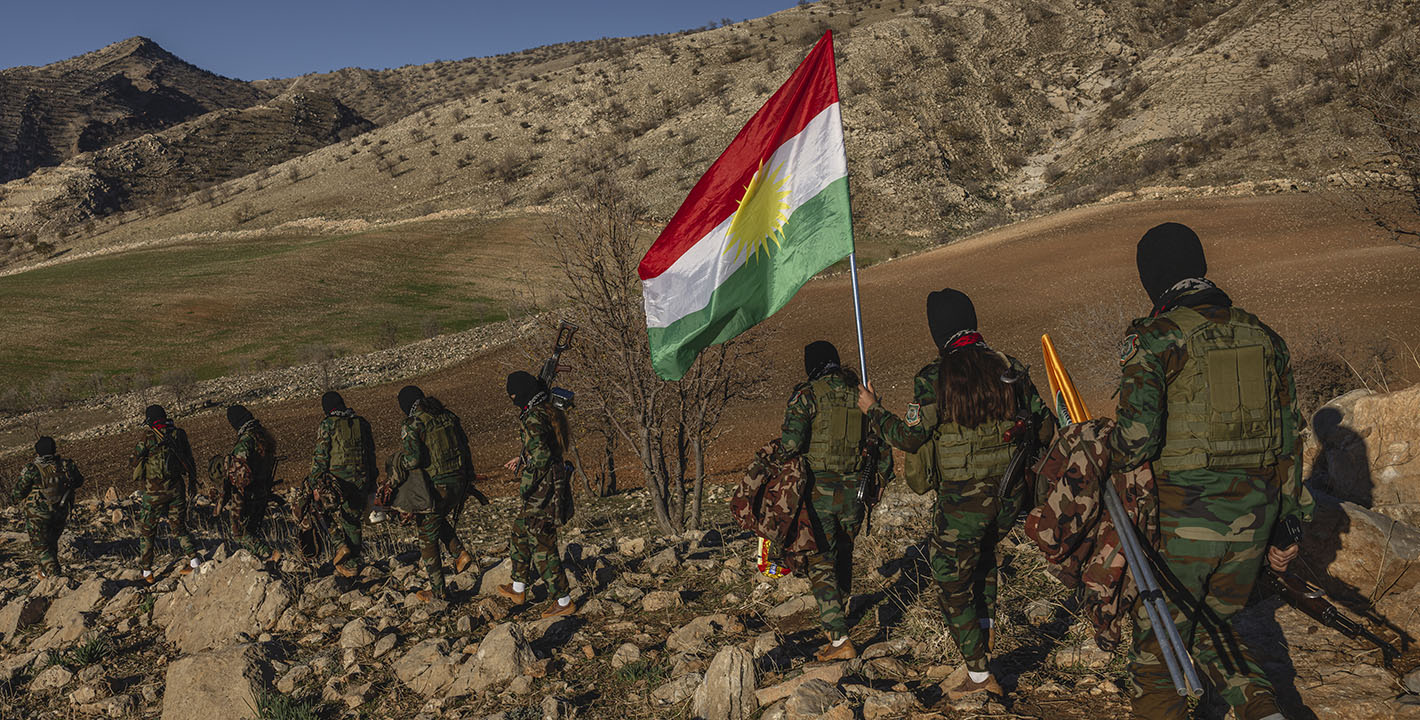
Following its deal with the United States, Iran may act against Iraq-based dissidents.
Wladimir van Wilgenburg
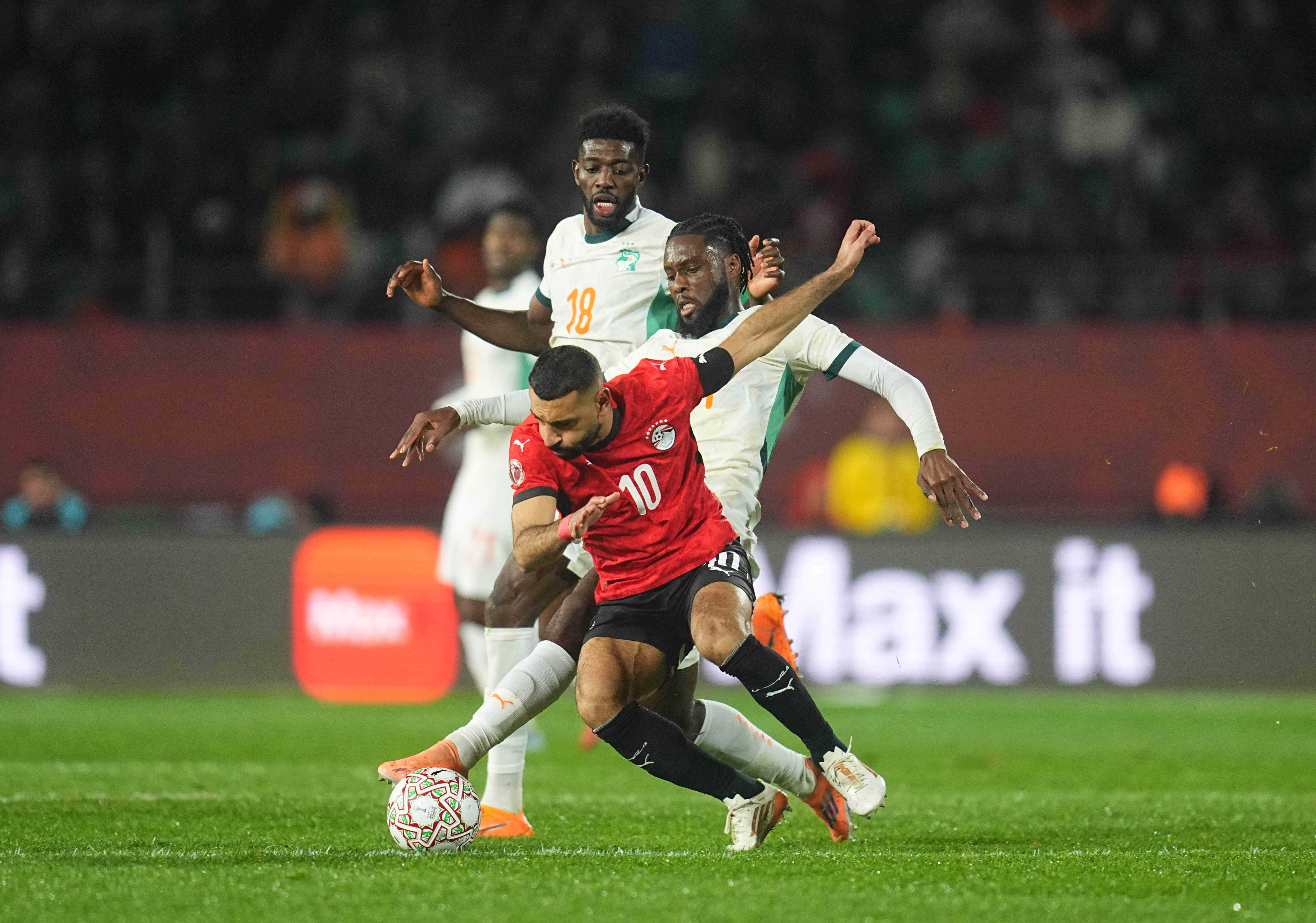
This will be the region’s most representative tournament, amid broad changes in its footballing landscape.

Issam Kayssi
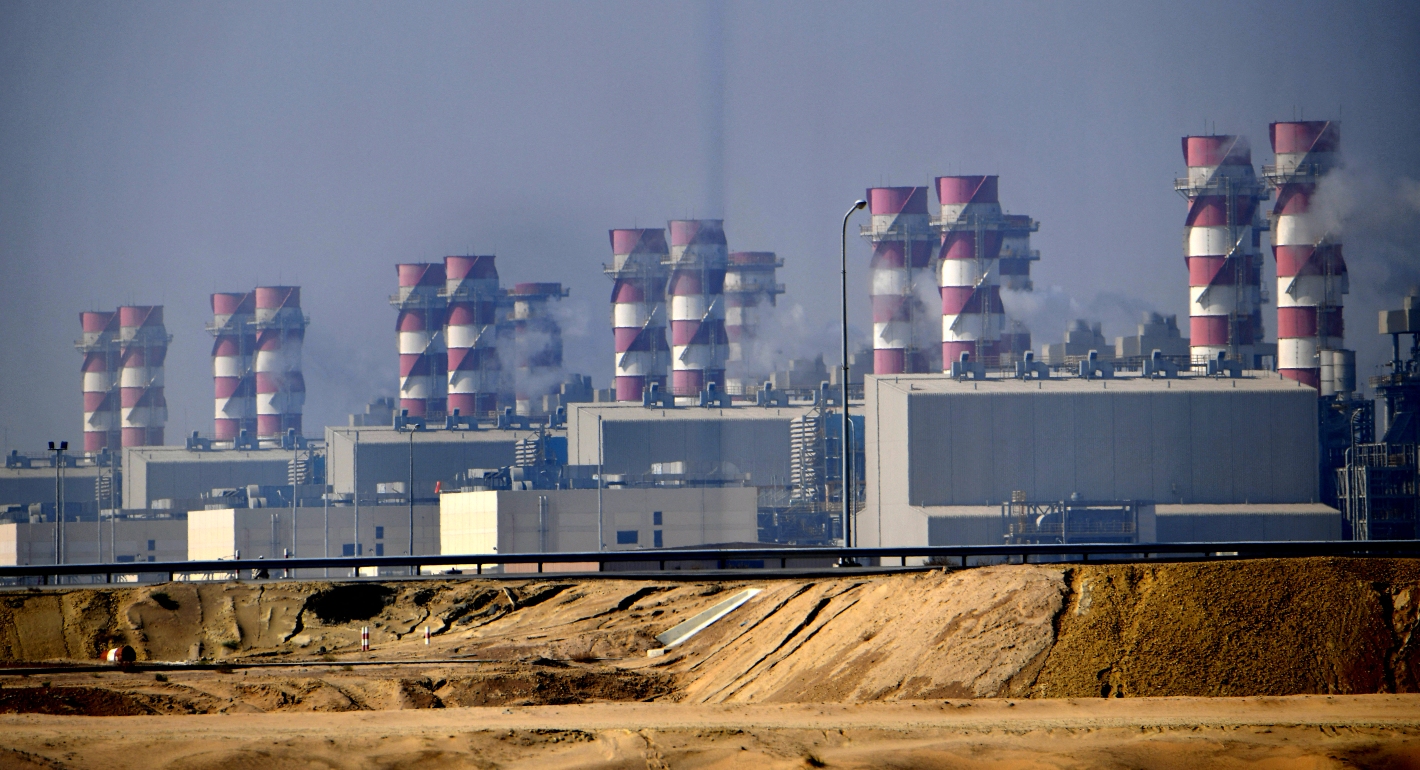
The U.S.-Iran war has crossed a dangerous threshold: water infrastructure in the Gulf is now a target. Ecological statecraft is no longer peripheral to security, it's part of its foundations.


Olivia Lazard, Ali Bin Shahid
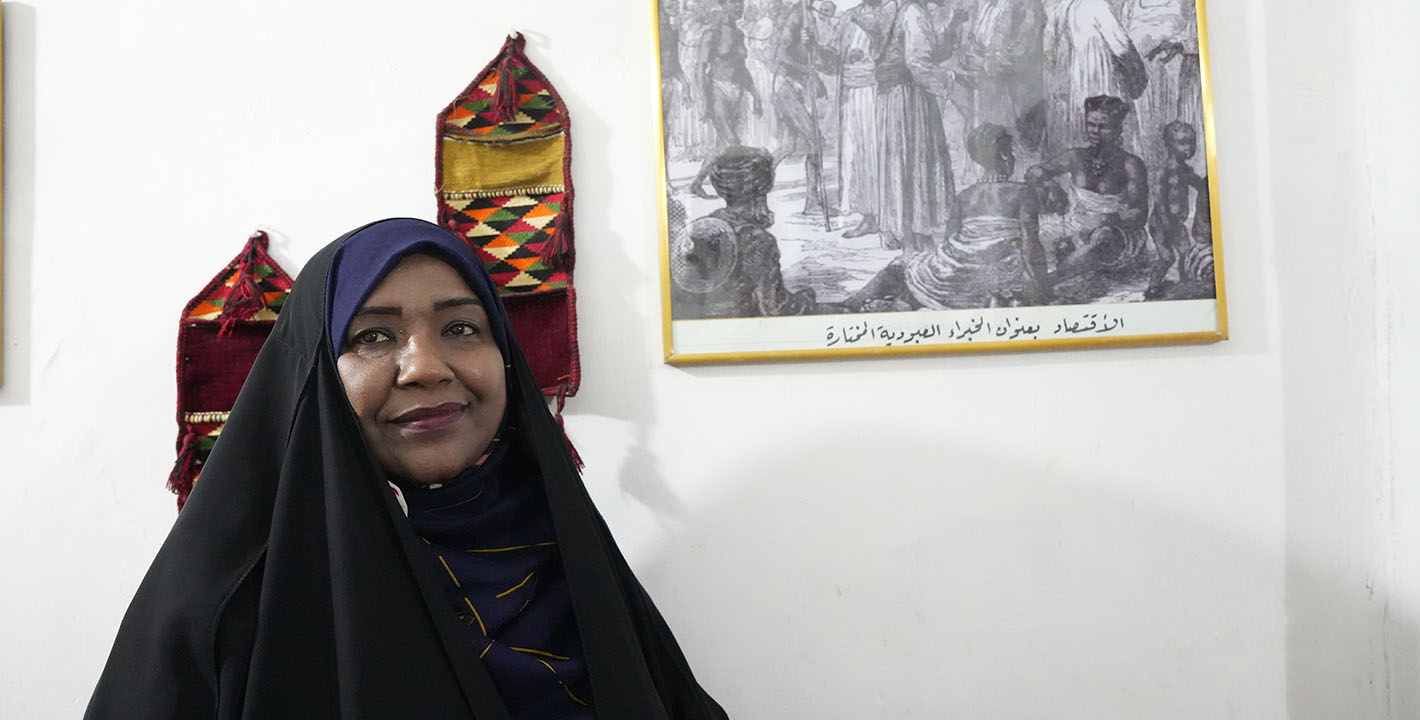
In Basra, an ethnoracial minority wages a constant struggle to assert itself in the face of marginalization.

Zeinab Shuker