

Article
In this moment of geopolitical fluidity, Türkiye and Iraq have been drawn to each other. Economic and security agreements can help solidify the relationship.
Derya Göçer, Meliha Altunışık

REQUIRED IMAGE
Over the past five years, the intelligence assessments and official warnings on Iraq's weapons capability followed a bell curve. From 1998 to 2001, they expressed a fairly low-level of concern about Iraqi programs. They rose dramatically in 2002, however, peaking in warnings about Iraq's weapons of mass destruction program in 2003 at the start of the war, and then declined in the weeks and months after the war to lowered expectations about the size of the arsenals and fairly low-level concern about the use or transfer of these weapons or capabilities.
There seems to have been two trends during this period. One, as former State Department intelligence analyst Greg Theilman has recently pointed out, is that public statements by senior administration officials went significantly beyond the consensus intelligence estimates at the time. Many of the caveats and conditionality of the intelligence assessments were dropped in the public statements. Administration officials often went significantly beyond the contemporary intelligence assessments now available in declassified form.
But a second process was also underway: the transformation of the assessments themselves. Examining the unclassified portions of the biannual intelligence assessments provided by the intelligence agencies to the Congress, we find that from 1998 to 2001, the consensus of the intelligence agency was:
1. Most of Iraq's chemical, biological, nuclear and long-range missile capability
had been destroyed by and during the 1991 Gulf War, U.N. inspections and subsequent
military actions.
2. There was no hard evidence that any chemical or biological weapons remained
in Iraq, but there were some concerns about renewed production.
3. As Iraq rebuilt some of the equipment for civilian use, it could also be
used to manufacture chemical or biological weapons.
4. An inspections regime was necessary to determine the status of these programs.
In 2002, these assessments changed dramatically, but apparently not because of any new evidence. Secretary of Defense Donald Rumsfeld on July 11 told Congress, "The coalition did not act in Iraq because we had discovered dramatic new evidence of Iraq's pursuit of weapons of mass destruction. We acted because we saw the evidence in a dramatic new light, through the prism of our experience of 9/11." This is a stunning statement. If Secretary Rumsfeld had said this before the war, there might have been a very different debate and possibly a very different congressional vote about going to war. Instead, administration officials gave the impression, and often said, that they had new evidence. They repeatedly cited very specific locations where they said weapons were hidden in Iraq and expressed their certain knowledge that Saddam Hussein had operational ties to al Qaeda, had hundreds of tons of chemical and biological weapons, dozens of Scud missiles, a growing fleet of UAVs that could strike America, and soon could have a nuclear bomb. They often used phrases such as "absolute certainty," "leaves no doubt" and "absolutely."
This expressed certainty continued during the war. For example, when questioned by ABC News's George Stephanopolous on March 30 as to why US forces had not found any weapons in the first few weeks of the war, Secretary Rumsfeld himself said "It happens not to be the area where weapons of mass destruction were dispersed. We know where they are. They're in the area around Tikrit and Baghdad and east, west, south and north somewhat." That statement seemed to been based on new evidence since it is not supported by any of the publicly available intelligence reports.
On the contrary, the estimate of the Defense Intelligence Agency in September 2002, now partially declassified, was that here was no hard of any of these weapons existing. The agencies had repeatedly said that a new inspection regime was necessary to find out if these weapons were actually there. The reference to the inspection regime was also dropped in 2002.
It now appears that, lacking any hard evidence on Iraqi programs, senior officials developed an outline of a threat picture and then accumulated bits and pieces of information to fill in their picture. As National Security Advisor Condoleezza Rice explained to George Stephanopoulos on June 8, the White House did not have one single assessment but rather formed a "judgment." The judgment was "not about a data point here or a data point there, but about what Saddam Hussein was doing, that he had weapons of mass destruction. That was the judgment." This, she said, was a picture that they developed when they "connected a lot of dots from multiple sources."
Former British Foreign Secretary Robin Cook said of a similar methodology in the United Kingdom, "I think it would be fair to say that there was a selection of evidence to support a conclusion. I fear we got into a position in which the intelligence was not being used to shape and inform policy but to shape policy that was already settled."
The current storm in Washington is about much more than 16 words in one speech. It goes to the heart of the nation's credibility. Having been deeply politicized, the intelligence assessment process is now broken. Neither policy-makers nor the public can depend on government intelligence assessments until there is renewed confidence that they cannot be twisted by whichever party happens to hold the White House. The most direct rout to restore public and global confidence and to restore the honor and the integrity of the intelligence community is for Congress to conduct a full and fair investigation into the Iraqi intelligence assessments.
------------------------------------------------
This analysis is based on comments made at a press conference sponsored by the Arms Control Association on July 11. A full transcript of the conference is available at www.armscontrol.org.
For more on the Iraqi WMD intelligence issue, click here.
Click here to return to Proliferation News
Carnegie does not take institutional positions on public policy issues; the views represented herein are those of the author(s) and do not necessarily reflect the views of Carnegie, its staff, or its trustees.

In this moment of geopolitical fluidity, Türkiye and Iraq have been drawn to each other. Economic and security agreements can help solidify the relationship.


Derya Göçer, Meliha Altunışık
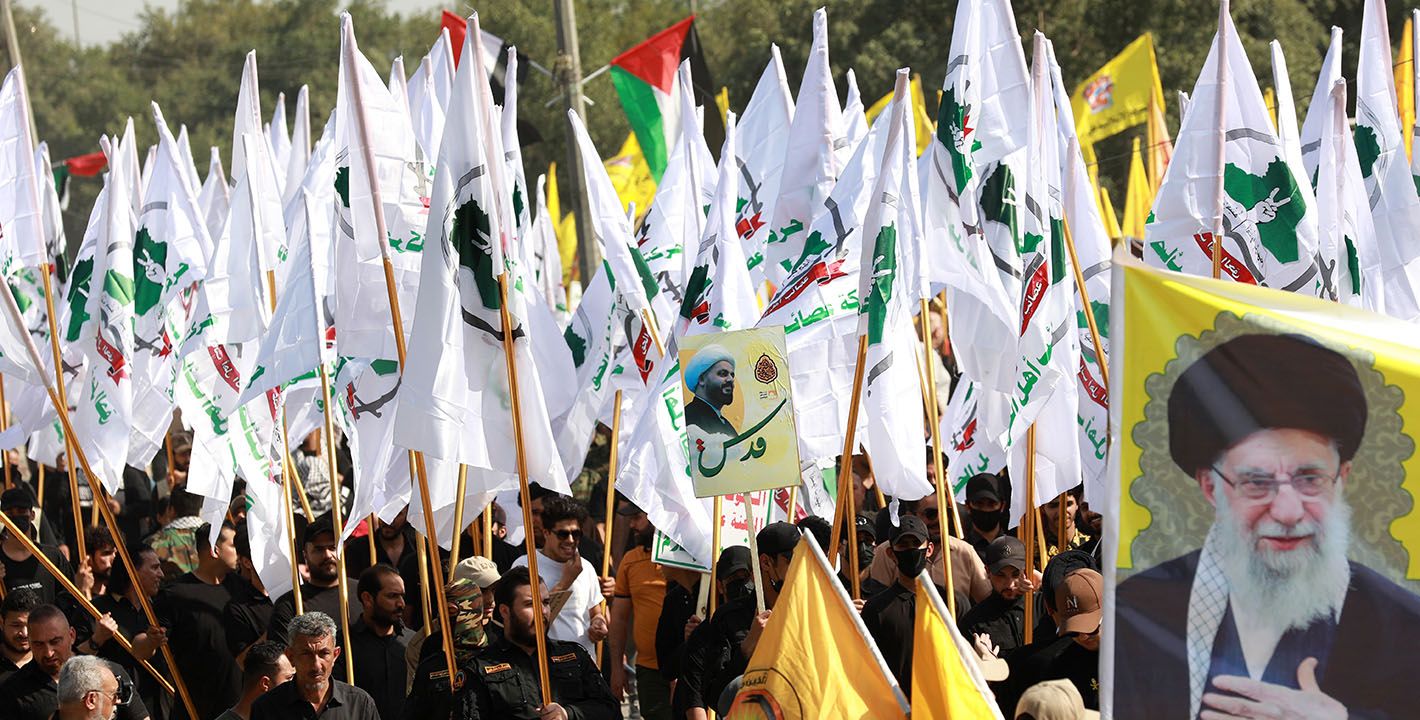
Beirut and Baghdad are both watching how the other seeks to give the state a monopoly of weapons.
Hasan Hamra
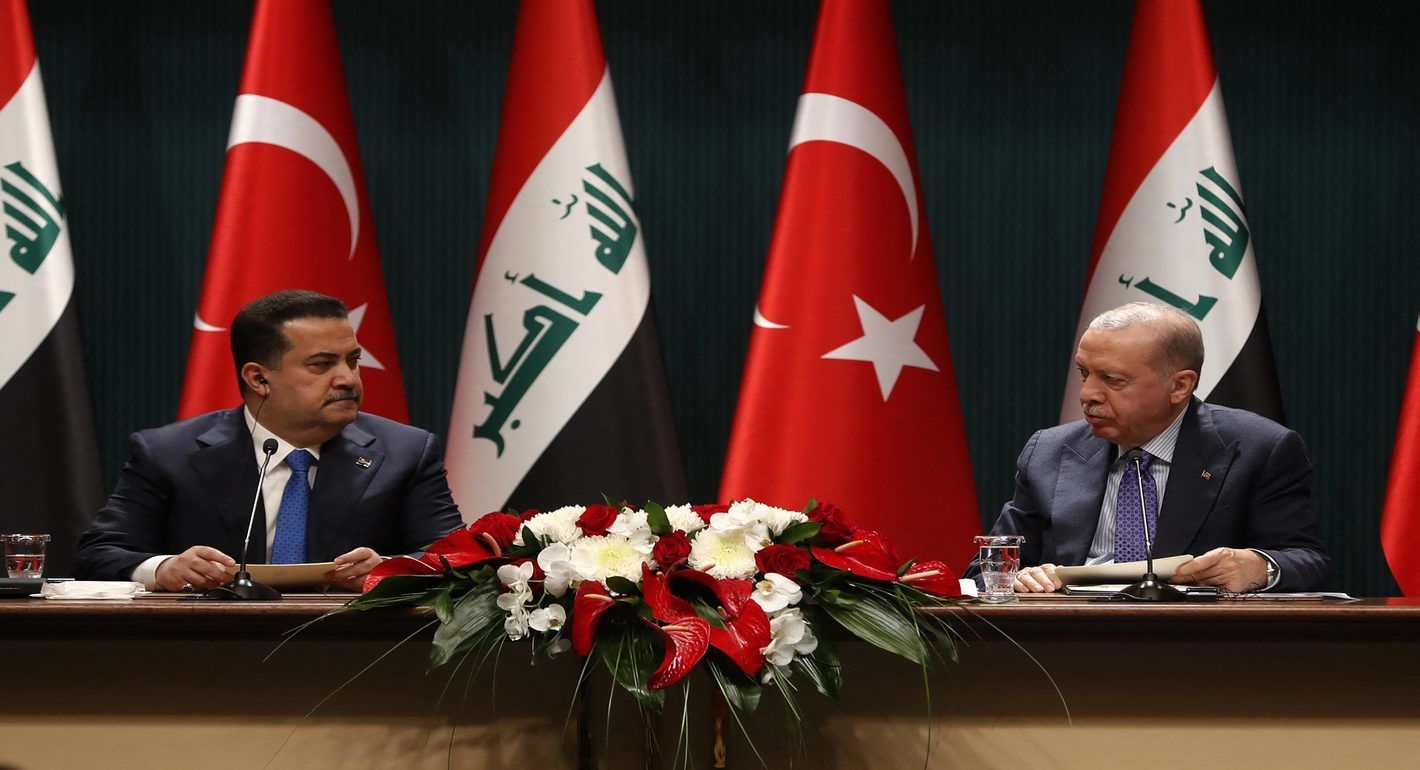
Iraq’s foreign policy is being shaped by its own internal battles—fractured elites, competing militias, and a state struggling to speak with one voice. The article asks: How do these divisions affect Iraq’s ability to balance between the U.S. and Iran? Can Baghdad use its “good neighbor” approach to reduce regional tensions? And what will it take for Iraq to turn regional investments into real stability at home? It explores potential solutions, including strengthening state institutions, curbing rogue militias, improving governance, and using regional partnerships to address core economic and security weaknesses so Iraq can finally build a unified and sustainable foreign policy.
Mike Fleet
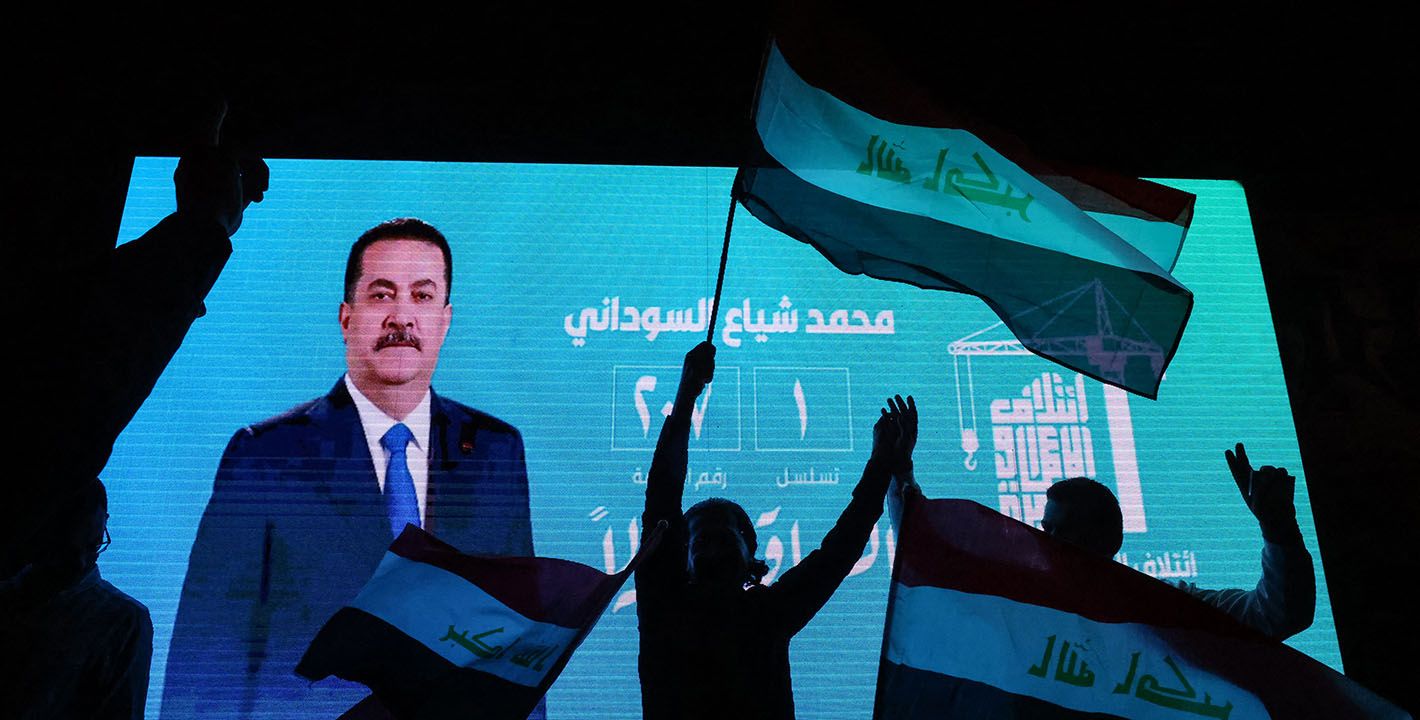
In an interview, Shahla al-Kli discusses the country’s parliamentary elections and what they reveal.
Rayyan Al-Shawaf
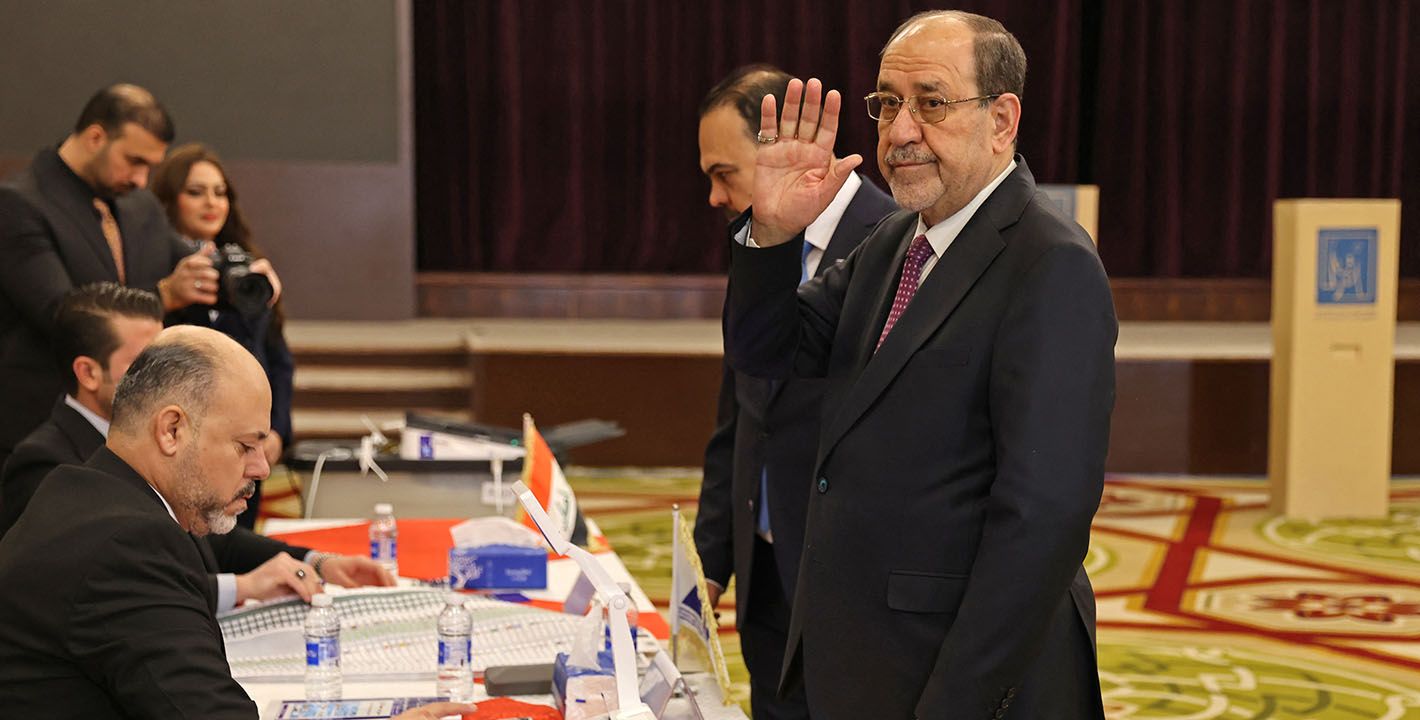
Recent election results have placed Nouri al-Maliki in a strong position to name the next prime minister.
Wladimir van Wilgenburg