

Commentary
It should address the shortcomings of previous crisis communication efforts and adapt to the demands of frontier AI.
Lucy Luo

Trenin and Malashenko examine the implications of the war with Chechnya for Russia's post-Soviet evolution. Considering Chechnya's impact on Russia's military, domestic politics, foreign policy, and ethnic relations, the authors contend that the Chechen factor must be addressed before Russia can continue its development.
Source: Washington

In Russia's Restless Frontier, Dmitri Trenin and Aleksei Malashenko examine the implications of the war with Chechnya for Russia's post-Soviet evolution. Considering Chechnya's impact on Russia's military, domestic politics, foreign policy, and ethnic relations, the authors contend that the Chechen factor must be addressed before Russia can continue its development.
Topics Covered:
• Background of Conflict
• Separatist Opposition
• Governance Difficulties
• Russian Mass Media
• Public Conscience
• Islamic Factor
• Russian Military
• Regional Conflict
• International Ramifications
About the Authors
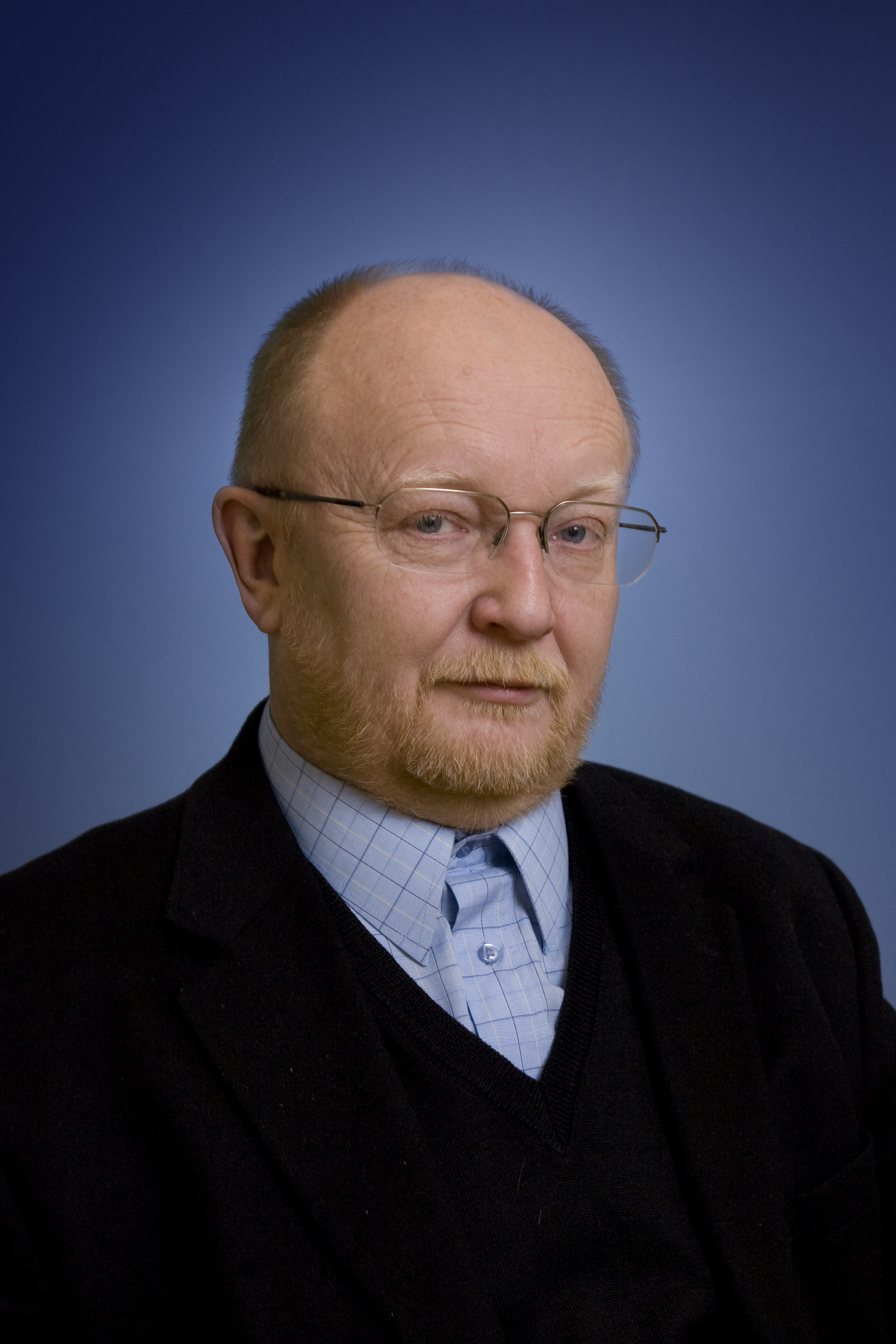
Dmitri Trenin is deputy director of the Carnegie Moscow Center, where he specializes in foreign and security policy. He is the author of The End of Eurasia: Russia on the Border Between Geopolitics and Globalization and coeditor of Ambivalent Neighbors: The EU, NATO and the Price of Membership.
Aleksei Malashenko is codirector of the Carnegie Moscow Center's Ethnicity and Nation-Building Project. He is also a professor at the Moscow Institute for International Relations and former head of Islamic Studies at the Oriental Institute of the Russian Academy of Science.
Anatol Lieven is senior associate at the Carnegie Endowment. A journalist, writer, and historian, Lieven writes on a range of security and international affairs issues. Previously, he was editor of Strategic Comments, published by the International Institute for Strategic Studies (IISS) in London.
"...a book different from any other on Chechnya…careful, balanced, nuanced, and analytically objective…. The book, in its original Russian, was badly needed by a Russian public burdened with simple and highly biased notions of the war. This updated version in English will convey to a larger audience the complex ramifications of these wars and create a heightened sesne of the stakes, as Russia, after Beslan, enters a new and more tragic phase of its struggle in Chechnya."
—Foreign Affairs
"Trenin and Malashenko offer the most comprehensive and detached analysis yet available of the meaning of the war in Chechnya for Russia's political development, security concerns, and relations with the rest of the world. It is a very important book."
—Lt. General William E. Odom, U.S. Army (Ret.)
"Dmitri Trenin and Alexei Malashenko believe that the tragic mishandling of Chechnya could put Russia's other post-Soviet achievements at risk. This is a bold, brave and persuasive argument that deserves the widest possible hearing."
—Steven Sestanovich, Council on Foreign Relations and former Ambassador at Large for the New Independent States
Former Director, Carnegie Moscow Center
Trenin was director of the Carnegie Moscow Center from 2008 to early 2022.
Former Scholar in Residence, Religion, Society, and Security Program
Malashenko is a former chair of the Carnegie Moscow Center’s Religion, Society, and Security Program.
Carnegie does not take institutional positions on public policy issues; the views represented herein are those of the author(s) and do not necessarily reflect the views of Carnegie, its staff, or its trustees.
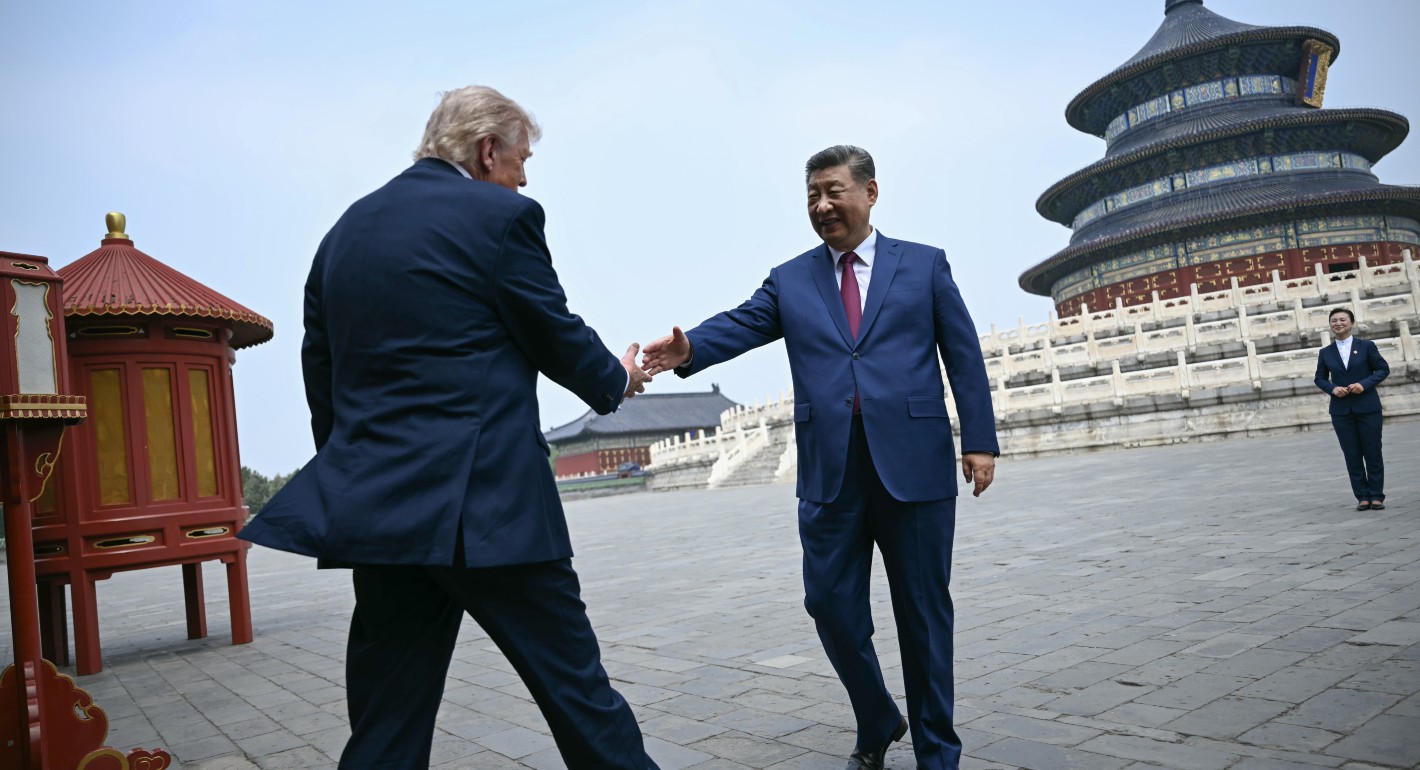
It should address the shortcomings of previous crisis communication efforts and adapt to the demands of frontier AI.

Lucy Luo
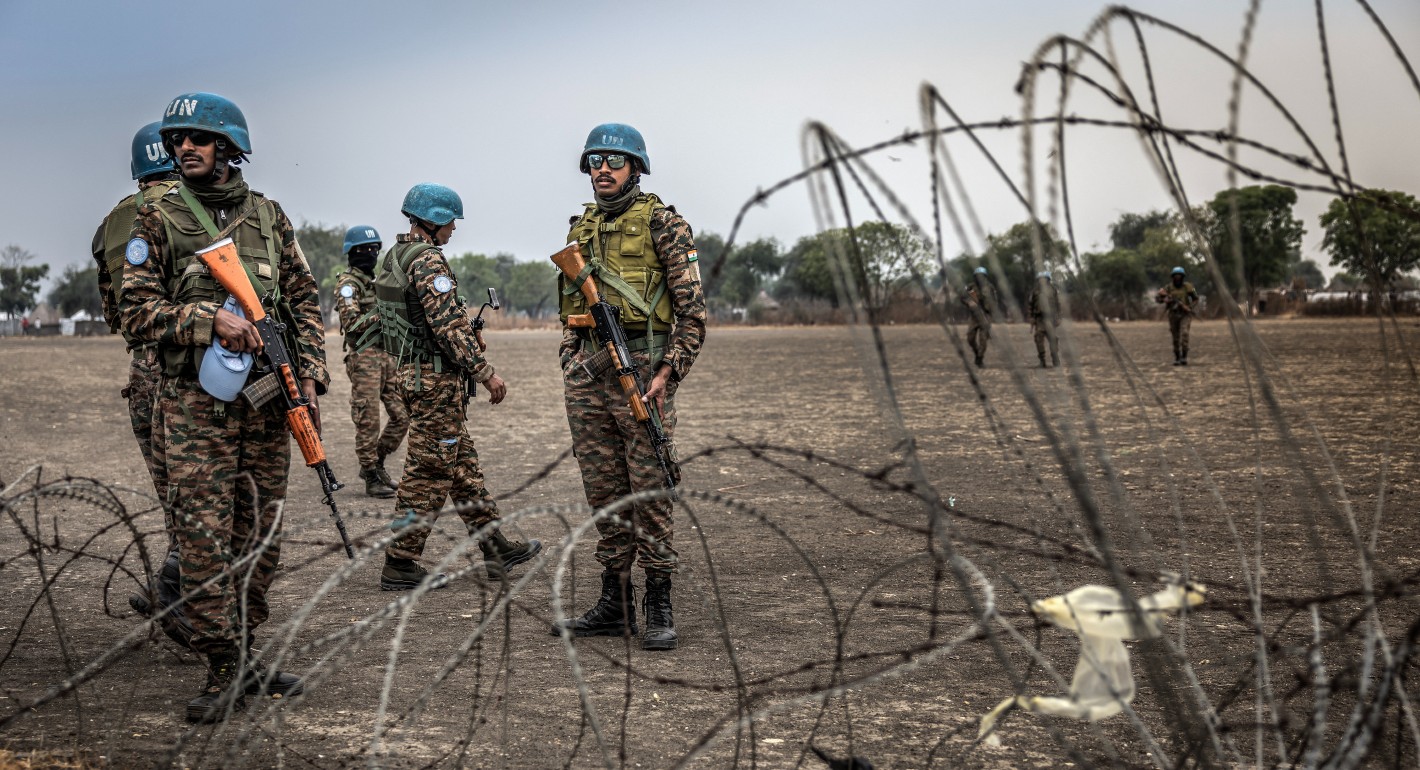
Washington’s decision to support some UN functions while letting others wither is pulling the organization apart at the seams.

Stewart Patrick, Theodore Zaritsky

Are Germany’s economic, industrial, and political struggles becoming a liability for the EU’s ability to rise to the geopolitical moment?

Rym Momtaz, ed.

Russia’s ruling party would have benefited from Putin appearing as its distant patron, but as an active frontman imposing his views on the public, he has done nothing but harm both the party’s election campaign and the ruling system overall.

Andrey Pertsev

China’s police training infrastructure construction projects provide benefits to recipient countries, promote China’s image as a major global security provider, and are likely to reinforce alignment between Beijing’s security priorities and those of countries in the Global South.


Cameron Waltz, Sheena Chestnut Greitens, Kim Nguyen, …