

Commentary
As the U.S.-led Coalition withdraws, the Kurds’ reliance on Baghdad, and on themselves, will only increase.
Wladimir van Wilgenburg

REQUIRED IMAGE
The “Agreement on Political Process” signed on November 15 by Ambassador L. Paul Bremer III for the Coalition Provisional Authority (CPA) and by Jalal Talabani for the Iraqi Governing Council (IGC) provides a much needed and long overdue roadmap for the restoration of sovereignty to an Iraqi government. Unfortunately, the agreement contains numerous clauses that will make implementation quite difficult. A two-stage process is the only approach that can lead to Iraqi sovereignty reasonably soon. As designed, however, the process contains several contradictions and an impossible timetable.
The following analysis by Carnegie Senior Associate Marina Ottaway first appeared in the November 2003 edition of the Arab Reform Bulletin. We highly recommend this new publication and this new issue in particular, with its critical insights into the developing political positions of the key ethnic groups in Iraq.
The “Agreement on Political Process” signed on November 15 by Ambassador
L. Paul Bremer III for the Coalition Provisional Authority (CPA) and by Jalal
Talabani for the Iraqi Governing Council (IGC) provides a much needed and long
overdue roadmap for the restoration of sovereignty to an Iraqi government. Unfortunately,
the agreement contains numerous clauses that will make implementation quite
difficult. [To read more about the plan, click
here.]
The agreement calls for a two-stage process of transition. The first stage will be the formation of a transitional government. It will include the writing of an interim “Fundamental Law,” followed by the formation of a Transitional National Assembly and of an interim government to which the CPA will transfer sovereignty before dissolving itself by the end of June 2004. The second stage will be the formation of a permanent political system. It will include the election of a constitutional convention which will write and approve a permanent constitution, a nationwide consultation process on that constitution, followed by a popular referendum, and finally elections for the new Iraqi government. The second stage will be crowded into a nine-month period between March and December 2005.
A two-stage process is the only approach that can lead to Iraqi sovereignty reasonably soon. As designed, however, the process contains several contradictions and an impossible timetable.
• Some of the principles to be included in the Fundamental Law have far-reaching implications, which apparently have not been taken into consideration. One is the principle of equal rights for all Iraqis, regardless of gender. This principle will either remain a meaningless rhetorical statement or it will require the immediate revision of much personal status and family legislation, a major controversial undertaking that should not be attempted by a transitional body. Also problematic is the principle that the component units of the federal system will include the governorates. This may develop into a major sticking point with the Kurds, who insist that a federal system should include a special Kurdish state with considerable autonomy, not just ordinary governorates with a large Kurdish population.
• The method chosen to form the Transitional National Assembly will establish a precedent for a system of confessional representation. The Transitional Assembly will be comprised of representatives of each of Iraq 's eighteen governorates. These representatives will not be elected, but selected under the supervision of the CPA by a “governorate selection caucus” of notables, in a process similar to the one used to form local government councils. Because the participants will not be elected, representation in the caucuses and, thus in the assembly, will be based not on an electoral mandate but on the inclusion of notables from all religious, ethnic and tribal groups. This will help give the process legitimacy, but will also embed the idea of confessional representation, with lasting consequences.
• The 2005 calendar does not allow sufficient time to discuss the constitution, either within the constituent assembly or among Iraqi citizens at large. This is paradoxical, because one of the reasons behind the adoption of a two-stage process was the IGC's conclusion that it would take at least a year to write the constitution. The elected constituent assembly will only have a few months to work if the timetable is to be respected. Inevitably, the consultation process with the Iraqi public will also be very short. The likely outcome of this crowded timetable is a constitution written by experts, rather than negotiated among all political groups. This raises serious questions about whether such a constitution will prove viable or whether it will be disregarded, as Iraqi constitutions have been disregarded historically.
• Organizing an election for a constituent assembly, a referendum and a national election in nine months will tax to the limit the capacity of the Iraqi transitional government, the US government, and international elections technocrats.
• Finally, it is not clear at which point in the transition plan there will be the time to carry out a census of the population, a lengthy and difficult exercise that must precede the election of a constituent assembly in March 2005.
Click here for the complete November edition of the Arab Reform Bulletin
Carnegie does not take institutional positions on public policy issues; the views represented herein are those of the author(s) and do not necessarily reflect the views of Carnegie, its staff, or its trustees.
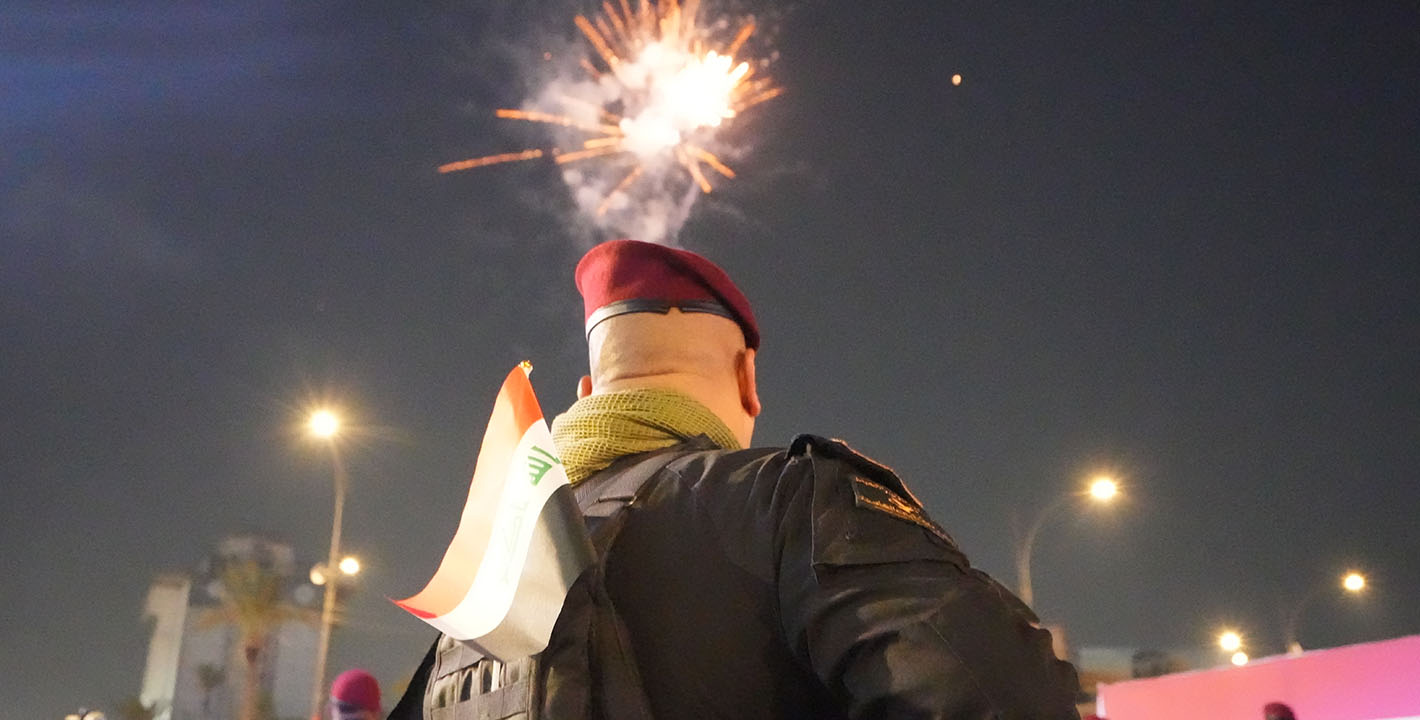
As the U.S.-led Coalition withdraws, the Kurds’ reliance on Baghdad, and on themselves, will only increase.
Wladimir van Wilgenburg
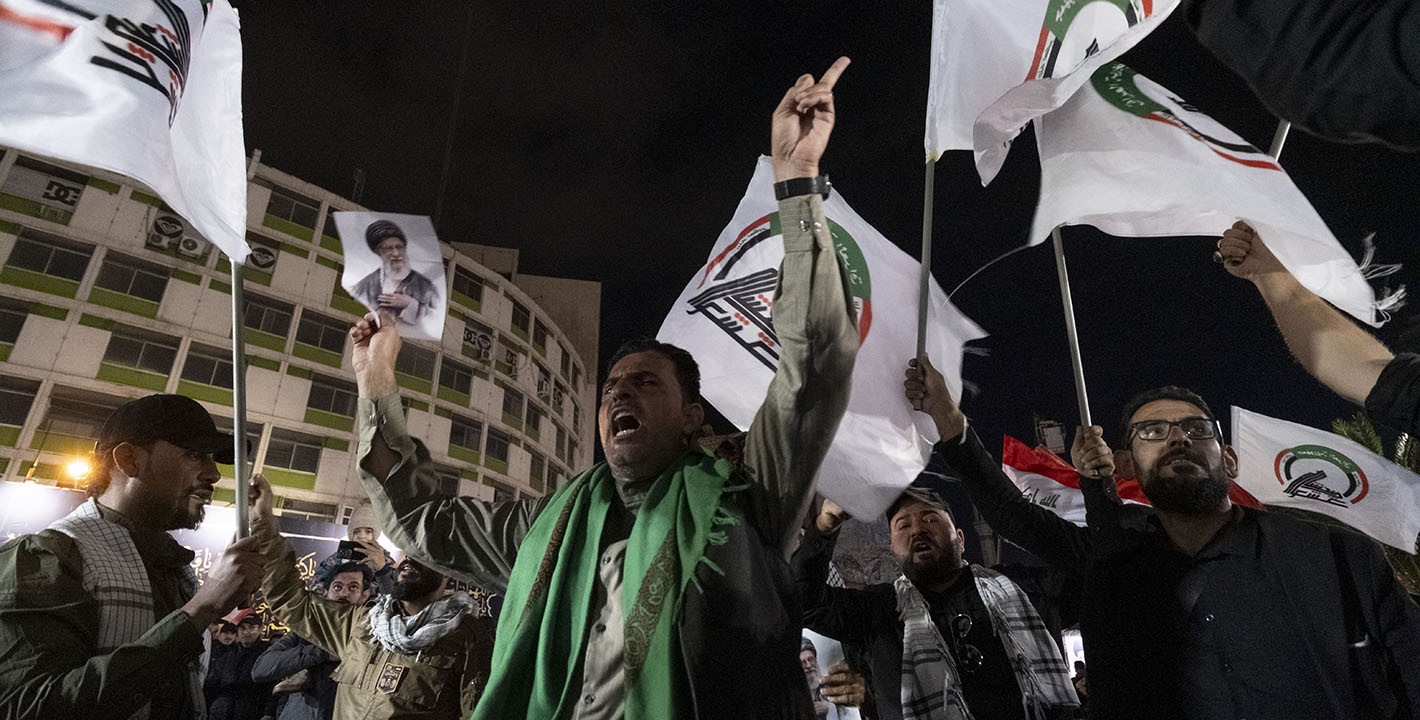
The Zaidi government’s objective to collect weapons is constrained by regional conflict, but it can take certain measures at home.
Ali Al-Mawlawi

The books, podcasts, and films that explain the world it made.

Andrew Leber
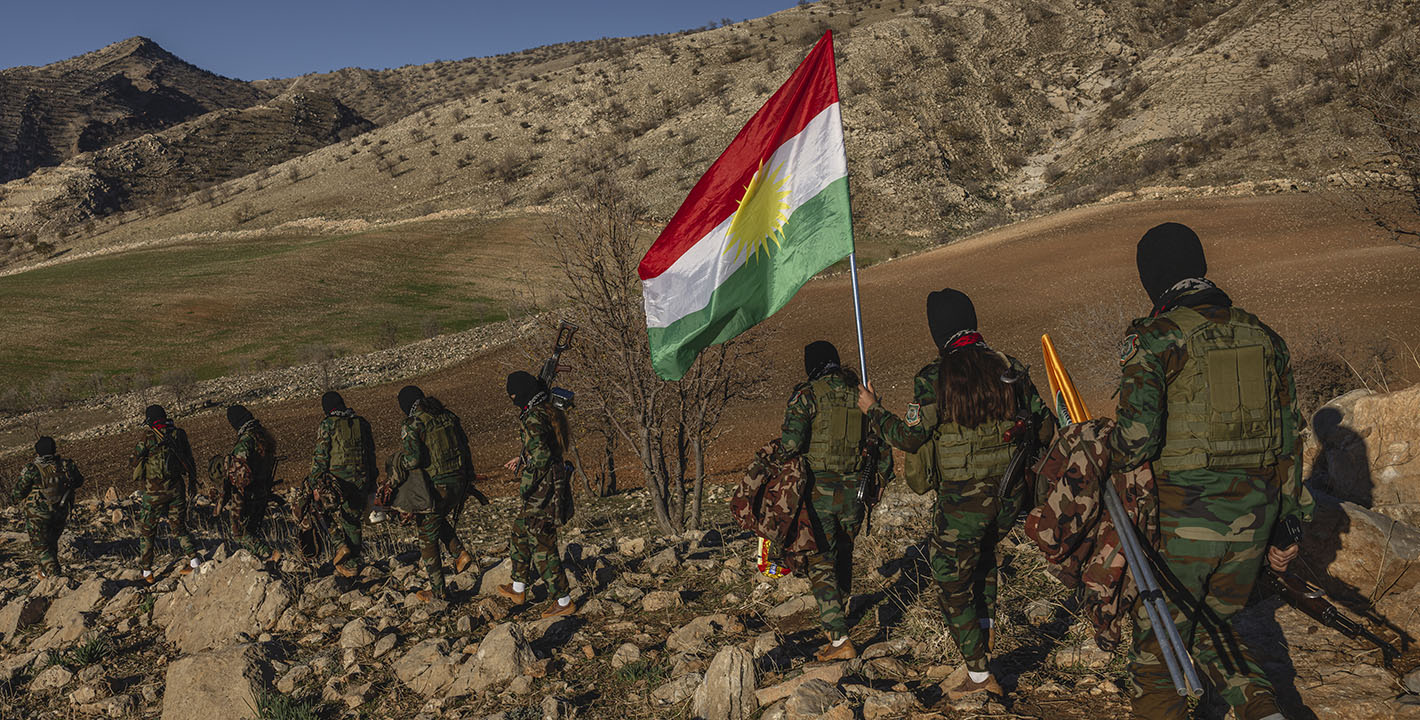
Following its deal with the United States, Iran may act against Iraq-based dissidents.
Wladimir van Wilgenburg

This will be the region’s most representative tournament, amid broad changes in its footballing landscape.

Issam Kayssi