

Report
- +2
George Perkovich, Jessica Tuchman Mathews, Joseph Cirincione, …

REQUIRED IMAGE
The Global Threat Reduction Initiative is an important and overdue addition to US efforts to prevent terrorists from acquiring nuclear weapons, but should be pursued even more aggressively than the timeline laid out by the Department of Energy.
Secretary of Energy Spencer Abraham announced an important new plan in Vienna on May 26th that seeks to "secure, remove, or dispose" of global stocks of nuclear and radiological materials in close cooperation with Russia and the International Atomic Energy Agency. The goal of the Global Threat Reduction Initiative (GTRI) is to return weapons-usable nuclear material produced in Russia and the United States and exported to over 40 countries around the world back to the country of origin. The Secretary's announcement is a major step towards aggressively reducing the proliferation risk posed by weapons usable material in civilian applications. The plan, however, will take almost a decade to implement and may not prevent additional weapons-usable nuclear materials from being exported in the meantime.
Starting in the 1950s, the United States and the Soviet Union exported research reactors, fueled with uranium that can also be used to produce nuclear weapons, to dozens of countries. In 1978, the United States launched a program - the Reduced Enrichment for Research and Test Reactor (RERTR) Program - to convert these reactors to run on low enriched uranium that cannot be used to produce nuclear weapons. Over the years, the US and Soviet Union brought most of the fuel it had exported back to its own territory, but many tons of weapons-usable materials were left with reactor operators, posing a serious proliferation risk.
The Secretary's announcement calls for the US to spend up to $450 million dollars over the next decade to return US and Russian origin fuel back to its sources and convert all research reactors to run on LEU. The plan also includes an important commitment by the United States to convert all domestic research reactors to LEU by 2013. It is not clear why this last target would take 9 years since all currently operating US reactors could convert or shutdown in as few as three years. Moreover, while unirradiated Russian fuel could be shipped back to Russia by the end of next year, spent or used fuel produced in Russia would not be returned until the end of 2010. US origin material, likewise, would take 5 ½ years to return to the United States. Lastly, it is not clear if the new initiative includes a commitment by the United States or Russia not to export any new amounts of HEU for civilian purposes. Russia has been negotiating to provide a new German reactor with HEU, a deal that would appear to undercut the goals laid out by Secretary Abraham. The GTRI is an important and overdue addition to US efforts to prevent terrorists from acquiring nuclear weapons, but should be pursued even more aggressively than the timeline laid out by the Department of Energy.
Additional Resources:

Former Nonresident Scholar, Nuclear Policy Program
Jon Wolfsthal was a nonresident scholar with the Nuclear Policy Program.
Recent Work



George Perkovich, Jessica Tuchman Mathews, Joseph Cirincione, …
Jon Wolfsthal
Carnegie does not take institutional positions on public policy issues; the views represented herein are those of the author(s) and do not necessarily reflect the views of Carnegie, its staff, or its trustees.

The acknowledgment has sparked fears of a new arms race with China and Russia.

Chris O’Meara

Smaller powers cannot go it alone, but Canadian history shows that integration with the United States will not always be benign.
Paul Samson

The European Commissioner for Trade is headed to China. But after President Xi’s bridge-building visit to Washington, can a more isolated EU overcome Beijing’s stranglehold on critical raw materials? Who will blink first?

Rym Momtaz, ed.
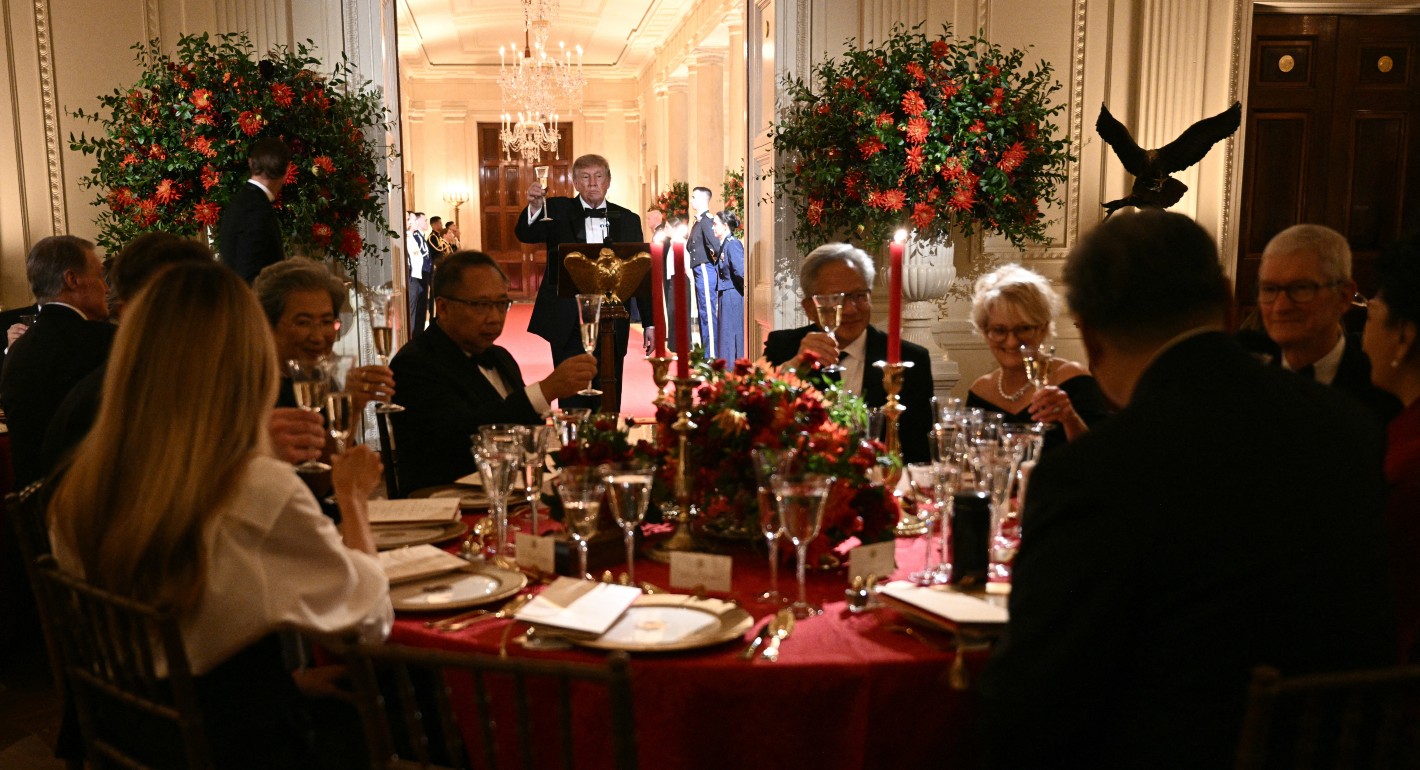
The summit may be remembered as a fatal blunder, when Washington, Beijing, and the AI industry collectively chose ceremony over action.

Jeffrey Prescott
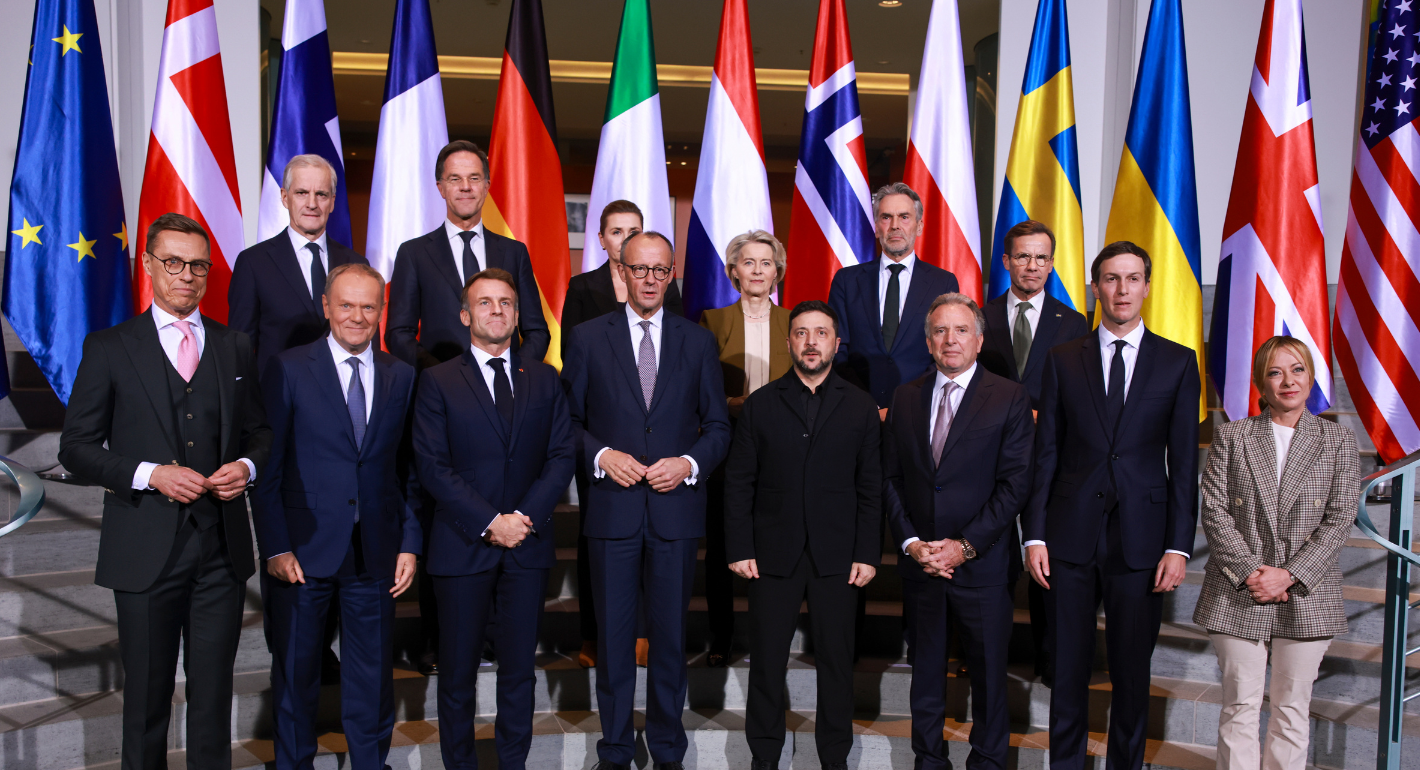
European NATO countries are wrestling with the possibility of U.S. disengagement from the alliance. With the continent’s security increasingly uncertain, governments must restore the credibility of their collective defense.



Hans-Dieter Lucas, Adam Thomson, Pierre Vimont