

Other
Michael D. Swaine
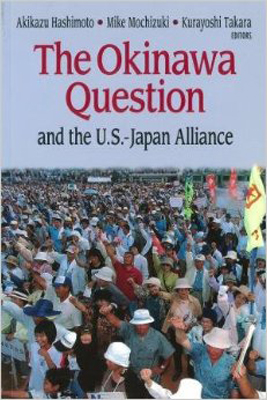
An examination of the broad context of U.S.-China relations, highlighting both the current strengthened foundation for cooperation that exists between the two countries and the continued presence of factors that could produce confrontation and even conflict in the future.
Source: The Okinawa Question and the U.S.-Japan Alliance
In his chapter in The Okinawa Question and the U.S.-Japan Alliance, Michael Swaine examines the broad context of U.S.-China relations, highlighting both the current strengthened foundation for cooperation that exists between the two countries and the continued presence of factors that could produce confrontation and even conflict in the future. In the latter area, the Taiwan problem is especially significant and thus receives particular attention. Dr. Swaine then examines in some detail the specific implications of the preceding analysis for Okinawa, focusing in particular on the potential Chinese threat to the island resulting from the presence of U.S. forces. The final section of the chapter discusses the options available to Okinawa to reduce the potential dangers to which it is exposed by its association with the U.S.-China relationship.
The Okinawa Question and the U.S.-Japan Alliance is available to order from the Sigur Center for Asian Studies at George Washington University.

Former Senior Fellow, Asia Program
Swaine was a senior fellow at the Carnegie Endowment for International Peace and one of the most prominent American analysts in Chinese security studies.
Recent Work
Michael D. Swaine
Michael D. Swaine
Carnegie does not take institutional positions on public policy issues; the views represented herein are those of the author(s) and do not necessarily reflect the views of Carnegie, its staff, or its trustees.

Chinese biotech companies have been on the receiving end of U.S. economic coercion. Yet their responses have differed significantly because firm and state interests are not uniformly aligned. For Washington, treating all Chinese tech firms the same, irrespective of their actual interests, risks pushing them farther into Beijing’s corner.

Xue Gong
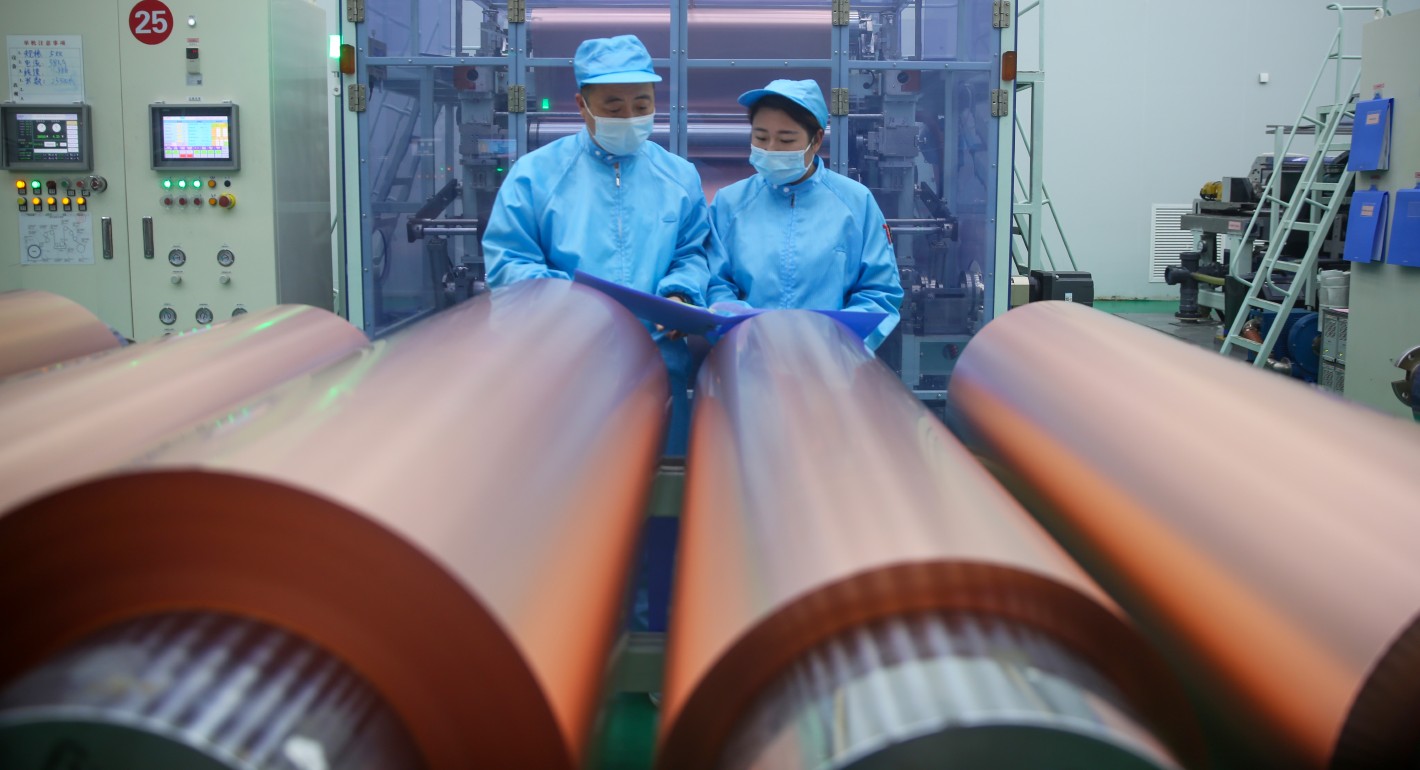
Over the past decade, China has moved from marginal player to major producer of all things batteries. The United States, Europe, and others are aiming to balance the market.

Milo McBride

Media coverage suggests Kyiv’s fortunes have changed. That shift may be important, but it only goes so far.



Dara Massicot, Aaron David Miller, Andrew S. Weiss
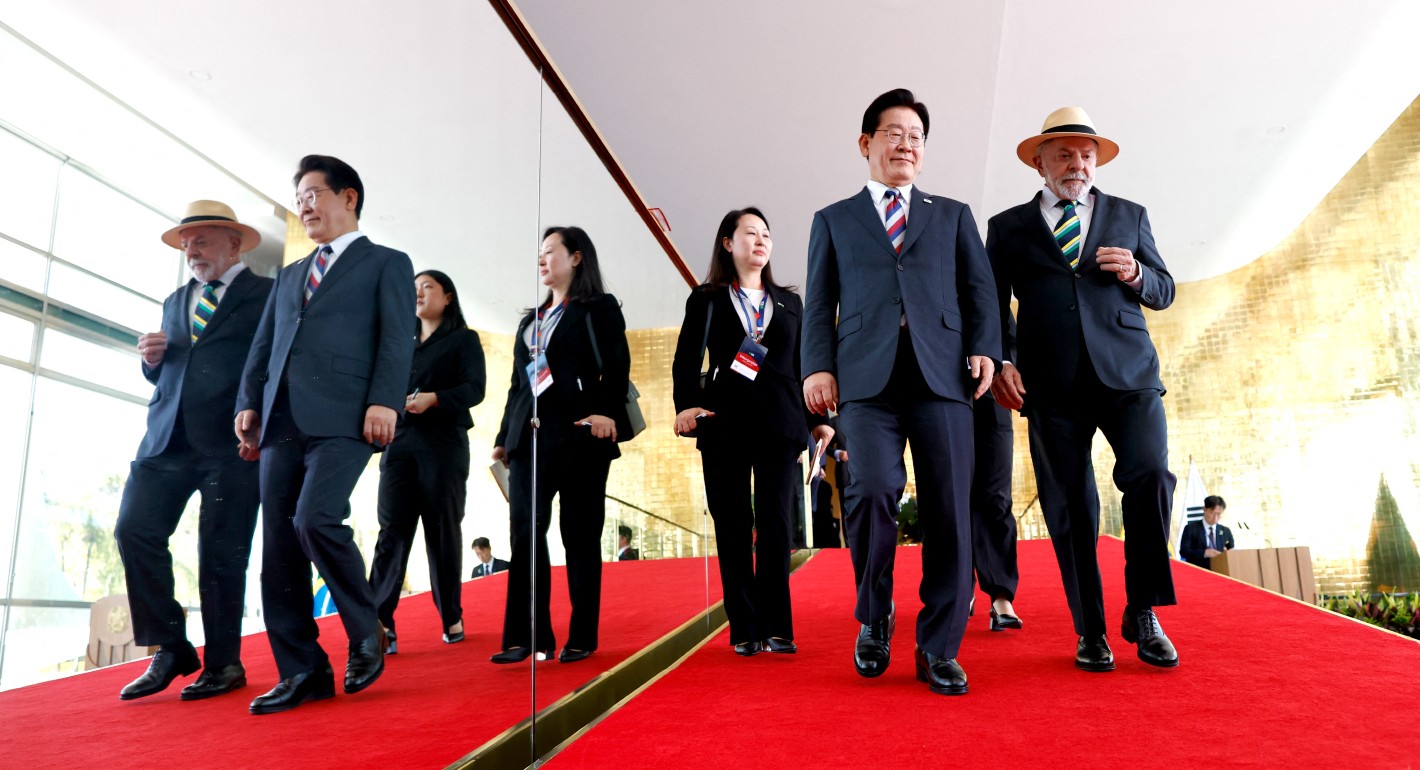
Lee’s tour shows how Seoul is reorganizing its diplomacy away from Pyongyang and toward industrial networks and the geography of the compute economy.

Darcie Draudt-Véjares
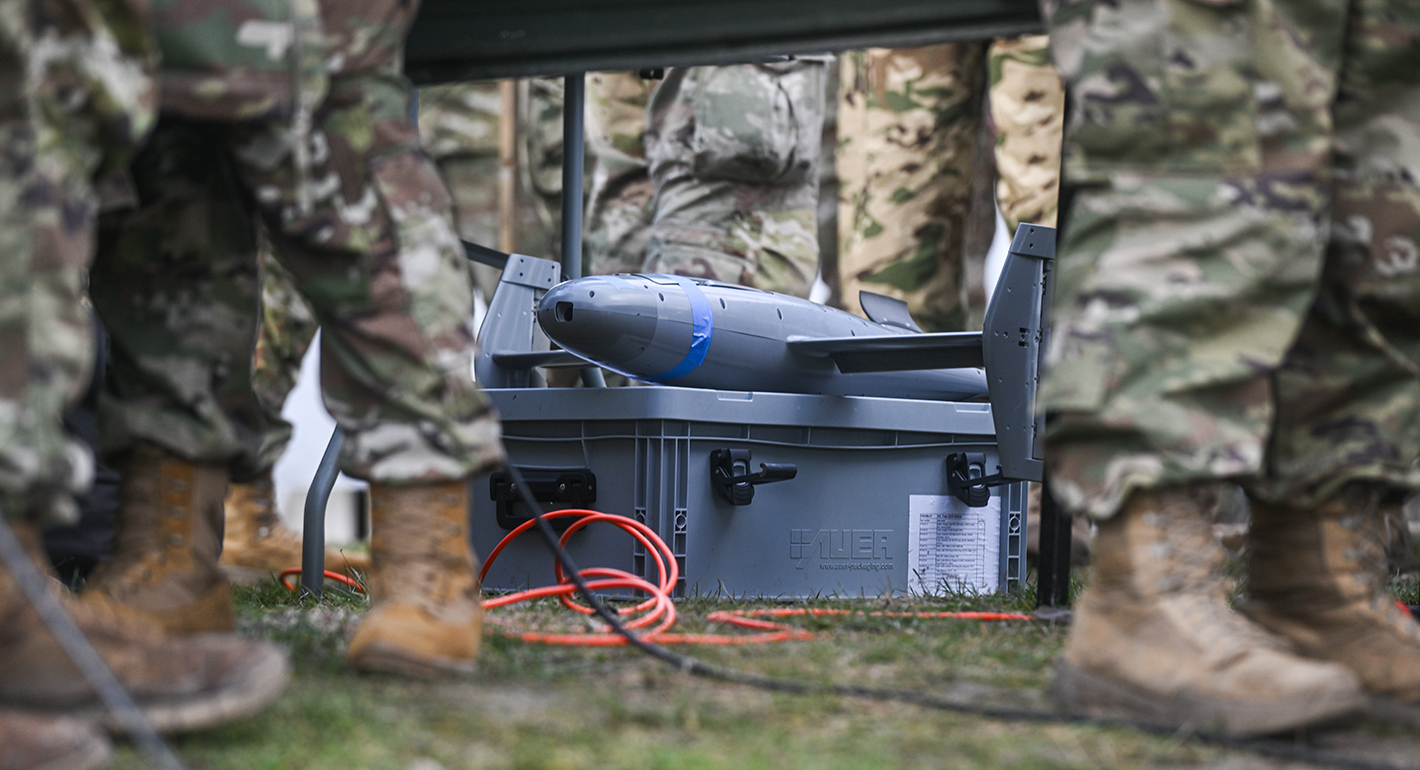
The Pentagon is calling for a rapid AI transformation. Autonomous drones offer a case study in the eight bottlenecks the U.S. military must navigate to realize that vision.
Jake Steckler