• Research
  • Emissary
  • About
  • Experts
Carnegie Global logoCarnegie lettermark logo
DemocracyIran
  • Donate
Managing Relations with the United States
Book

Managing Relations with the United States

Chen Shui-Bien focused excessively on electoral politics in Taiwan, allowing them to trump a careful consideration of the long-term strategic importance of its delicate relationship with the United States.

Link Copied
By Michael D. Swaine
Published on Jun 30, 2005
Program mobile hero image

Program

Asia

The Asia Program in Washington studies disruptive security, governance, and technological risks that threaten peace, growth, and opportunity in the Asia-Pacific region, including a focus on China, Japan, and the Korean peninsula.

Learn More

Source: EastBridge

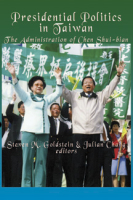
Michael Swaine focuses on Taiwan's relationship with the United States.  The Chen administration "traveresed the full spectrum of relations with the United States: from trusted democratic friend and quasi-ally with increasingly convergent views, to highly distrusted and disliked leader, viewed by Washington as potentially disruptive of some vital U.S. interests".  Swaine places the blame for this change squarely at Chen's door.  Electoral politics trumped a careful consideration of the long-term strategic importance of the delicate relationship with the United States.  Although the strains of the relationship were clear, in his second term Chen continued to "push the envelope" on the independence issue.  But, Swaine concludes, the general public, having been to the brink of exacerbated relations with the United States and potential conflict with the Mainland, may become increasingly attracted to a middle course of pragmatism in cross-Strait relations. 

This book is available from EastBridge. 
To order the book from EastBridge, please
click here.

About the Author

Michael D. Swaine

Former Senior Fellow, Asia Program

Swaine was a senior fellow at the Carnegie Endowment for International Peace and one of the most prominent American analysts in Chinese security studies.

    Recent Work

  • Other
    What Kind of Global Order Should Washington and Beijing Strive For?

      Michael D. Swaine

  • Commentary
    A Smarter U.S. Strategy for China in Four Steps

      Michael D. Swaine

Michael D. Swaine
Former Senior Fellow, Asia Program
Michael D. Swaine
East AsiaChinaTaiwan

Carnegie does not take institutional positions on public policy issues; the views represented herein are those of the author(s) and do not necessarily reflect the views of Carnegie, its staff, or its trustees.

More Work from Carnegie Endowment for International Peace

  • Trump walking toward Xi, both with arms extended to shake hands
    Commentary
    Emissary
    The U.S. and China Need an AI Hotline. Here’s How to Build It.

    It should address the shortcomings of previous crisis communication efforts and adapt to the demands of frontier AI.

      • Lucy Luo

      Lucy Luo

  • Research
    China’s Construction of Police Training Facilities in Global South Likely to Expand Global Security Leadership

    China’s police training infrastructure construction projects provide benefits to recipient countries, promote China’s image as a major global security provider, and are likely to reinforce alignment between Beijing’s security priorities and those of countries in the Global South.


      • Sheena Chestnut Greitens
      • +2

      Cameron Waltz, Sheena Chestnut Greitens, Kim Nguyen, …
  • Two men sitting on a stage and speaking
    Commentary
    Emissary
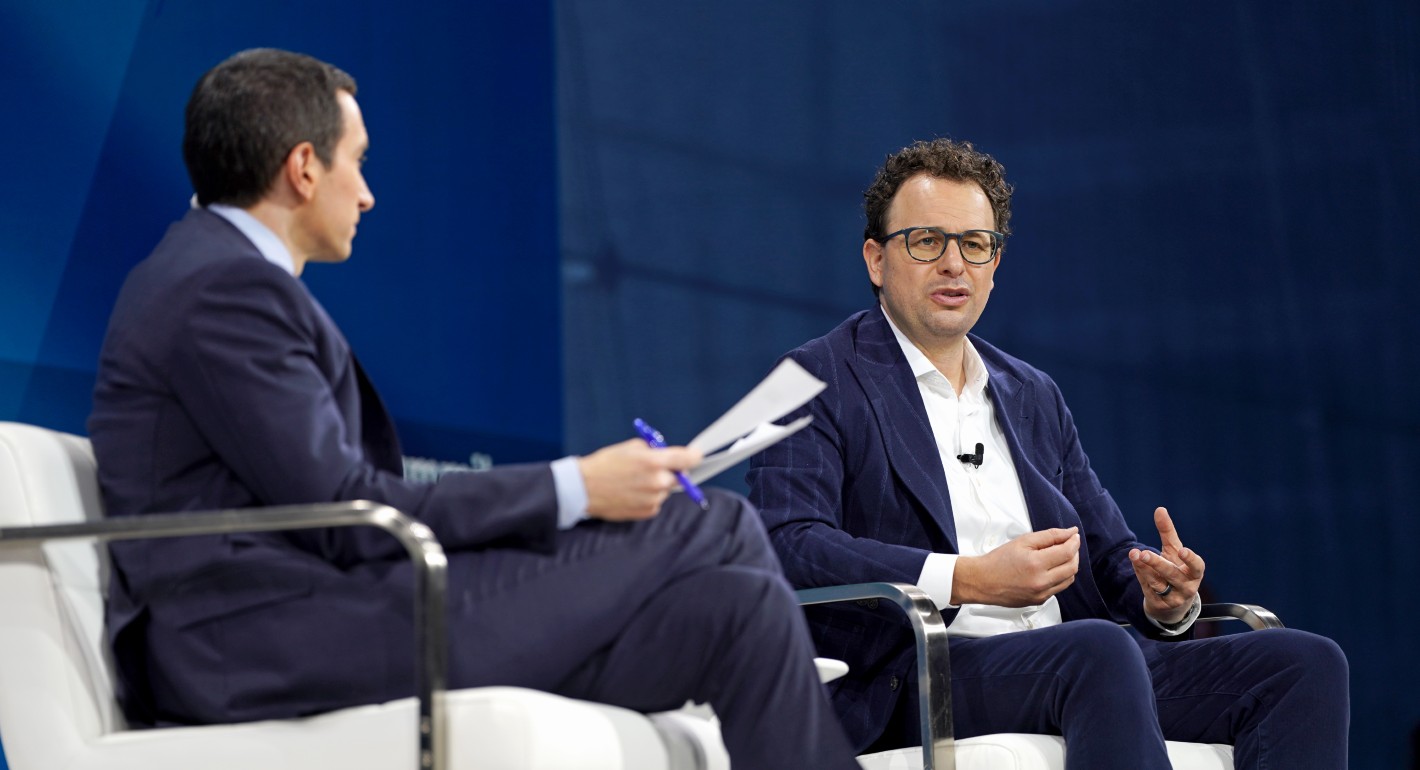
    What Would Need to Happen to Slow AI Development?

    AI capabilities are moving fast. Most institutions—including governments—can’t keep up.

      • Anton Leicht

      Anton Leicht, Scott Singer

  • Commentary
    Diwan
    On AI, Cairo Plays China and the U.S. Off Against Each Other

    Huawei pushed hard to enter the Egyptian data centers market, until the Americans made a better offer.

      • Angie Omar

      Angie Omar

  • Aerial view of shipping containers at a port
    Commentary
    Emissary
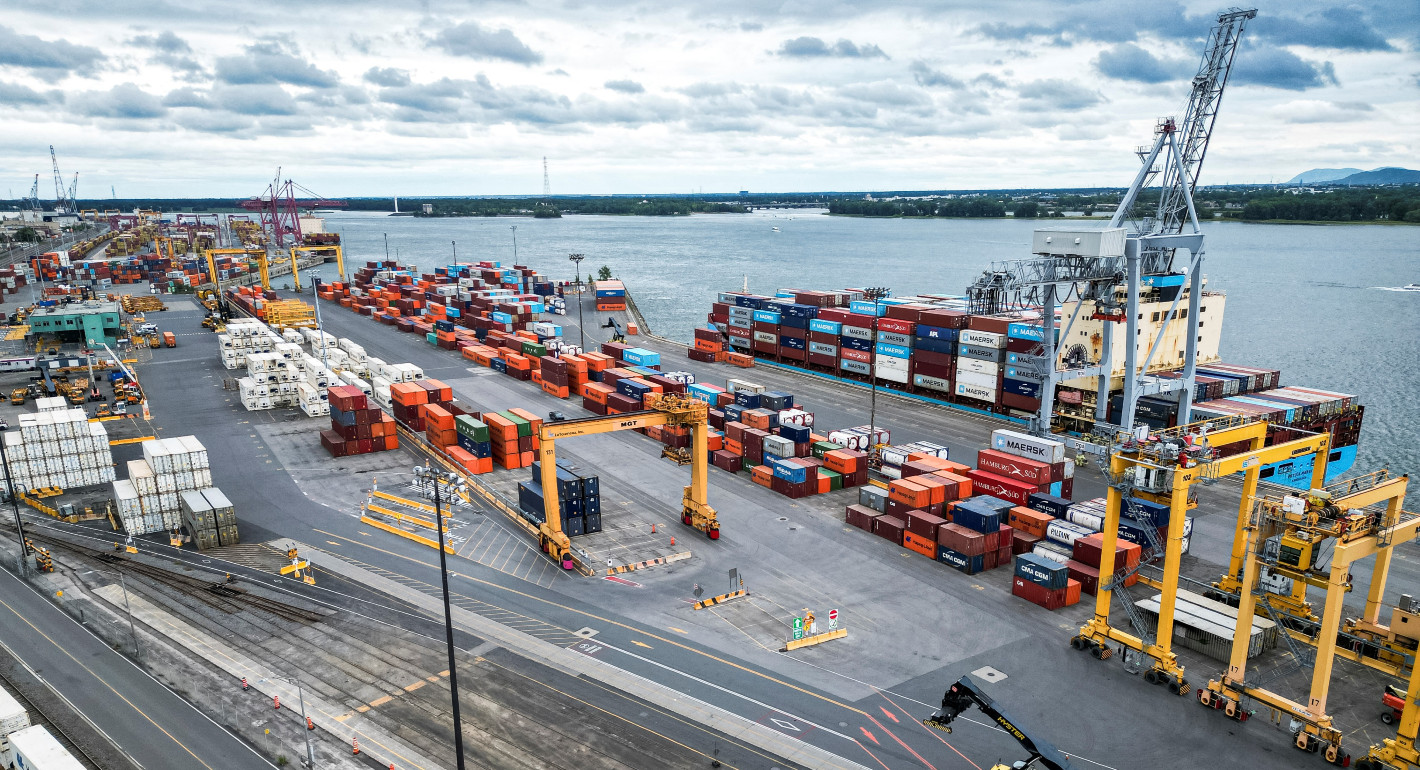
    The Fallout of the U.S.–Canada Trade War Won’t Be Limited to North America

    U.S. trading partners in Asia are closely watching the dispute for signs of how it may affect their own interests.
      • Barbara Weisel

      Barbara Weisel

Get more news and analysis from
Carnegie Endowment for International Peace
Carnegie global logo, stacked
1779 Massachusetts Avenue NWWashington, DC, 20036-2103Phone: 202 483 7600
  • Research
  • Emissary
  • About
  • Experts
  • Donate
  • Programs
  • Events
  • Blogs
  • Podcasts
  • Contact
  • Annual Reports
  • Careers
  • Privacy
  • For Media
  • Government Resources
Get more news and analysis from
Carnegie Endowment for International Peace
© 2026 Carnegie Endowment for International Peace. All rights reserved.