

In The Media
Minxin Pei
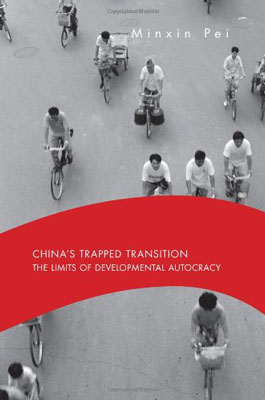
Minxin Pei examines the sustainability of the Chinese Communist Party's strategy of pro-market economic policies under one-party rule. China is trapped in partial economic and political reforms, and because the Communist Party must retain significant economic control to ensure its political survival, gradualism will ultimately fail.
Source: Harvard University Press

Pei casts doubt on three central explanations for why China's strategy works: sustained economic development will lead to political liberalization and democratization; gradualist economic transition is a strategy superior to the "shock therapy" prescribed for the former Soviet Union; and a neo-authoritarian developmental state is essential to economic take-off. Pei argues that because the Communist Party must retain significant economic control to ensure its political survival, gradualism will ultimately fail.
The lack of democratic reforms in China has led to pervasive corruption and a breakdown in political accountability. What has emerged is a decentralized predatory state in which local party bosses have effectively privatized the state's authority. Collusive corruption is widespread and governance is deteriorating. Instead of evolving toward a full market economy, China is trapped in partial economic and political reforms.
Combining powerful insights with empirical research, China's Trapped Transition offers a provocative assessment of China's future as a great power.
This book is available from Harvard University Press.
To order the book from HUP, please click here.
Minxin Pei is Senior Associate and Director of the China Program at the Carnegie Endowment for International Peace.

Former Adjunct Senior Associate, Asia Program
Pei is Tom and Margot Pritzker ‘72 Professor of Government and the director of the Keck Center for International and Strategic Studies at Claremont McKenna College.
Recent Work
Minxin Pei
Minxin Pei
Carnegie does not take institutional positions on public policy issues; the views represented herein are those of the author(s) and do not necessarily reflect the views of Carnegie, its staff, or its trustees.
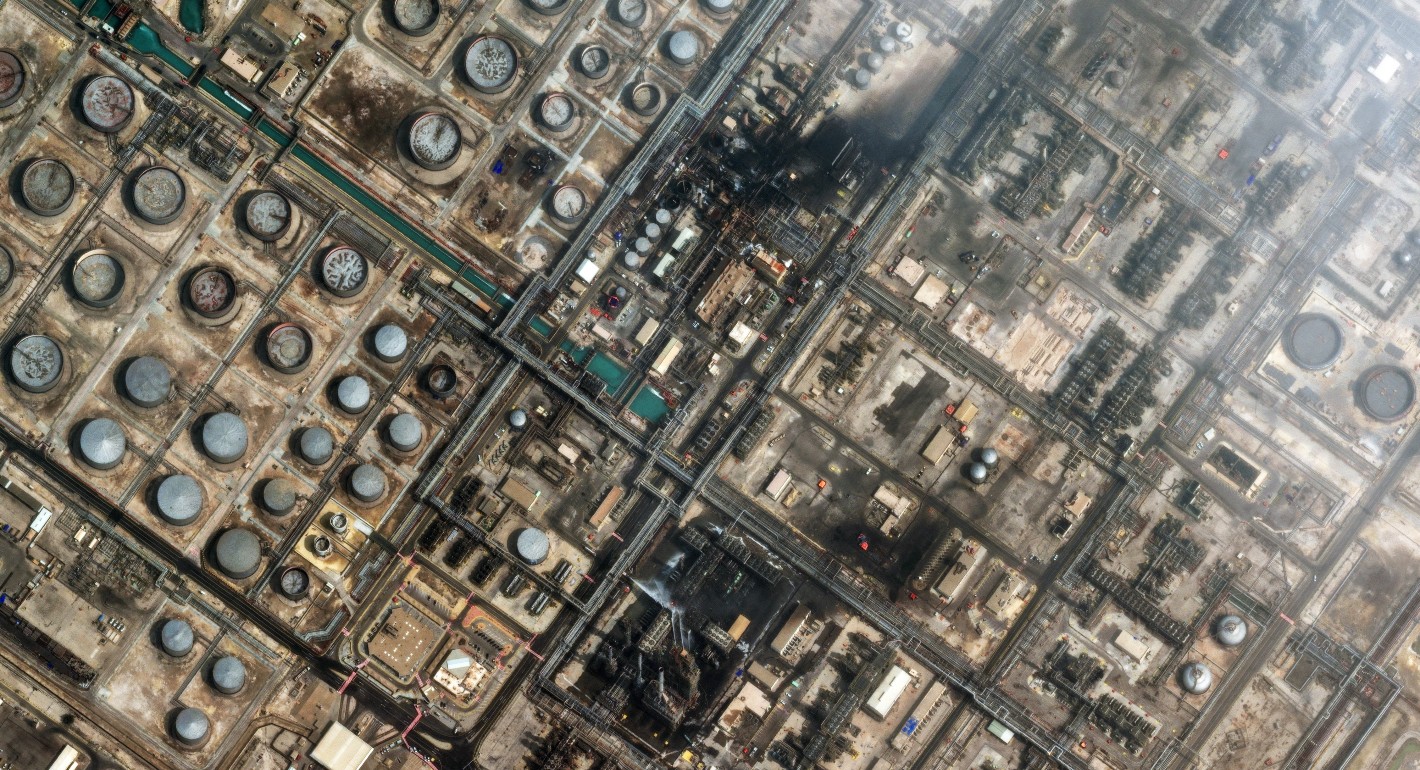
Tehran’s attacks are reshaping the security situation in the Middle East—and forcing the region’s clock to tick backward once again.

Amr Hamzawy

Only collective security can protect fragile economic models.

Andrew Leber
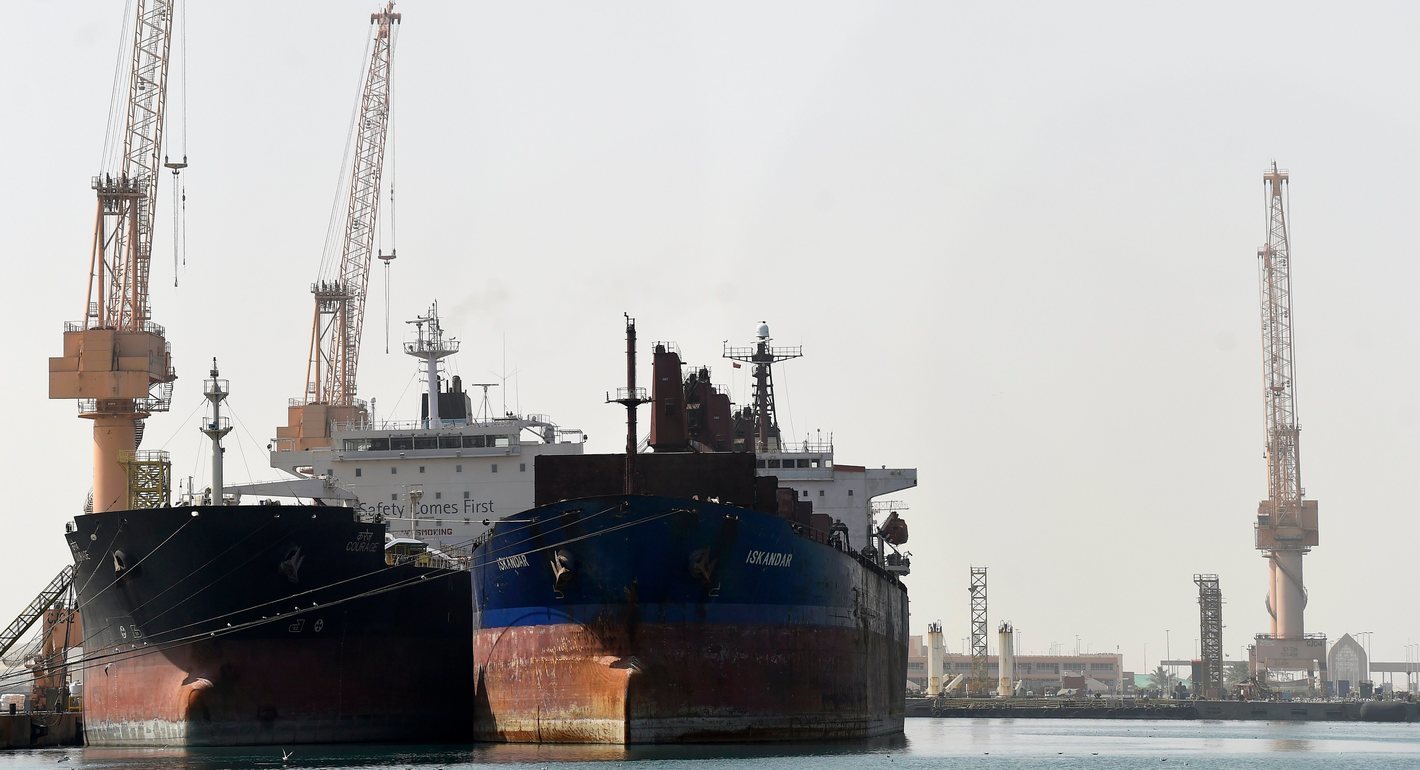
In a volatile Middle East, the Omani port of Duqm offers stability, neutrality, and opportunity. Could this hidden port become the ultimate safe harbor for global trade?
Giorgio Cafiero, Samuel Ramani

Two experts discuss how drone technology is shaping yet another conflict and what the United States can learn from Ukraine.


Steve Feldstein, Dara Massicot
Arguing that Chinese policy is hung on alliances—with imputations of obligation—misses the point.

Evan A. Feigenbaum