

Article
China has showcased its engineering prowess with small modular reactor demonstration projects. But turning these technological achievements into commercial success will be a greater challenge.
Tong Zhao

REQUIRED IMAGE
A recent article by Roger Stern suggests that because of a likely decline in Iranian oil exports and the attendant revenues, "Iran's claim to need nuclear power could be genuine". However, the suggestion that the Iranian nuclear power program is a response to an impending decline in Iranian oil exports is surely mistaken.
A recent article (Roger Stern, "The Iranian Petroleum Crisis and United States National Security", PNAS, January 2, 2007) suggests that, because of a likely decline in Iranian oil exports and the attendant revenues, "
Dramatic increases in OECD energy efficiency are a wise and necessary response to climate change in any case. If this contributes to the resolution of the Iranian nuclear crisis, so much the better. However, the suggestion that the Iranian nuclear power program is a response to an impending decline in Iranian oil exports is surely mistaken. Here are four reasons why:
1) Nuclear power's only use is making electricity, so it can displace only electricity producing fuels. Some 75% of
2) Nuclear energy is more expensive in
3)
4) If
Mr. Stern's wise suggested reductions in petroleum use in the OECD countries would of course impair budgets in several oil producing regions of concern to our government, including
Oil price declines have not numbered among either political party's accomplishments since that time, and oil is arguably underpriced in any case when its environmental and security implications are taken into account. But the contribution of inefficient end use to producing nation treasuries remains a worthy target.
So good luck, Mr. Stern.
Peter Bradford is a visiting lecturer on Nuclear Power and Public Policy at
Peter Bradford
Carnegie does not take institutional positions on public policy issues; the views represented herein are those of the author(s) and do not necessarily reflect the views of Carnegie, its staff, or its trustees.

China has showcased its engineering prowess with small modular reactor demonstration projects. But turning these technological achievements into commercial success will be a greater challenge.

Tong Zhao
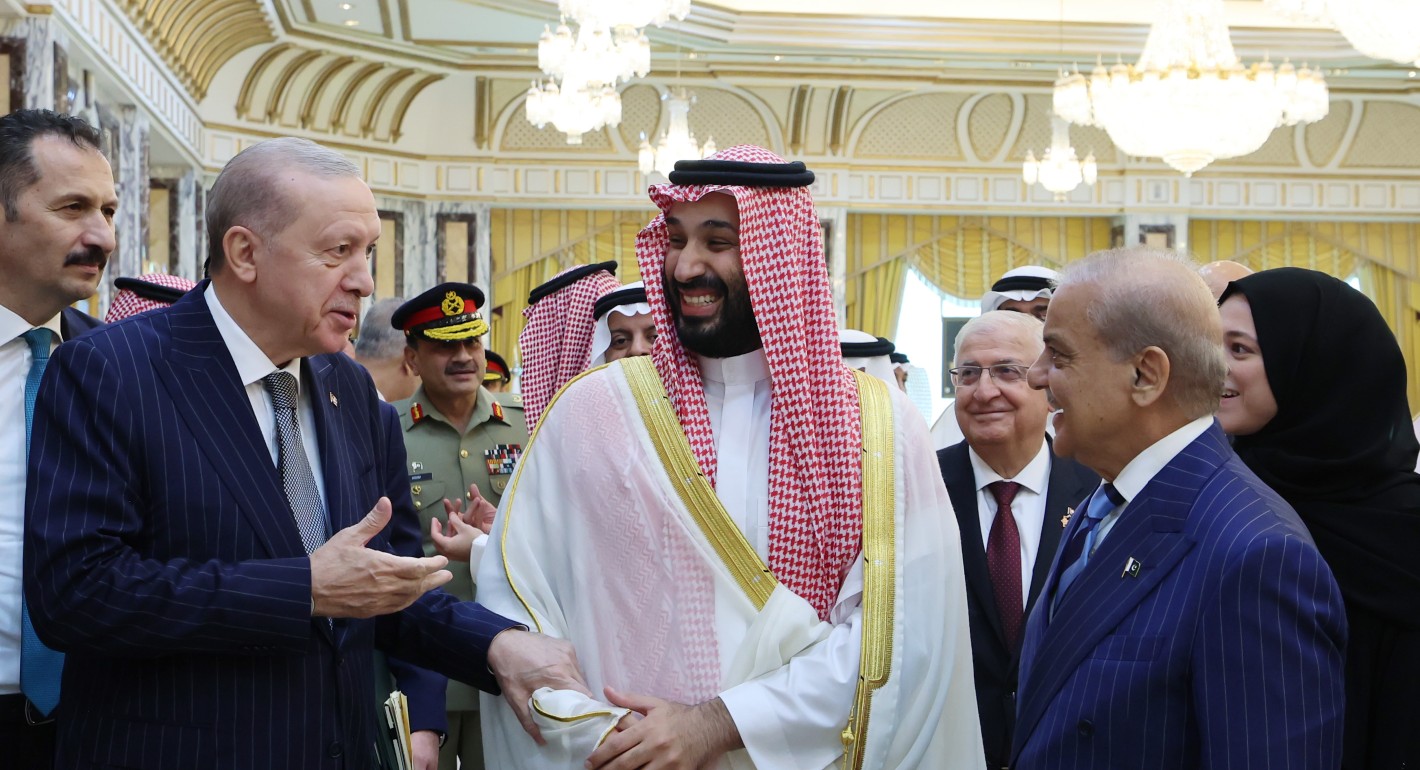
Why Pakistan, Saudi Arabia, and Turkey are joining forces on regional security.


Alper Coşkun, Amr Hamzawy
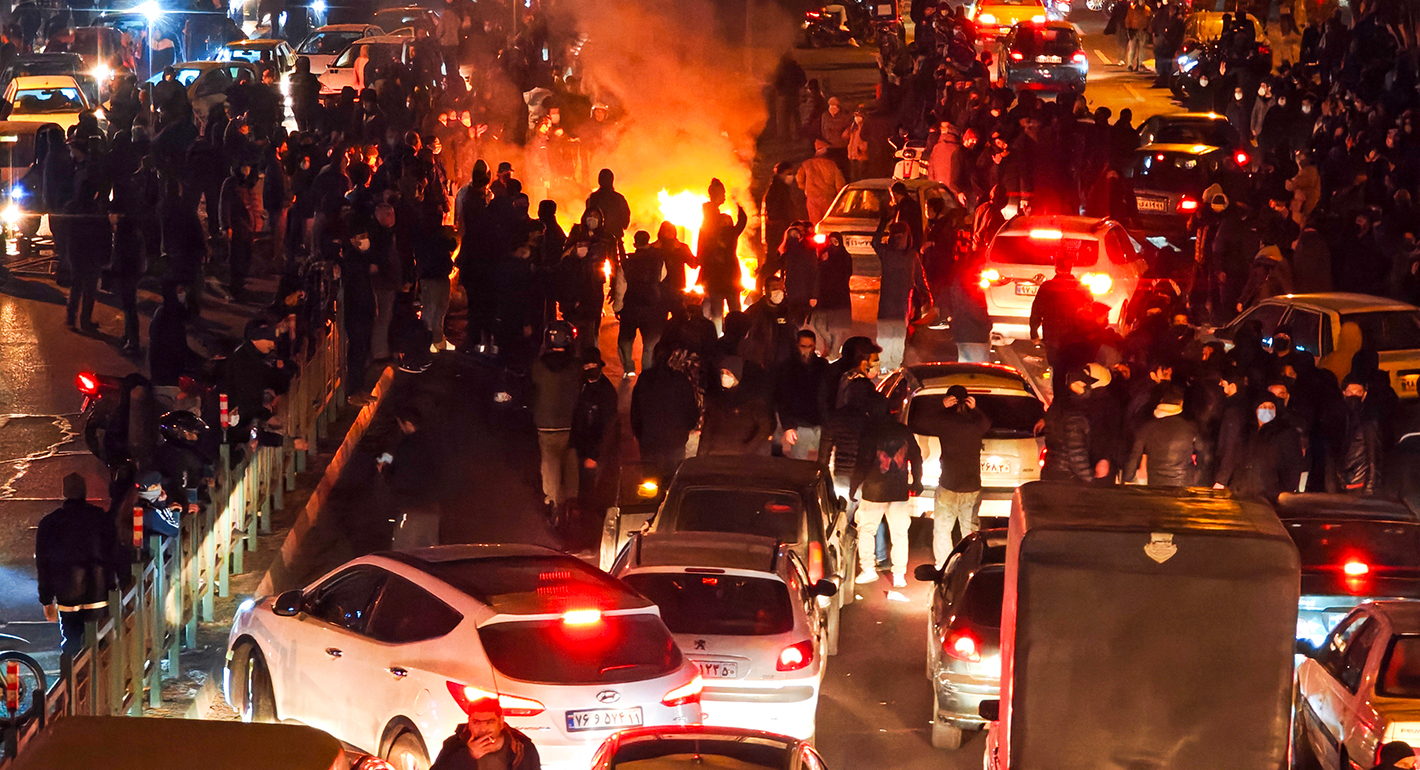
Protests in Iran follow a similar pattern: Economic grievances turn into political protests that spread nationwide. But increased state repression has begun to shift the arrangement.

Eric Lob
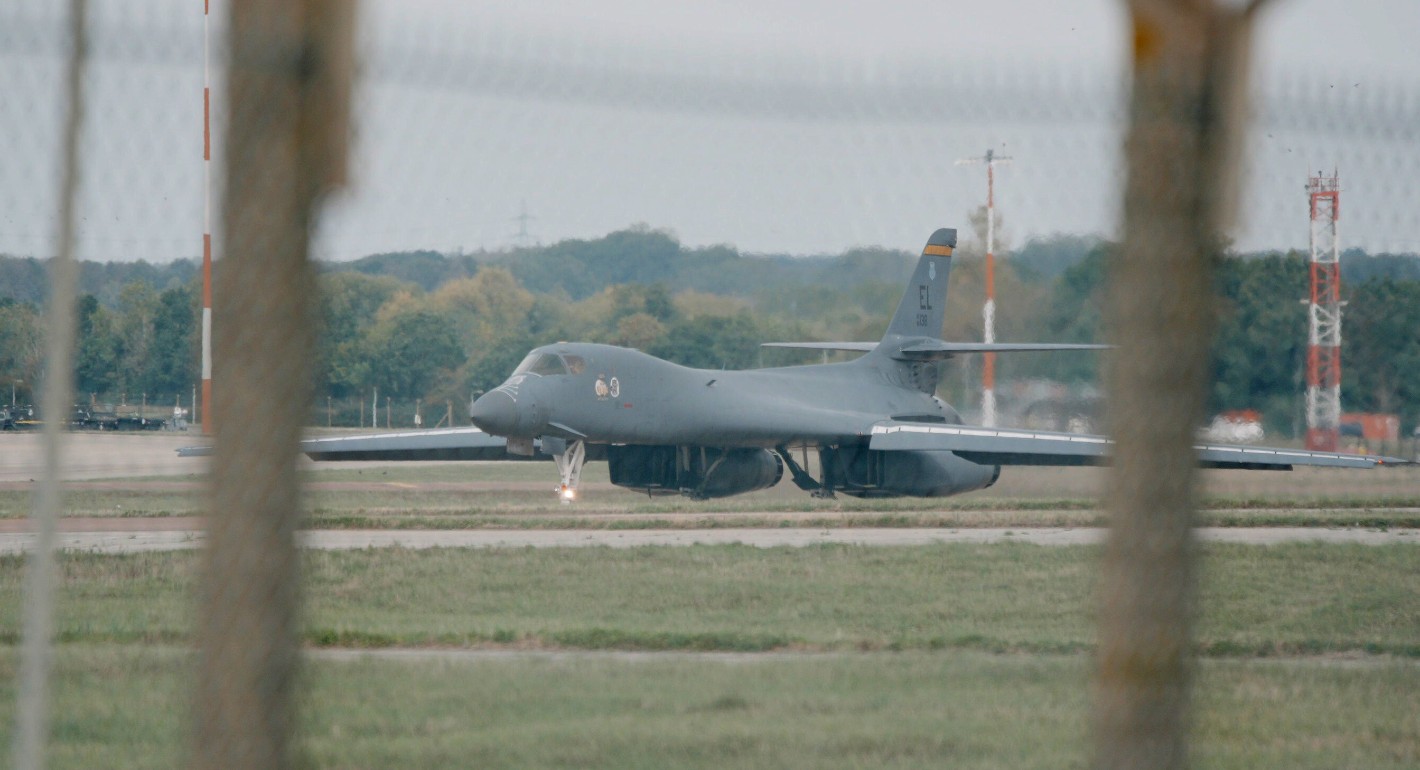
It signals a new era of tech diffusion and warfare.

Steve Feldstein
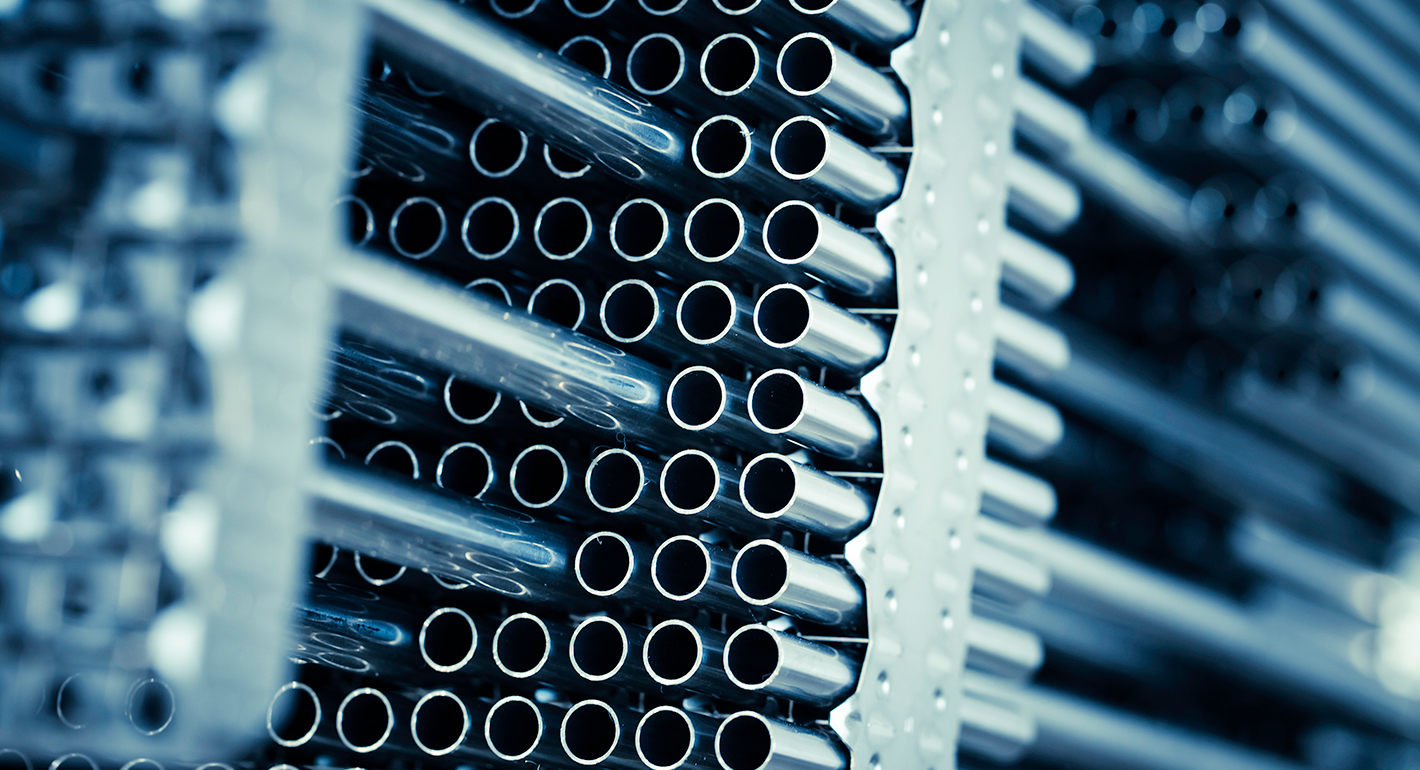
Producing nuclear fuel quickly enough remains a major risk factor for the emerging advanced reactor industry.

Elmer W. Dyke