

In The Media
Shahram Chubin
Source: Getty
Unity among the five permanent members of the Security Council plus Germany will be key during this week's nuclear talks with Iran in Geneva. But can the P5+1 convince Iran that this time the international community means business?
Again and again over the past seven years, it has appeared that with one more effort, the international community could finally generate enough pressure on Iran to open up its nuclear program to full international controls and inspections. Repeatedly in this long-running saga, these hopes have been dashed—by American bellicosity, European temporizing, Russian and Chinese cynicism and irresponsibility, and Iranian opportunism and cunning. So what has changed for the meeting this week in Geneva?
Recent revelations of an undeclared site at Qom underscore Iran's original failure to declare the enrichment site at Natanz in a timely fashion. What's new is that this news strains Iran's already weakened credibility at a time when its domestic legitimacy is also called into question after the contested elections of June. Domestically, at last, people are beginning to question whether the nuclear program is not a narrow partisan project intended to strengthen the grip of hardliners at home, marginalize their political opponents, and prevent normalization of relations with the international community.
Internationally, Iran's dissimulation and vicious repression of its own citizens have undermined those who wished to give it the benefit of the doubt. While differences still exist on approaches, there is surely less dissent on the proposition that Iran's behavior is undermining the Nuclear Non-Proliferation Treaty (NPT). The question, therefore, is whether in this changed conjunction of events, will Iran, Houdini-like, manage to escape once again?
On the face of it, the trick is to find a formula that allows Iran to develop nuclear technology indigenously, while reassuring the international community of the peaceful purposes of the program. Deceptively simple, in theory, this has proven impossible to date because of the depth of distrust between the two parties. It is this lack of confidence across-the-board that makes an agreement difficult. For the issues are not narrowly technical, such as the balance between a certain level of intrusiveness in inspections and certain level of technology on Iranian soil. Rather, they are wide-ranging on both sides. It is difficult to trust a regime that dissimulates or lies, promotes subversion in the Middle East, and tortures its opponents. How can one trust a regime, with such a devious record, not to use its access to technology to "breakout" of the NPT when it suits it?
On the Iranian side, there is the belief that pressures on the nuclear program are only the "thin edge of the wedge" and will be succeeded by more demands promoting the dismantlement of the Islamic Republic. It will take considerable diplomacy to dispel such mutual preconceptions.
Can the P5+1 (the five permanent members of the Security Council plus Germany) offer a persuasive package of inducements and penalties that Iran is prepared to consider seriously? Is Iran willing to accept constraints on its nuclear program, including state-of- the art intrusive inspections? Can the P5+1 come to an agreement on sanctions? Would the credible threat of sanctions alter Iran’s cost/benefit calculus?
There may not be much time. Depending on one's definition, Iran is poised to acquire mastery over the fuel cycle, and may soon have a stock of fissile material which could serve as a basis (after further enrichment) of a nuclear weapons program. At the same time, Iran is making advances in its ballistic missile efforts which could, in turn, become the means of delivery of any weapons developed in the future. There is substantial agreement that without an agreement limiting or at least carefully monitoring all this, there is perhaps a time window of at most three years before most of this can be achieved.
Against this clock there is the diplomatic clock which has been functioning rather slowly. If it stops or falters, the countdown to military action will surely start. Since this is not the preferred outcome of any state, there is renewed interest in diplomacy. But diplomacy without the threat of pressure is toothless. The choice, if military force is to be avoided, may be intensified sanctions, to catch the attention of the hardliners in Iran. No one says this is ideal. Although it may be, as Russian President Medvedev suggested, that sanctions, while ineffective, may be inevitable. But one cannot be sure they are or will be ineffective—this is not physics. Given the disarray in Iran, unity among the P5+1 is the best signal to send to Tehran. If this meeting is to bear fruit, it will need to convince Iran that this time the international community means business. But will it?
This article was originally published in French in Le Temps (Geneva).
Shahram Chubin is nonresident senior associate at the Carnegie Endowment for International Peace, and former director of studies at the Geneva Centre for Security Policy, Switzerland.
Former Nonresident Senior Fellow, Nuclear Policy Program
Chubin, who is based in Geneva, focuses his research on nonproliferation, terrorism, and Middle East security issues. He was director of studies at the Geneva Centre for Security Policy, Switzerland, from 1996 to 2009.
Recent Work
Shahram Chubin
Shahram Chubin
Carnegie does not take institutional positions on public policy issues; the views represented herein are those of the author(s) and do not necessarily reflect the views of Carnegie, its staff, or its trustees.
The conflict is exposing the deep energy vulnerabilities of Korea’s chip industry.

Darcie Draudt-Véjares, Tim Sahay
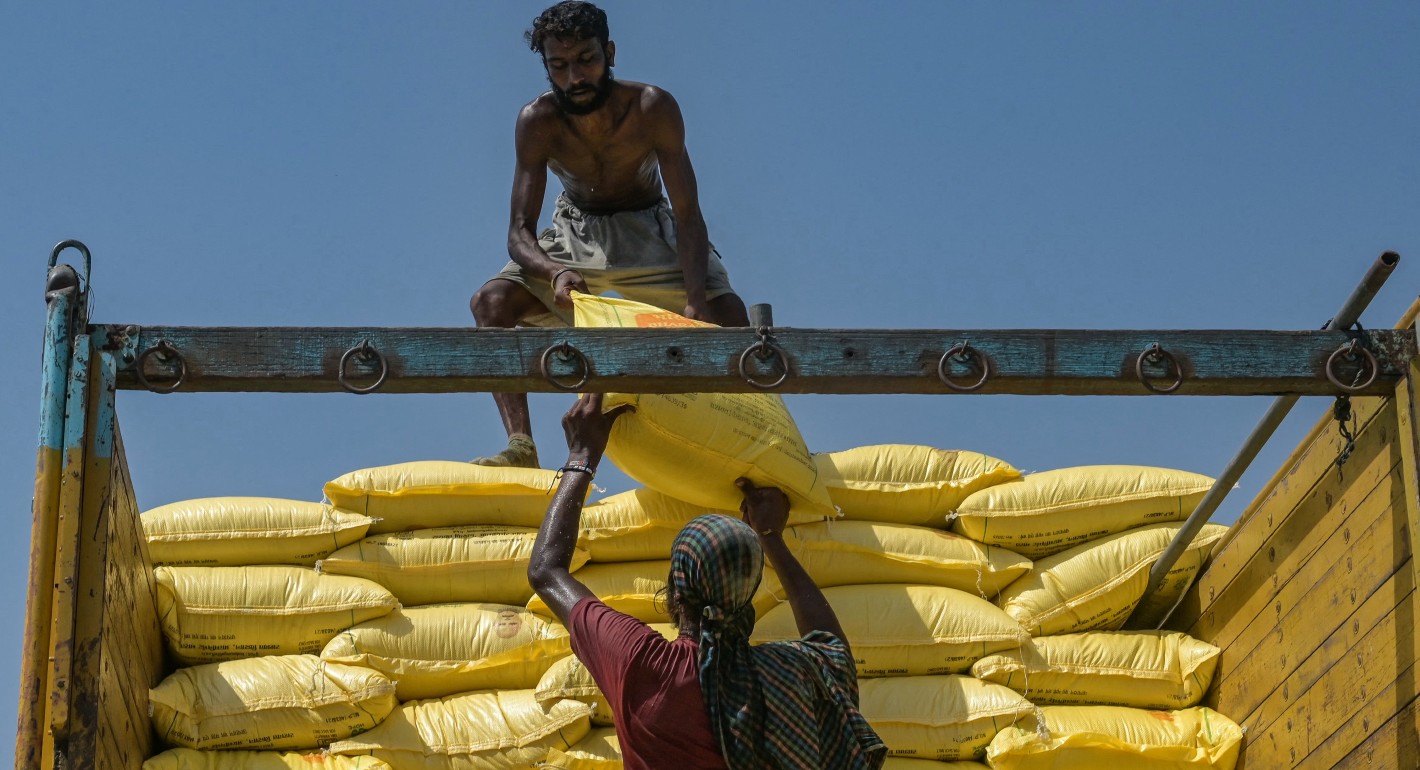
Even if the Iran war stops, restarting production and transport for fertilizers and their components could take weeks—at a crucial moment for planting.
Noah Gordon, Lucy Corthell
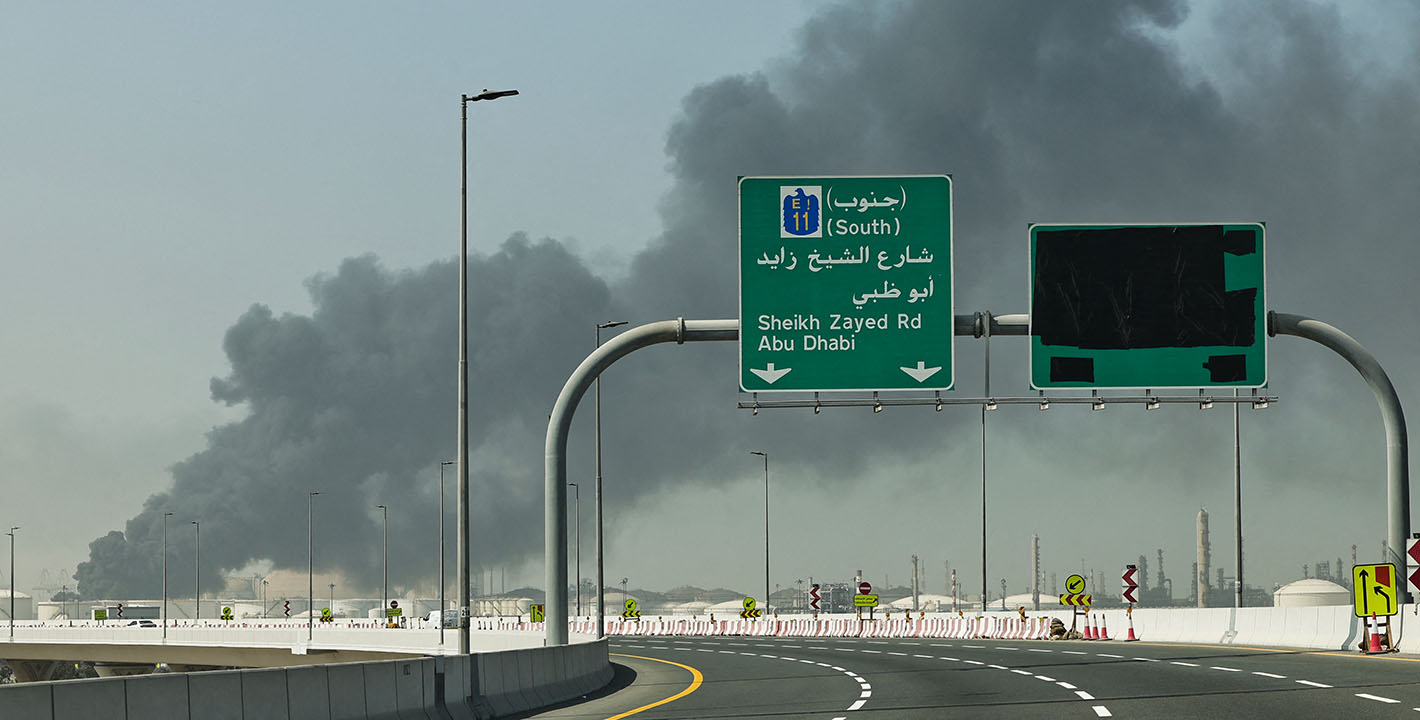
The countries in the region are managing the fallout from Iranian strikes in a paradoxical way.

Angie Omar
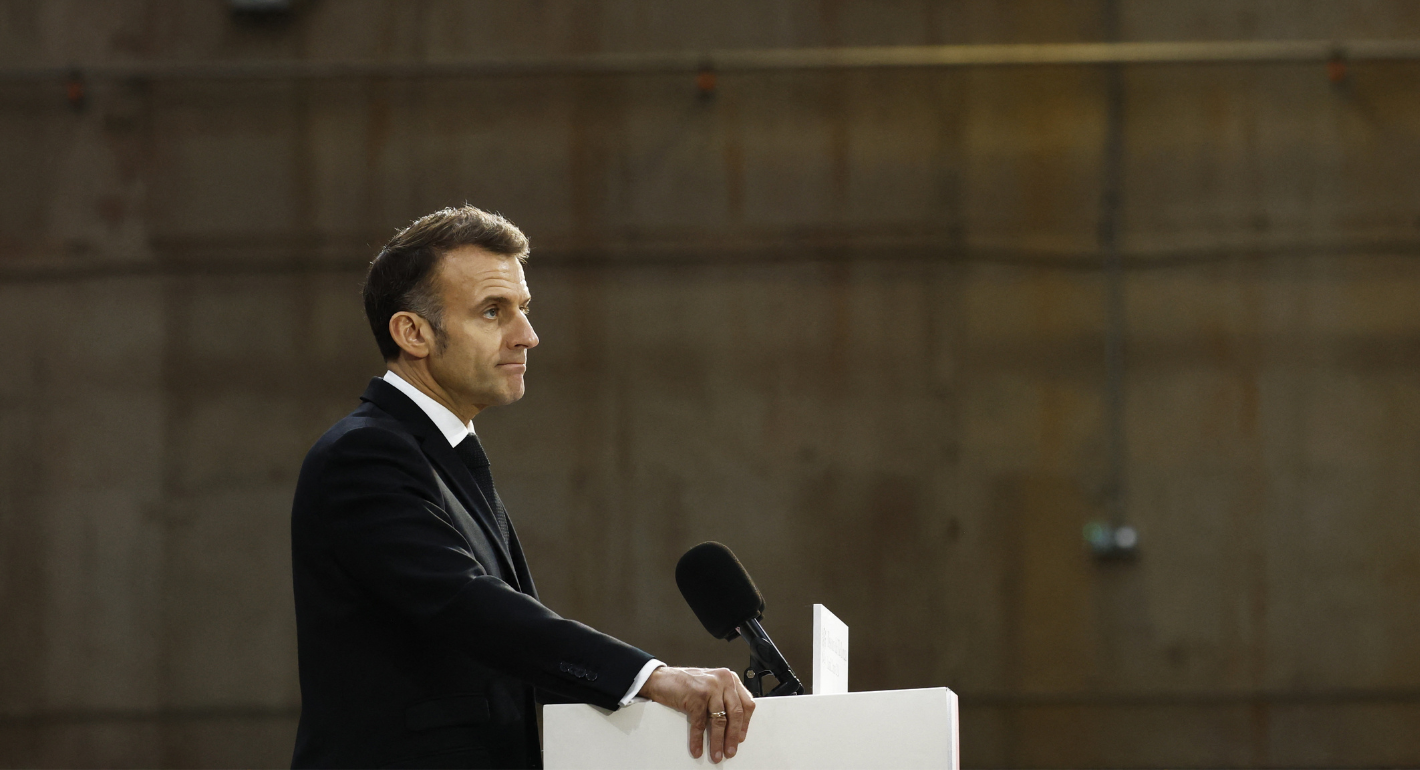
French President Emmanuel Macron has unveiled his country’s new nuclear doctrine. Are the changes he has made enough to reassure France’s European partners in the current geopolitical context?

Rym Momtaz, ed.
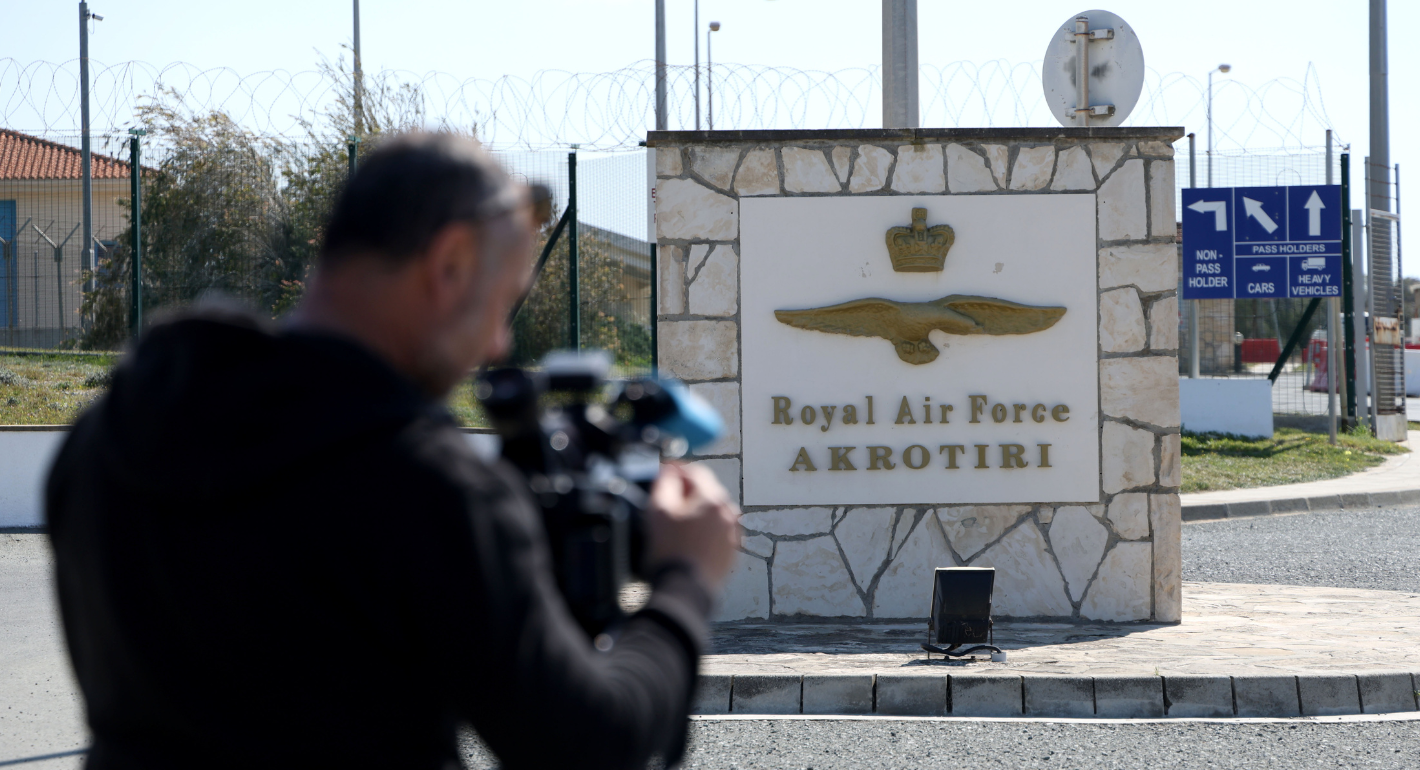
The drone strike on the British air base in Akrotiri brings Europe’s proximity to the conflict in Iran into sharp relief. In the fog of war, old tensions in the Eastern Mediterranean risk being reignited, and regional stakeholders must avoid escalation.

Marc Pierini