

Research
- +6
Yasmine Farouk, Nathan J. Brown, Maysaa Shuja Al-Deen, …
Source: Getty
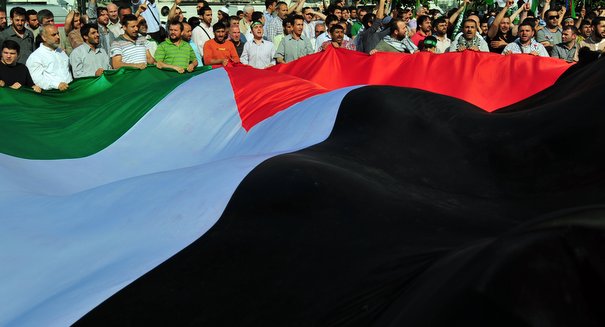
A two-state solution requires reconciliation between Palestinian factions and reunification of the West Bank and Gaza. The United States should support Palestinian institution building and be open to political competition, including elections.
The Israeli raid on the flotilla of humanitarian aid headed for Gaza dealt a blow to chances for a breakthrough in the peace process. As the U.S. administration struggles to keep indirect talks alive, Michele Dunne prescribes a different approach. It is clear that a two-state solution requires reconciliation between Palestinian factions and reunification of the West Bank and Gaza. Dunne recommends that the United States should support Palestinian institution building and be open to political competition, including elections.
“By allowing political competition in the Palestinian territories, the United States can help lay the groundwork necessary for a lasting peace settlement,” writes Dunne. “And Israel can have faith that a Palestinian negotiating partner possesses enough popular support to make agreements and uphold them.”

Former Nonresident Scholar, Middle East Program
Michele Dunne was a nonresident scholar in Carnegie’s Middle East Program, where her research focuses on political and economic change in Arab countries, particularly Egypt, as well as U.S. policy in the Middle East.
Recent Work



Yasmine Farouk, Nathan J. Brown, Maysaa Shuja Al-Deen, …

Robert Springborg, Emile Hokayem, Becca Wasser, …
Carnegie does not take institutional positions on public policy issues; the views represented herein are those of the author(s) and do not necessarily reflect the views of Carnegie, its staff, or its trustees.
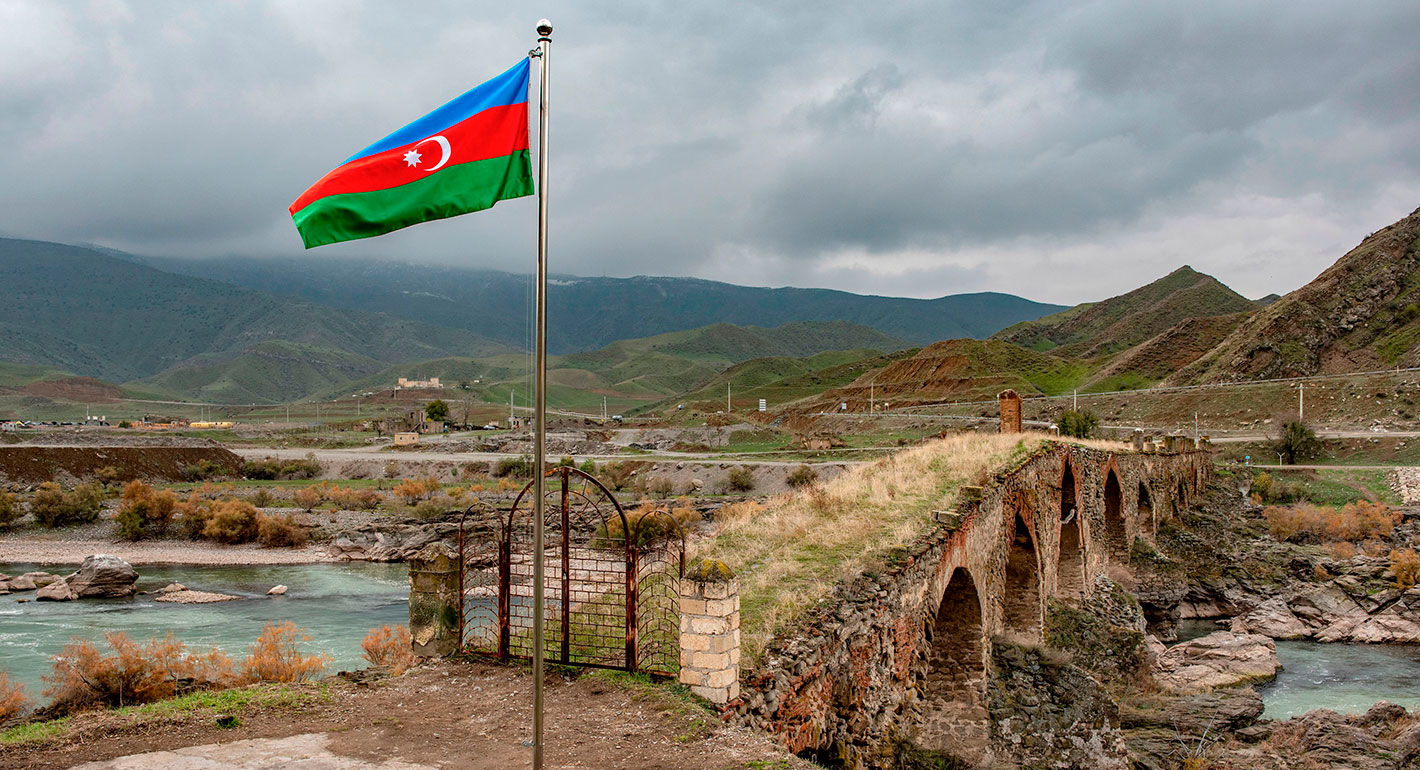
In an interview, Sergei Melkonian discusses Armenia’s and Azerbaijan’s careful balancing act among the United States, Israel, and Iran.

Armenak Tokmajyan
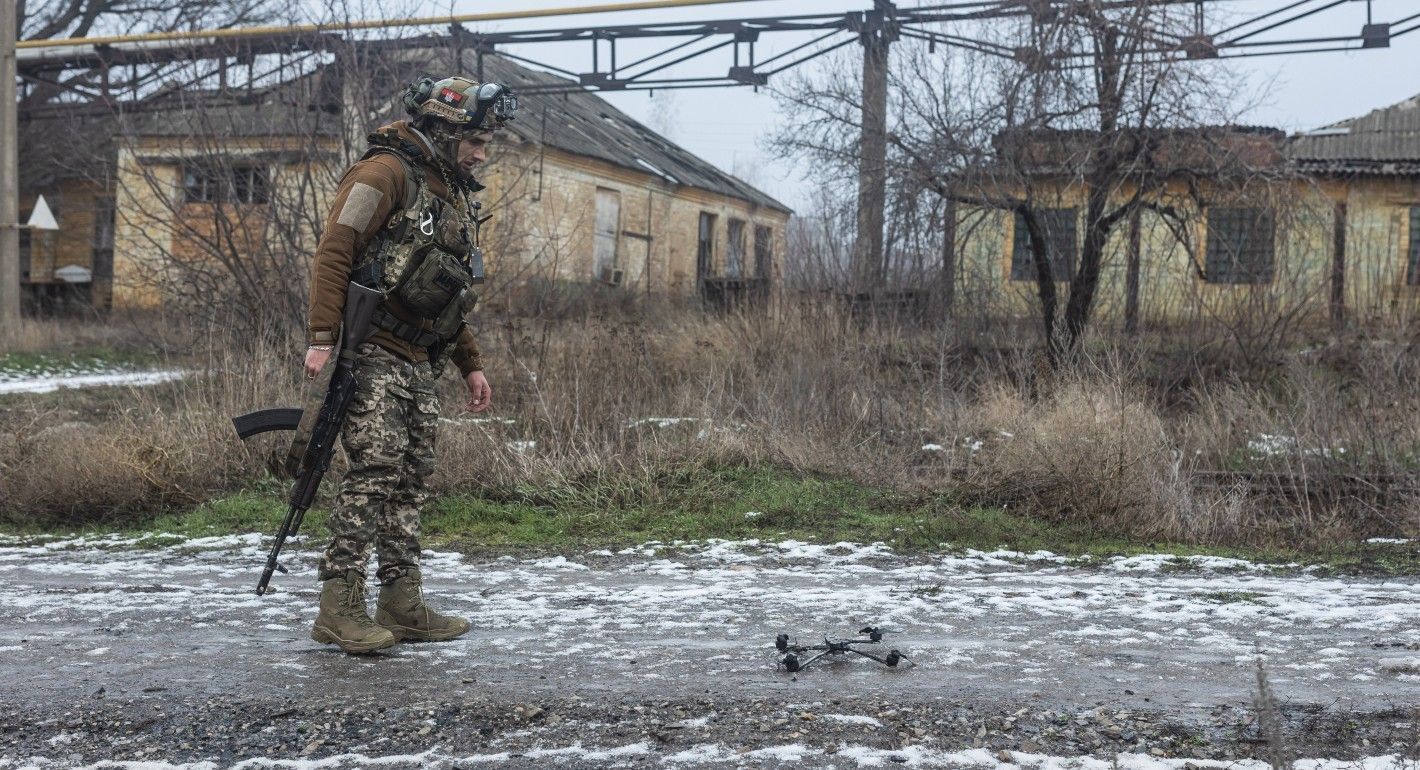
Domestic and international conflicts present myriad challenges for leaders, militaries, and civilians, including the effects of new technological capabilities on the conduct of war, the effectiveness of security strategies, and the intricacies of post-conflict peacemaking. Carnegie scholars provide timely analyses to address these and other related questions.
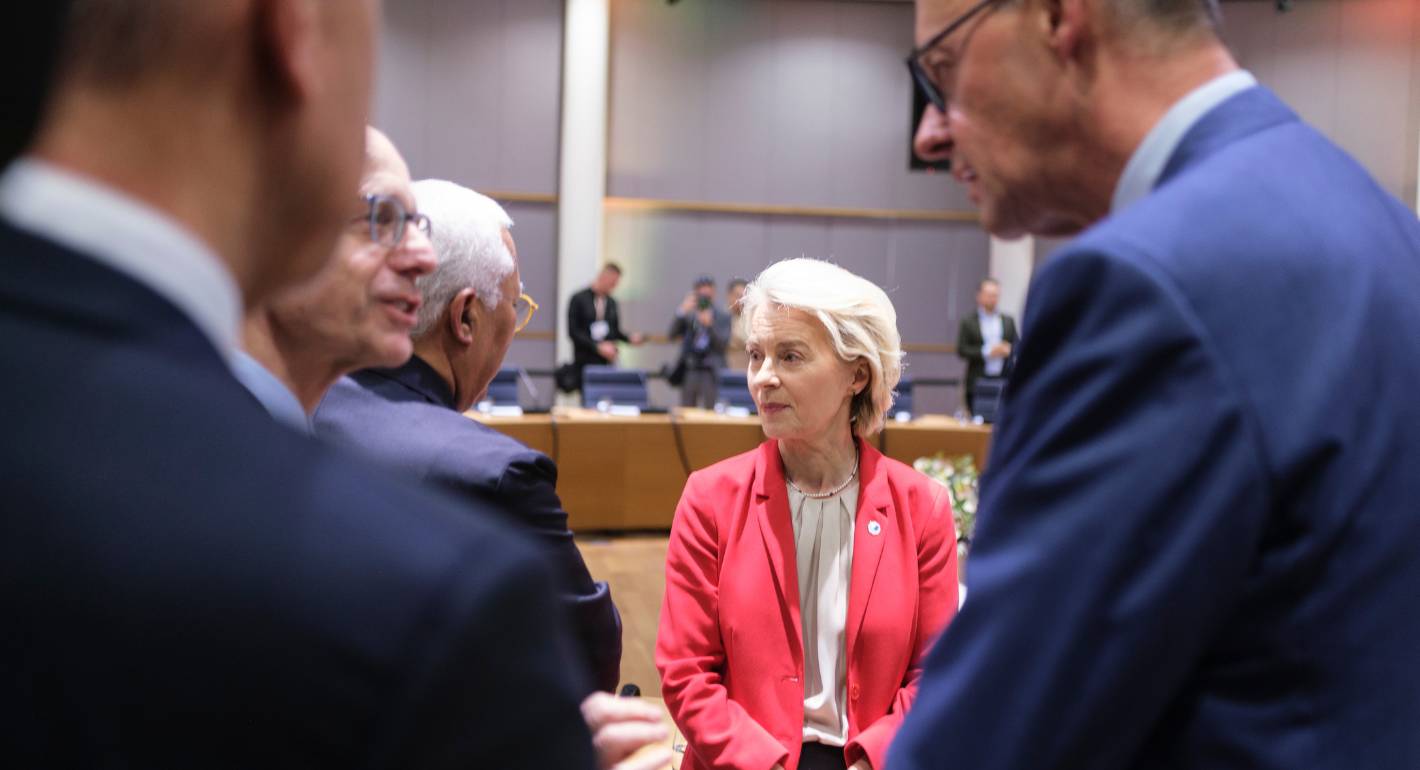
The war in Iran proves the United States is now a destabilizing actor for Europe and the Arab Gulf. From protect their economies and energy supplies to safeguarding their territorial integrity, both regions have much to gain from forming a new kind of partnership together.

Rym Momtaz

The current U.S. indifference to human rights means Astana no longer has any incentive to refuse extradition requests from its authoritarian neighbors—including Russia.

Temur Umarov
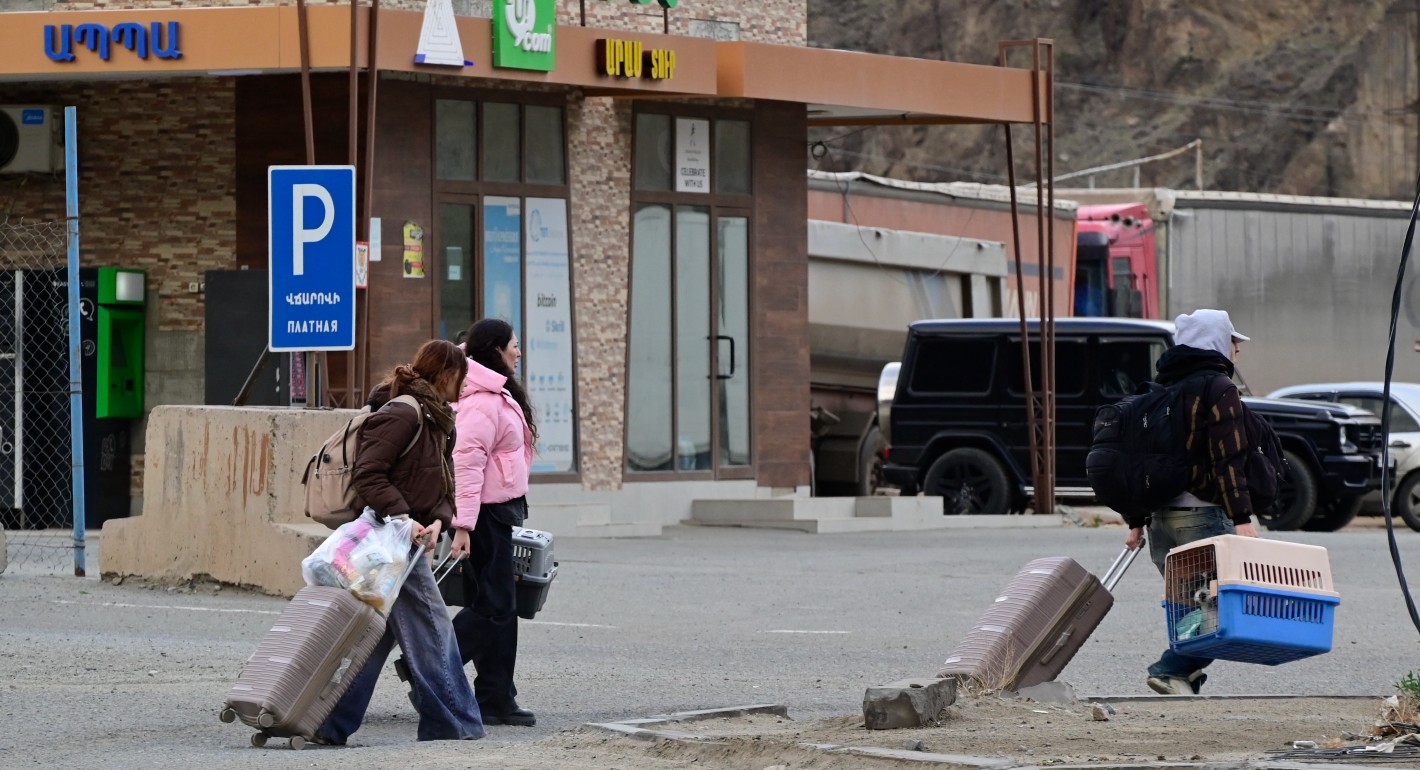
The conflict is threatening stability in Armenia and Azerbaijan.
Zaur Shiriyev
