

Paper
Paul Salem
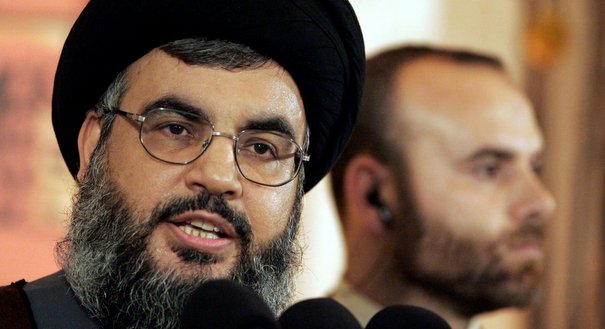
Source: Getty
The impending release of the findings of the Special Tribunal for Lebanon and Hezbollah’s allegation of Israeli involvement in the 2005 assassination of Rafic Hariri threaten to ignite a political crisis and deepen sectarian fissures in Lebanon.
With the findings of the special tribunal investigating the 2005 assassination of former Prime Minister Rafiq Hariri expected soon—possibly as early as next month—tensions in Lebanon risk reaching the boiling point. Although the UN-backed tribunal was intended to handle the explosive issue in a manner designed to ease tensions and avert violence, indictments threaten to ignite a political crisis and deepen sectarian fissures.
Hariri’s death and the subsequent investigation into those involved have loomed over Lebanon for five years. The assassination unleashed massive protests, captured international attention, and eventually created the pressure that forced Syria to withdraw its troops from Lebanon in April 2005. With rising concerns that the investigation will implicate Hezbollah, fears of another conflict are escalating.
Over the years, disagreements about the tribunal have fed tensions both between Lebanon and Syria and between Hezbollah and the March 14 coalition, an alliance of the Western-backed political parties that has since partially unraveled. An indictment of Hezbollah has been long regarded as one of the most difficult outcomes to deal with internally.
Hezbollah’s leader, Hassan Nasrallah, has acknowledged expectations that members of the group will be fingered and has gone on the offensive to preemptively discredit the tribunal. Ever since rumors of the expected indictments began, Nasrallah has given a series of speeches alleging that the tribunal and investigation are not credible and are highly politicized.
Nasrallah argues that the tribunal is a Western-backed plot to place blame on whoever is politically convenient at the time. He said that during the first several years after the investigation was underway, Syria received most of the attention. But after relations between Damascus and the West improved, the focus shifted to Hezbollah.
Last week, Nasrallah claimed that he would reveal proof that Israel was responsible for the assassination. But the major television broadcast this past Monday—carried live around the region—was anticlimactic as he only provided circumstantial evidence at best. He did, however, show intercepted aerial reconnaissance footage from Israeli drones of Beirut and surrounding mountains that were frequented by Hariri. He indicated that there were unusual Israeli flight patterns and activities on the day of the assassination.
Nasrallah also presented testimony of alleged Israeli agents in Lebanon who said they had been tasked with trying to convince Hariri that Hezbollah was trying to kill him in the 1990s in order to exacerbate divisions in Lebanon, and that an Israeli agent had visited the site of the Hariri bombing one day before his assassination. While Nasrallah didn’t provide actual proof, he did succeed in revealing a pattern of Israeli actions and behavior that appears to merit follow-up and investigation.
Indeed, the prosecutor of the tribunal, Daniel Bellemare, has asked the Lebanese authorities to request that Hezbollah provides investigators with the evidence he presented.
By trying to eliminate the element of surprise and get ahead of the rumored indictments, Hezbollah has already escalated tensions dramatically and risks creating a full crisis in Lebanon. Fears of violence triggered a surge of diplomacy from Lebanon’s neighbors.
Saudi Arabia's King Abdullah and Syria's President Bashar al-Assad—leaders of rival countries who were fighting a proxy war against each other in Lebanon only a few years ago—traveled to Beirut at the end of July in an effort to calm tensions. King Abdullah recognizes that Hezbollah has the capability to bring down the government. But the high-level attention has thus far failed to bring Lebanon’s parties to an agreement on the tribunal, and it’s questionable whether a compromise can be reached in time to avoid internal trouble.
Prime Minister Saad Hariri, the son of the former leader, is under extreme pressure to ignore the tribunal and any possible indictments. Nasrallah is pushing for the government to reject the investigation and adopt a position closer to Hezbollah’s. But, so far, Hariri is standing fast, defending the government position and insisting on official respect and support for the tribunal.
Faced with the potential collapse of the government and sectarian conflict or justice for his father’s death, Hariri has an impossible choice. The international community—particularly Europe and the United States—want the tribunal to release its conclusions. Meanwhile, Syria has publicly come out against the tribunal. Both Saudi Arabia, and powerful player Iran, have been largely reticent about the issue.
It remains to be seen how fast and in which way Hezbollah will increase its pressure on the prime minister, and how Hariri will handle the crisis. Although uneasy calm should continue through the month of Ramadan, a stormy fall lies ahead.
Senior Fellow at the Middle East Institute
Paul Salem is a senior fellow at the Middle East Institute.
Recent Work
Paul Salem
Paul Salem
Carnegie does not take institutional positions on public policy issues; the views represented herein are those of the author(s) and do not necessarily reflect the views of Carnegie, its staff, or its trustees.

The EU’s new migration policy is not suited to today’s realities. With climate change increasingly becoming a driver of displacement, Europe needs to rethink its deterrence-focused approach.

Shana Tabak
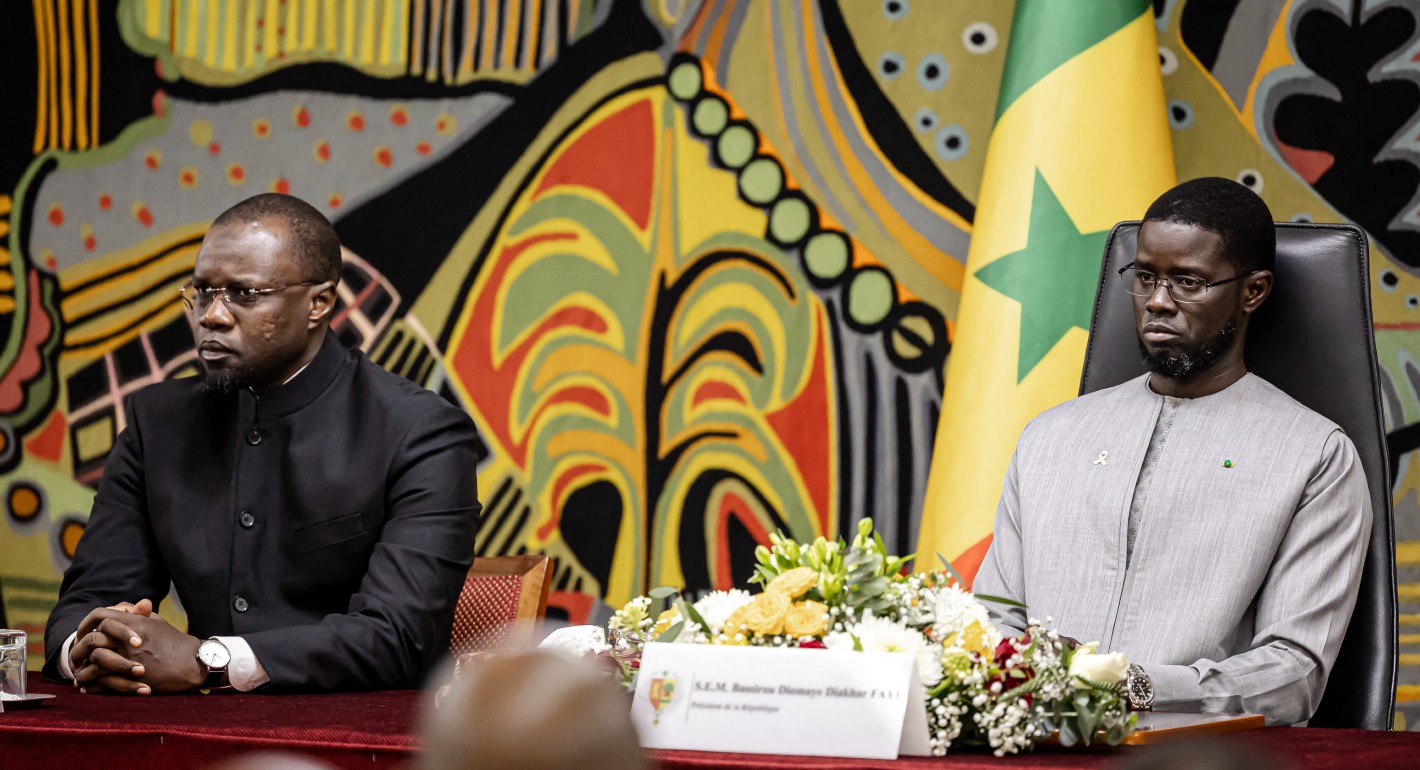
The impacts of the Faye-Sonko rupture could go well beyond the country’s borders.

Lesley Anne Warner
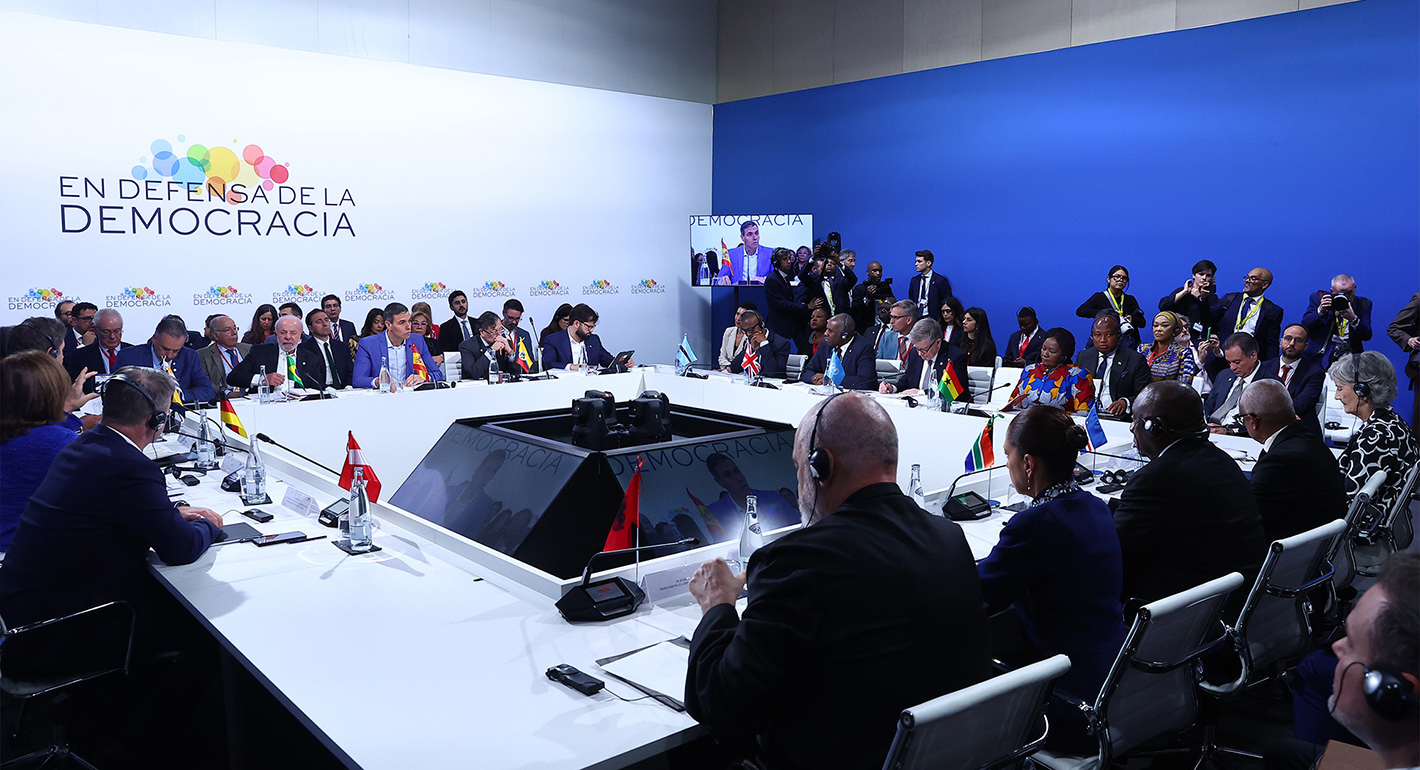
The reinvention of democracy support needs to be carried forward without the clear leadership of one dominant player.


Richard Youngs, Thomas Carothers
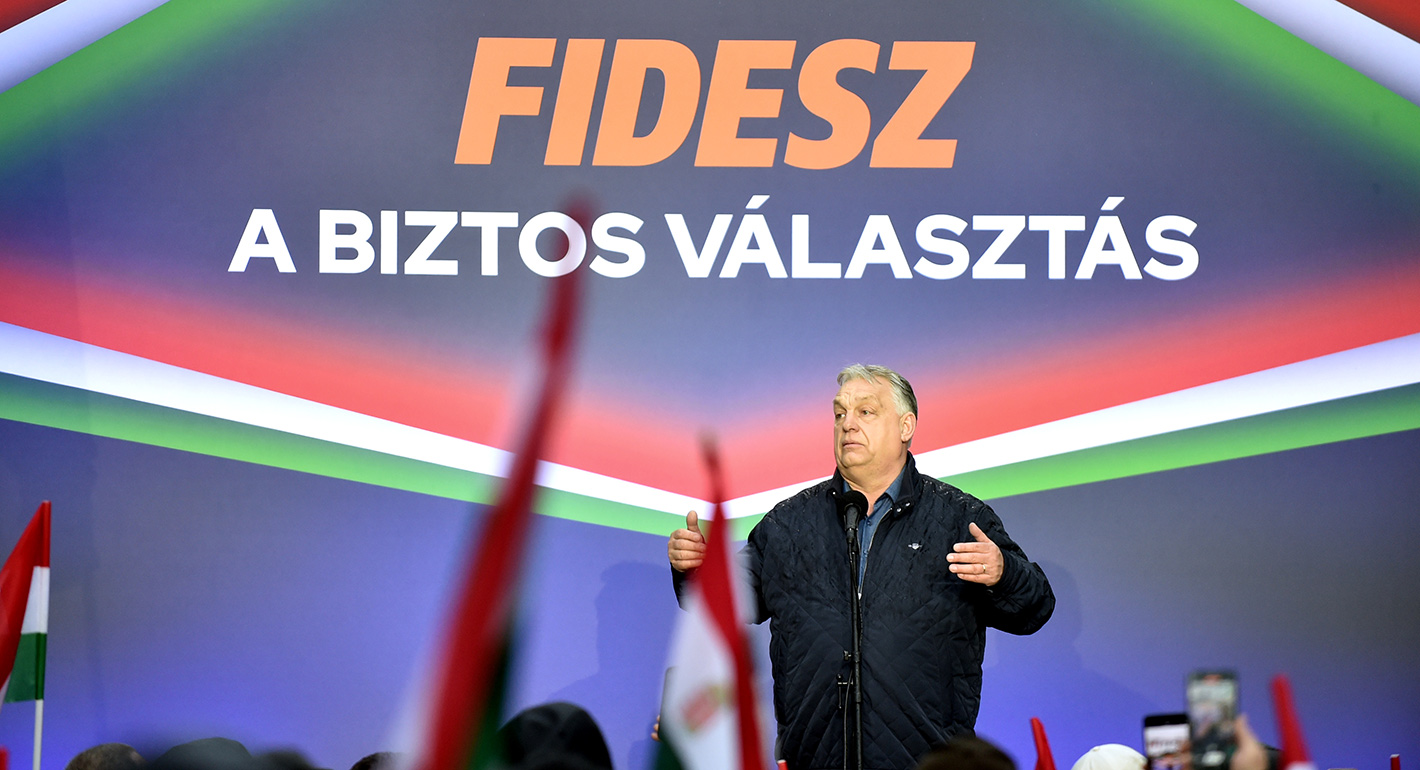
Hungary under Viktor Orbán deployed right-wing populism as a foreign policy strategy, embedding the country in a web of illiberal transnational networks whose legacy will endure even after his April 2026 electoral defeat.
Zsuzsanna Végh
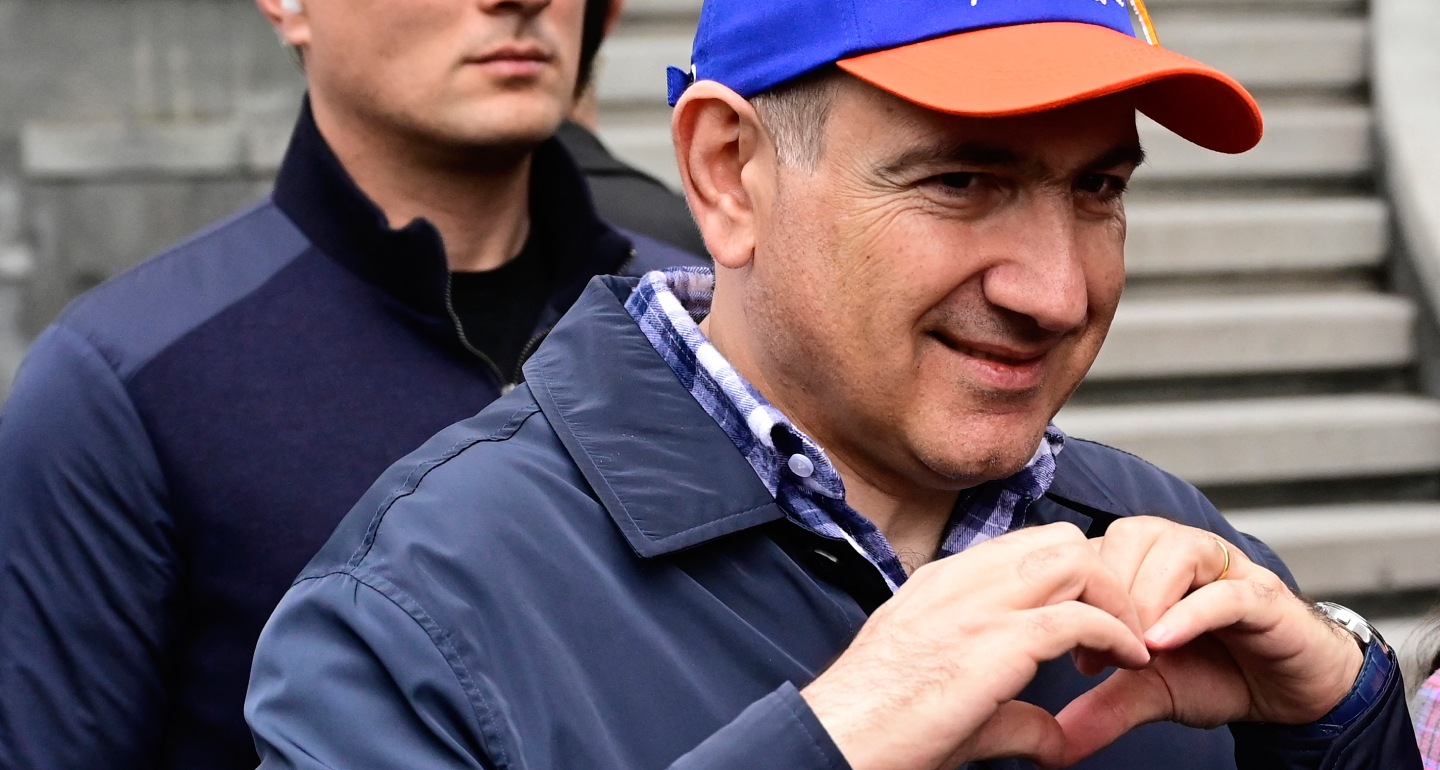
By fueling the arguments of both supporters and opponents of Armenian Prime Minister Nikol Pashinyan, Azerbaijan wants to ensure he is re-elected with a weaker mandate.

Bashir Kitachaev