

Commentary
The ninety-three-year-old Biya’s absence and refusal to name a vice president threaten to upend domestic and regional stability.
Lesley Anne Warner

Without addressing Yemen's immediate security challenges—including a civil war in the North, a secessionist movement in the South, and a resurgent al-Qaeda organization—the country's long-term economic and governance issues cannot be resolved.
Source: Washington

“A compelling study on the part of Carnegie to help explain the complexities of Yemen to increasingly concerned Western policy makers.”
—Nabeel Khoury, U.S. Department of State
“Political, economic, and security developments in Yemen increasingly affect the European Union, and this book will serve as a valuable resource for policy makers as they work to address the many challenges facing Yemen.”
—Gilles De Kerchove, EU Counter-Terrorism Coordinator

Former Associate, Middle East Program
Boucek was an associate in the Carnegie Middle East Program where his research focused on security challenges in the Arabian Peninsula and Northern Africa.

Former Senior Associate, Middle East Program
Before joining the Endowment, Ottaway carried out research in Africa and in the Middle East for many years and taught at the University of Addis Ababa, the University of Zambia, the American University in Cairo, and the University of the Witwatersrand in South Africa.
Carnegie does not take institutional positions on public policy issues; the views represented herein are those of the author(s) and do not necessarily reflect the views of Carnegie, its staff, or its trustees.

The ninety-three-year-old Biya’s absence and refusal to name a vice president threaten to upend domestic and regional stability.

Lesley Anne Warner

With the growth in points of friction between the great powers, organizations like the SCO will continue to play a role in the strategic adaptation of the smaller powers caught between them.

Temur Umarov
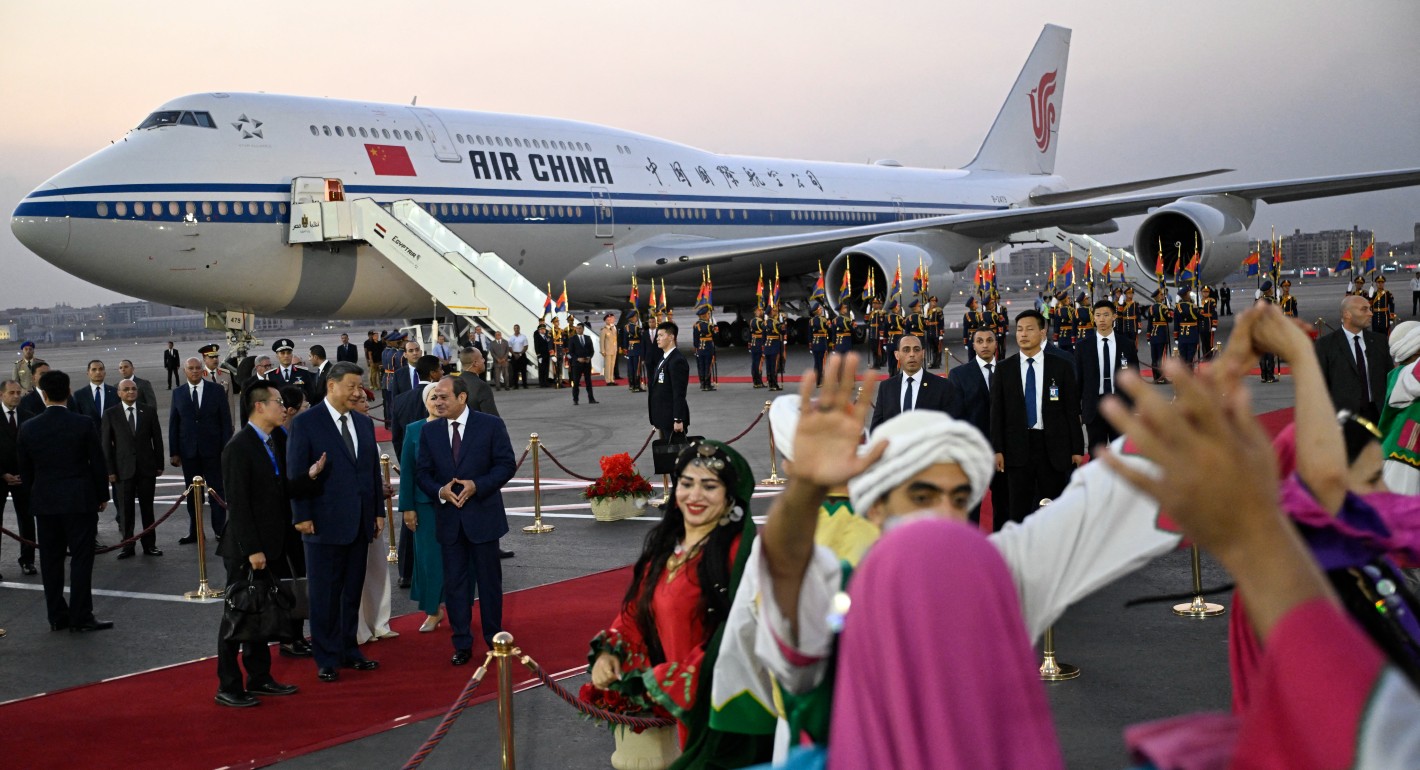
Amid celebrations of bilateral ties was a deeper focus on stability in the Middle East.

Amr Hamzawy

Canadian Prime Minister Mark Carney has twice inspired praise for standing up to U.S. President Donald Trump: at the 2026 World Economic Forum in Davos and on Canada-U.S. trade negotiations. Is Carney showing a third way better than the EU has in dealing with the Trump administration?

Rym Momtaz, ed.
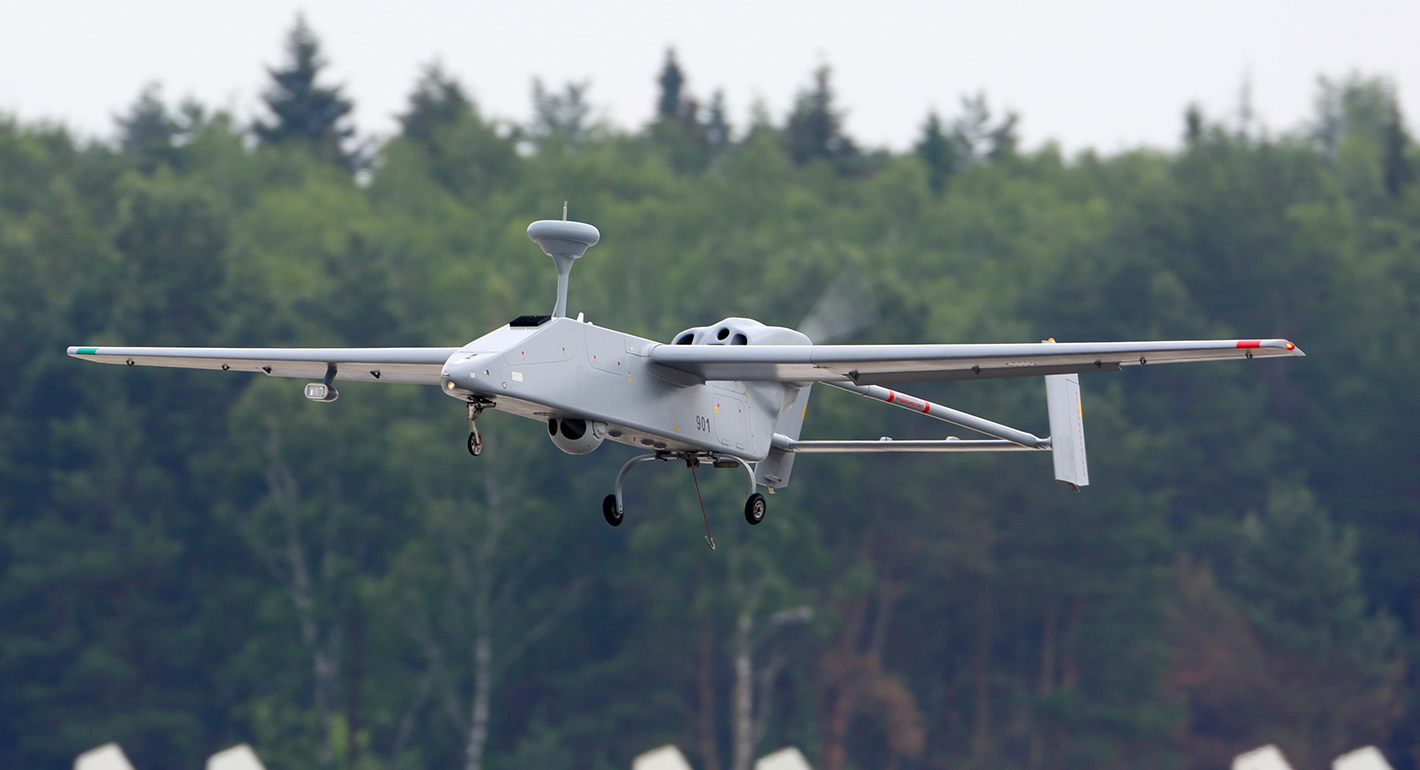
Moscow is testing Europe’s defenses with drone incursions and could decide to use drones against the continent on a much larger scale once the war in Ukraine pauses. European countries will need Kyiv to help them prepare for such a possibility.

Pavlo Zvenyhorodskyi