

Paper
- +4
Dmitri Trenin, Alexey Arbatov, Maria Lipman, …
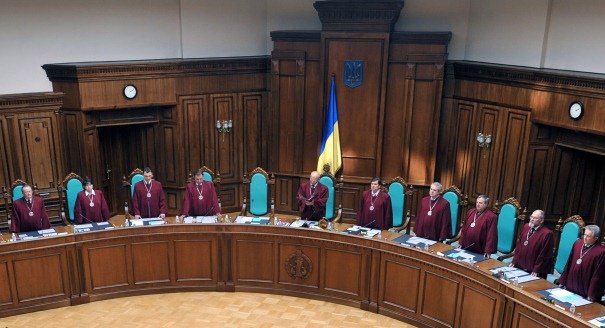
Source: Getty
The Ukrainian Constitutional Court’s decision to overturn the political reform of 2004 acts as a relative guarantee that, should the opposition win the majority in future parliamentary elections, it will not be able to threaten the president’s agenda.
When the Ukrainian Constitutional Court recently ruled to repeal the political reform of 2004, it rejected the decision to turn the country’s presidential-parliamentary system of government into a parliamentary-presidential system. This decision – which gives the president more power than the parliament – is worth examining on several fronts.
Probably the most important thing to note about the Court’s decision is that it does not simply help President Viktor Yanukovych and his party strengthen their hold on power through the use of constitutional amendments designed to weaken the Parliament and also reduce the ministerial cabinet’s power. While the decision has that effect, Yanukovych’s team is primarily looking at the decision to prepare for possible future political developments rather than focusing on the immediate present.
The current social and economic situation in Ukraine is clearly unstable. In some respects it is worsening and broad sectors of the population are feeling the effects. Recent history has shown that the Ukrainian public is quick to change its political sympathies if it starts to sense a noticeable downturn in the economy and social conditions. At the same time, Ukrainian hopes for significant Russian aid did not bear fruit for several reasons. All these factors give the Ukrainian opposition a potential opening in future elections – despite the fact that the opposition’s leaders have been considerably weakened and discredited.
If, however, the opposition were to win the 2012 parliamentary election and form a government, Yanukovych would be in a bind. Former president Viktor Yushchenko faced a similar scenario when the constitutional reforms making Ukraine a parliamentary-presidential republic were in force. That experience showed that the president is unable to implement policies without the support of his cabinet and the parliamentary majority. The president ends up waging battle on every bill.
Realizing the potential risks inherent in the parliamentary elections, Yanukovych’s Party of Regions decided to try to avoid the problem by returning Ukraine to its previous form of government, where the president holds more power than the Parliament. This means the outcome of the 2012 parliamentary elections will not be as decisive as in the past.
One more important thing to realize is that this latest decision makes it possible to shorten the current Ukrainian Parliament’s mandate. Yanukovych and his party may have the opportunity to hold parliamentary elections in a more favorable social and economic situation than is expected in 2012. They could therefore have a greater chance of winning more seats in the new parliament.
But if Yanukovych tries to force earlier parliamentary elections, the most likely result is that the current parliamentary coalition would split, abandoned by the smaller parties. Whether this possibility will influence the political course being pursued by Yanukovych and the Party of Regions remains to be seen.
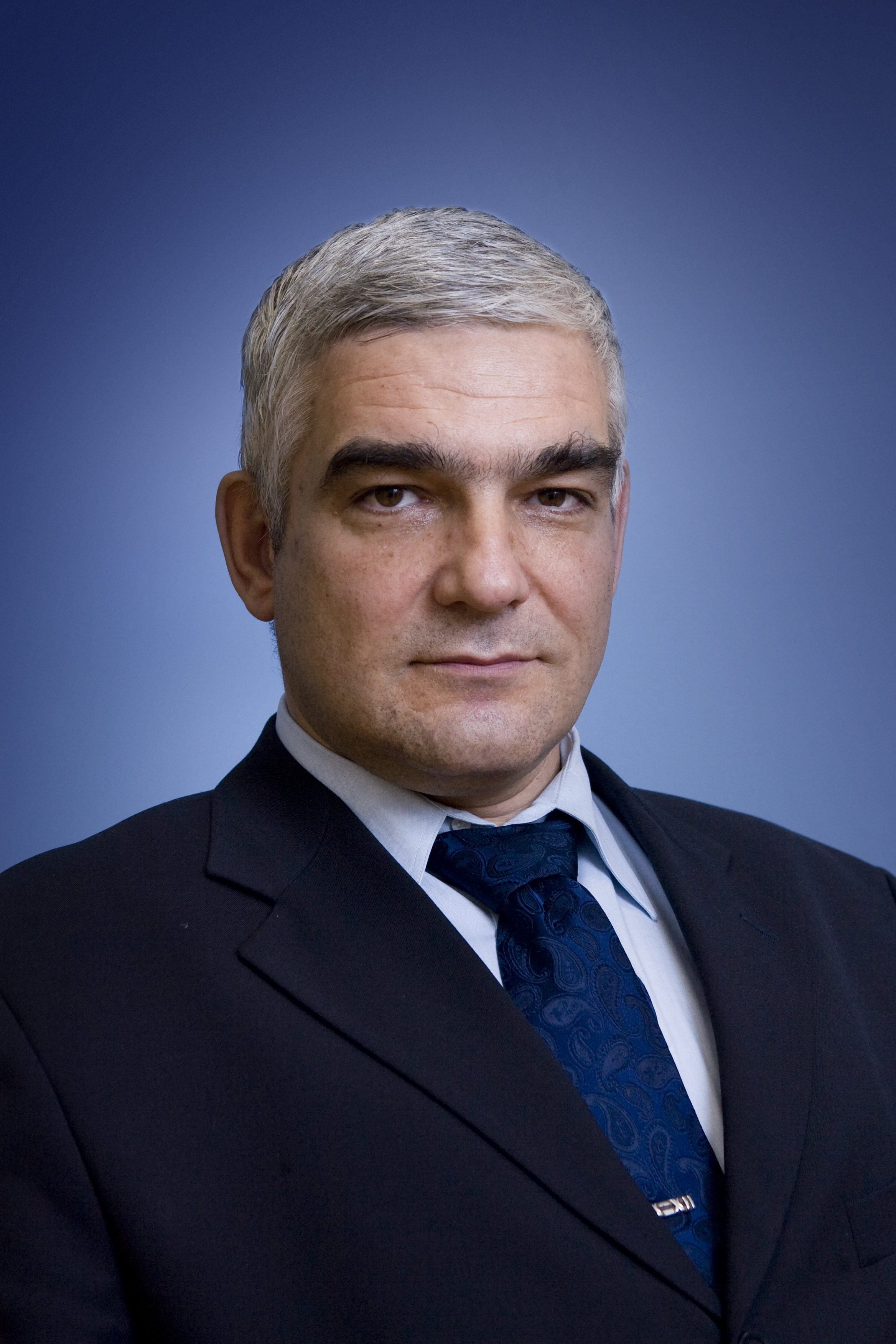
Former Scholar-in-Residence, The East East: Partnership Beyond Borders Program, Moscow Center
Ryabov was chair of the Carnegie Moscow Center’s East East: Partnership Beyond Borders Program. He is also the chief editor of the journal World Economy and International Relations and a leading researcher at the Russian Academy of Sciences’ Institute of World Economy and International Relations.
Recent Work


Dmitri Trenin, Alexey Arbatov, Maria Lipman, …
Andrei Ryabov
Carnegie does not take institutional positions on public policy issues; the views represented herein are those of the author(s) and do not necessarily reflect the views of Carnegie, its staff, or its trustees.

Mounting economic strain and battlefield losses will not necessarily make the Kremlin less dangerous. They could instead push Moscow toward a more aggressive hybrid campaign designed to test NATO’s Eastern flank, exploit allied hesitation, and fracture European resolve.

Maksym Beznosiuk

Over the past ten years, NATO has held almost as many summits as it did during the entirety of the Cold War. Are they still useful, or is it time to stop holding annual meetings?

Rym Momtaz, ed.

As the EU confronts profound challenges, several leaders have called for fundamental reform to the union’s model—but only modest, superficial changes have resulted. What if Europe really could be reimagined from zero today: What should such a redesigned European order look like?

Richard Youngs, ed.
Nearly a year and a half after Europeans leaned into sucking up to Trump, the strategy has produced some benefits when it comes to Ukraine.
Rym Momtaz
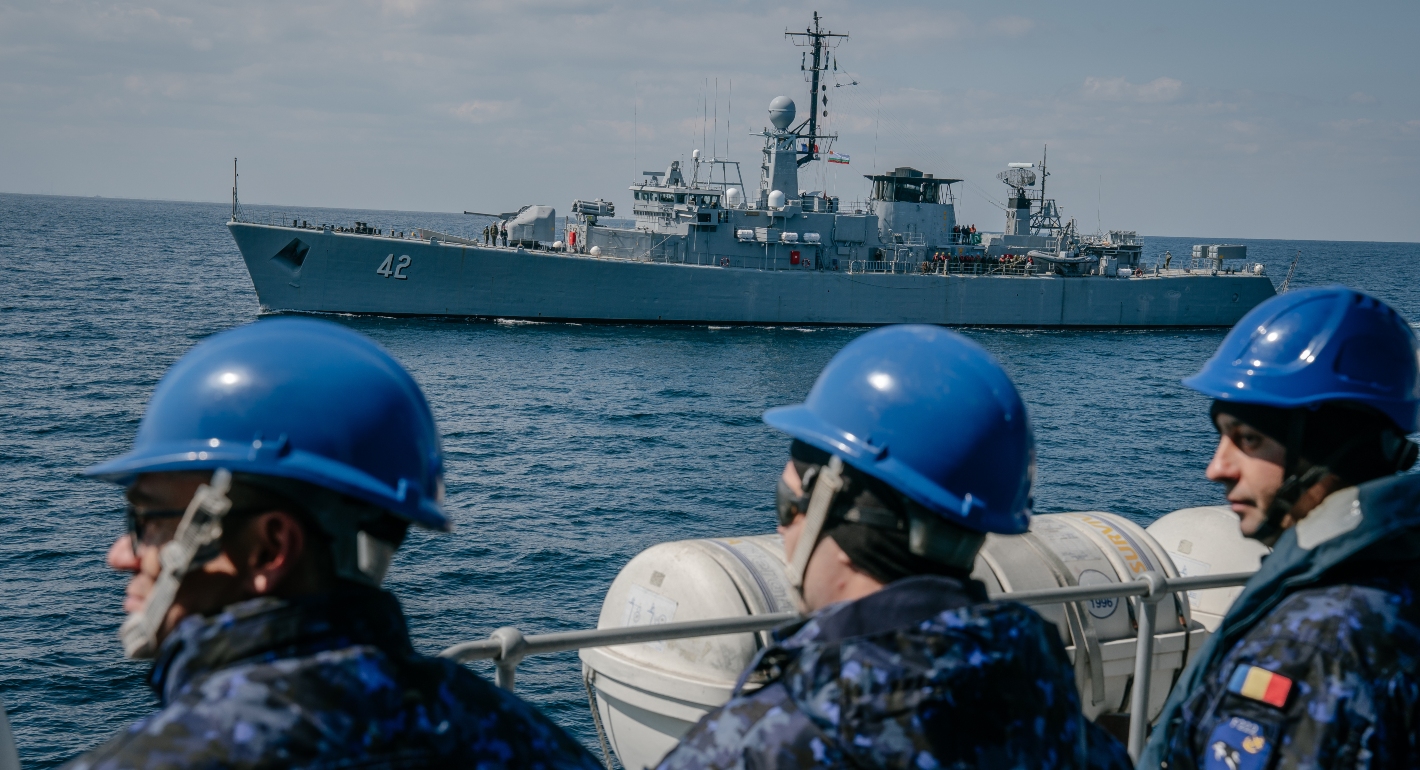
As Russia's war on Ukraine drags on, NATO is expanding its footprint in the Black Sea. Turkey, Romania, and Bulgaria are upgrading their fleets and deepening trilateral cooperation.

Dimitar Bechev