

Paper
Matthew Rojansky
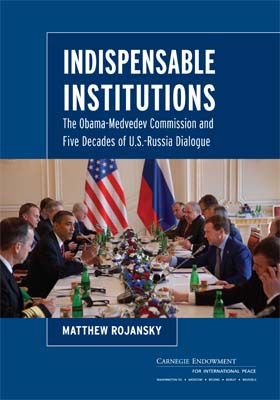
Although the U.S.-Russia Bilateral Presidential Commission, which aims to enhance cooperation between the two countries on a broad range of shared interests, appears promising so far, the two sides must work together closely to ensure it continues to produce results.
Having fallen to a historic low after the 2008 Russia-Georgia war, U.S.-Russia cooperation is again on the rise, thanks to last year’s “reset” of the relationship. The U.S.-Russia Bilateral Presidential Commission, launched at the July 2009 Moscow summit, aims to enhance cooperation between the two countries on a broad range of shared interests. Although the Commission appears promising so far, significant challenges lie ahead and the two sides must work closely to monitor both the structure and the substance of this new institution to ensure it continues to produce results.
Moscow and Washington have engaged each other directly since the 1950s, beginning with limited academic and technical exchanges that were closely monitored by government agencies on both sides. In the 1970s, summit diplomacy yielded parallel negotiations and agreements on a range of shared interests, from health science to agriculture. The 1980s brought the first standing ministerial working groups, which managed a complex agenda of security, economic, and humanitarian issues.
It was only after the Cold War, however, that both sides began to fully explore how their cooperation could benefit common interests. Over the past two decades, two distinct experiments in bilateral institutional cooperation—the Gore-Chernomyrdin Commission and the Bush-Putin Strategic Dialogue—produced important lessons about how to structure engagement effectively. But these and other efforts suffered from numerous problems, including bureaucratic inflexibility, distrust between and within the two governments, and an emphasis on personal rather than institutional relationship-building.
To address these shortcomings, the organizers of the new commission created a streamlined, flexible structure that fosters interaction at multiple levels and assigns responsibility for deliverables to specific individuals. Led by Presidents Obama and Medvedev, the Commission’s Coordinators are U.S. Secretary of State Hillary Clinton and Russian Foreign Minister Sergei Lavrov, who oversee seventeen substantive working groups that are in turn co-chaired by senior executive branch officials from both countries. The working groups address topics ranging from nuclear security and arms control to educational and cultural exchanges, and the Coordinators report on the Commission’s overall progress to the presidents at least once a year.
Thanks to strong support from the White House and the Kremlin, plus the efforts of dozens of officials connected to the individual working groups, the Commission has produced impressive results in its first year. Already a traditional strength of the U.S.-Russia relationship, security cooperation now includes new binding arms control and nonproliferation agreements, joint efforts to combat terrorism and drug trafficking, and concrete Russian assistance for the NATO mission in Afghanistan. The Commission also achieved progress in less traditional areas, such as facilitating dialogues on small business and environmental issues, sponsoring people-to-people exchanges, and promoting joint scientific research, to name just a few examples.
Despite these early successes, the Commission needs enhanced institutional support to remain effective. Organizers must:
In addition, individual working groups would benefit from an enhanced focus on the following specific goals:
Continuing the Commission’s record of success and delivering the results that both sides want will require attention from the very highest levels. Presidents Obama and Medvedev should maintain regular, direct communication about the Commission’s progress and goals. At the same time, working-level officials on both sides must apply creativity and flexibility to the challenges of building effective joint programs while overcoming bureaucratic inertia, political distractions, and outdated prejudices.
The history of U.S.-Russia bilateral engagement shows that managing the relationship successfully requires sound institutions to advance the interests of both sides and to sustain global peace and security. Without continuing high-level attention and follow-through on concrete, achievable goals, even this latest success story could quickly lose momentum, setting relations between Moscow and Washington once again adrift.

Former Deputy Director, Russia and Eurasia Program
Rojansky, formerly executive director of the Partnership for a Secure America, is an expert on U.S. and Russian national security and nuclear-weapon policies.
Recent Work
Matthew Rojansky
Matthew Rojansky
Carnegie does not take institutional positions on public policy issues; the views represented herein are those of the author(s) and do not necessarily reflect the views of Carnegie, its staff, or its trustees.

A leak of Russian gas price data helps establish that China is paying Russia far less than Central Asian countries and Gazprom’s former European customers.

Sergey Vakulenko

The EU can impose sanctions but struggles to enforce them without the United States. With Washington increasingly disinterested in backing European interests, the bloc must now fend for itself.


Nicu Popescu, Tiago Antunes
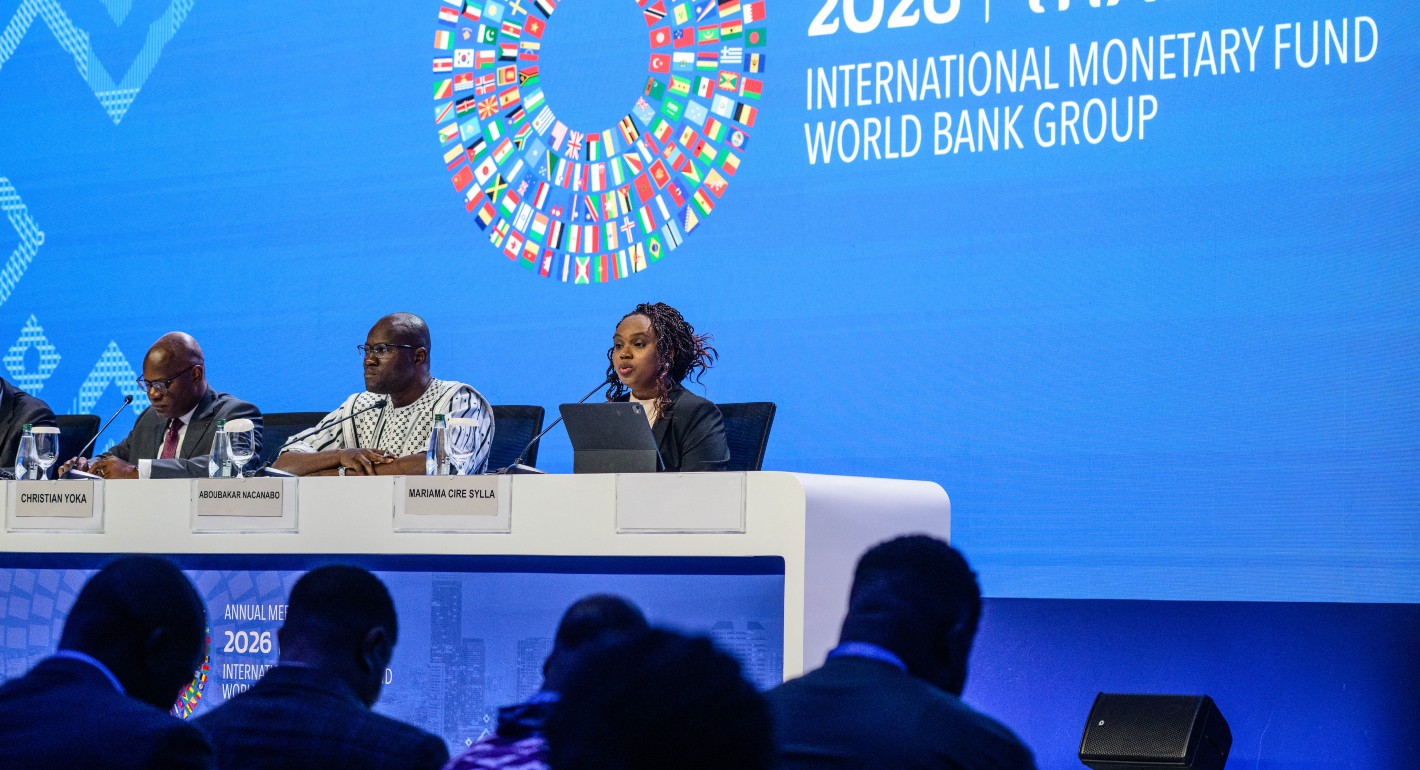
Global and rising powers will need to engage with Africa’s priorities and agency in order to secure the continent’s increasingly attractive partnerships.
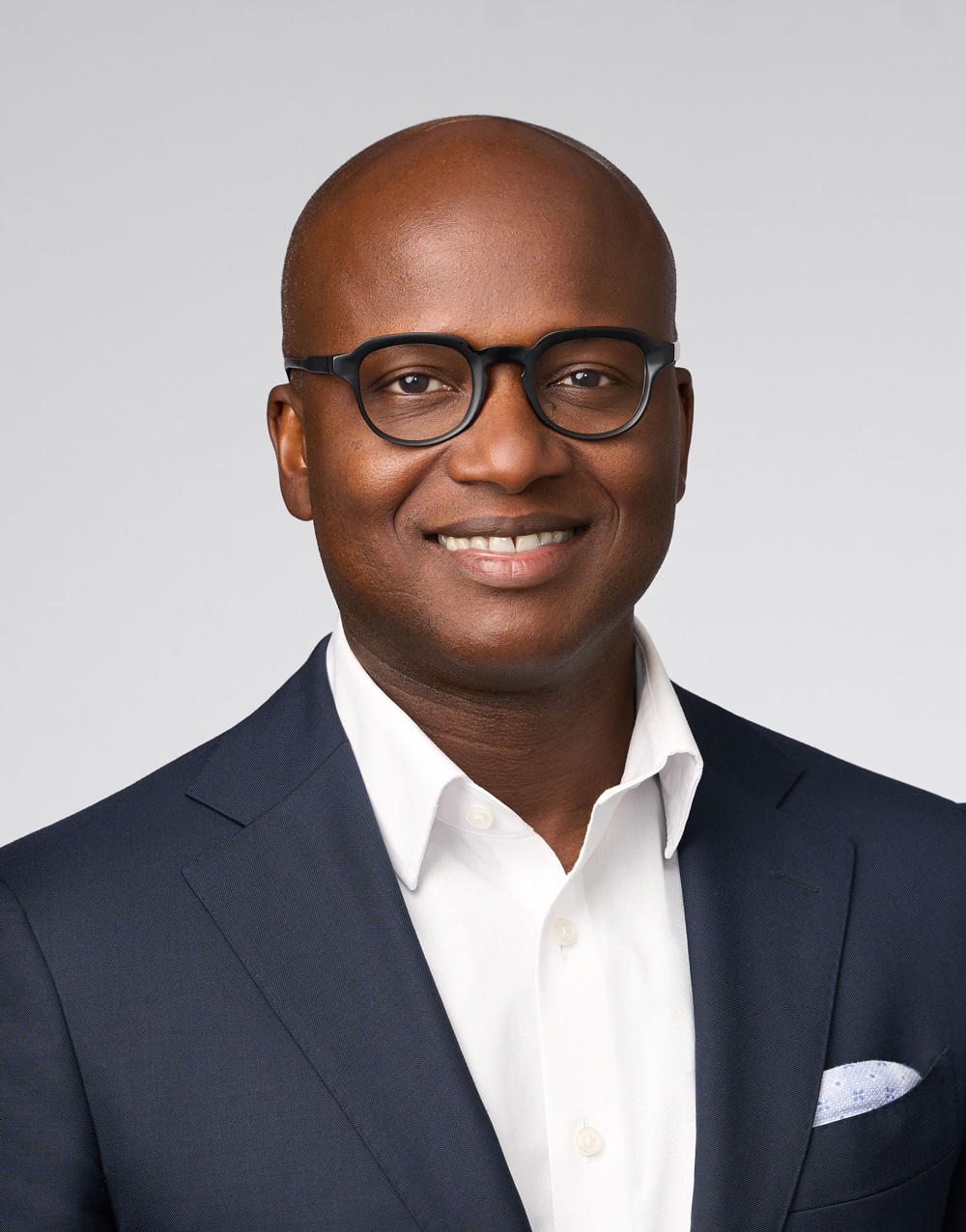
Fonteh Akum
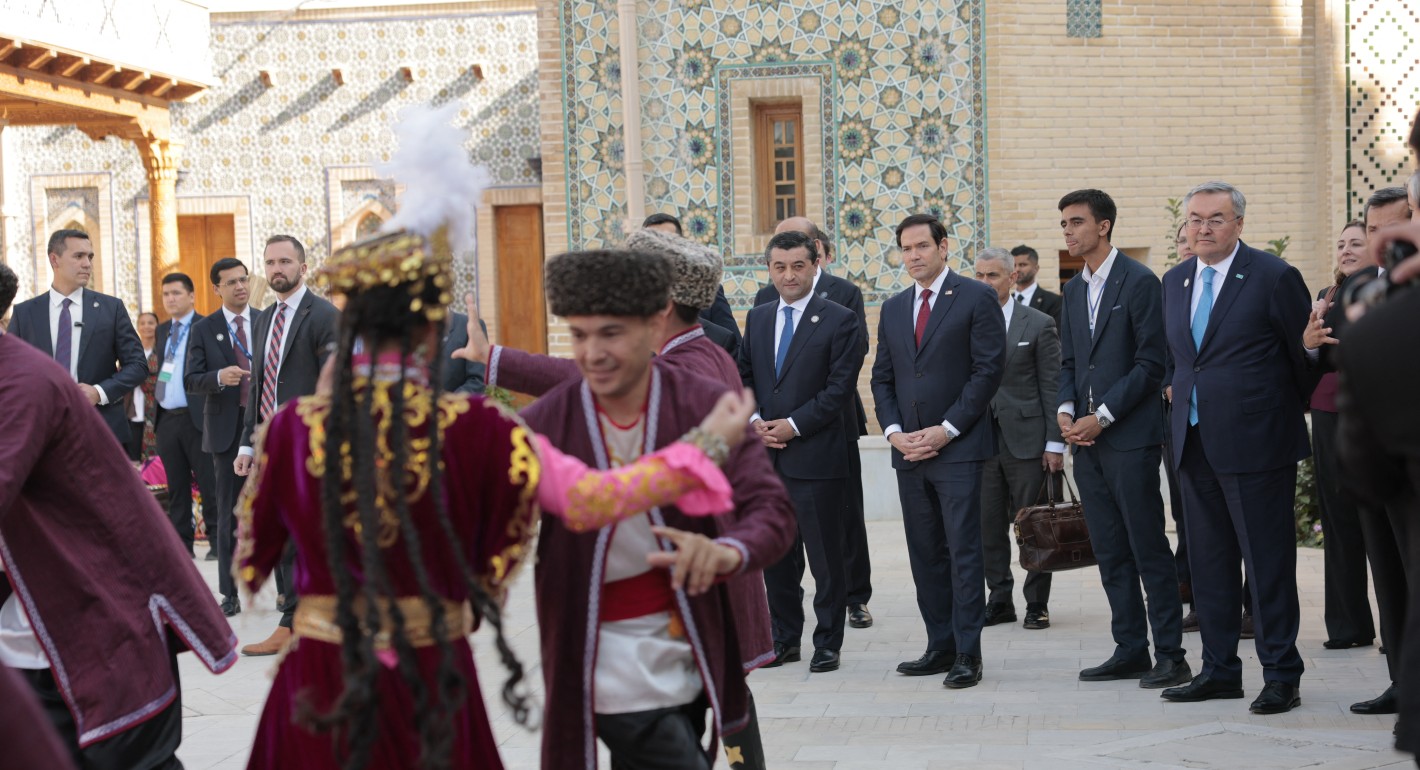
Rubio’s recent visit brought welcome attention, but more capital requires governance changes that may be a hard sell for regional governments.

Jennifer B. Murtazashvili

America’s foreign-policy objectives have grown more demanding while Americans have demanded greater focus on their own affairs.

Stephen Wertheim