

Commentary
Nuclear and maritime communities face a long and challenging journey to deploy commercial nuclear applications at sea.
Jamie Kwong, Toby Dalton
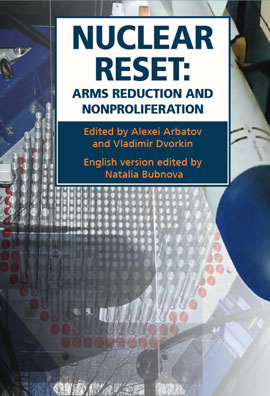
The concept of nuclear disarmament as an essential condition for nuclear nonproliferation is again entering the realm of practical politics, but the movement toward nuclear disarmament is extremely difficult and fraught with great dangers.
Source: Moscow: Carnegie Moscow Center

The continued image of nuclear arms as an indispensable pillar of superpower security combined with the absence of progress on the issue of nuclear disarmament spurs the risk of nuclear proliferation and eventually military or terrorist use of nuclear arms. Nuclear Reset: Arms Reduction and Nonproliferation refutes the argument put forward by many politicians and experts, both in Russia and internationally, of a “civilizing effect” of nuclear weapons in international relations—implying nuclear states’ restraint in their foreign and military policies in the face of fears of nuclear catastrophe.
The book argues that after decades of heated debate the concept of nuclear disarmament as an essential condition for nuclear nonproliferation is again entering the realm of practical politics. Since genuine and consistent movement toward nuclear disarmament is extremely difficult and fraught with great dangers; realism and professionalism is required, taking into account all of the subtleties and the political, economic, military, and technological interrelationships around the issue. The book suggests that in this context there is a need for thorough and well-grounded linkage of all of the elements of the process and both its bilateral and multilateral formats.

Alexey Arbatov
Alexey Arbatov is the head of the Center for International Security at the Primakov National Research Institute of World Economy and International Relations.
Vladimir Dvorkin
Major General Dvorkin (retired) is a chief researcher at the Center for International Security at the Institute of World Economy and International Relations.

Natalia Bubnova
Former Head of Content Production, Moscow Center
Natalia Bubnova was head of content production at the Carnegie Moscow Center. She previously served as deputy director for communications at the Carnegie Moscow Center.
Carnegie does not take institutional positions on public policy issues; the views represented herein are those of the author(s) and do not necessarily reflect the views of Carnegie, its staff, or its trustees.
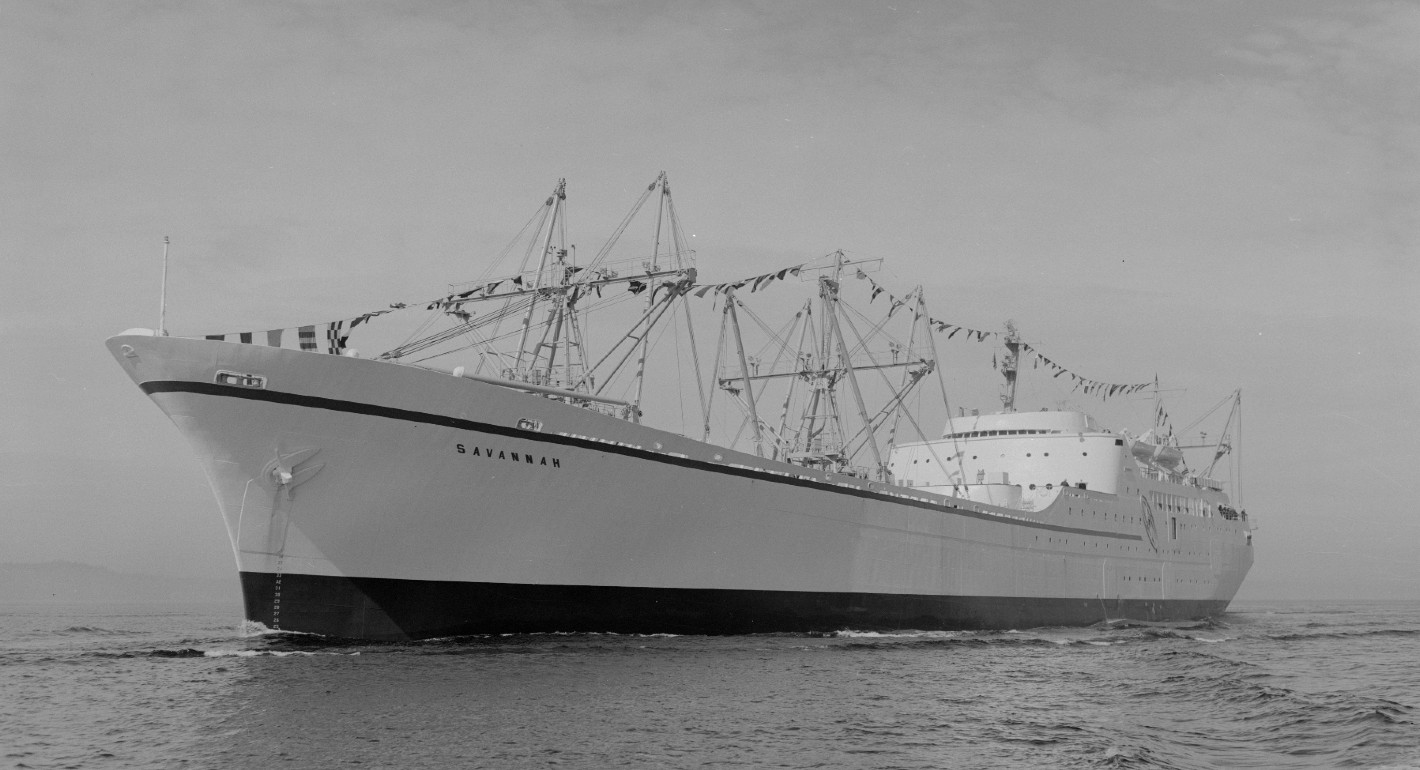
Nuclear and maritime communities face a long and challenging journey to deploy commercial nuclear applications at sea.


Jamie Kwong, Toby Dalton

In the discussions made possible by the State Duma election campaign, one question is being asked more and more loudly. “What next?”

Andrey Pertsev

Over the past decade, China has moved from marginal player to major producer of all things batteries. The United States, Europe, and others are aiming to balance the market.

Milo McBride

A look at how public opinion influences the credibility of coercive nuclear threats,and how it enables and constrains strategies of nuclear coercion.

Lauren Sukin, Samuel Seitz

The DFC should focus on advanced, low-carbon energy sources, prioritizing areas where the United States has comparative advantages.

Noah Gordon, Liana Schmitter-Emerson