

Commentary
Trade statistics show why Amman has more reason than Damascus to welcome the improvement in bilateral commerce.
Armenak Tokmajyan
Source: Getty
Boosting youth employment is one of the biggest challenges facing Arab governments over the next decade and it will require numerous reforms, including some to enable the private sector to drive economic growth.
Creating good jobs for young people in the Middle East is a longstanding challenge, but one that is now attracting more attention in the aftermath of the Arab Spring. Unemployment among youth in the Middle East is hovering around 25 percent. (For comparison purposes, unemployment among youth in the United States and United Kingdom, which are still mired in the fallout of the financial crisis, is 18 percent and 19 percent, respectively.) While it is difficult to generalize about youth unemployment across the entire Middle East and North Africa (MENA) region, it is possible to discern some important common themes.
First, unemployment is high among both young men and young women. Second, unemployment is structural in nature and not only linked to cyclical factors. The link between growth and job creation is also weak in MENA countries. In part, this is because growth is overly reliant on the oil sector. The public sector, in addition, is bloated in most of the MENA region, while the private sector is underdeveloped. Finally, there is a mismatch between education and skill levels among the unemployed and labor market demand.
Young people between the ages of 15 and 24 account for over 70 percent of the unemployed in Qatar, over 60 percent in Egypt, and over half in Syria and Bahrain (see chart). Unemployment takes a personal toll on youth, but it also means that young people are less able to contribute to society. Most unemployed young people, for example, are unmarried and live with their parents. This makes it difficult for the parents to save and improve their station in life.

Declining labor productivity is another serious problem across the region. While lower labor productivity, other things being equal, generally means higher employment, it also means lower real wages and less attractive jobs. As the chart shows, GDP per worker in the MENA region has fluctuated around one percent for the past 20 years. Because real wages are directly related to worker productivity, wages in the region have either declined or stagnated during this time. This means that, even if young people succeed in joining the labor market, they are more likely to hold low-wage jobs.

Demographic challenges will define the Middle East’s economic future. High population growth rates are exerting enormous pressure on labor markets as new generations prepare to enter the workforce. As shown in the chart, the Middle East has exhibited the highest labor force growth rate in the world, surpassing even sub-Saharan Africa.

In 2009, the region’s labor force totaled some 135 million workers. By 2020, it is expected to reach 185 million. This means that countries in the Middle East need to create 50 million jobs over the next 10 years or five million jobs per year, compared to an average of around three million jobs per year over the last 10 years. Accounting for some 14 million who are already unemployed, the annual target for job creation would rise to around 6.5 million jobs per year, which is not an easy task. Youth population projections (see table 1) indicate that the need to create similar numbers of jobs each year will likely persist beyond 2020.
But this challenge may also bring opportunity. The extent to which the MENA countries benefit from a young workforce and gain a leg up in a global economy increasingly geared towards knowledge and innovation will determine whether the demographic boom is really a curse or in fact a blessing.
| Table 1: Percentage of Population Between Ages 15-24 | ||||||
|---|---|---|---|---|---|---|
| 2010 | 2020 | 2030 | ||||
| Algeria | 20.6% | 15.0% | 15.5% | |||
| Egypt | 19.7% | 17.3% | 16.9% | |||
| Iraq | 19.6% | 19.9% | 19.4% | |||
| Jordan | 21.5% | 19.7% | 17.9% | |||
| Libya | 17.7% | 17.1% | 18.0% | |||
| Morocco | 19.6% | 16.4% | 15.4% | |||
| Saudi Arabia | 18.0% | 15.0% | 15.6% | |||
| Tunisia | 19.0% | 13.7% | 14.1% | |||
| Source: 2010 UN World Population Prospects. | ||||||
Why hasn’t the region’s solid growth over the last 20 years yielded employment gains, and why have living conditions continued to deteriorate?

As indicated in figure, unemployment has remained high despite positive growth rates over the past two decades. A number of factors are contributing to this situation.
Sources of growth: The oil sector, which accounts for much of the growth in oil-producing countries, is very capital-intensive and generates relatively few jobs. Also, oil price fluctuations have had a significant effect on growth rates in the past. Large fluctuations in oil prices lead to unstable growth prospects, which are reflected in a weaker investment climate.
Oversized public sector: Reflecting state patronage, government institutions are overstaffed and government employees are paid more than in the private sector. Table 2 shows that government wages in the MENA region amount to 9.8 percent of GDP, the highest rate worldwide. In the long run, high levels of government employment limit economic growth by trapping workers in less productive public sector jobs and deterring investment in the private sector.
| Table 2: Central Government Wage Bill in the 1990s | ||||||
|---|---|---|---|---|---|---|
| Government Wages Percent of GDP | Ratio of public to private sector workers | |||||
| MENA | 9.8 | 1.3 | ||||
| Africa | 6.7 | 1.0 | ||||
| Latin America | 4.9 | 0.9 | ||||
| Asia | 4.7 | 0.8 | ||||
| OECD | 4.5 | 0.9 | ||||
| Europe and Central Asia | 3.7 | 0.7 | ||||
| Source: World Bank. | ||||||
Underdeveloped private sector: The Middle East has undergone a large wave of privatization over the last two decades. But many key economic sectors remain under direct state control or, more often, under the control of oligopolists who have established crony relationships with the state. The private sector is still subject to numerous constraints and distortions and is not growing fast enough to absorb the large number of first-time job seekers.
Labor market inefficiencies: Structural rigidities in labor markets limit employers’ appetite to hire. These include unsustainable practices such as lifetime job security programs and large retirement packages that characterized the patronage of former authoritarian regimes. Large regional imbalances exist between labor supply and demand within each country. In addition, there is a serious mismatch between the specialization of young university graduates on the one hand and the skills needed by labor markets on the other. Finally, there is a serious information deficit that limits awareness of emerging job opportunities across the labor force.
The role of the state in the Middle East is deeply rooted in the populist economic policies of past regimes. These policies still reflect the interventionist and redistributive role that the state has played dating back to the 1950s, without almost any adherence to good governance standards and democratic practice.
Structural adjustment and subsequent liberalization in the 1990’s created some room for growth but failed to survive the old development model fortified by social contracts and authoritarian political systems. Reform in the 1990’s has led to a hybrid model of development that has continued to discourage the expansion of the economy’s productive base.
A new approach should be tailored around the central theme of creating jobs and benefiting from the workforce’s youth to gain competitive advantage in the global economy. Four measures that would contribute to this goal include improving the investment climate and allowing the private sector room in which to operate; investing in skills that the market needs including in sectors that are relatively novel and fast-growing; reforming labor market regulations so as to increase mobility and flexibility; and establishing inter-regional agreements that facilitate the flow of skilled labor among Arab states to alleviate mismatches between workers’ skill and education levels and job openings.
Ibrahim Saif is a resident scholar at the Carnegie Middle East Center. Joulan Abdul Khalek is a research assistant at the Carnegie Middle East Center.

Former Senior Associate, Middle East Center
Saif is an economist specializing in the political economy of the Middle East. His research focuses on international trade and structural adjustment programs in developing countries, with emphasis on Jordan and the Middle East.
Joulan Abdul Khalek
Carnegie does not take institutional positions on public policy issues; the views represented herein are those of the author(s) and do not necessarily reflect the views of Carnegie, its staff, or its trustees.
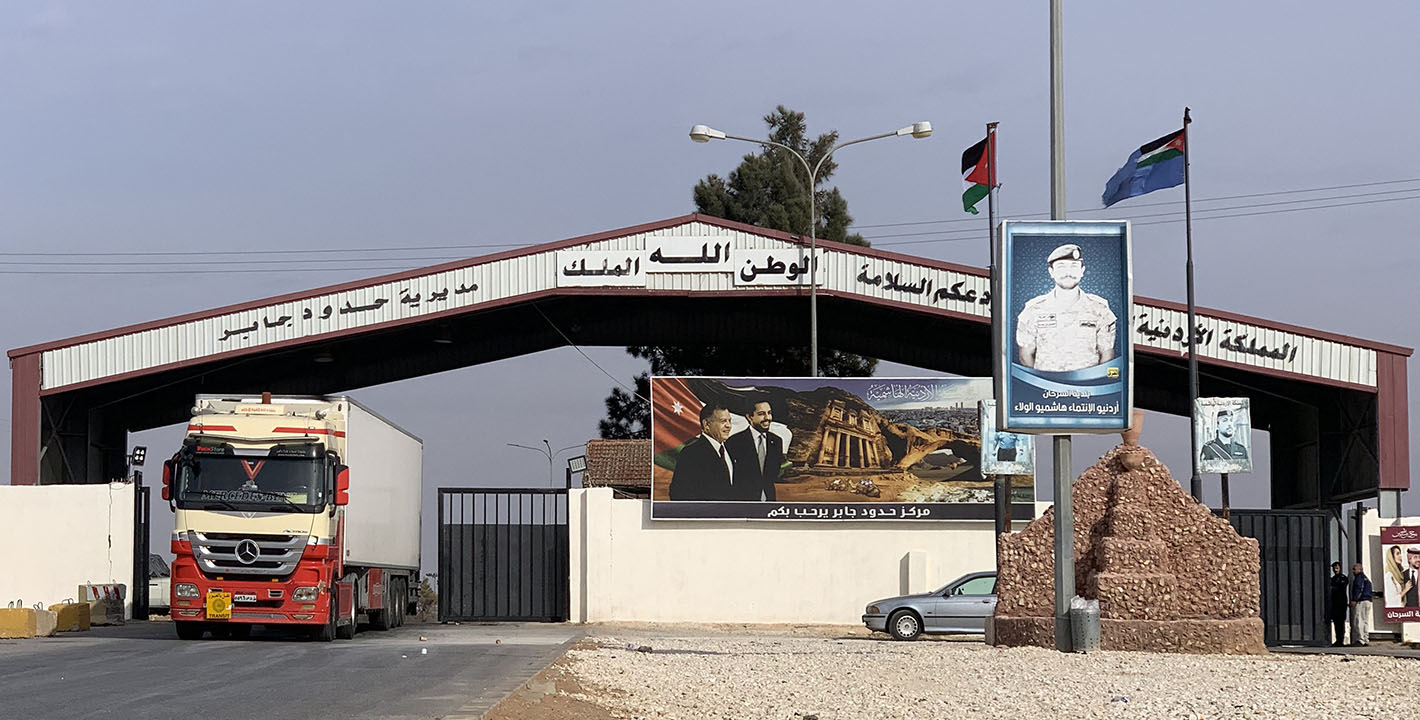
Trade statistics show why Amman has more reason than Damascus to welcome the improvement in bilateral commerce.

Armenak Tokmajyan
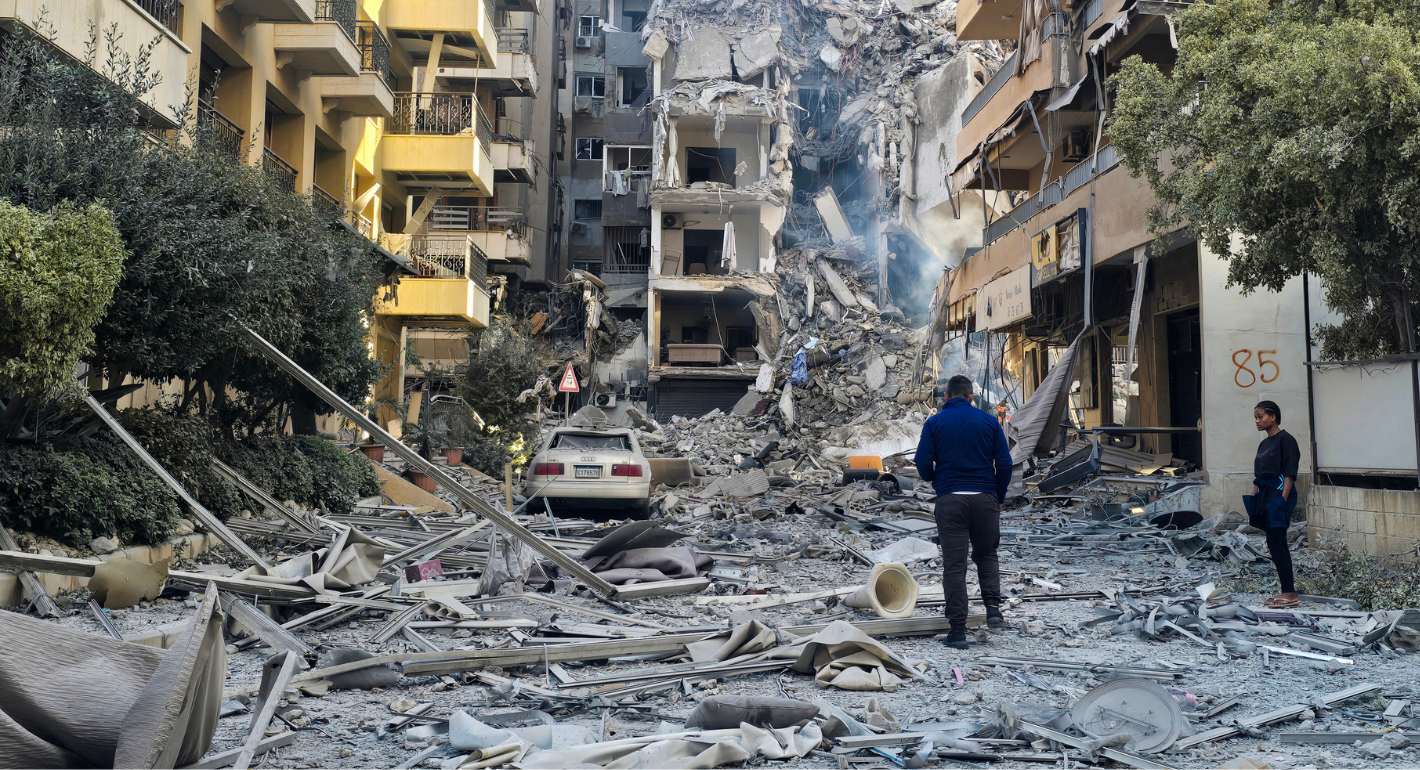
Europe seems to have accepted its sidelining in the Middle East. The EU must reassert its support for the international rules-based order and step up engagement.

Rym Momtaz

If Indigenous land and water dispossession is ignored, climate adaptation strategies risk reproducing inequalities and worsening acute climate vulnerability.

Frederic Wehrey, Charles H. Johnson

The demands of the Kremlin’s war in Ukraine, demographic problems, and public hostility toward Central Asians mean Russia does not have enough workers.

Salavat Abylkalikov
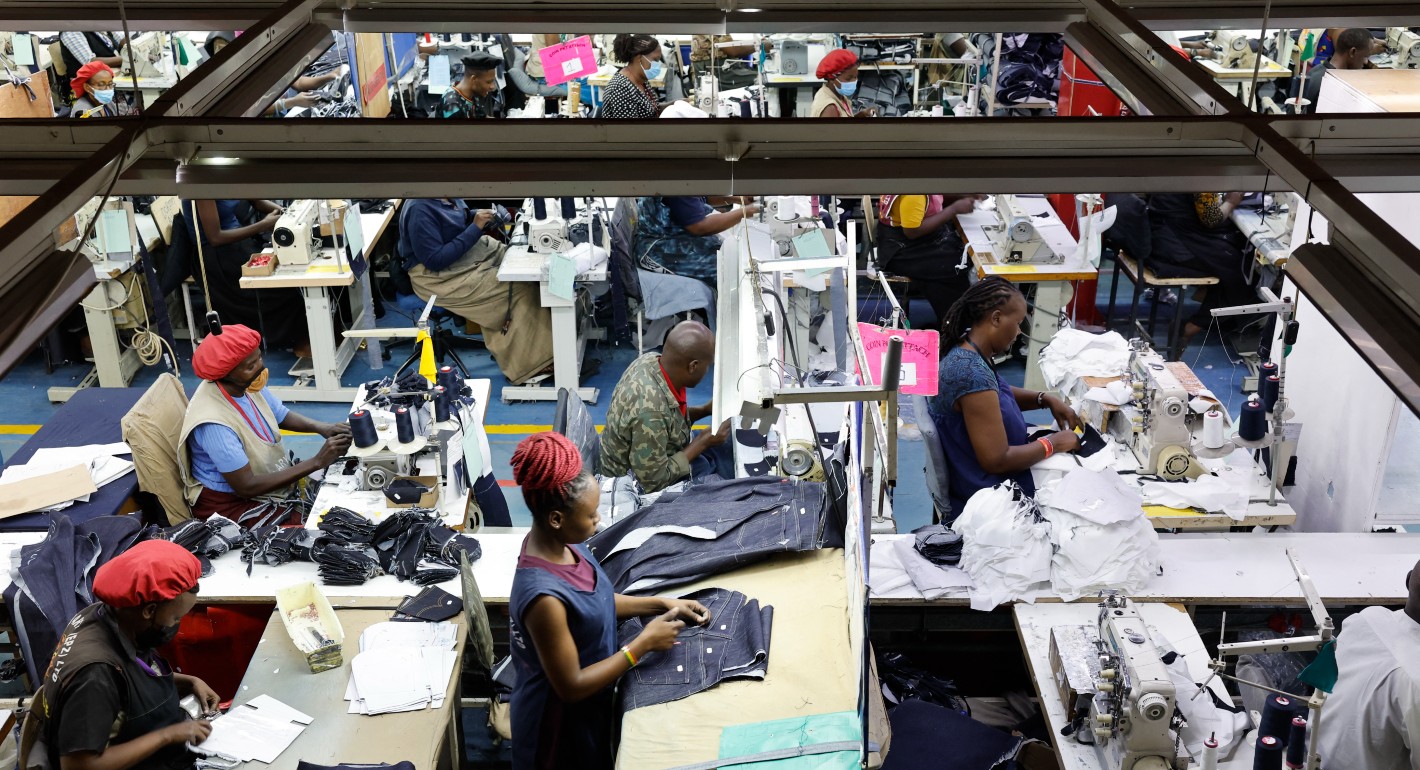
Strengthening U.S.-Africa trade and advancing U.S. interests aren’t conflicting goals.


Tyler Beckelman, Kholofelo Kugler