

Commentary
It should address the shortcomings of previous crisis communication efforts and adapt to the demands of frontier AI.
Lucy Luo
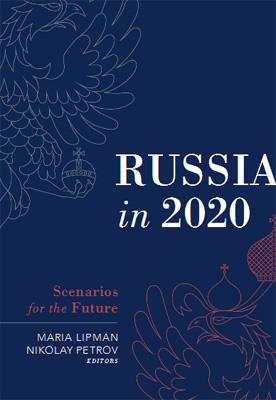
While Vladimir Putin is unlikely to give up power any time soon, the political and economic system he created is incapable of dealing with Russia’s rapidly changing conditions. Crises are likely unavoidable unless Russia changes and modernizes.
Source: Washington
As Vladimir Putin prepares to return to the presidency in the 2012 elections, the prospects for Russia’s future are unclear. Russia in 2020, also available in Russian, brings together leading experts from Russia, the United States, and Europe to analyze the possible scenarios for Russia’s development in the next decade and the risks that lie ahead.
Despite Putin’s imminent return, the authors believe that the so-called Putin era is over. This does not mean that Putin will soon give up power, but the political and economic system he created is incapable of dealing with Russia’s rapidly changing conditions. Crises are likely unavoidable unless Russia changes and modernizes.
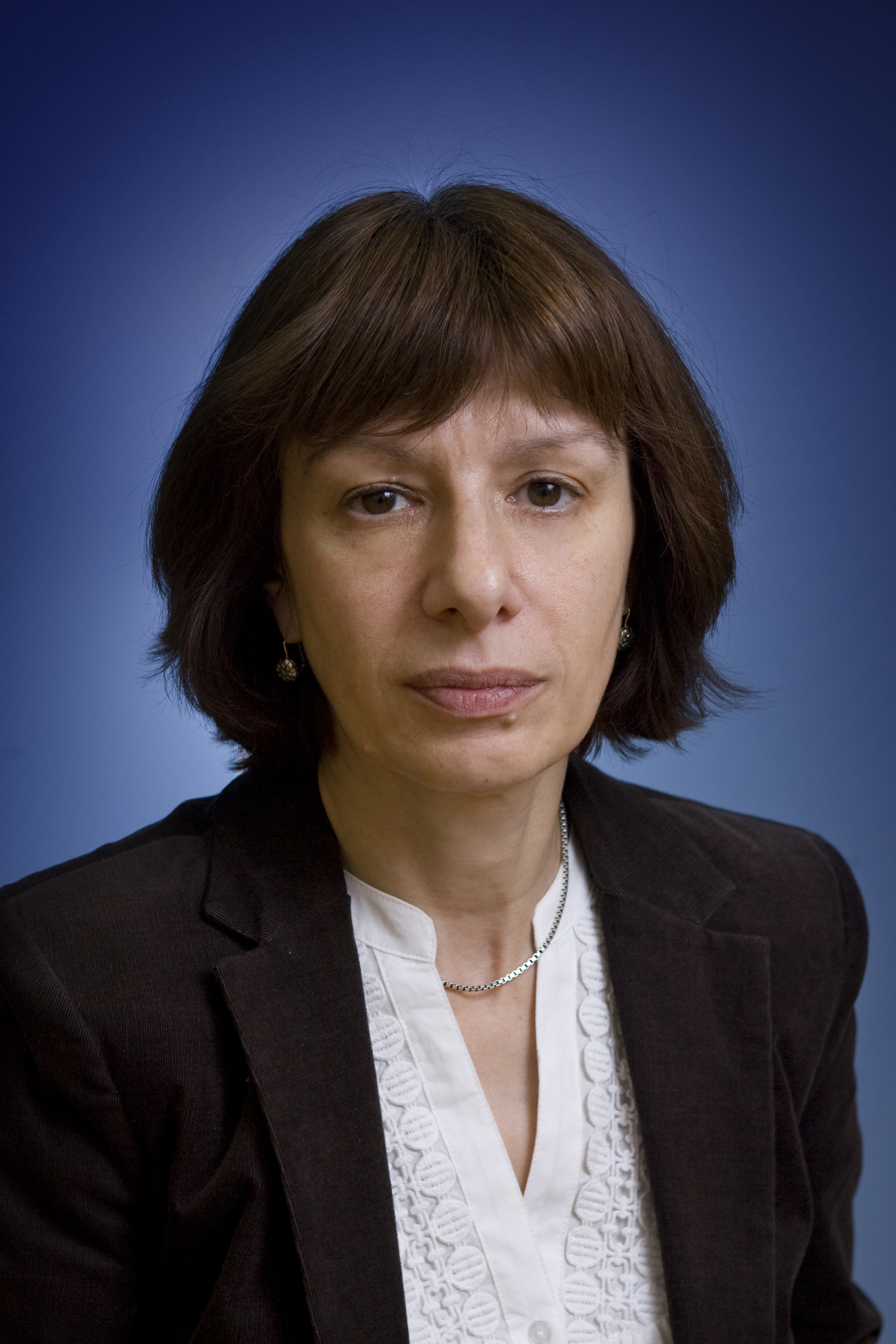
Former Scholar in Residence, Society and Regions Program, Editor in Chief, Pro et Contra, Moscow Center
Lipman was the editor in chief of the Pro et Contra journal, published by the Carnegie Moscow Center. She was also the expert of the Carnegie Moscow Center’s Society and Regions Program.
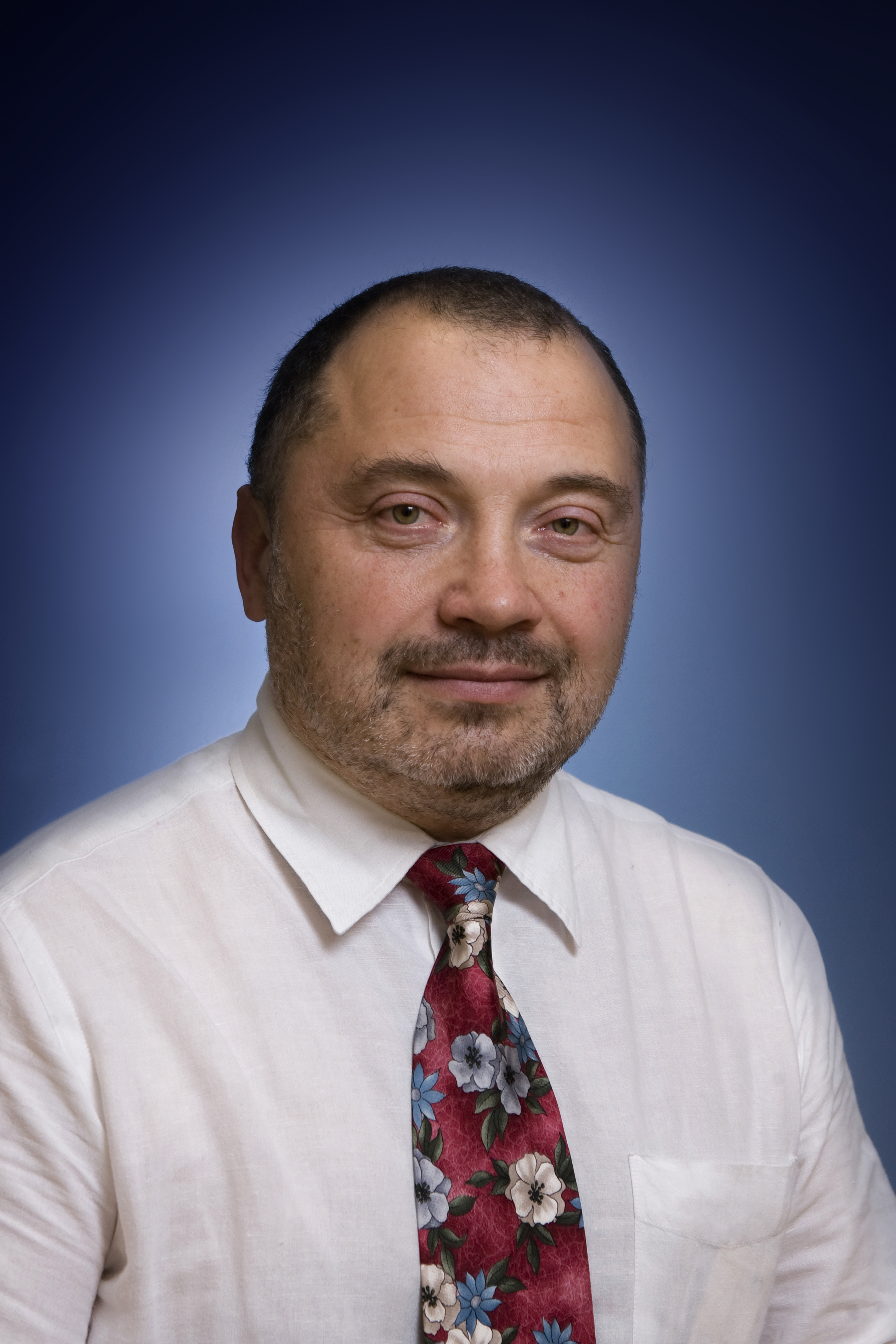
Former Scholar-in-Residence, Society and Regions Program, Moscow Center
Nikolay Petrov was the chair of the Carnegie Moscow Center’s Society and Regions Program. Until 2006, he also worked at the Institute of Geography at the Russian Academy of Sciences, where he started to work in 1982.
Carnegie does not take institutional positions on public policy issues; the views represented herein are those of the author(s) and do not necessarily reflect the views of Carnegie, its staff, or its trustees.

It should address the shortcomings of previous crisis communication efforts and adapt to the demands of frontier AI.

Lucy Luo

If the Russian-speaking community in Latvia cannot articulate their interests without being seen as disloyal, they could end up embracing a pro-Kremlin agenda.

Sergejs Potapkins

Washington’s decision to support some UN functions while letting others wither is pulling the organization apart at the seams.

Stewart Patrick, Theodore Zaritsky

Are Germany’s economic, industrial, and political struggles becoming a liability for the EU’s ability to rise to the geopolitical moment?

Rym Momtaz, ed.

Russia’s ruling party would have benefited from Putin appearing as its distant patron, but as an active frontman imposing his views on the public, he has done nothing but harm both the party’s election campaign and the ruling system overall.

Andrey Pertsev