• Research
  • Emissary
  • About
  • Experts
Carnegie Global logoCarnegie lettermark logo
DemocracyIran
  • Donate
Salafis and Sufis in Egypt

Source: Getty

Paper

Salafis and Sufis in Egypt

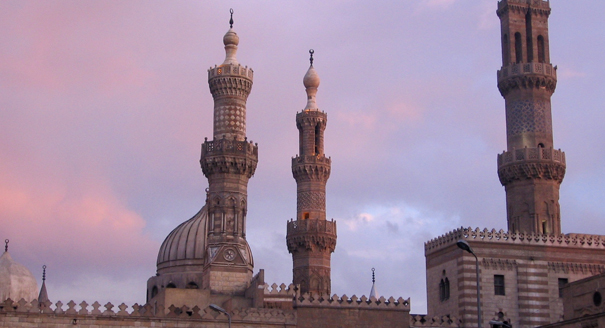
The spectrum of political Islam in Egypt now includes the Muslim Brotherhood, several conservative Salafi parties, and two Sufi political parties. Although these groups share a common foundation in Islam, there the similarity ends.

Link Copied
By Jonathan Brown
Published on Dec 20, 2011

Additional Links

Full Text
Program mobile hero image

Program

Middle East

The Middle East Program in Washington combines in-depth regional knowledge with incisive comparative analysis to provide deeply informed recommendations. With expertise in the Gulf, North Africa, Iran, and Israel/Palestine, we examine crosscutting themes of political, economic, and social change in both English and Arabic.

Learn More

As expected, Egypt’s first parliamentary election after the overthrow of longtime leader Hosni Mubarak confirmed the popularity and organizational strength of the Muslim Brotherhood and Freedom and Justice Party, which won 77 of the 156 parliamentary seats contested in the first electoral round. Surprisingly, it also revealed the unexpected strength of the Salafi alliance, dominated by the al-Nour party, which secured 33 seats. Much to the discomfort of secular Egyptians and Western governments, Islamist parties now dominate the Egyptian political scene.

The spectrum of political Islam in Egypt is no longer limited to the Muslim Brotherhood and the parties that derived from it, such as the Brotherhood’s official Freedom and Justice Party and the Wasat Party, a Brotherhood splinter group. Instead, it now includes several conservative Salafi parties, of which al-Nour is by far the most prominent, and two Sufi political parties, Tahrir Al-Misri and Sawt Al-Hurriyya, both of which fared badly in the first round of elections.

Although these groups share a common foundation in Islam, there the similarity ends. These Islamically motivated organizations have different approaches and beliefs and are taking distinctly divergent positions. Despite internal tensions, the Salafi parties united for the elections in a parliamentary alliance. They have also been engaged in a tense association with the Muslim Brotherhood, as the two Islamist camps seek to pool common resources while pursuing their own agendas. Meanwhile, Sufi parties and Sufi state institutions have positioned themselves alongside both secular parties and the surviving organs of the Egyptian political establishment.

Anxiety over Islamist victories and the emergence of the Salafis is clear in Egypt and in the United States. Most recently, Egypt’s ruling Supreme Council of the Armed Forces (SCAF) announced on December 7 that the parliamentary elections do not reflect popular opinion and that the new parliament will not oversee the drafting of the new constitution—although the SCAF subsequently backtracked and, at present, the situation is unclear. U.S. lawmakers have warned that they will not fund a government run by a "terrorist organization."

Such responses suggest an effort to marginalize Egypt’s new Islamist leaders. This approach will most likely prove unwise, as the democratic process, political involvement, and electoral accountability will continue to moderate Salafi views and policies over the long term. Overturning their electoral gains will reverse this trend and further empower these groups by placing them back in the seat of opposition.

About the Author

Jonathan Brown

Jonathan Brown

Additional Links

Full Text
North AfricaEgyptPolitical Reform

Carnegie does not take institutional positions on public policy issues; the views represented herein are those of the author(s) and do not necessarily reflect the views of Carnegie, its staff, or its trustees.

More Work from Carnegie Endowment for International Peace

  • Commentary
    Sada
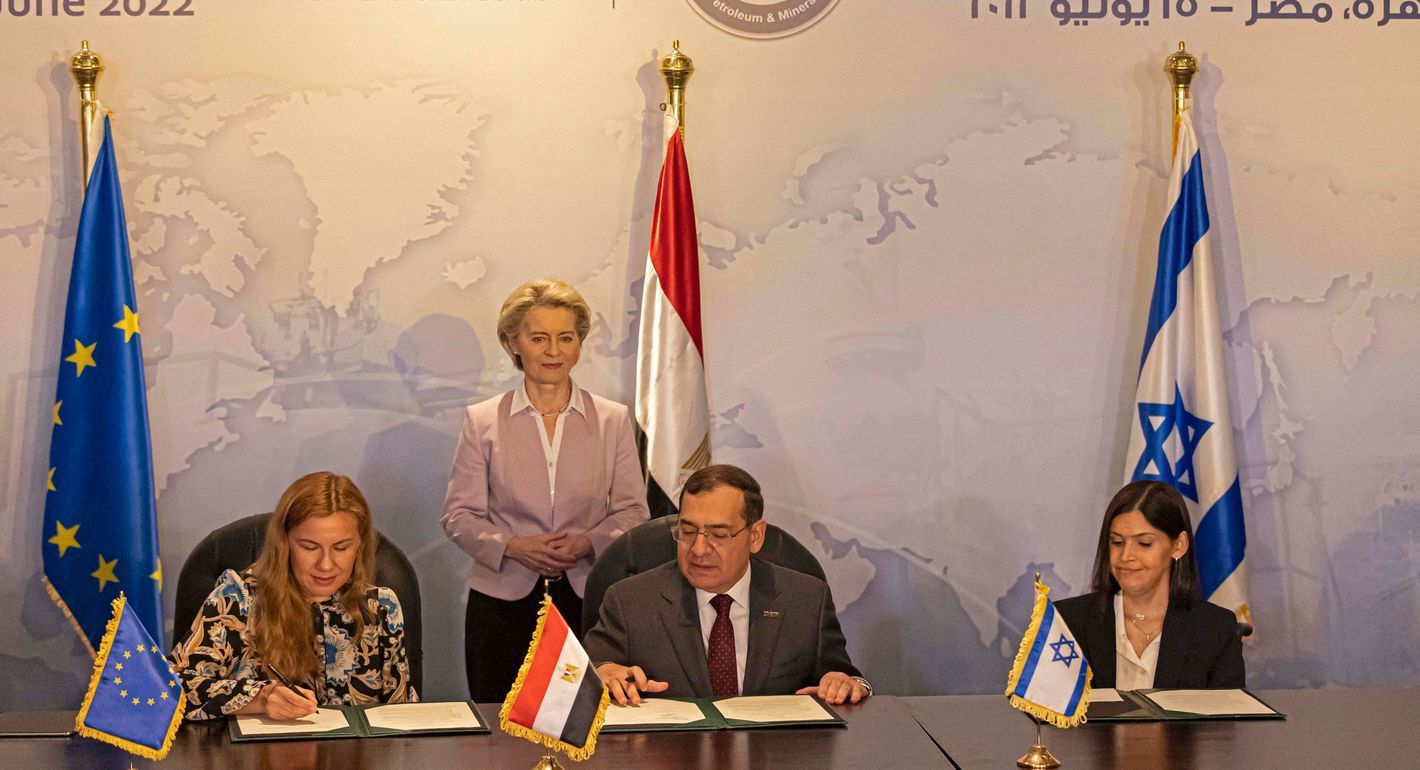
    Gas and Peace: Can Energy Trade Contain Egypt-Israel Conflict?

    Can economic ties help contain conflict between Egypt and Israel, or do they simply postpone confrontation? Drawing on the German-Russian experience, the article examines how the gas deal creates mutual dependence, keeps channels of cooperation open, and raises the cost of conflict, without necessarily delivering lasting peace.

      Nourhan Hefzy
  • Commentary
    Carnegie Politika
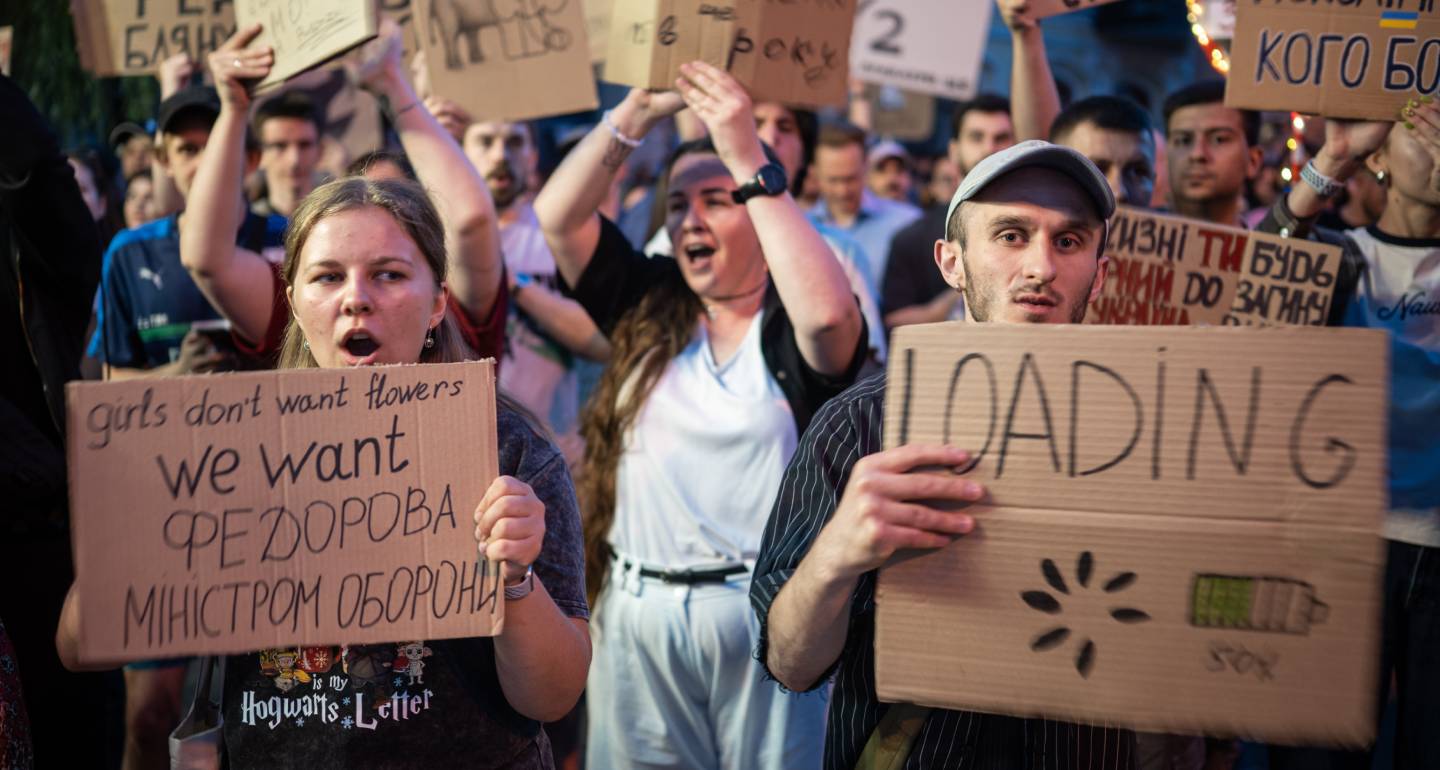
    As a Former Defense Minister Revolts in Ukraine, Is Zelensky’s System Fracturing?

    The greater threat to Zelensky comes not from Fedorov alone, but from the convergence between his political campaign and the anti-corruption investigations moving ever closer to the presidential administration.

      Balázs Jarábik

  • Commentary
    Carnegie Politika
    Fedorov’s Challenge to Zelensky Could Upend Ukrainian Politics

    With his public call for new elections in Ukraine, ex-defense minister Mykhailo Fedorov has opened Pandora’s box.

      Konstantin Skorkin

  • Commentary
    Carnegie Politika
    Russia’s Rubber-Stamp Duma Elections Are Exposing Schisms in Putin's Regime

    In the discussions made possible by the State Duma election campaign, one question is being asked more and more loudly. “What next?”

      Andrey Pertsev

  • People standing on rocks in the ocean near the shore, with soldiers in the foreground
    Commentary
    Emissary
    The Migration Wave That Embarrassed Morocco and Rattled Europe

    Most migrants may have left Ceuta, but the effects may linger.

      • Alejandro Rodriguez
      • Sarah Yerkes

      Alejandro Martin Rodriguez, Sarah Yerkes

Get more news and analysis from
Carnegie Endowment for International Peace
Carnegie global logo, stacked
1779 Massachusetts Avenue NWWashington, DC, 20036-2103Phone: 202 483 7600
  • Research
  • Emissary
  • About
  • Experts
  • Donate
  • Programs
  • Events
  • Blogs
  • Podcasts
  • Contact
  • Annual Reports
  • Careers
  • Privacy
  • For Media
  • Government Resources
Get more news and analysis from
Carnegie Endowment for International Peace
© 2026 Carnegie Endowment for International Peace. All rights reserved.