

In The Media
Lahcen Achy

Source: Getty
Tunisian policymakers should seize the opportunity to pursue an innovative economic strategy to overcome four key challenges: high rates of youth unemployment, a large number of marginal jobs, increasing income inequality, and substantial regional disparities.
As Tunisia moves away from its former regime, policymakers need to seize this historic opportunity to pursue an innovative economic strategy to overcome four key challenges: high rates of youth unemployment, a large number of marginal jobs, increasing income inequality, and substantial regional disparities.
To overcome the first challenge, Tunisia needs to develop a sustainable process of job creation that relies on a competitive private sector, and the government must remove barriers to entrepreneurship and investment. Although the country has achieved relatively high economic growth during the past decade, the contribution of private investment has remained low, and the former regime pursued a political agenda vis-à-vis the private sector. The government now instead needs to open different economic sectors to competition and pursue related reforms.
To overcome the second challenge, policymakers need to design incentives to channel resources toward selected high-value-added and knowledgeintensive sectors, and likewise stimulate product innovation and market diversification. The country must also pursue its real opportunities in agriculture, industry, and services to promote an intensive use of human capital and to diversify its markets beyond Europe.
To overcome the third challenge, Tunisia must review its public finance system to achieve social justice and equitable sharing of the tax burden by streamlining tax regulations and eliminating unjustified tax breaks, cracking down on tax evaders, and ensuring that all taxpayers contribute according to their capacity. Likewise, the government needs to rationalize public spending, reduce costly and regressive universal fuel subsidies, better target assistance programs to the poor, and improve the delivery of public services.
To overcome the fourth challenge, the government should design a comprehensive development strategy that promotes parity in access to basic services such as education and health across the country’s regions. Thus, the government can promote labor mobility between regions by investing in transportation infrastructure, easing access to affordable housing, and developing regional complementarities. Such measures will expand opportunities for the people who live in the interior of the country without depriving those on the coast and eventually lead to a more balanced standard of living across regions.
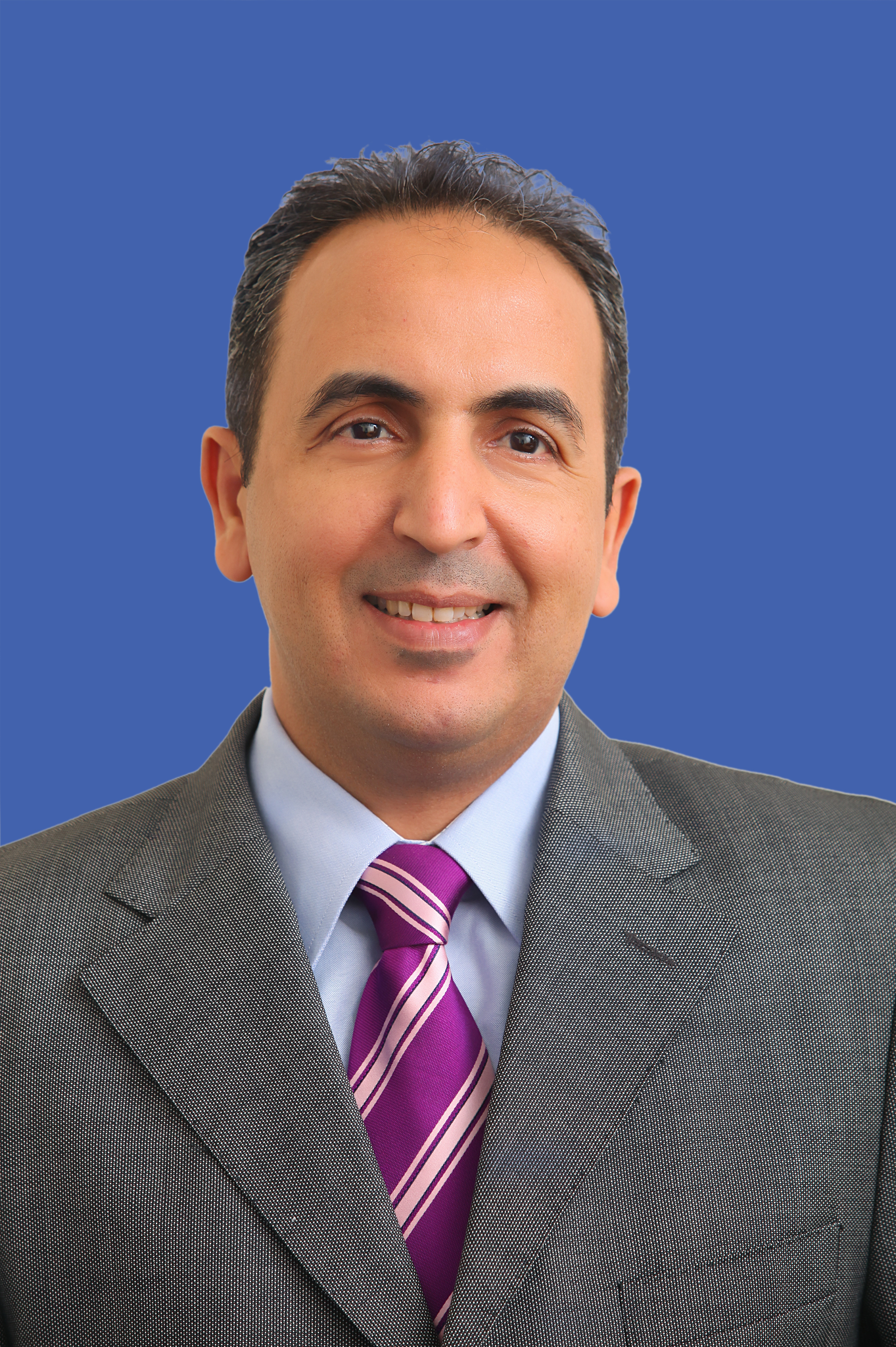
Former Nonresident Senior Associate, Middle East Center
Achy is an economist with expertise in development, institutional economics, trade, and labor and a focus on the Middle East and North Africa.
Recent Work
Lahcen Achy
Lahcen Achy
Carnegie does not take institutional positions on public policy issues; the views represented herein are those of the author(s) and do not necessarily reflect the views of Carnegie, its staff, or its trustees.

If the Russian-speaking community in Latvia cannot articulate their interests without being seen as disloyal, they could end up embracing a pro-Kremlin agenda.

Sergejs Potapkins

Russia’s ruling party would have benefited from Putin appearing as its distant patron, but as an active frontman imposing his views on the public, he has done nothing but harm both the party’s election campaign and the ruling system overall.

Andrey Pertsev

The Bureau of Industry and Security needs to adjust its focus and practices to maintain its position as the U.S. government’s primary champion of international technological competition.
Geoffrey Irving

Depleted financial reserves and a shrinking tax base mean it is no longer possible to simultaneously deliver high defense spending, price stability, and economic growth.

Alexandra Prokopenko

U.S. trading partners in Asia are closely watching the dispute for signs of how it may affect their own interests.
Barbara Weisel