

In The Media
Lilia Shevtsova
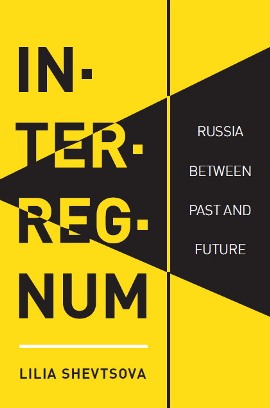
After the end of the political protests of 2011–2012, Russia has found itself in a troubled break between two eras. This is a time of conservatism, which, in its Russian incarnation, has morphed into a gloomy, almost medieval archaism.
Source: Carnegie Moscow Center
Lilia Shevtsova’s new book is a collection of essays about modern Russia and the processes that are related to it.After the end of the political protests of 2011–2012, Russia has found itself in the troubled time. This time can be described as “time out of time,” a break between two eras. One era has already ended, while the other has not yet begun. Living during this time is hard, and it is also hard to reflect on it and to find any signs of renewal. This is a time of conservatism; in its Russian incarnation that conservatism has morphed into a gloomy, almost medieval archaism.
In her new book, Shevtsova gives the reader some sense of this time without a trajectory, describing the major trends of Russian reality, its hot-button issues, as well as the challenges Russian society is facing.
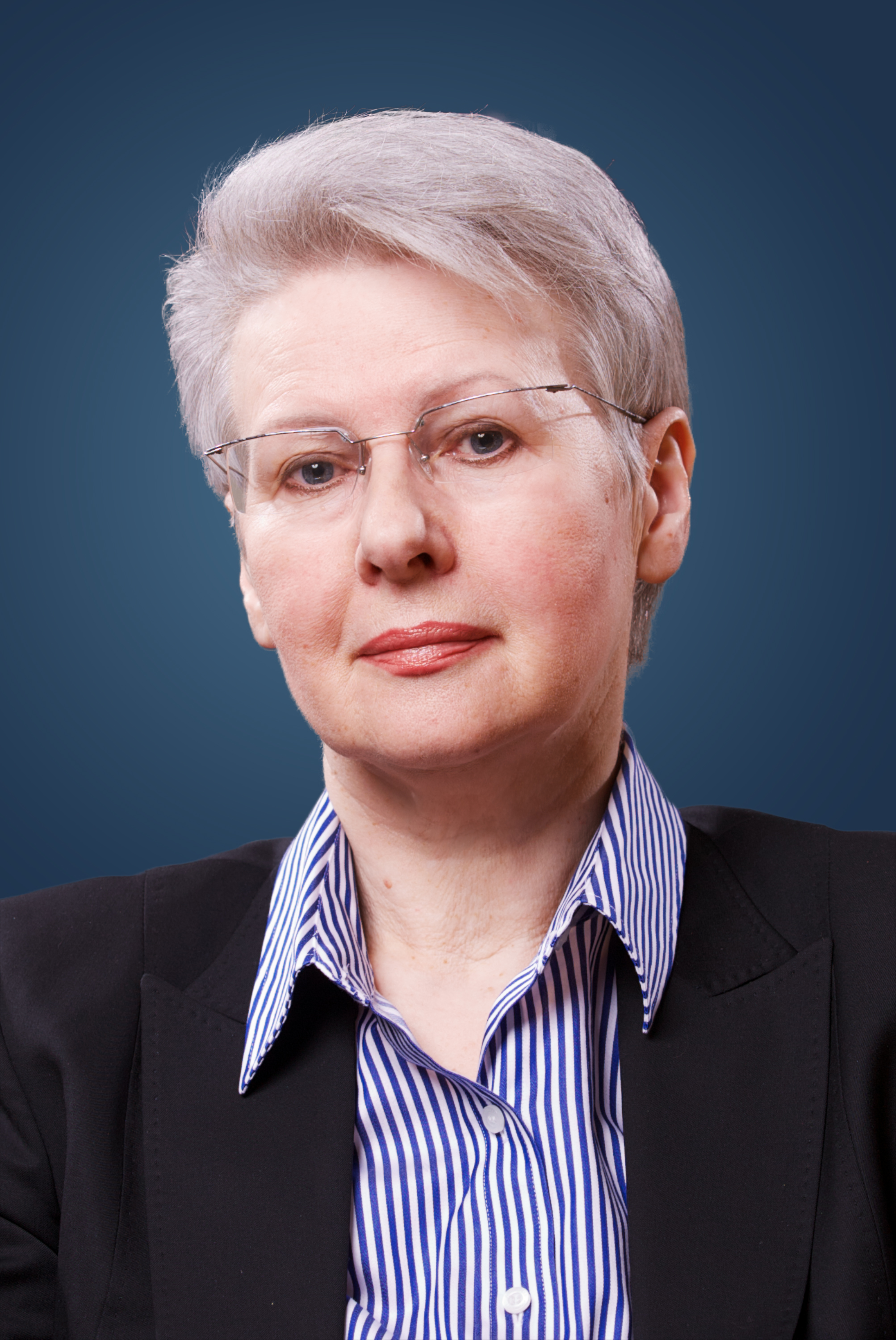
Former Senior Associate, Russian Domestic Politics and Political Institutions Program, Moscow Center
Shevtsova chaired the Russian Domestic Politics and Political Institutions Program at the Carnegie Moscow Center, dividing her time between Carnegie’s offices in Washington, DC, and Moscow. She had been with Carnegie since 1995.
Recent Work
Lilia Shevtsova
Lilia Shevtsova
Carnegie does not take institutional positions on public policy issues; the views represented herein are those of the author(s) and do not necessarily reflect the views of Carnegie, its staff, or its trustees.

Ongoing uncertainty in the Middle East allows Moscow to both increase its influence in Tehran and continue to enjoy the financial windfall of higher oil prices.

Nikita Smagin
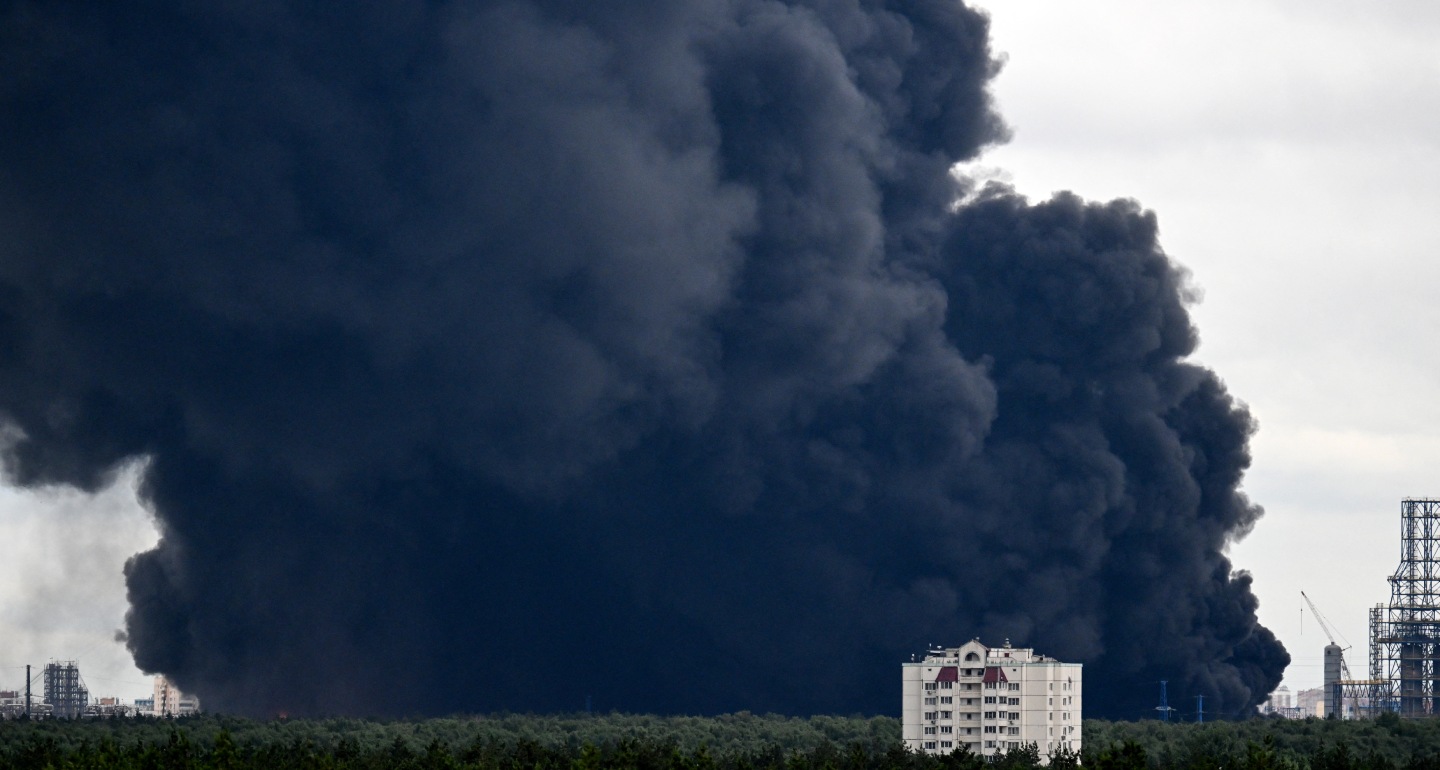
If it proves impossible for the Russian authorities to avoid a gasoline deficit, the question then becomes how they will organize the distribution of a scarce resource.

Sergey Vakulenko
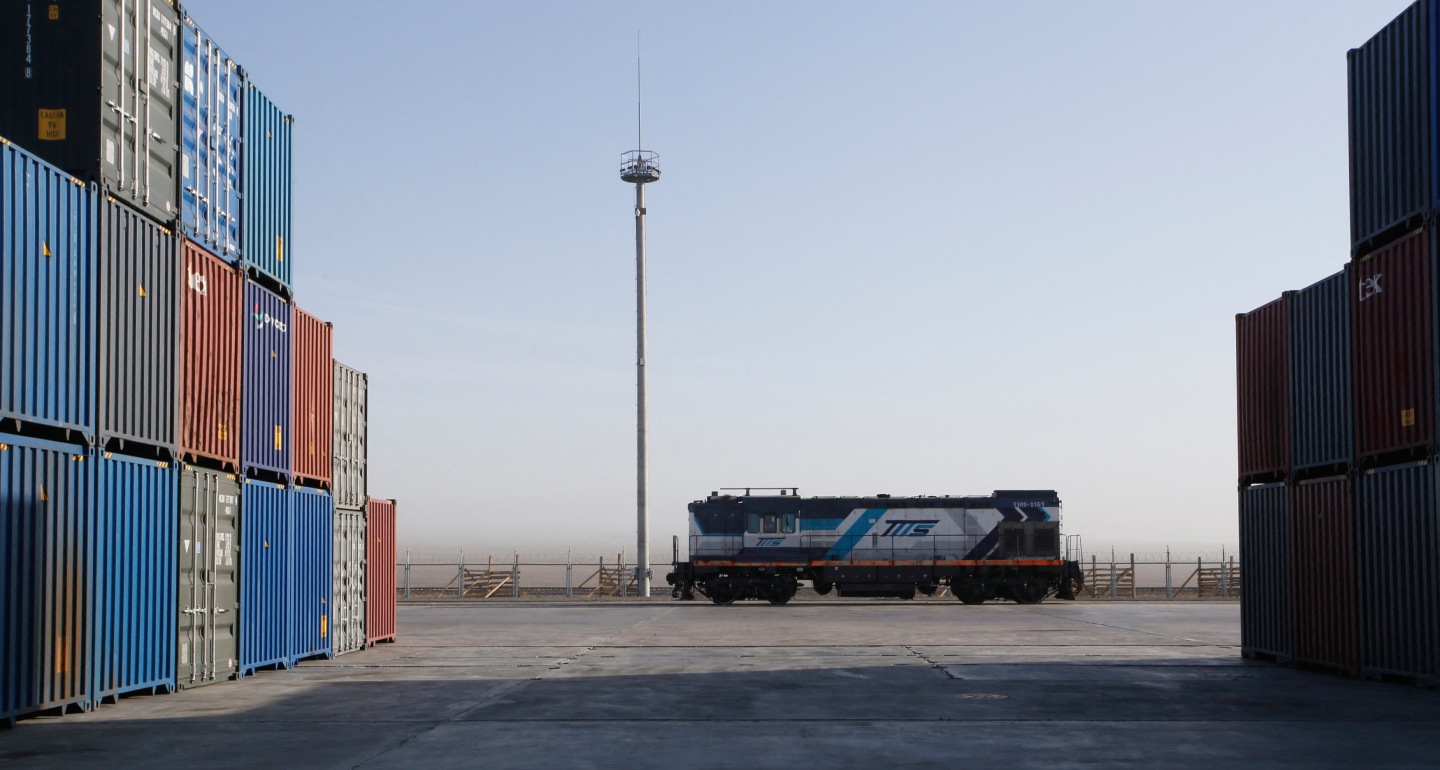
This year’s wars have made alternative routes to transit through Russia no less risky for Central Asian countries.

Galiya Ibragimova
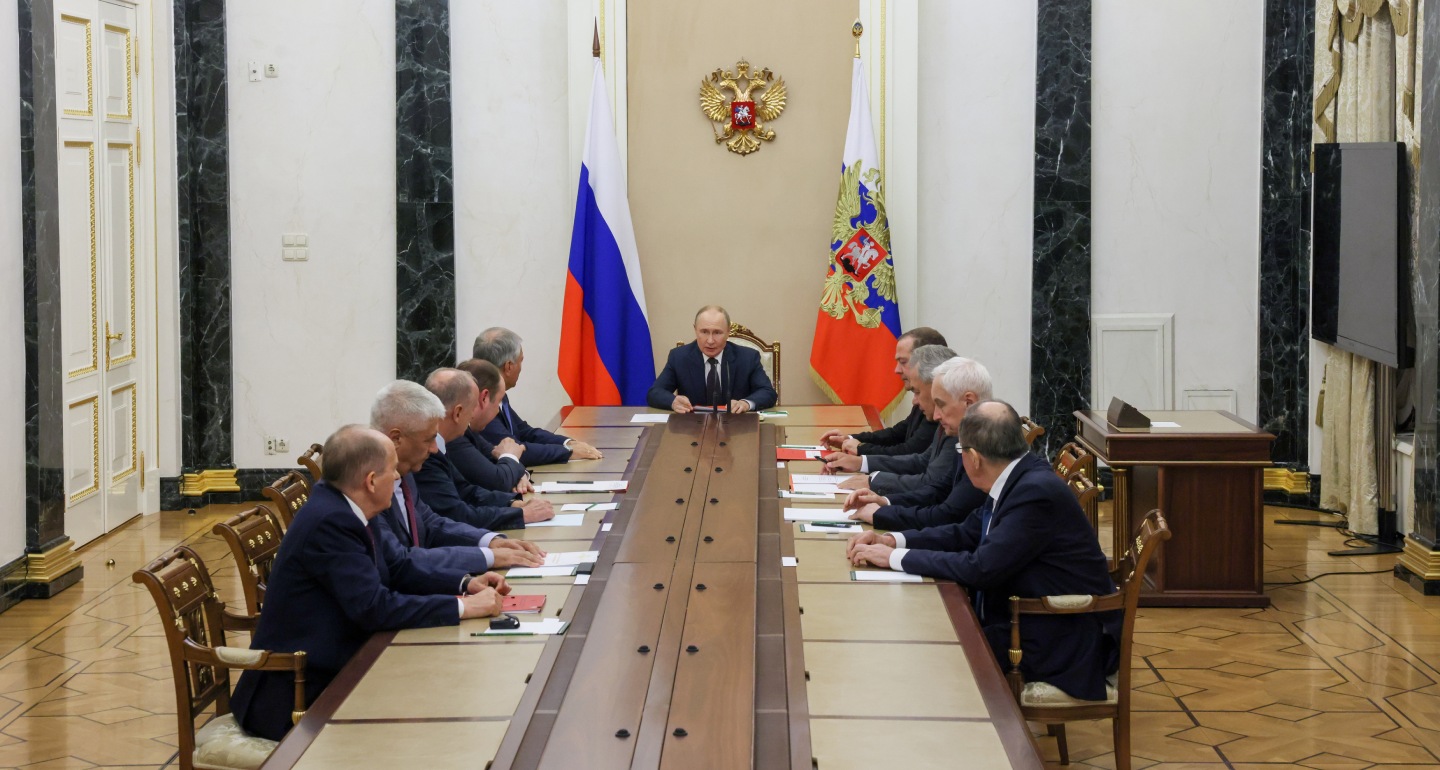
The ruling elites in contemporary Russia are not a political class, but a community of managers who are not subject to competition or public accountability. The state is becoming an operating apparatus without any internal autonomy.

Alexandra Prokopenko

Pashinyan’s pro-European party has been re-elected with a decisive victory. But the pro-Russian opposition could still slow Armenia’s progress toward peace with Azerbaijan and rapprochement with Europe.
Mikayel Zolyan