

In The Media
Lina Khatib
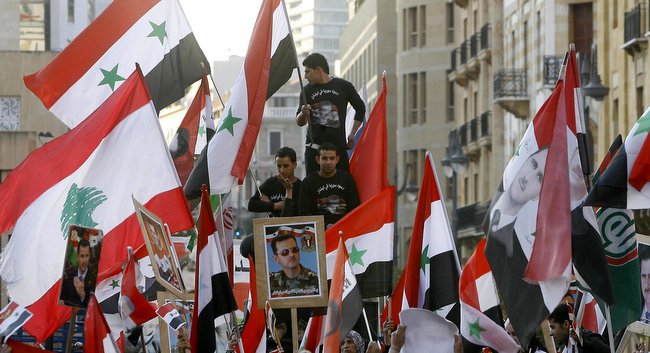
Source: Getty
Lebanon struggles with a complex web of problems associated with the Syrian conflict, from an influx of refugees to sharp domestic political divisions.
This piece is part of the Global Dynamics of the Syrian Conflict series, in which Carnegie experts from all over the world analyze the strategic and geopolitical interests at play in the ongoing civil war. View the full series here.
Lebanon faces complex problems associated with the Syrian conflict. Over 1 million refugees are changing the country’s demographics, straining its social contract, and putting pressure on its economy. The Lebanese government’s lack of a refugee policy and sharp domestic political divisions over intervention in Syria are contributing to security concerns and sectarian tensions in Lebanon. And regional rivalries, namely between Saudi Arabia and Iran, have exacerbated polarization between Lebanese clients.
Lebanon has always been in the shadow of Syria. Following both countries’ independence in the 1940s, Syria did not fully accept Lebanon’s sovereignty—despite its official recognition of the Lebanese state—and since then Damascus has exerted significant influence over Lebanese politics. Syrian oversight was strengthened during the Lebanese civil war, when in 1976 the then Lebanese president, Suleiman Frangieh, invited Syrian troops into his country to act as a “deterrent” force in the struggle between Lebanese and Palestinian factions. Those troops ended up becoming key players in the conflict.
The emergence of Hezbollah, the Iran-supported Shia militant group, as an anti-Israel “resistance” force in the 1980s and the group’s reliance on Syria as a thoroughfare for transporting weapons into Lebanon further bolstered Syria’s clout in Lebanese affairs. Syrian troops withdrew from Lebanon following the assassination of former Lebanese prime minister Rafik Hariri in 2005, but Lebanese domestic politics have remained under indirect Syrian supervision.Lebanon’s relationship with Syria has been shaped to a large extent by the wider Iranian-Saudi rivalry in the region. Never has this rivalry played out more prominently in Lebanon than during the current Syrian conflict.
Since Hariri’s assassination, Lebanese politics have been dominated by the Iran-backed March 8 coalition, led by Hezbollah, and the Saudi-backed March 14 coalition, led by the Future Movement, which is headed by Rafik Hariri’s son, Saad. Both coalitions see in the Syrian conflict an opportunity to consolidate their power and dominate the Lebanese political scene. Hezbollah believes a victory by Syrian President Bashar al-Assad will not only guarantee its strategic military interests but also represent an assertion of its—and by extension Iran’s—political dominance in Lebanon. March 14 believes the demise of the Assad regime will present an opportunity to counter Hezbollah’s growing influence in Lebanon.
These wildly divergent takes on the Syrian conflict have exacerbated political tensions in Beirut. Pressure by March 14 led the Lebanese government to issue the Baabda Declaration in 2012, which stated that Lebanon’s official stance on the Syrian conflict is one of nonintervention. But Hezbollah simultaneously sent troops to fight alongside Assad’s army under the pretext that it was securing Lebanon’s borders from the flow of Sunni jihadists. Disagreements over Hezbollah’s engagement in Syria led to the resignation of the Lebanese cabinet in 2013 and a subsequent ten-month-long political vacuum.
The appointment of a new interim cabinet in March 2014 was in part the result of foreign patrons putting pressure on Lebanese actors—pressure that was spurred by developments on the ground in Syria. As the Syrian conflict progressed, extremist groups multiplied in power and influence. Hezbollah was concerned about that development because extremist groups opposed to the Assad regime had launched a series of attacks on its strongholds in Lebanon that intensified in late 2013 and early 2014, thereby exposing weaknesses in Hezbollah’s security apparatus. Saudi Arabia, meanwhile, was also worried about the thousands of Saudi nationals who had joined the extremist groups fighting in Syria and whose return to Saudi Arabia could destabilize the Kingdom. And Riyadh feared that a growth in Sunni extremists who do not answer to Saad Hariri could threaten Hariri’s leadership of the Sunni community in Lebanon. Sunni extremists therefore became a shared security problem for Hezbollah and Saudi Arabia.
Sectarian tensions between anti-Assad Sunnis and pro-Assad Alawites in the north of Lebanon also escalated in 2013 and early 2014, with some Sunnis forming jihadist groups affiliated with those in Syria. None of the political parties in Lebanon wanted this tension to grow into a civil war, as that would have undermined their own political interests.
Just prior to the parliamentary and presidential elections that were due to take place in spring 2014, for the first time since the start of the Syrian conflict, different political actors in Lebanon (and their foreign patrons) had two common causes: securing the Lebanese border from the flow of jihadists and controlling sectarian violence in Lebanon. These shared interests led to a compromise that began with the appointment of a cabinet and developed into a security plan for northern Lebanon implemented by the Lebanese Armed Forces in April 2014. The political compromise resulted in a significant reduction in terrorist attacks and sectarian violence in Lebanon.
Yet, despite this arrangement, the underlying problems caused by the Syrian conflict have not been resolved. Hezbollah is not likely to abandon its Syrian ally, so a continuation of the conflict means its sustained military involvement on the ground in Syria and, along with it, continued political tensions in Lebanon in the long run. At the time of writing, both parliamentary and presidential elections have been suspended, causing a power vacuum following the end of the last president’s mandate on May 25. Despite measures to control the flow of jihadists into Lebanon, the Syrian conflict provides extremists who thrive on chaos with an optimal environment in which to exist and multiply. When such groups become stronger, it becomes harder to control their actions. Lebanon—in particular, areas that Hezbollah controls—is likely to become more vulnerable to attacks by foreign jihadists as long as the Syrian conflict continues. The continuation of the conflict also carries the risk of increased recruitment of Lebanese citizens into the ranks of extremist fighters.
Other problems caused by the Syrian conflict have not been adequately addressed by the Lebanese state. Despite the high number of Syrian refugees in Lebanon—currently estimated to constitute almost a quarter of the total population—the Lebanese government does not have a clear policy for dealing with these refugees, most of whom live in dire conditions and are scattered throughout the country.
The Lebanese economy has been strained by both the demands of these refugees and the broader political tensions associated with the Syrian conflict, which have resulted in decreased investment, trade, and tourism. Particularly in the context of already simmering sectarian tensions, these factors leave the door wide open to the possible recruitment of destitute Syrian refugees into extremist ranks and to social unrest due to the increased unpopularity of the presence of refugees. The unpopularity of refugees has also led Lebanese politicians to distance themselves from the refugee file regardless of which political coalition they belong to, and that means the social, economic, and security implications of the refugee crisis will not be adequately addressed and therefore are likely to escalate.
Outside factors could once again have an impact on Lebanon’s future path. Iran and Saudi Arabia are exploring political compromises largely driven by their shared security concerns over jihadism in Syria, and potential rapprochement between the two would have a tempering effect on Lebanon, resulting in the election of a president and a new parliament. However, even this rapprochement would not mean the end of the complex Syrian conflict in the near future, which translates into continued social, economic, and security concerns for Lebanon.
Former Director, Middle East Center
Khatib was director of the Carnegie Middle East Center in Beirut. Previously, she was the co-founding head of the Program on Arab Reform and Democracy at Stanford University’s Center on Democracy, Development, and the Rule of Law.
Recent Work
Lina Khatib
Lina Khatib
Carnegie does not take institutional positions on public policy issues; the views represented herein are those of the author(s) and do not necessarily reflect the views of Carnegie, its staff, or its trustees.
The U.S.-sponsored TRIPP deal is driving the Armenia-Azerbaijan peace process forward. But foreign and domestic hurdles remain before connectivity and economic interdependence can open up the South Caucasus.


Thomas de Waal, Areg Kochinyan, Zaur Shiriyev
While armed forces commander Rudolph Haykal’s caution is understandable, he is in a position to act, and must.

Michael Young
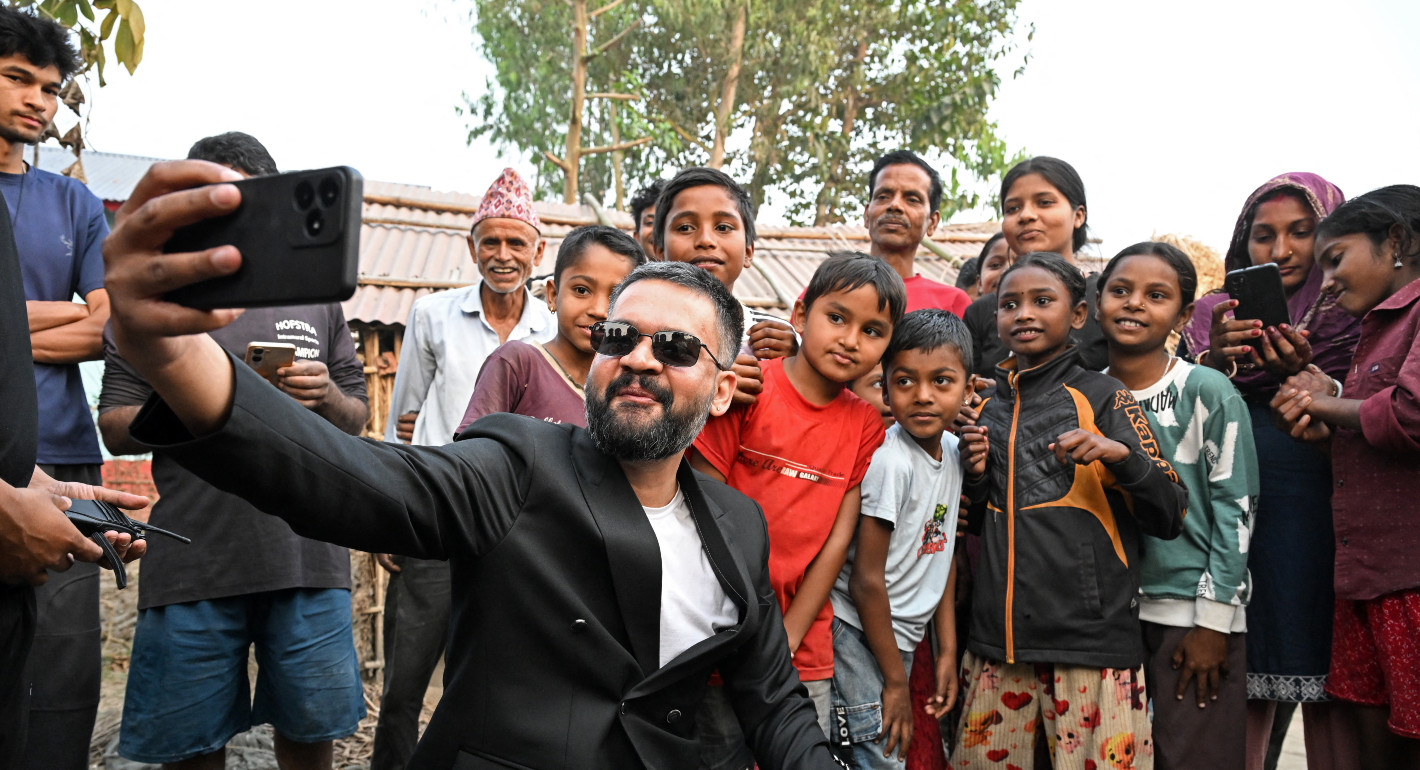
The incoming government has swept Nepal’s election. The real work begins now.
Amish Raj Mulmi

Assessing U.S. compliance with the international laws of war is essential at a time when these frameworks are already fraying.

Federica D’Alessandra
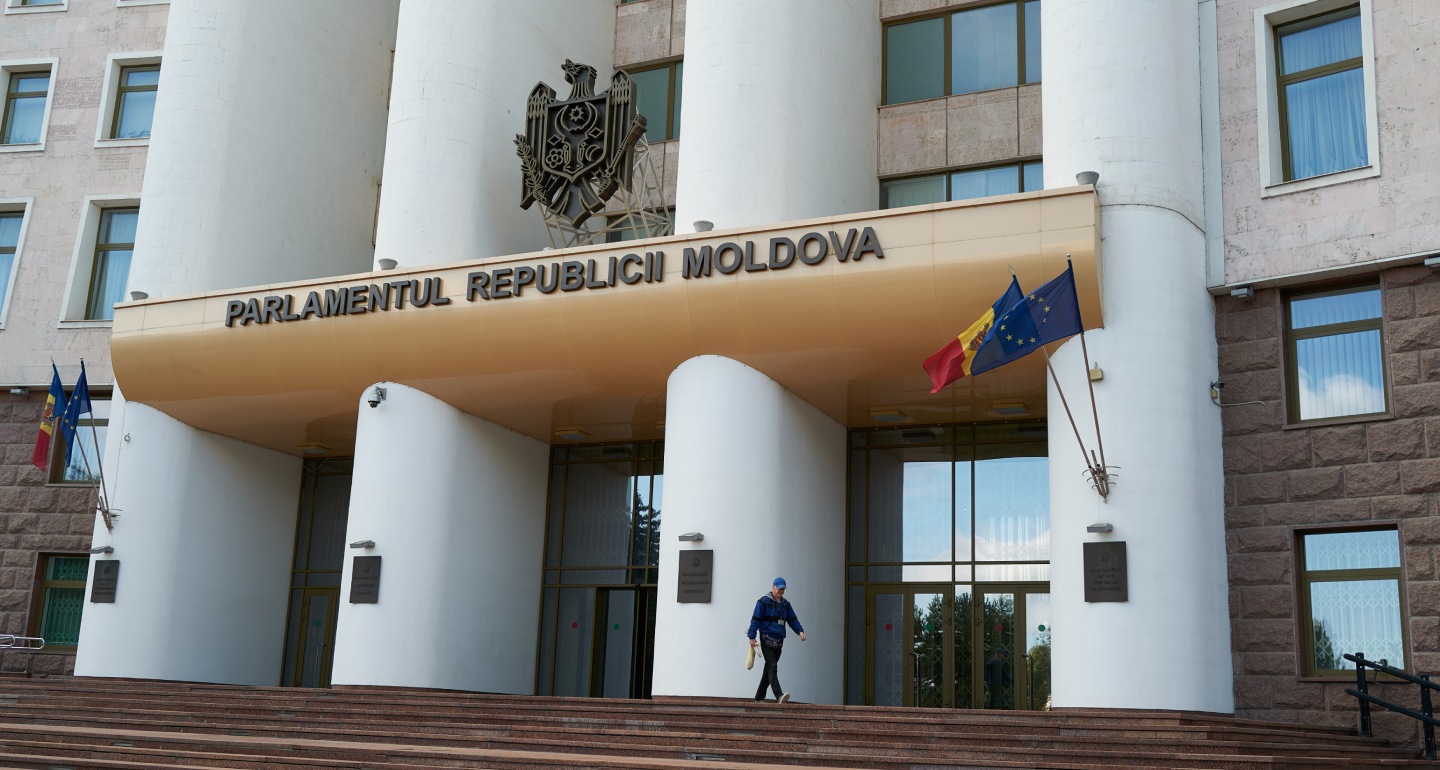
Moldova’s reintegration plan was drawn up to demonstrate to Brussels that Chișinău is serious about the Transnistria issue—and to get the West to react.

Vladimir Solovyov