

Commentary
Dmitri Trenin
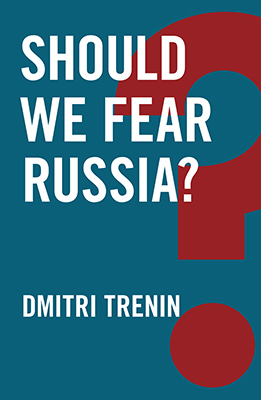
The Cold War analogy is misleading. Relations between the West and Russia are certainly bad and dangerous now but they are bad and dangerous in new ways.
Source: Polity
Since the outbreak of the Ukraine crisis, there has been much talk of a new Cold War between the West and Russia. Under Putin’s authoritarian leadership, Moscow is widely seen as volatile, belligerent and bent on using military force to get its way.
In this incisive analysis, top Russian foreign and security policy analyst Dmitri Trenin explains why the Cold War analogy is misleading. Relations between the West and Russia are certainly bad and dangerous but - he argues - they are bad and dangerous in new ways; crucial differences which make the current rivalry between Russia, the EU and the US all the more fluid and unpredictable. Unpacking the dynamics of this increasingly strained relationship, Trenin makes a compelling case for handling Russia with pragmatism and care rather than simply giving into fear.
“This rich and exceedingly well-written book considers whether the impasse in relations between Russia and the West is due to Putin’s ‘Realpolitik’ or whether it reflects Putin’s lack of realism about Russia’s true national interests. With Trenin we are in good hands. His lively analysis rewards its audience with a stimulating reading and learning experience.”
—Jack Snyder, Columbia University
“Dmitri Trenin is one of the most lucid analysts of Russia writing today. In this short but rich volume, he traces the recent history of misguided policy and conflicts of interest that have produced the current sharp deterioration in relations between Russia and the West. A ‘new normal’ has emerged, he argues. It is not a second Cold War but a period of new challenges and opportunities, in which seeing Russia clearly is critical to peace and security. To that end, there is no better place to start than this present essay.”
—Thomas Graham, Managing Director, Kissinger Associates; former Senior Director for Russia on the US National Security Council staff
Former Director, Carnegie Moscow Center
Trenin was director of the Carnegie Moscow Center from 2008 to early 2022.
Recent Work
Dmitri Trenin
Dmitri Trenin
Carnegie does not take institutional positions on public policy issues; the views represented herein are those of the author(s) and do not necessarily reflect the views of Carnegie, its staff, or its trustees.
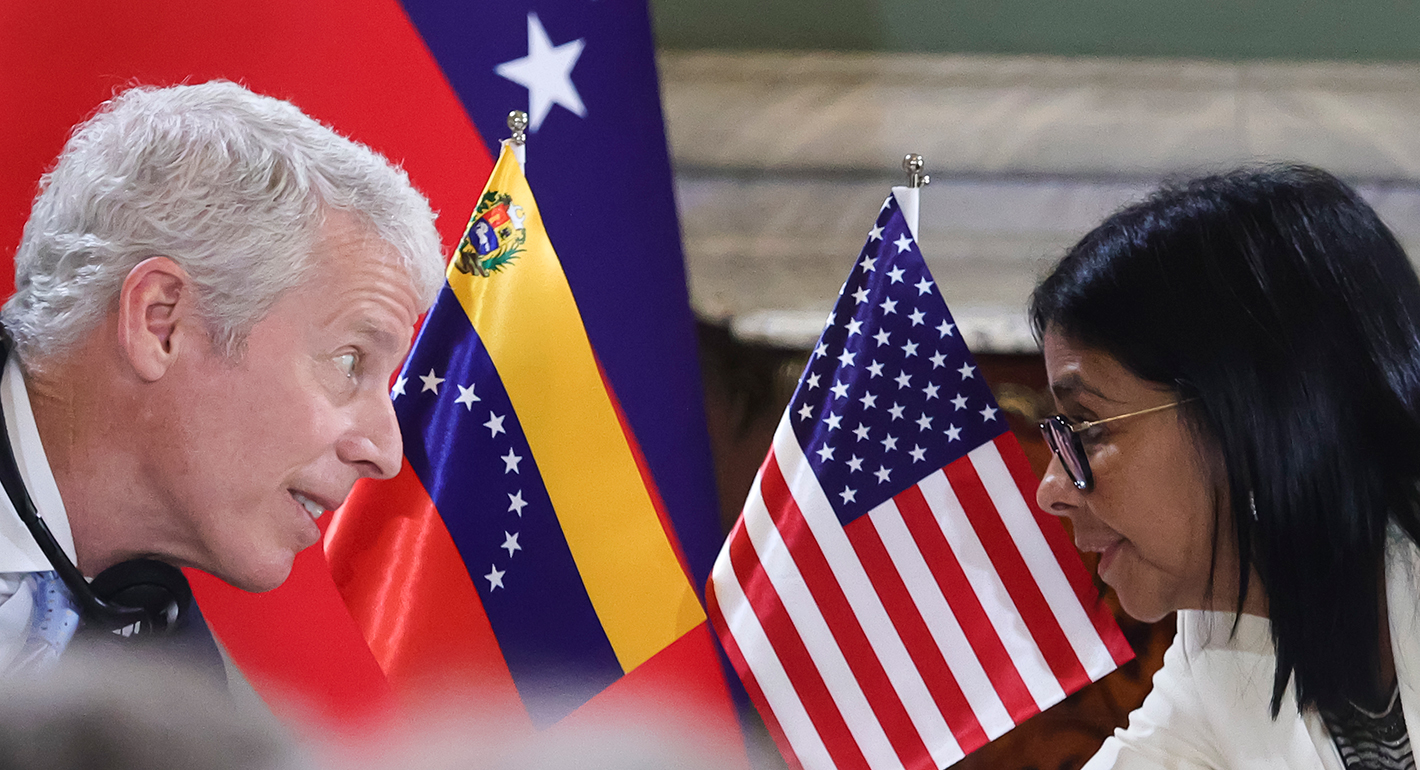
Washington needs to recognize that influence in the Western Hemisphere comes from presence, delivery, and reliability. It also must recognize that while the United States remains the key external actor, it no longer operates in a permissive environment and cannot presume deference from regional players who have other options, namely China.
Juan S. Gonzalez

Minsk clearly expected the dialogue with Washington to yield more results, in particular the lifting of EU sanctions and permission to export potash.

Artyom Shraibman

A summer of escalation in the Black Sea has hurt Ukraine economically and is exacerbating world food security. A truce is needed—as is a broader reframing of Europe’s Ukraine strategy.

Thomas de Waal

As the U.S. stumbles in its war with Iran, we are likely to see an acceleration of its disengagement from the region.

Michael Young
Why governance of rapidly evolving technology will be distributed and complex.


Stewart Patrick, Scott Singer