

Commentary
Just look at Iraq in 1991.
Marwan Muasher
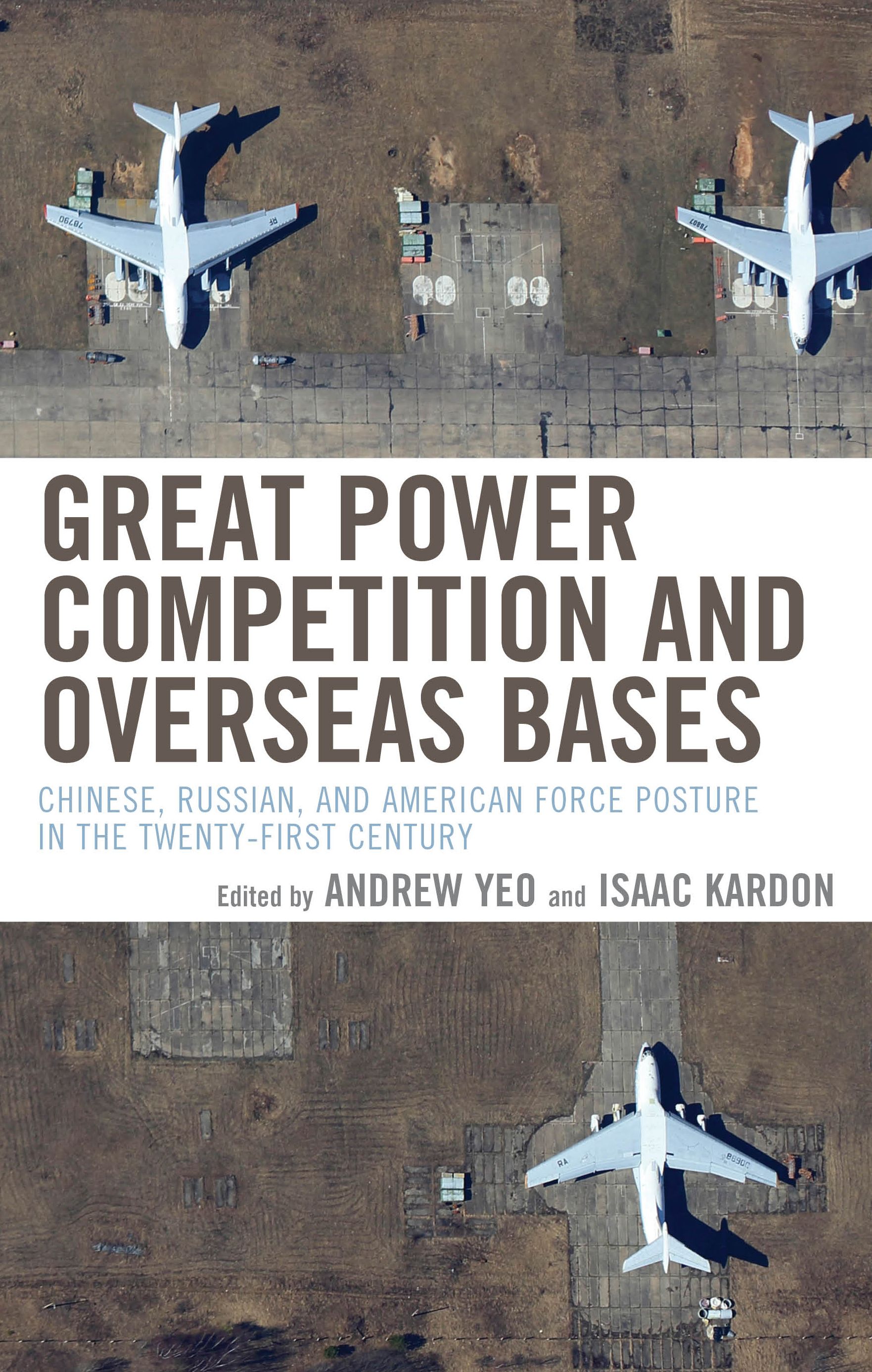
This book examines the emerging dynamics of geostrategic competition for overseas military bases and base access.
What challenges and risks do Chinese and Russian bases pose to the United States’ military strategy? How do the military postures of great powers interact and with what consequences for regional and global security? This book examines the emerging dynamics of geostrategic competition for overseas military bases and base access. The comparative framework adopted in this volume examines how the geopolitical interests of the United States, China, and Russia and their respective underlying force posture interact in different regions including the Indo-Pacific, Europe, sub-Sahara Africa, the Indian Ocean, the Middle East, and the Arctic Circle.
By exploring the security, political economic, and domestic political dynamics of specific regions, the contributors to this volume reveal varied motivations for overseas military bases and base access among great powers. With analysis on the particular dynamics of overseas bases in major regional theaters, the book offers a valuable window into the nature and scope of the broader “great power competition” underway in the twenty-first century.
"Superb. A timely and thoughtful examination of the drivers and consequences of past and future military basing considerations and decisions that have and will shape the geostrategic landscape. A must read by those who ponder the future of great power competition and military force design."
— Gary Roughead, Admiral, U.S. Navy (Retired), Former U.S. Navy Chief of Naval Operations
"The book presents a measured and deeply informed assessment by tremendously talented thinkers from both academic and policy of three different, but potentially effective, approaches to overseas bases and international politics. This is essential reading on an underappreciated subject."
— Jon Caverley, Professor of Strategy, United States Naval War College

Andrew Yeo
Senior fellow and the SK-Korea Foundation Chair, Brookings Institution’s Center for Asia Policy Studies
Andrew Yeo is a senior fellow and the SK-Korea Foundation Chair at the Brookings Institution’s Center for Asia Policy Studies. He is also a professor of politics at The Catholic University of America in Washington, D.C.

Senior Fellow, Asia Program
Isaac B. Kardon is a senior fellow for China studies in the Asia Program.
Carnegie does not take institutional positions on public policy issues; the views represented herein are those of the author(s) and do not necessarily reflect the views of Carnegie, its staff, or its trustees.

Just look at Iraq in 1991.

Marwan Muasher
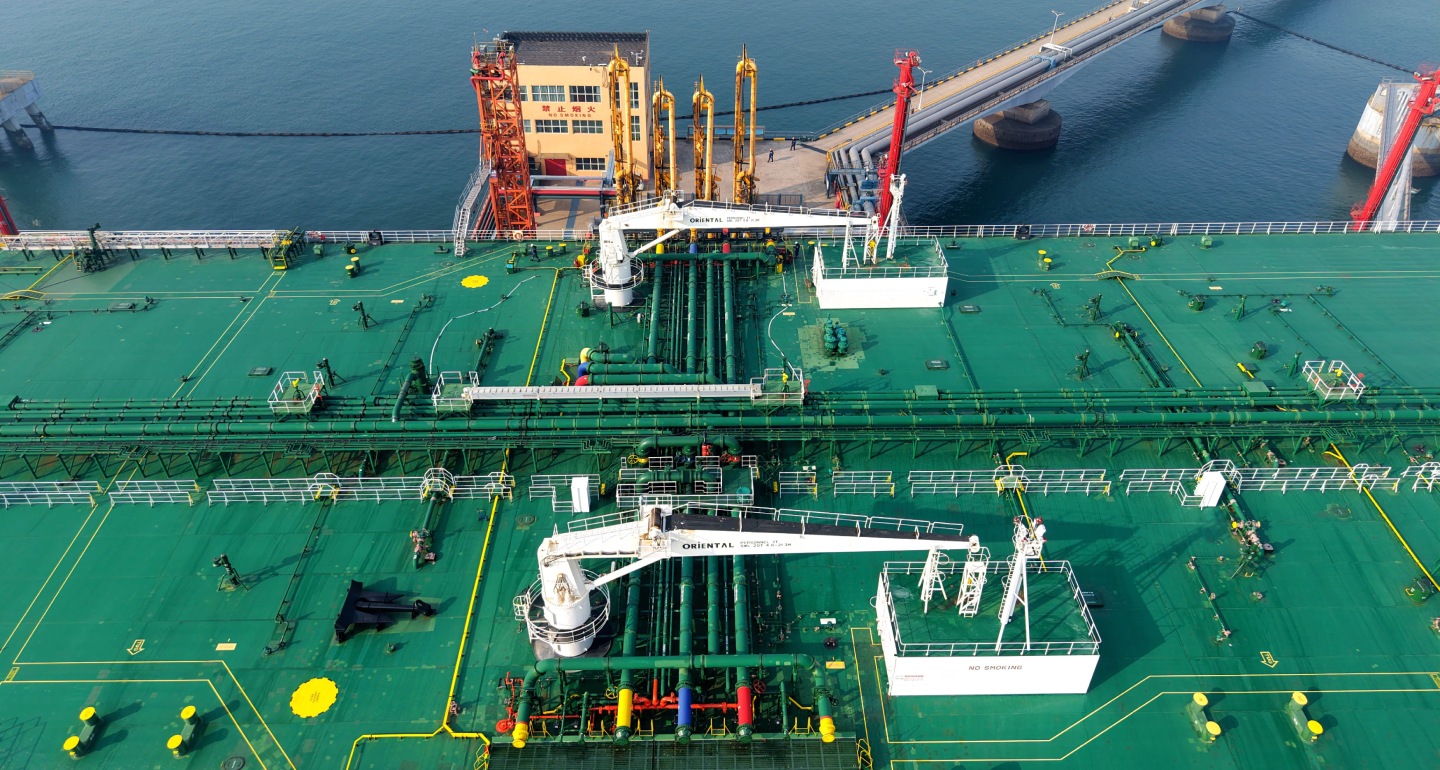
The interventions in Iran and Venezuela are in keeping with Trump’s strategy of containing China, but also strengthen Russia’s position.

Mikhail Korostikov
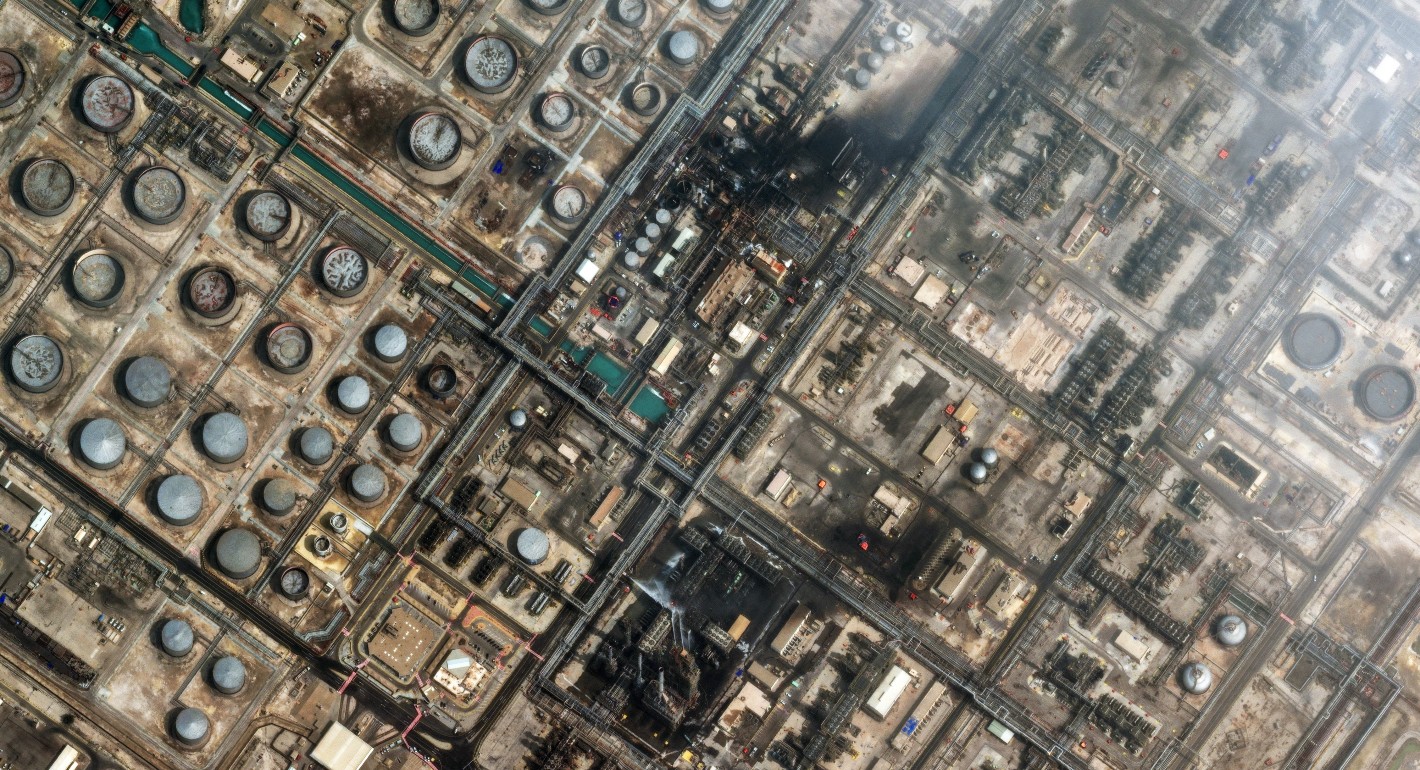
Tehran’s attacks are reshaping the security situation in the Middle East—and forcing the region’s clock to tick backward once again.

Amr Hamzawy
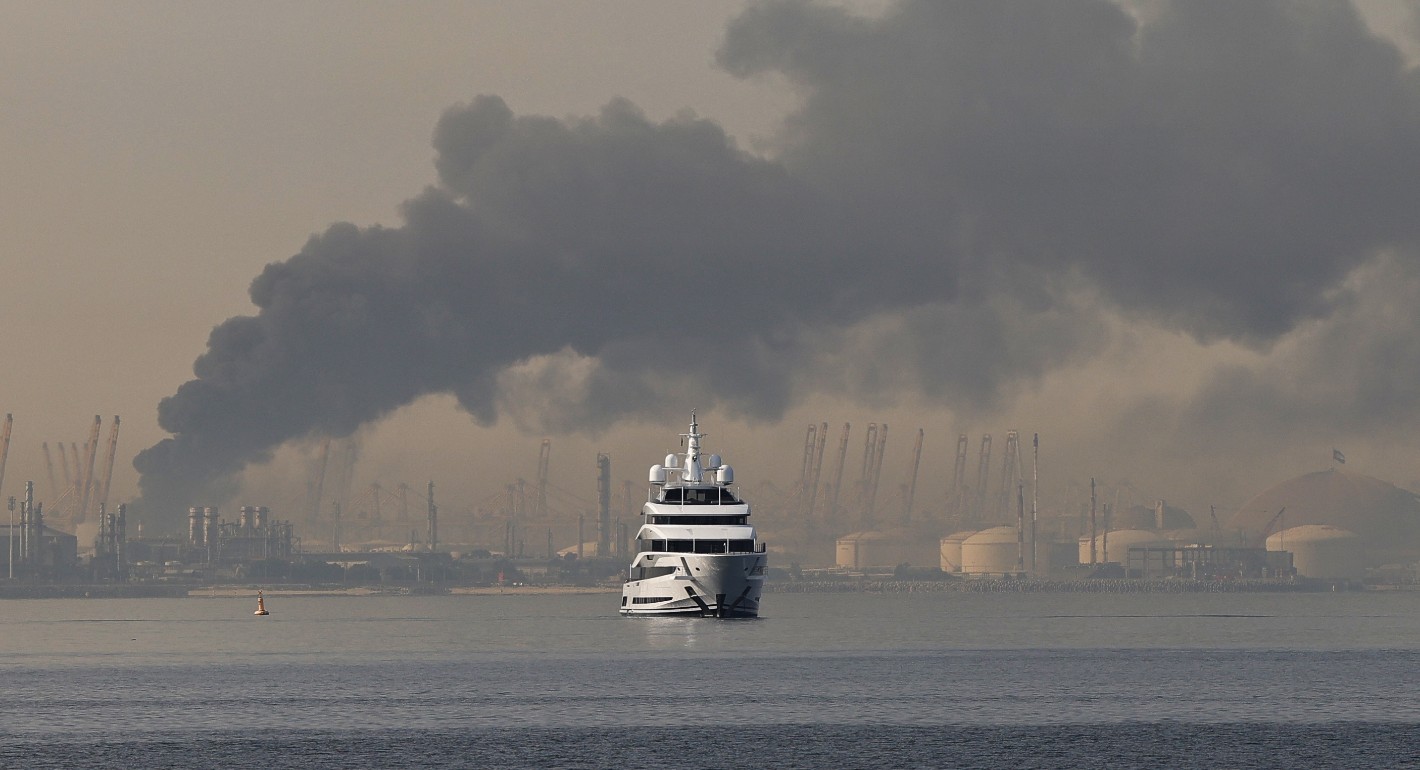
Only collective security can protect fragile economic models.

Andrew Leber
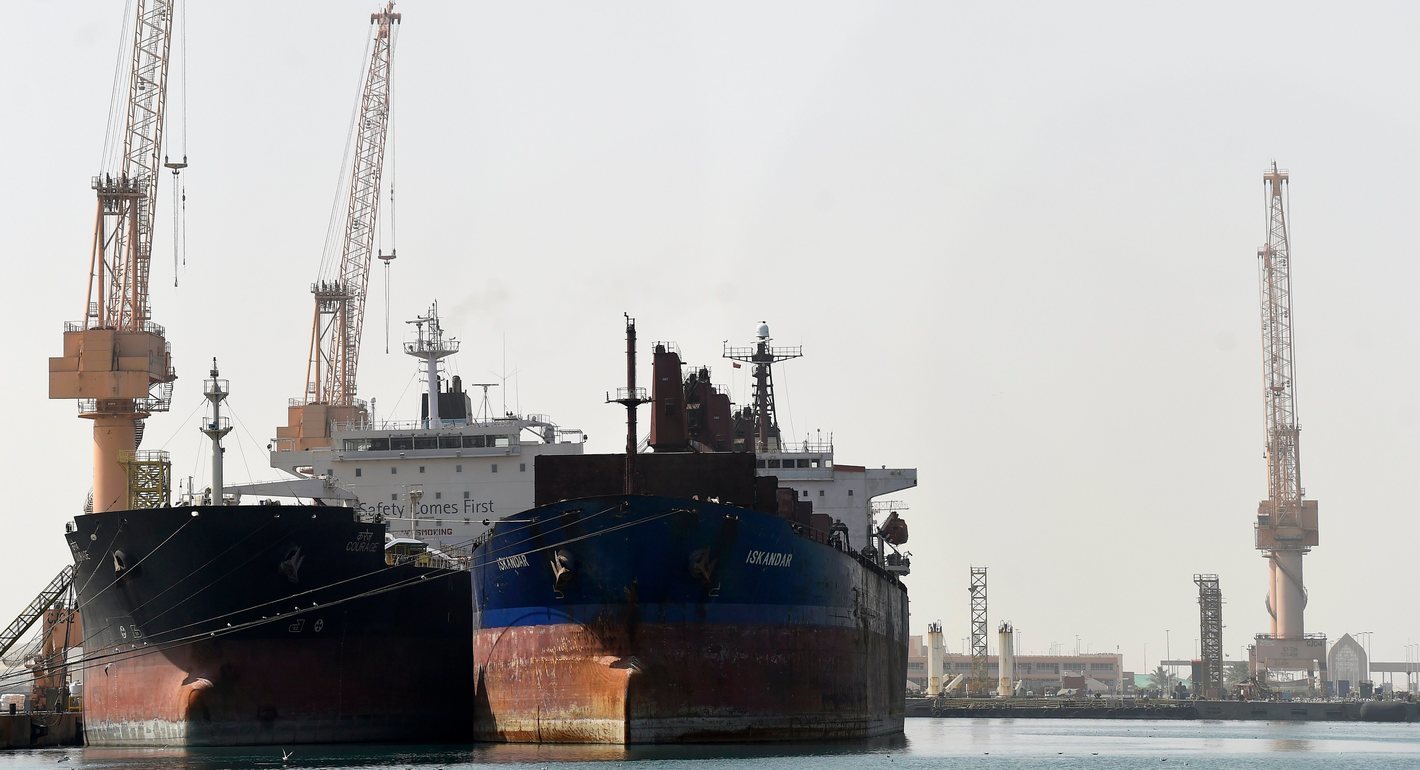
In a volatile Middle East, the Omani port of Duqm offers stability, neutrality, and opportunity. Could this hidden port become the ultimate safe harbor for global trade?
Giorgio Cafiero, Samuel Ramani