

Paper
Murat Somer, Jennifer McCoy

Political polarization is a systemic-level and multifaceted process that severs cross-cutting ties and shifts perceptions of politics to a zero-sum game.

Nonresident Scholar, Democracy, Conflict, and Governance Program
Jennifer McCoy is a nonresident scholar in the Democracy, Conflict, and Governance Program, where she focuses on political polarization and democratic resilience in the U.S. and around the world.
Recent Work

Murat Somer, Jennifer McCoy
Jennifer McCoy
Carnegie does not take institutional positions on public policy issues; the views represented herein are those of the author(s) and do not necessarily reflect the views of Carnegie, its staff, or its trustees.

China’s political future will be shaped between now and next October. As the Communist Party enters its intense “campaign season” to prepare for a major political transition in 2027, reading Beijing's actions and responses may become more difficult as domestic politics weigh on its behavior more than usual.

Damien Ma
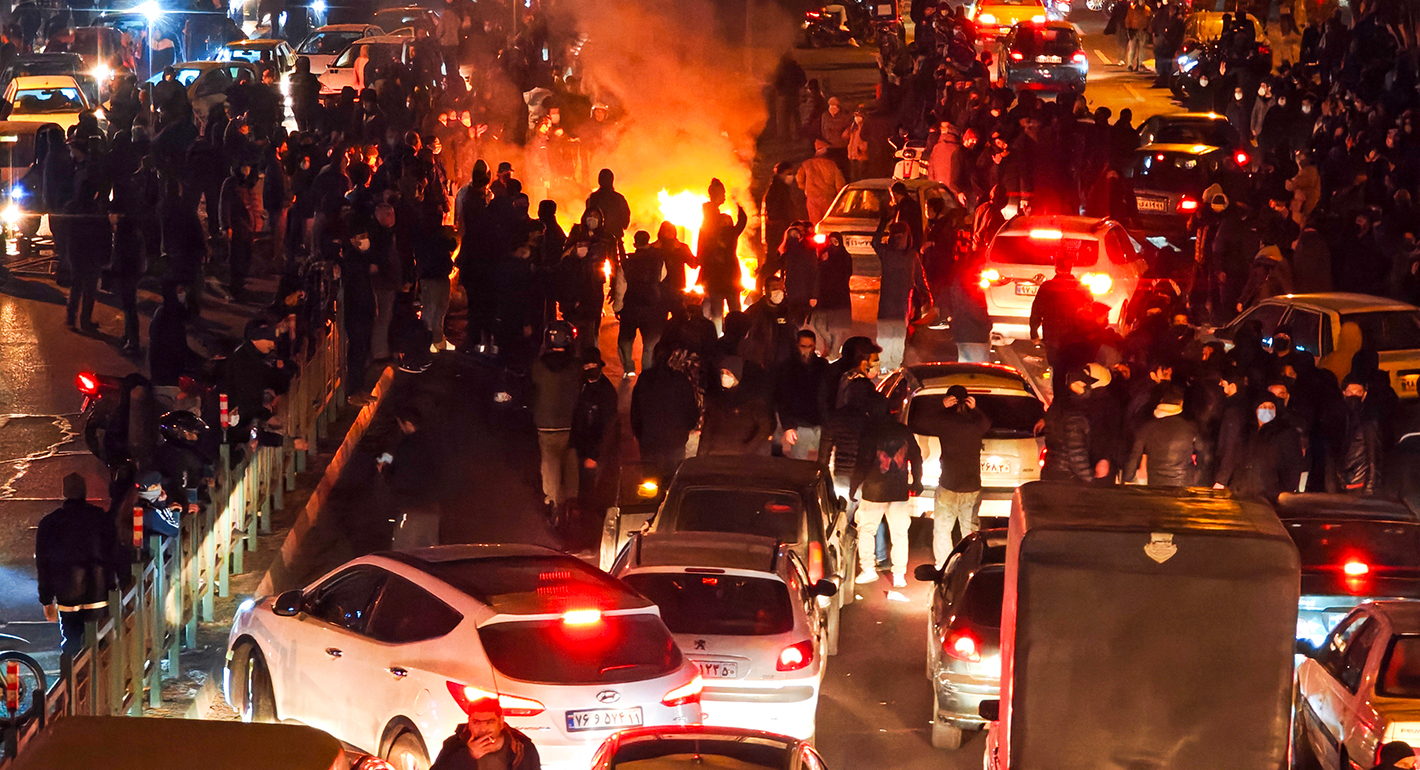
Protests in Iran follow a similar pattern: Economic grievances turn into political protests that spread nationwide. But increased state repression has begun to shift the arrangement.

Eric Lob

Despite public disputes over trade and immigration, the strategic partnership’s foundations remain sturdy.

Sameer Lalwani

Russia spent years building a “sovereign internet,” concentrating web infrastructure exclusively within Russian territory. Ukrainian drone attacks have shown how vulnerable that approach has left the Russian internet.

Maria Kolomychenko

With its public finances in shambles, the far right polling at 35 percent ahead of the 2027 presidential election, and a growing protest movement, is France’s crisis a threat to the EU’s geopolitical awakening?

Rym Momtaz, ed.