
• Research
  • Emissary
  • About
  • Experts
Carnegie Global logoCarnegie lettermark logo
DemocracyIran
  • Donate
Multi-Alignment as Strategy: How Brazil Navigates Between Washington, Beijing, and the Global South
Research

Multi-Alignment as Strategy: How Brazil Navigates Between Washington, Beijing, and the Global South

Brazil’s self-image as a “giant by nature” drives its ambitions and a foreign policy rooted in multi‑alignment.
Link Copied
By Oliver Stuenkel
Published on Nov 20, 2025
Program mobile hero image

Program

Democracy, Conflict, and Governance

The Democracy, Conflict, and Governance Program is a leading source of independent policy research, writing, and outreach on global democracy, conflict, and governance. It analyzes and seeks to improve international efforts to reduce democratic backsliding, mitigate conflict and violence, overcome political polarization, promote gender equality, and advance pro-democratic uses of new technologies.

Learn More
Read the Publication

About the Author

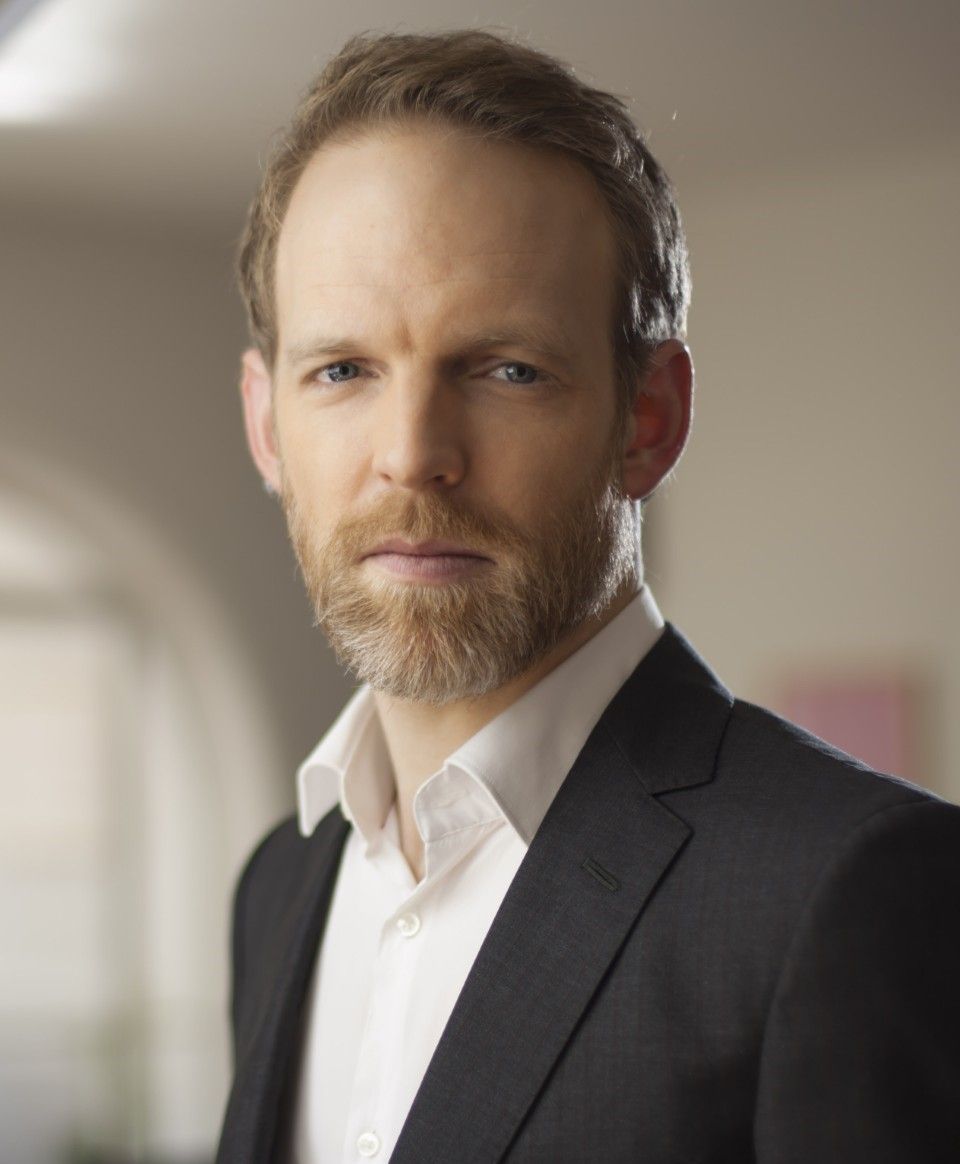
Oliver Stuenkel

Senior Fellow, Democracy, Conflict, and Governance Program

Oliver Stuenkel is an associate professor at the School of International Relations at Fundação Getulio Vargas (FGV) in São Paulo, Brazil. He is also a senior fellow affiliated with the Democracy, Conflict, and Governance Program at the Carnegie Endowment for International Peace.

    Recent Work

  • Commentary
    The U.S. Plan for Venezuela Has a Precedent. It’s Not Good.

      Oliver Stuenkel, Adrian Feinberg

  • Commentary
    The New Democracy Defenders

      Oliver Stuenkel, Adrian Feinberg

Oliver Stuenkel
Senior Fellow, Democracy, Conflict, and Governance Program
Oliver Stuenkel
BrazilSouth AmericaForeign Policy

Carnegie does not take institutional positions on public policy issues; the views represented herein are those of the author(s) and do not necessarily reflect the views of Carnegie, its staff, or its trustees.

More Work from Carnegie Endowment for International Peace

  • Commentary
    Carnegie Politika
    How Far Can Russian Arms Help Iran?

    Arms supplies from Russia to Iran will not only continue, but could grow significantly if Russia gets the opportunity.

      Nikita Smagin

  • Front of a damaged apartment building
    Commentary
    Emissary
    Is a Conflict-Ending Solution Even Possible in Ukraine?

    On the fourth anniversary of Russia’s full-scale invasion, Carnegie experts discuss the war’s impacts and what might come next.

      • +1

      Eric Ciaramella, Aaron David Miller, Alexandra Prokopenko, …

  • People in voting booths
    Commentary
    Emissary
    Indian Americans Still Lean Left. Just Not as Reliably.

    New data from the 2026 Indian American Attitudes Survey show that Democratic support has not fully rebounded from 2020.

      • +1

      Sumitra Badrinathan, Devesh Kapur, Andy Robaina, …

  • Commentary
    Strategic Europe
    Taking the Pulse: Can European Defense Survive the Death of FCAS?

    France and Germany’s failure to agree on the Future Combat Air System (FCAS) raises questions about European defense. Amid industrial rivalries and competing strategic cultures, what does the future of European military industrial projects look like?

      • Rym Momtaz

      Rym Momtaz, ed.

  • Commentary
    Carnegie Politika
    Can the Disparate Threads of Ukraine Peace Talks Be Woven Together?

    Putin is stalling, waiting for a breakthrough on the front lines or a grand bargain in which Trump will give him something more than Ukraine in exchange for concessions on Ukraine. And if that doesn’t happen, the conflict could be expanded beyond Ukraine.

      Alexander Baunov

Get more news and analysis from
Carnegie Endowment for International Peace
Carnegie global logo, stacked
1779 Massachusetts Avenue NWWashington, DC, 20036-2103Phone: 202 483 7600Fax: 202 483 1840
  • Research
  • Emissary
  • About
  • Experts
  • Donate
  • Programs
  • Events
  • Blogs
  • Podcasts
  • Contact
  • Annual Reports
  • Careers
  • Privacy
  • For Media
  • Government Resources
Get more news and analysis from
Carnegie Endowment for International Peace
© 2026 Carnegie Endowment for International Peace. All rights reserved.









