

Commentary
Syria’s worsening drought is no longer a seasonal crisis. This report explains what climate change is doing to rainfall, groundwater, and food security, and what solutions experts say are still possible.
Milia Esper
{
  "authors": [
    "Mkhaimar Abusada"
  ],
  "type": "commentary",
  "blog": "Sada",
  "centerAffiliationAll": "",
  "centers": [
    "Carnegie Endowment for International Peace"
  ],
  "collections": [],
  "englishNewsletterAll": "",
  "nonEnglishNewsletterAll": "",
  "primaryCenter": "Carnegie Endowment for International Peace",
  "programAffiliation": "",
  "programs": [],
  "projects": [],
  "regions": [
    "Palestine",
    "Middle East"
  ],
  "topics": [
    "Political Reform"
  ]
}

REQUIRED IMAGE
Even murkier than the cause of Palestinian President Yasser Arafat's death is the question of who will fill the gaping political hole left by his passing. True to his penchant for avoiding definitive decisions, Arafat did not name a successor.
Even murkier than the cause of Palestinian President Yasser Arafat's death is the question of who will fill the gaping political hole left by his passing. True to his penchant for avoiding definitive decisions, Arafat did not name a successor. Immediately after the pronouncement of Arafat's death on November 11, it was left to the senior Palestinian leadership—the executive committee of the Palestinian Liberation Organization (PLO), the central committee of Fatah (the largest PLO faction and the Palestinian Authority's ruling party), and the Palestinian Legislative Council (PLC)—to form a temporary leadership that will rule until elections take place.
The old guard has assumed the positions previously held concurrently by Arafat. Mahmoud Abbas (commonly known as "Abu Mazen"), the co-founder of Fatah and the Secretary-General of the PLO, will succeed Arafat as PLO Chairman. Ahmed Qurie, a member of Fatah’s central committee, will chair the National Security Council, on which the leaders of the Palestinian Authority's ten security services sit. Selected as the Secretary-General of Fatah's central committee was Farouq Qaddumi, who opposed the 1993 Oslo Accords and remains in exile in Tunisia. At the urging of the committee, which insisted that the leadership transition must adhere to the rule of law and which also sought to dilute Abbas's power, PLC Speaker Rawhi Fattouh was designated interim President of the PA. (Palestinian law stipulates that in the event of the President's death, illness, or resignation, the PLC speaker assumes his duties for sixty days until elections are held). Qurie will also continue as Prime Minister, a position he has held since October 2003.
Fattouh is somewhat obscure and has weak nationalist credentials, and Qaddumi lives abroad. Therefore, Abbas and Qurie will call the shots in the transitional period. Abbas is the leading candidate to succeed Arafat as President, as he now heads the PLO, the most important institution in Palestinian politics. Abbas, the architect of the Oslo Accords, served as prime minister for four months in 2003 but resigned after losing a power struggle with Arafat. Although he gained a modicum of popular support due to his calls for the reform of Palestinian institutions and his outspoken criticism of the militarization of the Intifada, Abbas lacks charisma or strong backing within Fatah, and is viewed with skepticism for his moderate attitudes toward Israel. To establish a power base, Abbas would need to ally with Muhammad Dahlan, the former head of the Gaza Preventive Security Force and Minister of Security Affairs in Abbas’ government. Dahlan is influential in Gaza and has a power base within the security forces and within the Tanzim, the military arm of Fatah.
Qurie is a less likely successor. A long-time ally of Arafat, he was the key negotiator in the secret talks that led to the signing of the Oslo Accords. Like Abbas, he is short on charisma and popular support. During his tenure as prime minister, the security situation and living conditions in Palestine have only deteriorated.
Even if Abbas or Qurie were elected, the source of their legitimacy is their past closeness to Arafat and their seniority within the PLO, not their street credibility. Given this fact and the extreme political fragmentation and weakening of institutions that has occurred during the four-year Intifada, the post-Arafat period may witness the birth of a genuine parliamentary system in which multiple factions share in governing. Such a scenario would coincide with the national unity leadership that Egypt has already been pushing for Gaza after the anticipated Israeli withdrawal in 2005. Hamas in particular will demand a leading role in governance. Not only does Hamas now present itself as a partner rather than a competitor of the PA—its latest slogan is “partners in blood are partners in decision-making”—it has made clear it will no longer tolerate an autocratic style of governance. Yet, even under such collective governance, armed factions—Hamas, Islamic Jihad, and the security services and militias that have proliferated in the Palestinian Territories— may confront the PA as well as one another.
No matter who succeeds Arafat, in the near-term two things are certain. First, the daunting socioeconomic problems facing Palestinian society will be beyond the capacity of any new leadership to resolve quickly. The economy is in deep crisis: unemployment exceeds 50 percent and 70 percent of Palestinians in the West Bank and Gaza live below the poverty line.
Second, predictions that Arafat’s death will bring a quick end to the cycle of violence between Palestinians and Israelis are overly optimistic. The immediate post-Arafat era could see efforts to revive negotiations stymied by a paralyzed Palestinian decision-making structure—the likely cost of collective leadership. More important, the Israeli government is mistaken if it believes that Abbas or Qurie (or any other new leader) will be able to reach a peace agreement and deliver security for Israelis on terms less than what Arafat demanded. The period ahead might prove that Arafat, with all his failings, was Israel’s best choice to bring peace and security and put an end to the conflict, because he had the legitimacy to do so.
Mkhaimar Abusada teaches political science at Al Azhar University in the Gaza Strip.
Mkhaimar Abusada
Carnegie does not take institutional positions on public policy issues; the views represented herein are those of the author(s) and do not necessarily reflect the views of Carnegie, its staff, or its trustees.
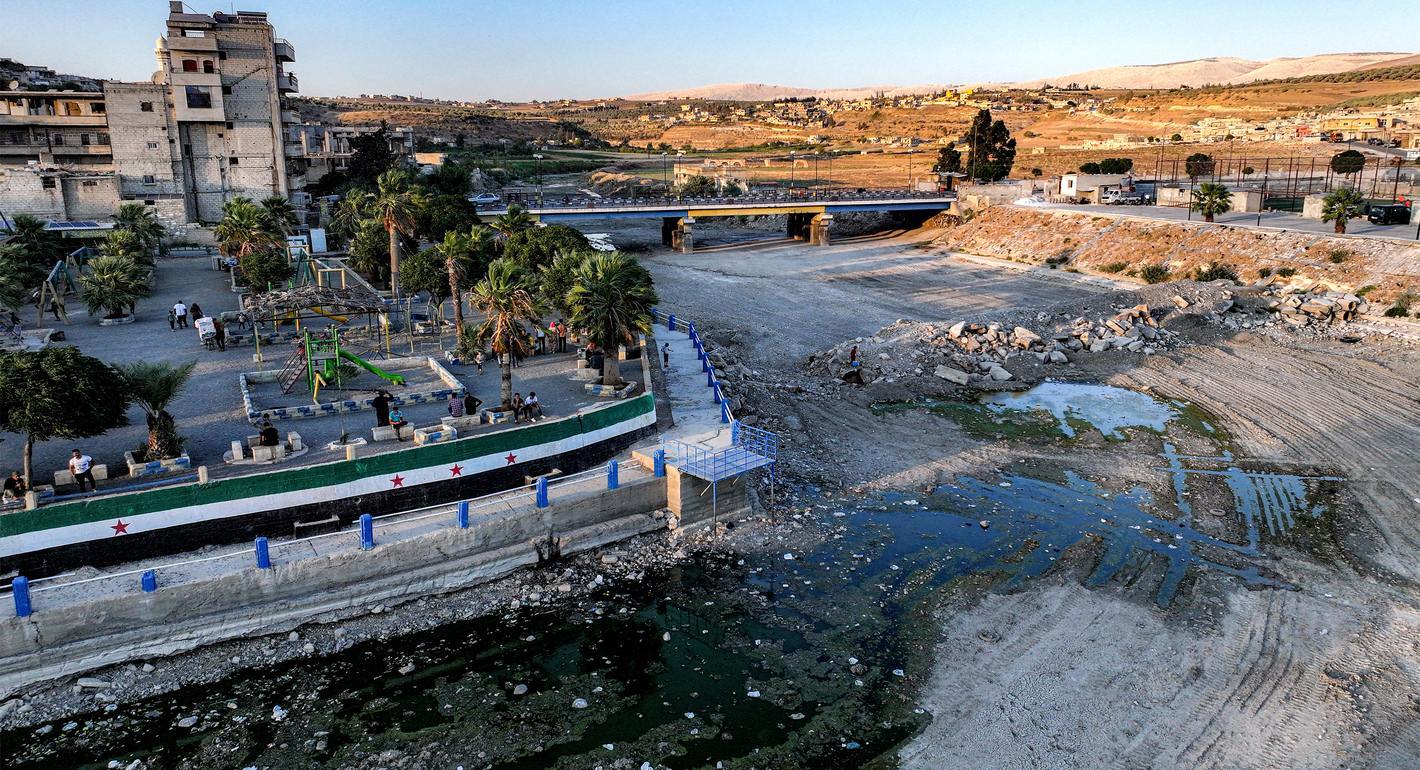
Syria’s worsening drought is no longer a seasonal crisis. This report explains what climate change is doing to rainfall, groundwater, and food security, and what solutions experts say are still possible.
Milia Esper
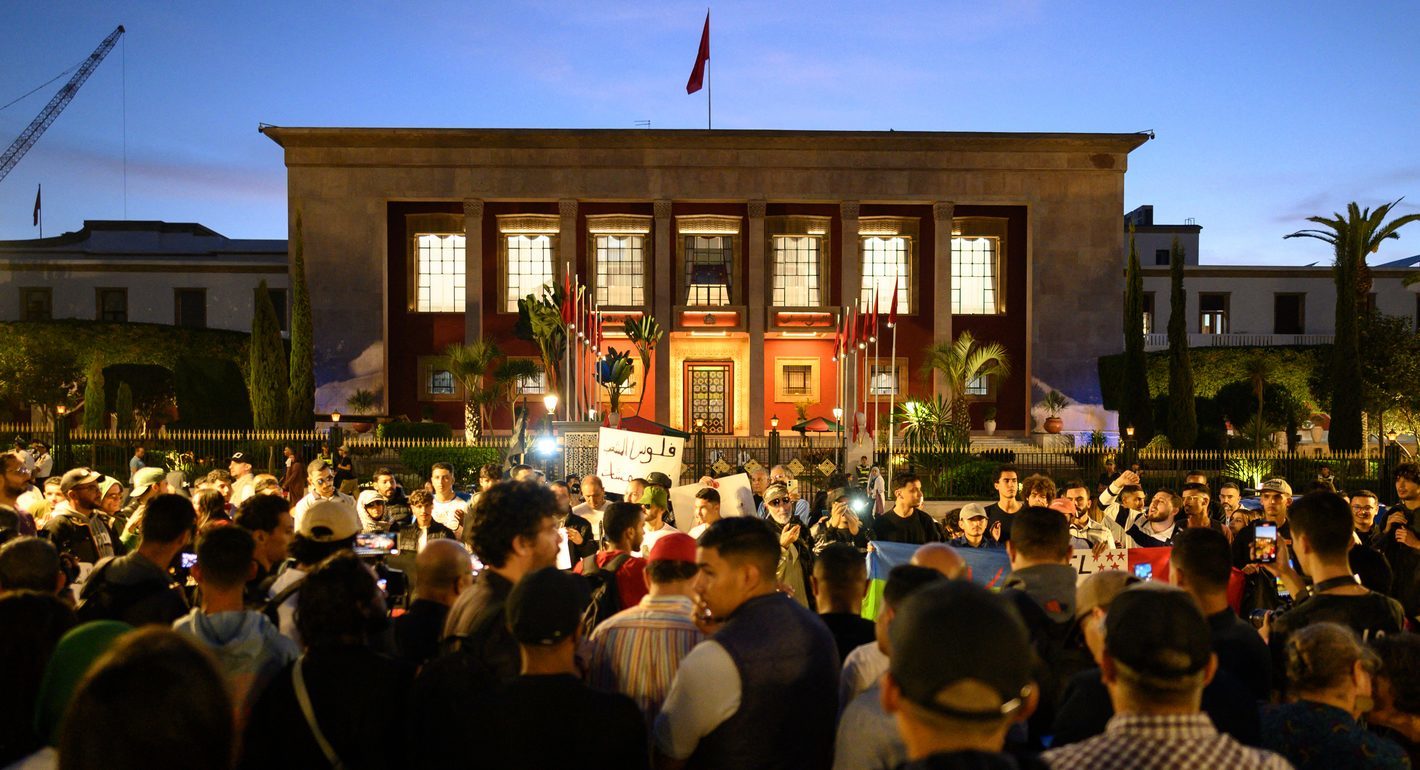
From anime heroes to online gaming communities, Morocco’s Gen Z is building a new protest culture. What does this digital imagination reveal about youth politics, and how should institutions respond?
Abdelilah Farah
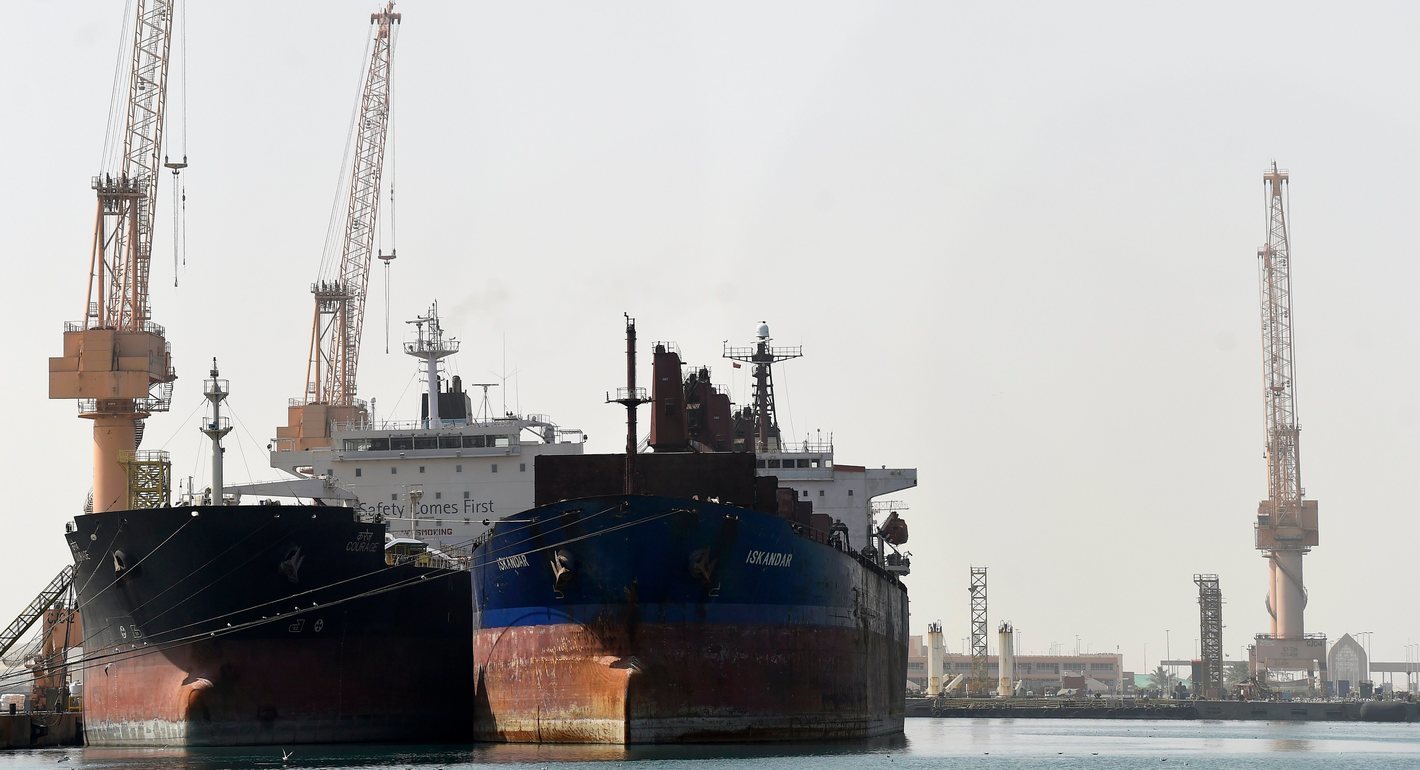
In a volatile Middle East, the Omani port of Duqm offers stability, neutrality, and opportunity. Could this hidden port become the ultimate safe harbor for global trade?
Giorgio Cafiero, Samuel Ramani
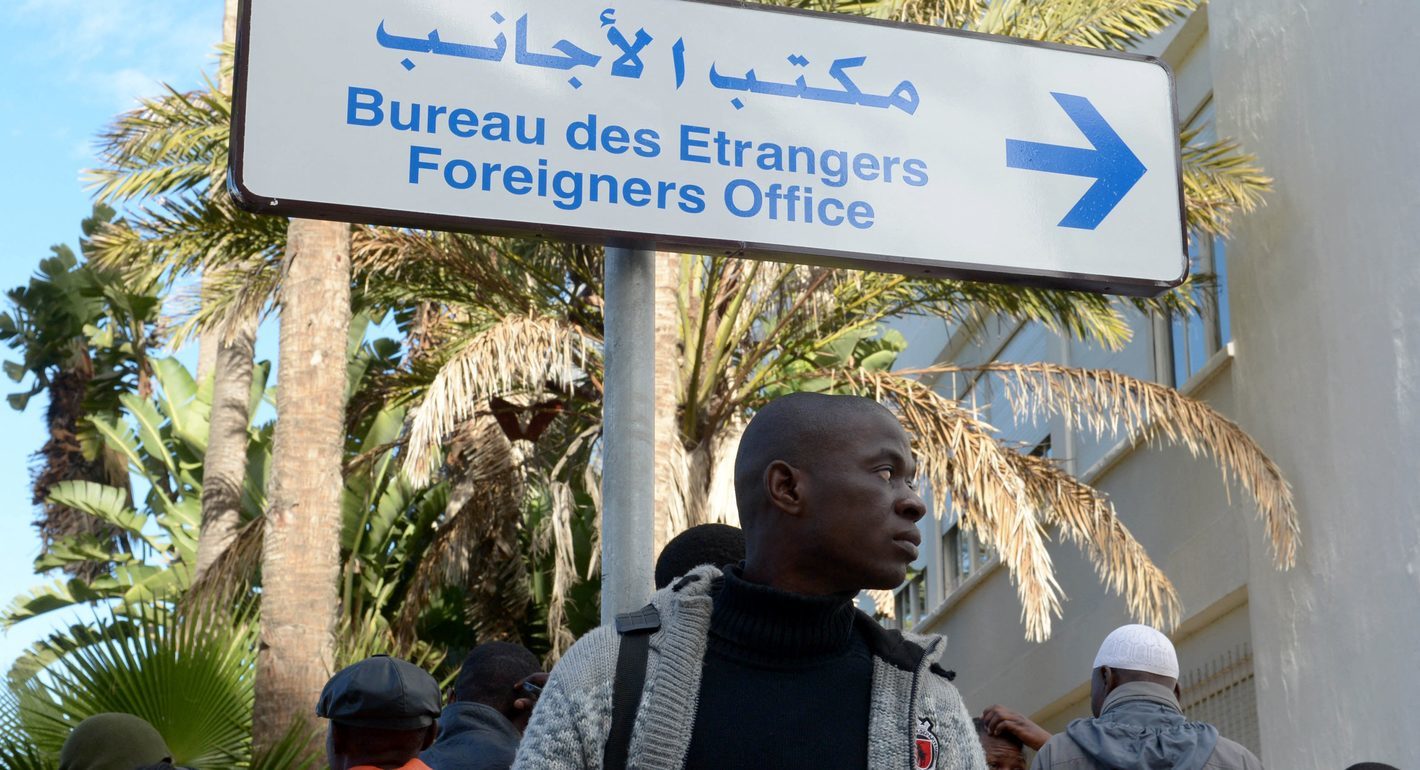
Is Morocco’s migration policy protecting Sub-Saharan African migrants or managing them for political and security ends? This article unpacks the gaps, the risks, and the paths toward real rights-based integration.
Soufiane Elgoumri
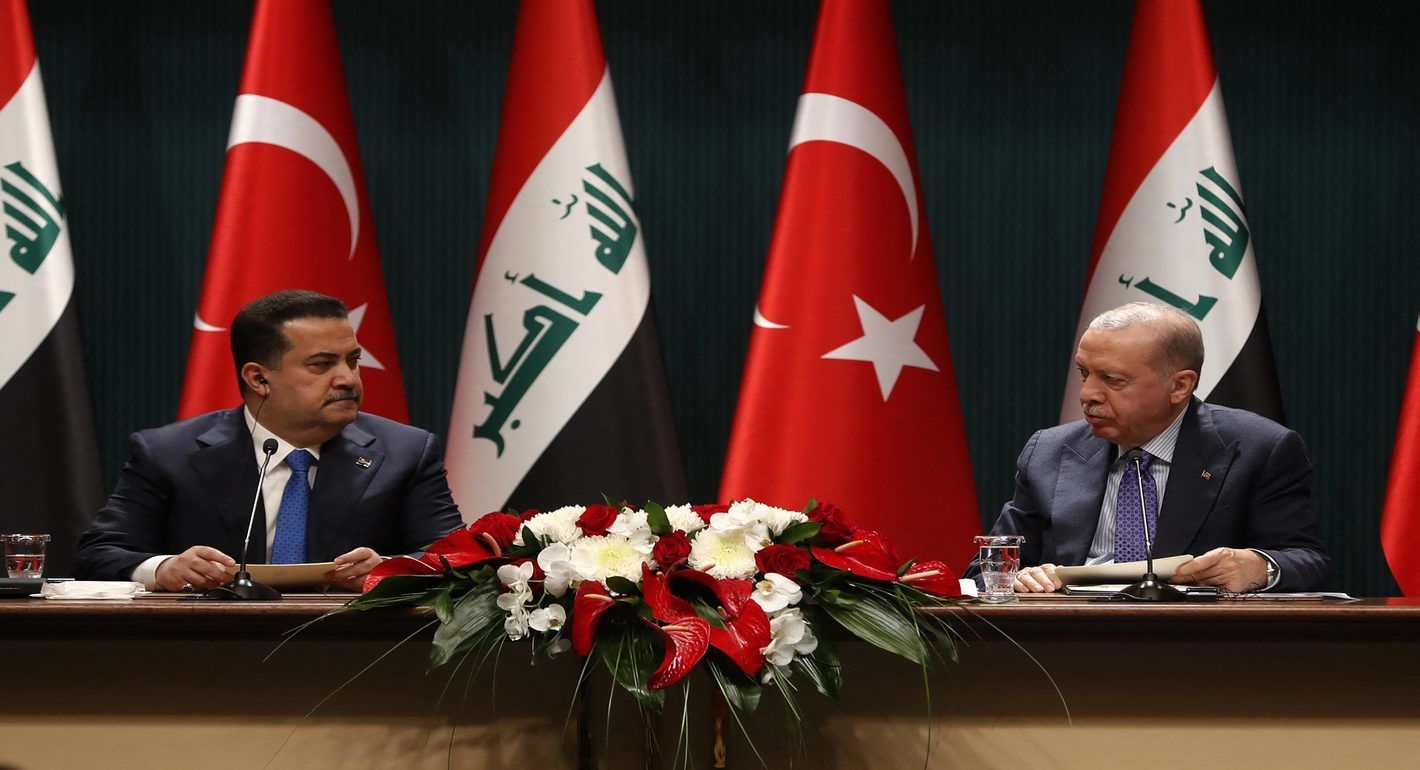
Iraq’s foreign policy is being shaped by its own internal battles—fractured elites, competing militias, and a state struggling to speak with one voice. The article asks: How do these divisions affect Iraq’s ability to balance between the U.S. and Iran? Can Baghdad use its “good neighbor” approach to reduce regional tensions? And what will it take for Iraq to turn regional investments into real stability at home? It explores potential solutions, including strengthening state institutions, curbing rogue militias, improving governance, and using regional partnerships to address core economic and security weaknesses so Iraq can finally build a unified and sustainable foreign policy.
Mike Fleet