

Article
Marina Ottaway, Omar Hossino
{
  "authors": [
    "Marina Ottaway"
  ],
  "type": "commentary",
  "blog": "Sada",
  "centerAffiliationAll": "",
  "centers": [
    "Carnegie Endowment for International Peace"
  ],
  "collections": [],
  "englishNewsletterAll": "",
  "nonEnglishNewsletterAll": "",
  "primaryCenter": "Carnegie Endowment for International Peace",
  "programAffiliation": "",
  "programs": [],
  "projects": [],
  "regions": [
    "Middle East",
    "North Africa"
  ],
  "topics": [
    "Political Reform"
  ]
}

REQUIRED IMAGE
Women's rights in the Middle East remain severely restricted both by law and by social customs. Although some countries have made notable progress in broadening the formal rights of women, the application of the laws remains problematic everywhere. In the worst case, that of Saudi Arabia, both the law and social customs circumscribe women's life choices.
Women's rights in the Middle East remain severely restricted both by law and by social customs. Although some countries have made notable progress in broadening the formal rights of women, the application of the laws remains problematic everywhere. In the worst case, that of Saudi Arabia, both the law and social customs circumscribe women's life choices. The recognition of equal rights for women thus must be a central concern of any plan for reform in the Middle East. This is an idea that is well accepted within the Arab world. Arab reformers today take the issue of women's rights extremely seriously.
The promotion of women's rights also occupies an important place in U.S. and European efforts to promote democratic reform in the Middle East. Women's empowerment has become one of the pillars of the Middle East Partnership Initiative (MEPI), the program through which the Bush administration is pushing reform in the Arab world. Many of the programs devoted to MEPI's other goals—political reform, education, and economic development—also single out women for special attention. And the United States has organized a number of high profile conferences devoted to women's issues. European countries have also long been concerned about women's rights, although they are much less vocal on this as on all other issues concerning reform in the Arab world.
The potential positive repercussions of women's empowerment are considerable. Worldwide, for example, an improvement in the rights and conditions for women has proved to be the most effective means of curbing population growth—a problem that has reached explosive proportions in the Middle East. And in many Arab countries women constitute a pool of badly-needed trained workers; contrary to stereotypes, women are becoming educated in large numbers, particularly in the Gulf countries where more women than men now receive university degrees.
The focus on women's rights, whether by domestic or by foreign reformers, becomes problematic only when it is seen as a means of promoting democracy. Under the prevailing conditions in the Arab world, promoting women's rights does not constitute promoting democratic reform. It is true that a country will never be fully democratic while it discriminates against half its population. It is equally true that the real obstacle to democracy in Arab countries today is not discrimination against women, but the fact that the entire population has only limited political rights. The unchecked power of Arab presidents, kings, sheiks, and emirs, and the absence or weakness of institutions that could limit that power, are the real problem. Parliaments tend to be docile, often dominated by the ruling party or by handpicked appointees. Judiciaries are rarely independent. Islamists dominate the best-organized opposition groups. Giving women the vote or training women to run for office does nothing to address these core issues. The problem is not to give women the same rights as men, but to reform political systems so that the entire population can enjoy fully the civil and political rights recognized in the Universal Declaration of Human Rights that most Arab countries have signed but do not respect.
Arab governments today generally favor improving the conditions of women, even as they resist political reforms that would curb their power. Virtually all governments have appointed some women to public office, and have announced their intention to appoint more. In almost all countries women have the right to vote and to stand for office, although social customs keep most from succeeding. Many countries, notably Morocco and Egypt, have amended family status laws in ways that greatly strengthen the position of women. These are positive steps. But they do not amount to the growth of democracy.
Arab countries will become more democratic only when rulers are confronted by well-organized opposition parties, strong parliaments, and independent judiciaries, not when women can vote like men for powerless parliaments, extricate themselves more easily from abusive marriages or when more girls attend school.
In most established democracies, the battle to put in place the essential elements of democracy was won long before the battle for women's rights. For decades or even centuries, parliaments representing only part of the population fought governments jealous of their privileges and slowly asserted their authority. Today, it is unthinkable that a country could democratize while excluding women. It is an illusion, however, that giving women the same limited rights enjoyed by men in autocratic countries brings a country closer to democracy. The battle for women's rights and the battle for democracy are both important and must both be fought, but they are not the same battle.
Marina Ottaway is a senior associate in the Democracy and Rule of Law Project at the Carnegie Endowment for International Peace.

Former Senior Associate, Middle East Program
Before joining the Endowment, Ottaway carried out research in Africa and in the Middle East for many years and taught at the University of Addis Ababa, the University of Zambia, the American University in Cairo, and the University of the Witwatersrand in South Africa.
Recent Work
Marina Ottaway, Omar Hossino
Marina Ottaway
Carnegie does not take institutional positions on public policy issues; the views represented herein are those of the author(s) and do not necessarily reflect the views of Carnegie, its staff, or its trustees.
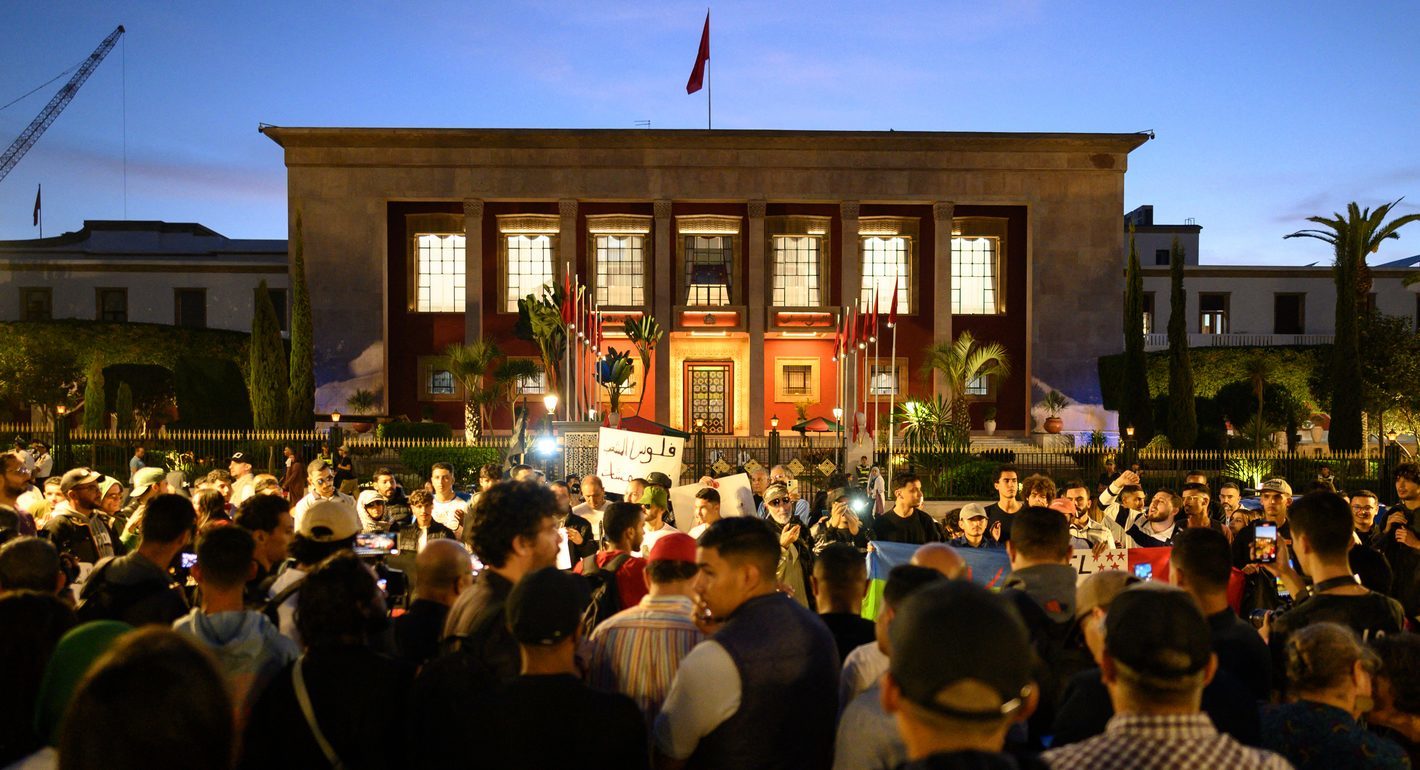
From anime heroes to online gaming communities, Morocco’s Gen Z is building a new protest culture. What does this digital imagination reveal about youth politics, and how should institutions respond?
Abdelilah Farah
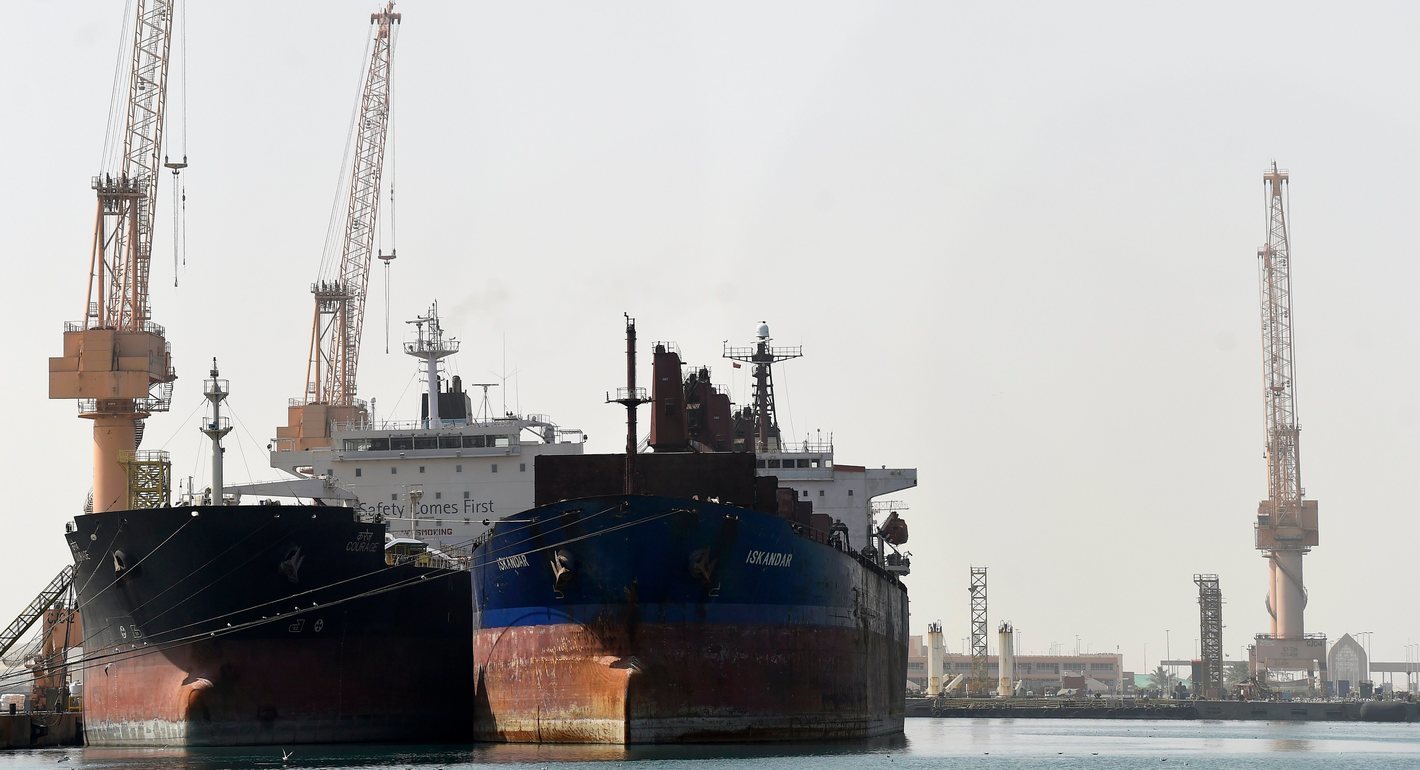
In a volatile Middle East, the Omani port of Duqm offers stability, neutrality, and opportunity. Could this hidden port become the ultimate safe harbor for global trade?
Giorgio Cafiero, Samuel Ramani
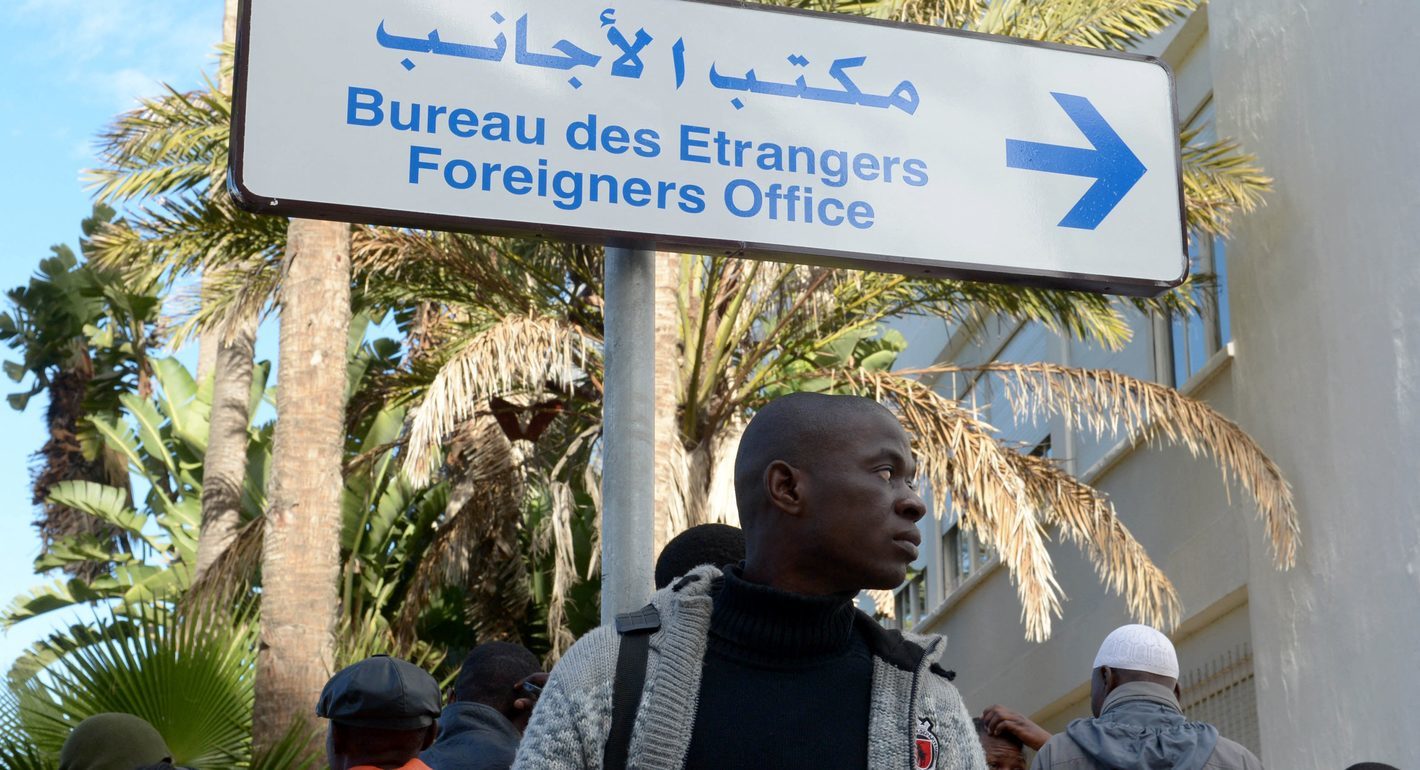
Is Morocco’s migration policy protecting Sub-Saharan African migrants or managing them for political and security ends? This article unpacks the gaps, the risks, and the paths toward real rights-based integration.
Soufiane Elgoumri
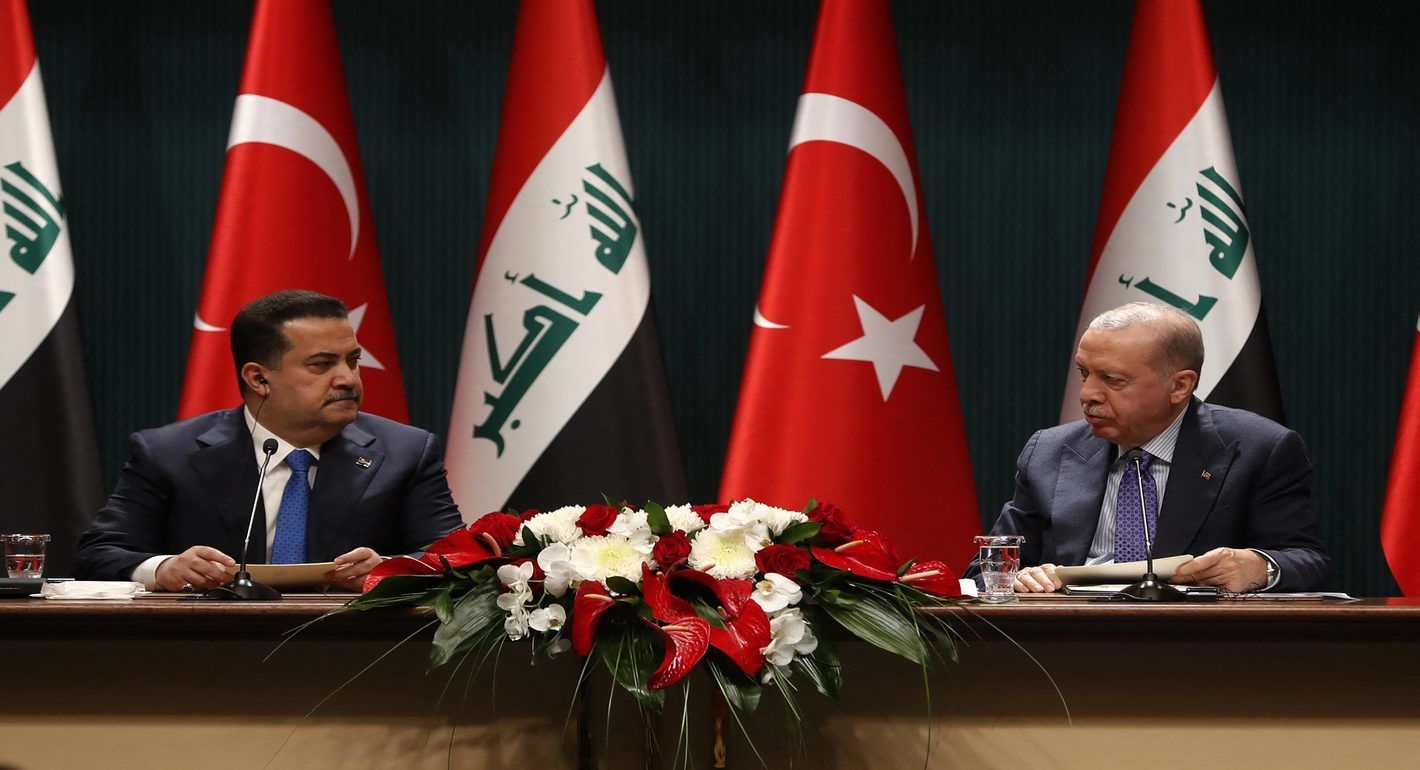
Iraq’s foreign policy is being shaped by its own internal battles—fractured elites, competing militias, and a state struggling to speak with one voice. The article asks: How do these divisions affect Iraq’s ability to balance between the U.S. and Iran? Can Baghdad use its “good neighbor” approach to reduce regional tensions? And what will it take for Iraq to turn regional investments into real stability at home? It explores potential solutions, including strengthening state institutions, curbing rogue militias, improving governance, and using regional partnerships to address core economic and security weaknesses so Iraq can finally build a unified and sustainable foreign policy.
Mike Fleet
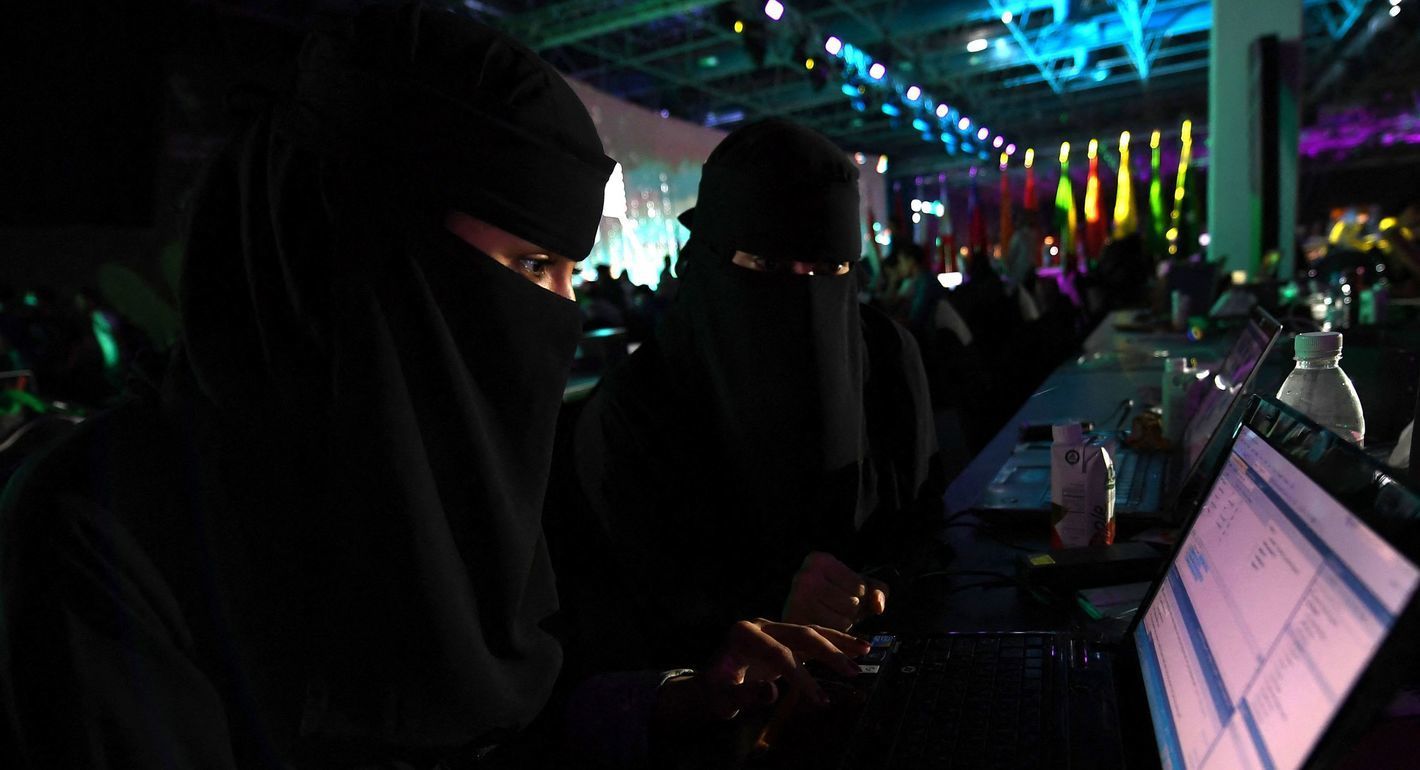
How can Saudi Arabia turn its booming e-commerce sector into a real engine of economic empowerment for women amid persistent gaps in capital access, digital training, and workplace inclusion? This piece explores the policy fixes, from data-center integration to gender-responsive regulation, that could unlock women’s full potential in the kingdom’s digital economy.
Hannan Hussain