In organizing a founding summit of the Union for the Mediterranean to be held July 13, French President Nicolas Sarkozy perhaps had not initially expected that he would have to invite nearly forty heads of state. Originally, the union had been limited to countries bordering the Mediterranean Sea. In the end Sarkozy has invited Morocco, Tunisia, Algeria, Egypt, Libya, Syria, Lebanon, Palestine, Jordan, Turkey, Mauritania, and the Arab League—in addition to all twenty-seven EU member states.
President Sarkozy has faced a plethora of obstacles, causing the project to shift in focus. Germany did not accept restricting union membership to countries on the Mediterranean, worrying that the new body would undermine EU unity and identity. The newer EU member states stood with Germany on this point, fearing that large sums of assistance would be redirected south of the Mediterranean within a joint Euro-Mediterranean framework.
For their part, Arab countries have predictably taken positions that reflect the tensions among them, although in the end it seems that most Arab heads of state—with the exception of Libyan leader Muammar al-Qaddafi and Jordanian King Abdullah II (who will be in the United States)—will participate. Still, the Arab countries are divided into two camps. One group, led by Morocco and Tunisia, is optimistically looking forward to the economic and political benefits resulting from such a union. Syria is also enthusiastic, seeing it as an avenue out of its international isolation.
Algeria and Libya, on the other hand, view this initiative with suspicion. The richest of the southern Mediterranean countries in natural resources, they have expressed concern that the southern Mediterranean countries would replace Europe as the destination of choice for thousands of illegal immigrants from sub-Saharan Africa. In addition, Algeria objects to Israel’s participation, an uncomfortable issue for several Arab countries. But it seems that Sarkozy overcame President Bouteflika’s initial reservations and persuaded him to come.
Reacting in stronger terms, Libyan leader Muammar al-Qaddafi called the French president’s project—which Tripoli sees as a blow to Arab League and African Union unity—“an insult.” By contrast with their conciliatory attitude toward Algeria, French authorities announced they would not try to persuade Qaddafi to change his position. It is unclear whether Libyan Foreign Minister Shalgam will participate.
Morocco, Tunisia, and Egypt announced their support for the union despite a likely struggle among them for influence in the new body. For example, Cairo only accepted Sarkozy’s invitation to participate in the union’s founding summit once it had secured from him a promise to grant it the presidency, which is to be shared by one state each from the north and the south. Even with this guarantee in hand, there were initial reports that President Hosni Mubarak would boycott the summit to avoid meeting his Syrian counterpart, but apparently he will go after all.
Sarkozy surprised many by inviting Syrian President Bashar al-Assad to attend the union’s founding session. But relations between the two countries are warming after several years of hostility due to the situation in Lebanon. The invitation was a boon to Damascus, which is seeking to break out of its regional and international isolation, but it infuriated the anti-Syrian March 14th coalition and its supporters within Lebanon. Nonetheless, French sources announced that both Lebanese President Michel Suleiman and al-Assad will be there, and that the French president will meet with them on the eve of the summit. Israeli Prime Minister Ehud Olmert and Palestinian President Mahmoud Abbas will also reportedly meet in Paris.
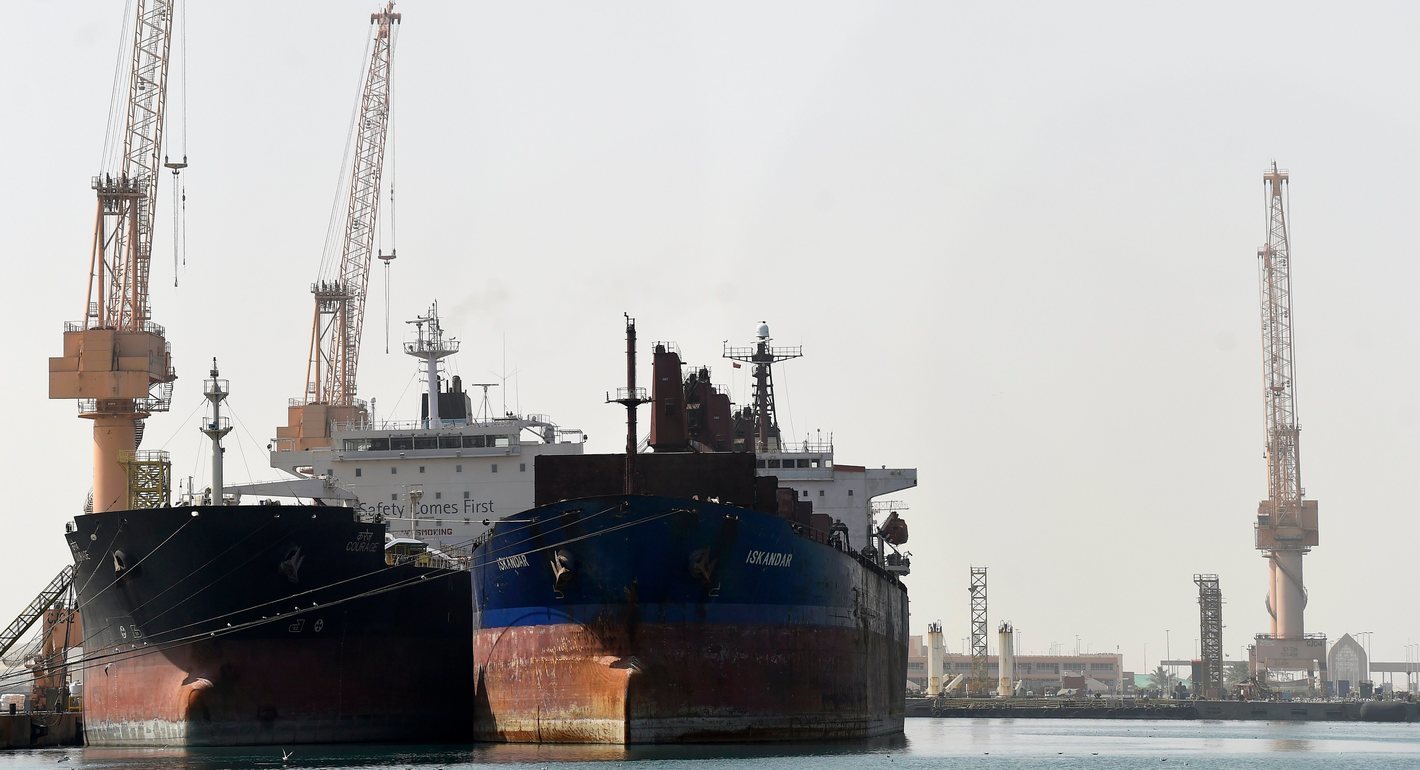
And so it seems that France may secure a diplomatic victory by getting most of the invited Arab leaders to attend the founding summit. But questions persist about whether the new Union will lead to significant progress in economic, security, and cultural relations among the member states or will end up being simply a public relations move by Sarkozy. The European agenda for the summit reportedly includes plans for improved Mediterranean port facilities, sea routes, and environmental work, as well as construction of a road linking North African states. But the legal framework for cooperation in all fields between the EU and the Mediterranean countries has existed for more than a decade, and so the question remains: is there a need for the Union for the Mediterranean?
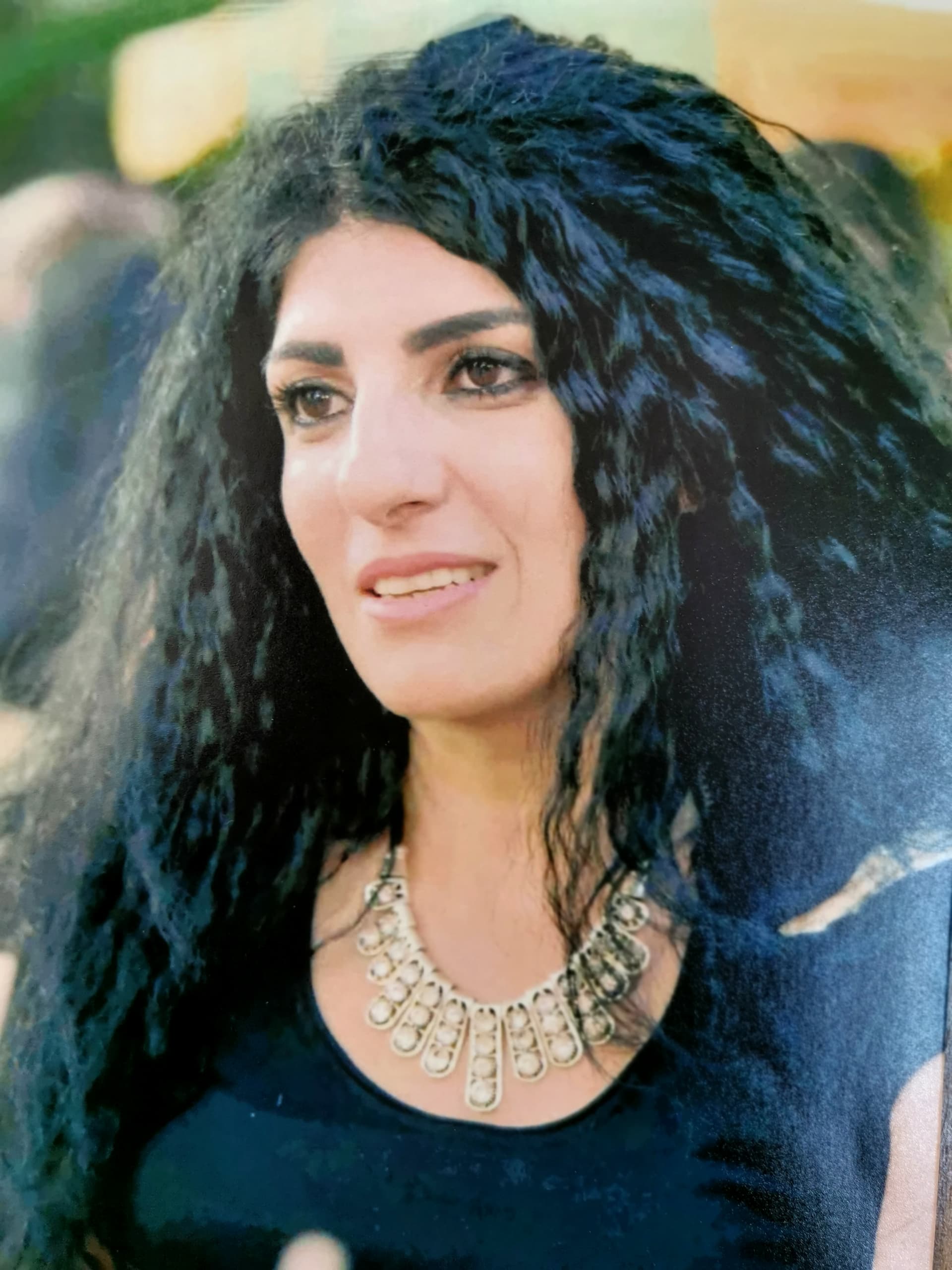
Bassam Bounenni is a Tunisian journalist living in Doha. Paul Wulfsberg translated this article from Arabic.