

Commentary
Syria's transition promised a fresh start. But are old habits of power making a comeback? This analysis looks at the warning signs and what it will take to build a more accountable state.
Sima Beitinjaneh
{
  "authors": [
    "Ebtisam Al Kitbi"
  ],
  "type": "commentary",
  "blog": "Sada",
  "centerAffiliationAll": "",
  "centers": [
    "Carnegie Endowment for International Peace"
  ],
  "collections": [],
  "englishNewsletterAll": "",
  "nonEnglishNewsletterAll": "",
  "primaryCenter": "Carnegie Endowment for International Peace",
  "programAffiliation": "",
  "programs": [],
  "projects": [],
  "regions": [
    "North Africa",
    "Middle East"
  ],
  "topics": [
    "Economy"
  ]
}

REQUIRED IMAGE
In recent years the Arab Gulf states— Kuwait, the United Arab Emirates, Bahrain, Qatar, and Oman —have undertaken wide-ranging changes affecting many aspects of life. Among the most prominent areas of change is education, which lays the foundation for cultural, social and political consciousness.
In recent years the Arab Gulf states— Kuwait, the United Arab Emirates, Bahrain, Qatar, and Oman —have undertaken wide-ranging changes affecting many aspects of life. Among the most prominent areas of change is education, which lays the foundation for cultural, social and political consciousness. Although in general political leaders in the Gulf reject the idea of reform imposed from the outside, paradoxically they are receptive to such reform in the sensitive and critical field of education. A quick look at educational initiatives already underway and those under consideration can shed light on how new curricula will shape the minds of coming generations.
Among the most important changes in the Gulf is increasing reliance on the English language at the university level, despite the fact that English language instruction in elementary and secondary public schools in the region remains weak. The decision to change the language of instruction in the social sciences and humanities to English, although many students lack the required proficiency, has profound implications for education.
It is difficult for students to engage enthusiastically in the detailed discussion required to understand the sophisticated concepts, theories, and debates in the humanities and social sciences when it is clear to them that their English language skills are not up to the task. Students are likely to question the usefulness of studying in a foreign language when they encounter obstacles that arise from language deficiencies despite their intelligence, motivation, and the effort they expend in scholastic achievement. When students discover that their failure to follow along in the reading material at the required speed, or to achieve acceptable grades in exams, or to produce a well-written research paper are all caused by their deficiency in a foreign language, many will be discouraged and will abandon educational pursuits. This would be an unfortunate societal loss.
With the exception of a small group of outstanding students who master English, many others who will resolve to adopt patience and perseverance in finishing their studies will have to be content with unremarkable scholastic achievement. Naturally, this is not the type of student that the public policies in the Gulf countries aim to produce, nor is it the type of student that is required by the demands of development efforts.
The increasing reliance on English is an example of the sort of proposed changes in educational systems that serve foreign interests more than they serve the societies of the Gulf. The insistence of foreign powers on a change in the educational philosophy in the Arab Gulf region comes within the context of the control and suppression of university youth so that their world view in the future will be compatible with and serve the interests of those powers. It is known that when the interactive relationship between the social and political contexts and the universities is strengthened, internal and external change results—as is made clear by the effective role of students in many Arab and international experiences. Altering the role of higher education neutralizes university students and prevents them from being an effective force for change
Strategic reform of educational systems aiming, in the long run, to bring about an increase in national achievements would require greater cohesion between the coming generations and the issues relevant to the general population. It would also entail opening up space for popular participation in the political sphere and in socio-cultural action. The more the educational system is in step with society and complements public policies, the more the results will serve actual needs in the Gulf States.
Ebtisam Al Kitbi is assistant professor of political science at the United Arab Emirates University. This article was translated from Arabic by Kevin Burnham.
Ebtisam Al Kitbi
Carnegie does not take institutional positions on public policy issues; the views represented herein are those of the author(s) and do not necessarily reflect the views of Carnegie, its staff, or its trustees.
Syria's transition promised a fresh start. But are old habits of power making a comeback? This analysis looks at the warning signs and what it will take to build a more accountable state.
Sima Beitinjaneh
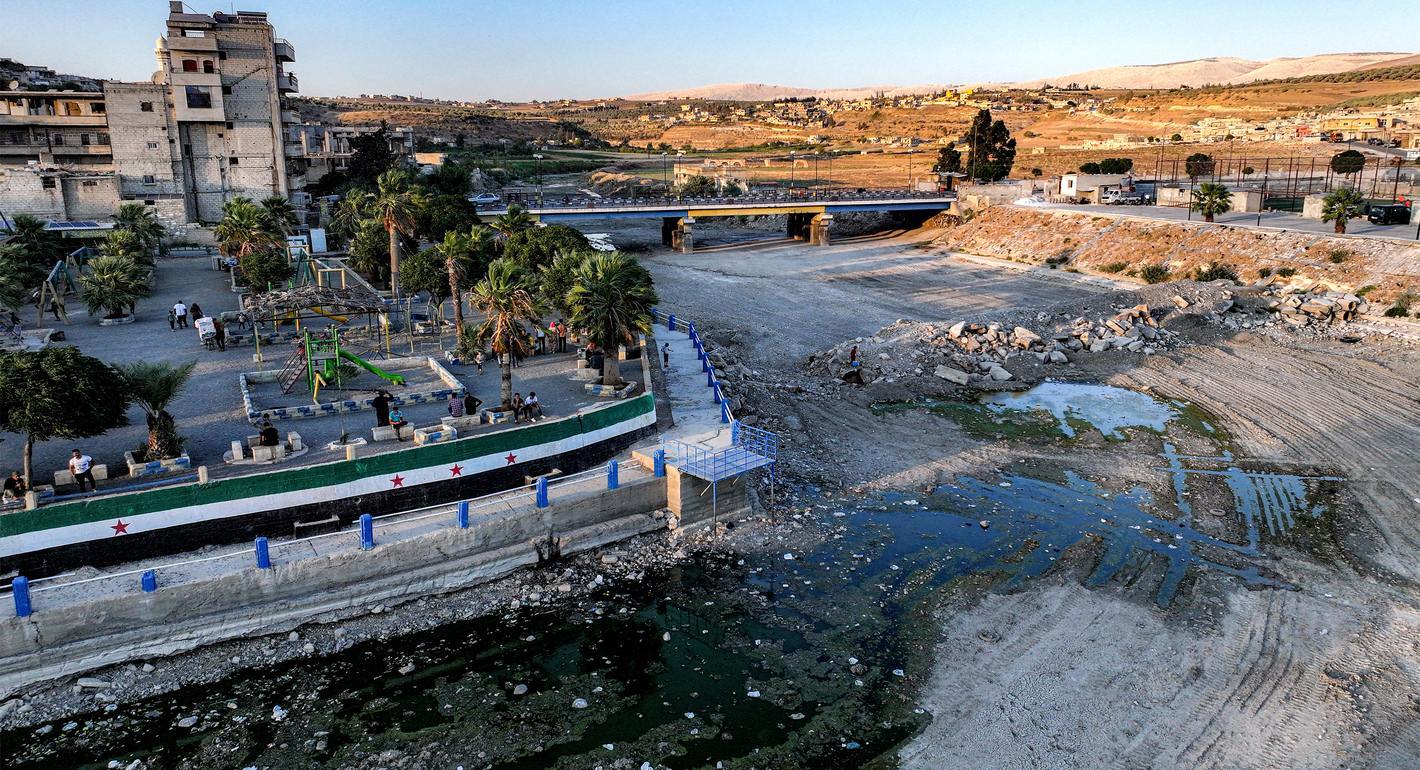
Syria’s worsening drought is no longer a seasonal crisis. This report explains what climate change is doing to rainfall, groundwater, and food security, and what solutions experts say are still possible.
Milia Esper
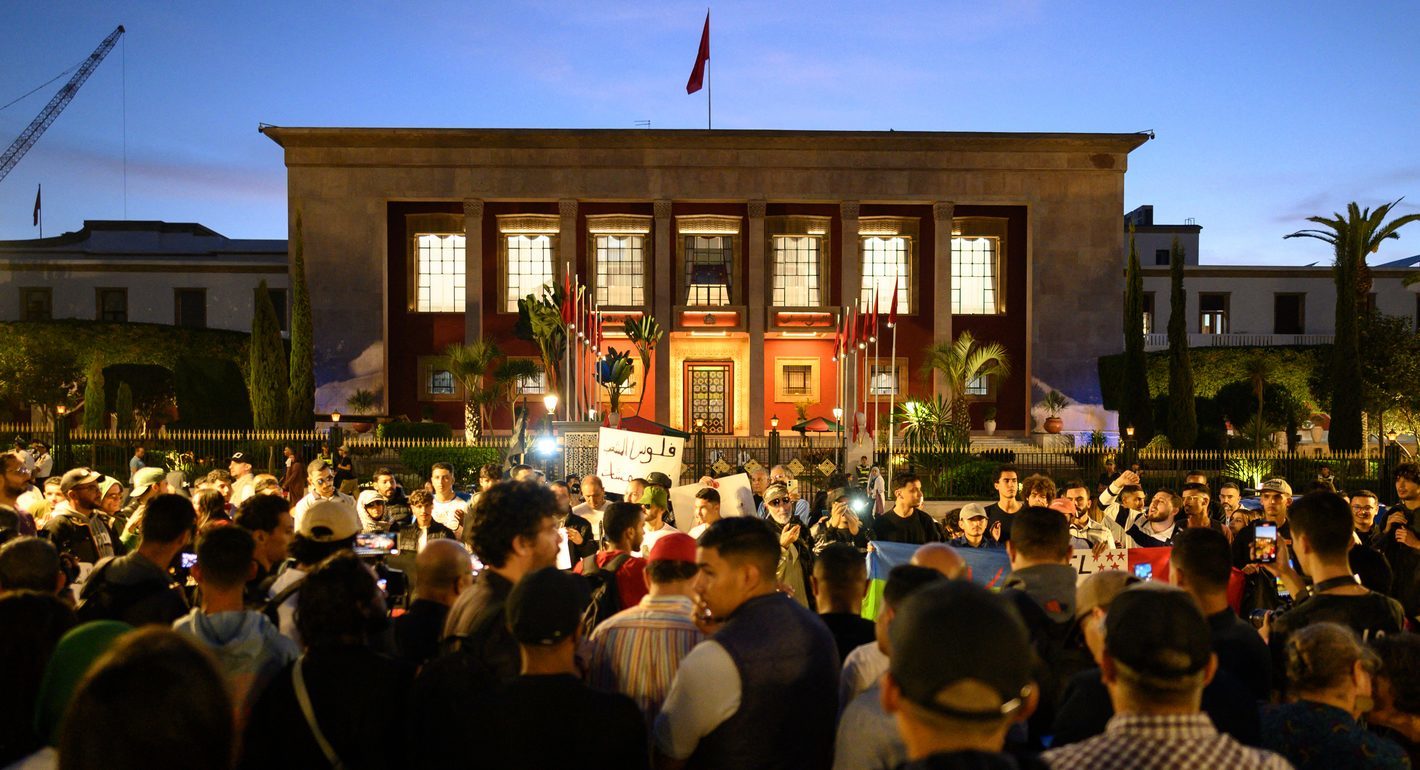
From anime heroes to online gaming communities, Morocco’s Gen Z is building a new protest culture. What does this digital imagination reveal about youth politics, and how should institutions respond?
Abdelilah Farah
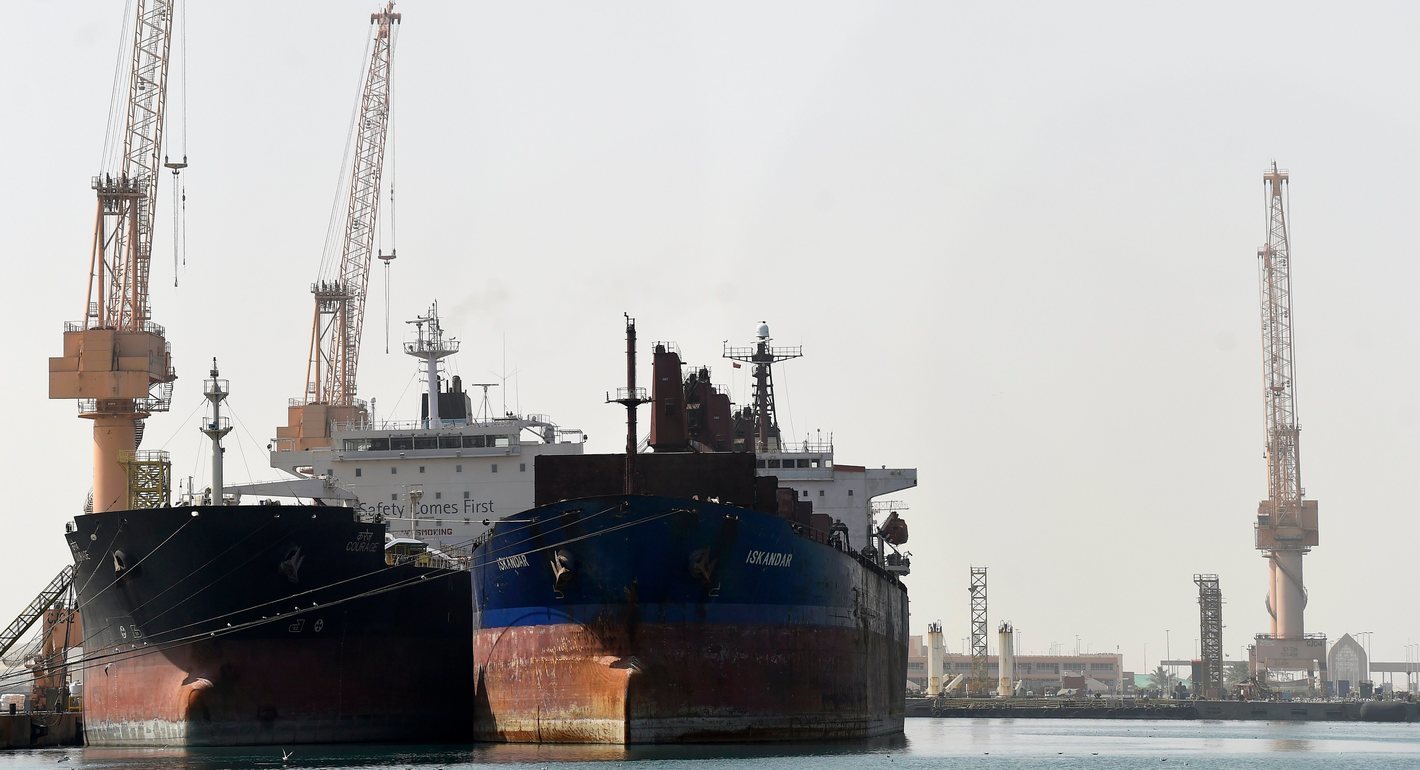
In a volatile Middle East, the Omani port of Duqm offers stability, neutrality, and opportunity. Could this hidden port become the ultimate safe harbor for global trade?
Giorgio Cafiero, Samuel Ramani
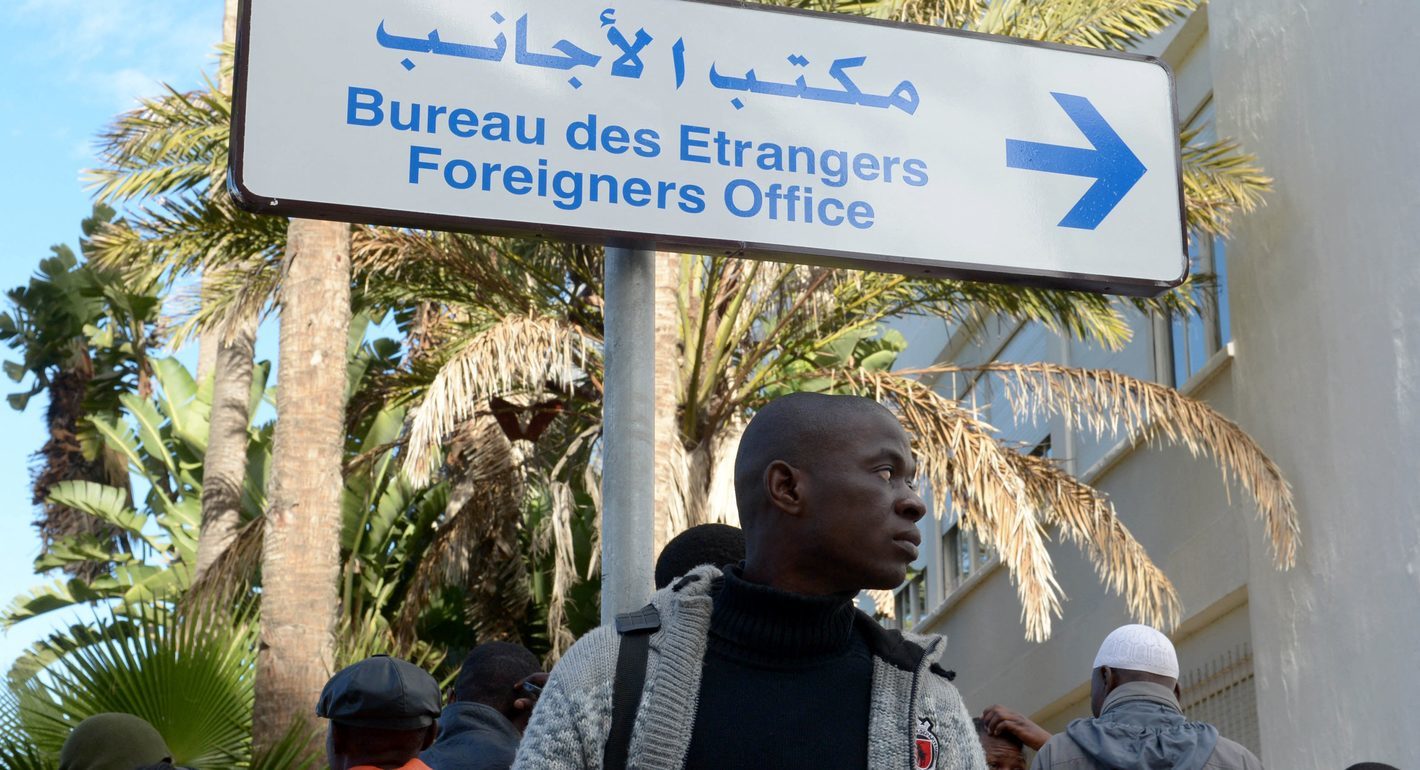
Is Morocco’s migration policy protecting Sub-Saharan African migrants or managing them for political and security ends? This article unpacks the gaps, the risks, and the paths toward real rights-based integration.
Soufiane Elgoumri