

Paper
Omayma Abdel-Latif
{
  "authors": [
    "Omayma Abdel-Latif"
  ],
  "type": "commentary",
  "blog": "Sada",
  "centerAffiliationAll": "",
  "centers": [
    "Carnegie Endowment for International Peace",
    "Malcolm H. Kerr Carnegie Middle East Center"
  ],
  "collections": [],
  "englishNewsletterAll": "",
  "nonEnglishNewsletterAll": "",
  "primaryCenter": "Carnegie Endowment for International Peace",
  "programAffiliation": "",
  "programs": [],
  "projects": [],
  "regions": [
    "North Africa",
    "Egypt"
  ],
  "topics": [
    "Political Reform"
  ]
}

REQUIRED IMAGE
"How do you think the Muslim Brotherhood performance has affected parliament?" The question was posted on the website of the Muslim Brotherhood, Egypt's largest opposition group, in mid-March after 100 days in the current parliament. The results offered a boost.
"How do you think the Muslim Brotherhood performance has affected parliament?" The question was posted on the website of the Muslim Brotherhood, Egypt's largest opposition group, in mid-March after 100 days in the current parliament. The results offered a boost. Sixty-eight percent of respondents said the Brotherhood's impact so far was excellent, 22 percent judged it acceptable, and 7 percent deemed it poor, while 3 percent said they did not care.
Stunned by the Brotherhood's electoral splash in the 2005 elections, when the group secured 88 of the 454 seats in the People's Assembly, observers have questioned the group's ability to serve effectively in the legislature. "Some analysts reacted to our victory as though the Brothers are a bunch of sheikhs and dervishes who were entering the political fray for the first time and had no parliamentary experience," remarked Essam Al Erian, senior member of the Brotherhood's politburo. Indeed, the Brotherhood's involvement in electoral politics dates back to 1938 when its founder and spiritual leader Hassan Al Banna ran for parliamentary elections in Ismailia. Forced to withdraw under pressure from British occupation authorities, Al Banna and other Brothers tried again in 1946 but failed to win seats
Repression by President Gamal Abdel Nasser forced the group to go underground in the 1950s-60s, and it was not until President Anwar Sadat's liberalization program in the mid-1970s that the Brotherhood was able to contest elections again. In 1976 the Brotherhood won a single seat, but it increased its presence to eight seats in 1984 and 36 seats in 1987, when it formed electoral alliances with secular parties including the Wafd, Socialist Labor Party, and Liberals Party. The 1990s saw a government clampdown on Islamists in light of terrorist attacks by extremist groups; the Brotherhood boycotted the 1990 elections and only one Brother was elected in 1995. In 2000 independent Brotherhood candidates won 17 seats, making them the largest opposition bloc in parliament at the time.
Along the course of the Brotherhood's ascendancy in politics, critics have charged that the movement's legislative agenda centered on morality rather than political issues. "Past experience shows that they were only after banning a book here or a play there. They rarely addressed real political issues," assessed political analyst Wahid Abdel Maguid. Responding to such charges, the Brotherhood recently published a book, The Brotherhood in Parliament, enumerating in detail the issues addressed by its deputies since 2000. Demands for constitutional amendments, expanding political freedoms, lifting the state of emergency, and raising questions about the fate of Egypt's 17,000 political detainees topped the Brotherhood's agenda, according to the book.
An examination of the Brotherhood's record since 2000, however, shows that morality issues did feature significantly and command public attention. Brotherhood deputies demanded a ban on a novel published by the Culture Ministry, for example, because it contained sexually explicit material and mocked religion. They also frequently raised issues related to Egypt's Islamic and Arab identity in parliamentary debates. Brotherhood deputies attempted unsuccessfully to introduce legislation several times, for example a law relating to establishing an economic court and another to strengthen judicial authority. Deputies also submitted more than ten interpellations to cabinet ministers dealing with thorny issues ranging from corruption to privatization to the emergency law, most of them directed to Interior Minister Habib Al Adli.
In the current parliament, Brotherhood Supreme Guide Muhammad Mahdi Akef instructed lawmakers to give priority to exposing corruption and enhancing political freedoms. Saad Al Kattatni, head of the Brotherhood parliamentary bloc, said recently that political reform will remain central to the legislative agenda. In late March, Brotherhood deputies submitted a draft law to revise procedures licensing political parties, a hot issue because the current law gives the ruling National Democratic Party (NDP) virtual veto power over its competitors.
Kattatni says that in the new parliament the Brotherhood is keen to coordinate with secular opposition forces, which hold 12 seats. That same spirit, however, does not exist between Brotherhood deputies and their National Democratic Party (NDP) counterparts. In one recent incident, an NDP deputy accused Brotherhood deputies of being “members of an illegal group who should be put in prison." The Brotherhood deputies walked out in protest, a scene that has been repeated during the current parliamentary session. The government recently banned live coverage of parliamentary sessions on state-owned Nile TV, drawing protests from Brotherhood deputies.
Brotherhood leaders make no secret of their frustration at the futility of their energetic legislative efforts in view of the NDP's two-thirds majority in parliament. "The Brotherhood performance in parliament is remarkable, said Supreme Guide Akef in a recent interview, “however it remains an effort without value." Essam Al Erian begs to differ, setting a more realizable goal: "Every issue we address in the Assembly enlightens the public and creates a debate; this is enough for the time being."
Omayma Abdel-Latif is political affairs correspondent at Egypt's Al Ahram Weekly and has covered Islamist politics for the last decade.
Former Research and Program Associate, Middle East Center
Abdel-Latif, formerly the assistant editor-in-chief at Al-Ahram Weekly, has done extensive work on Islamist movements with special emphasis on the Muslim Brotherhood of Egypt.
Recent Work
Omayma Abdel-Latif
Omayma Abdel-Latif
Carnegie does not take institutional positions on public policy issues; the views represented herein are those of the author(s) and do not necessarily reflect the views of Carnegie, its staff, or its trustees.
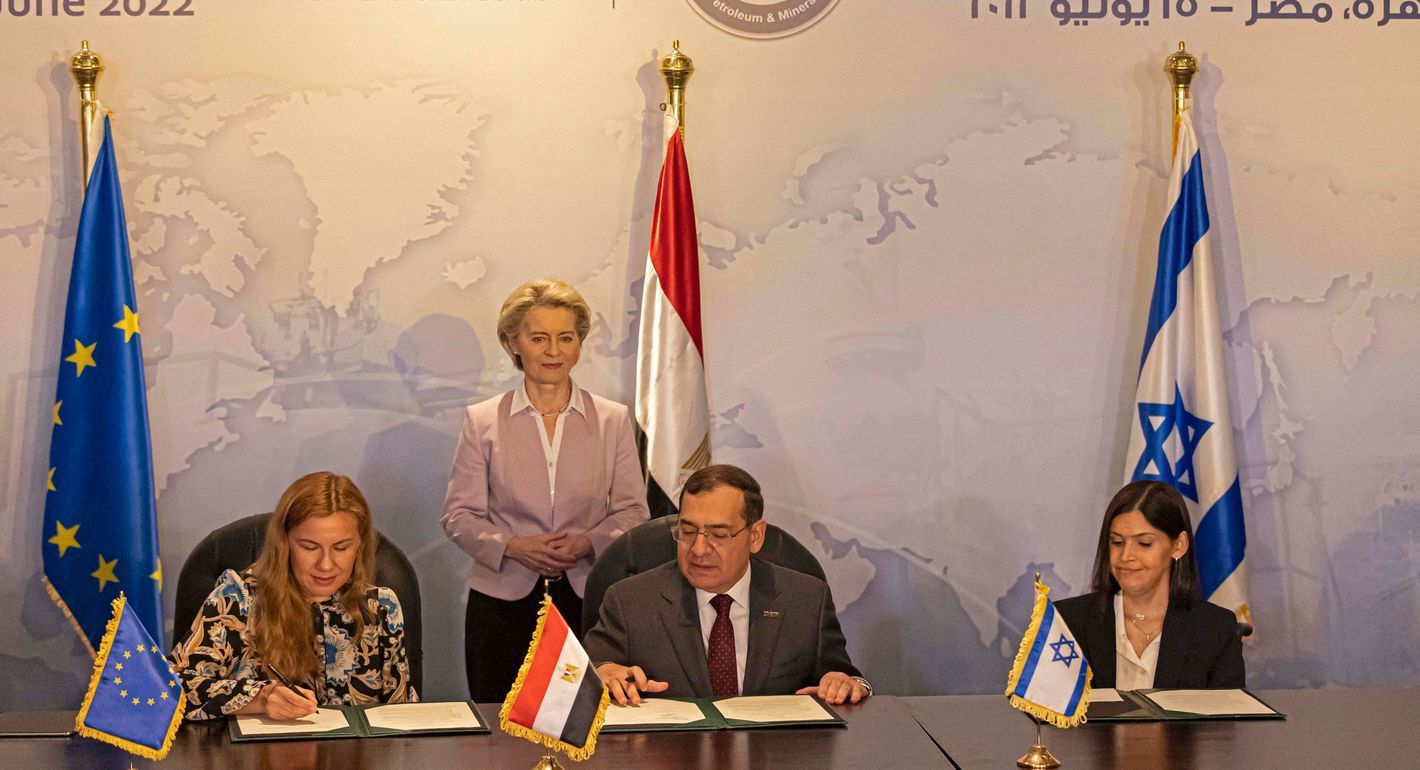
Can economic ties help contain conflict between Egypt and Israel, or do they simply postpone confrontation? Drawing on the German-Russian experience, the article examines how the gas deal creates mutual dependence, keeps channels of cooperation open, and raises the cost of conflict, without necessarily delivering lasting peace.

Nourhan Hefzy
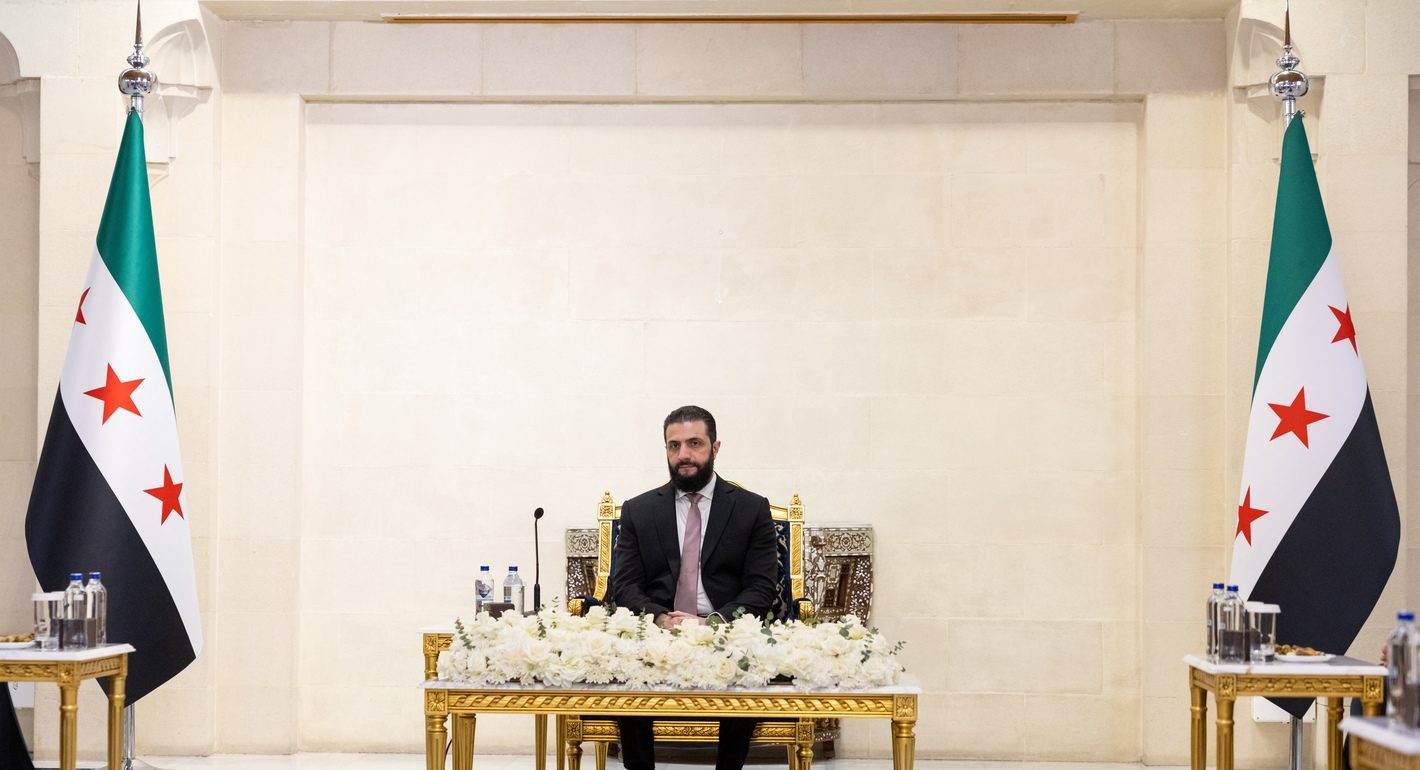
Syria's transition promised a fresh start. But are old habits of power making a comeback? This analysis looks at the warning signs and what it will take to build a more accountable state.
Sima Beitinjaneh
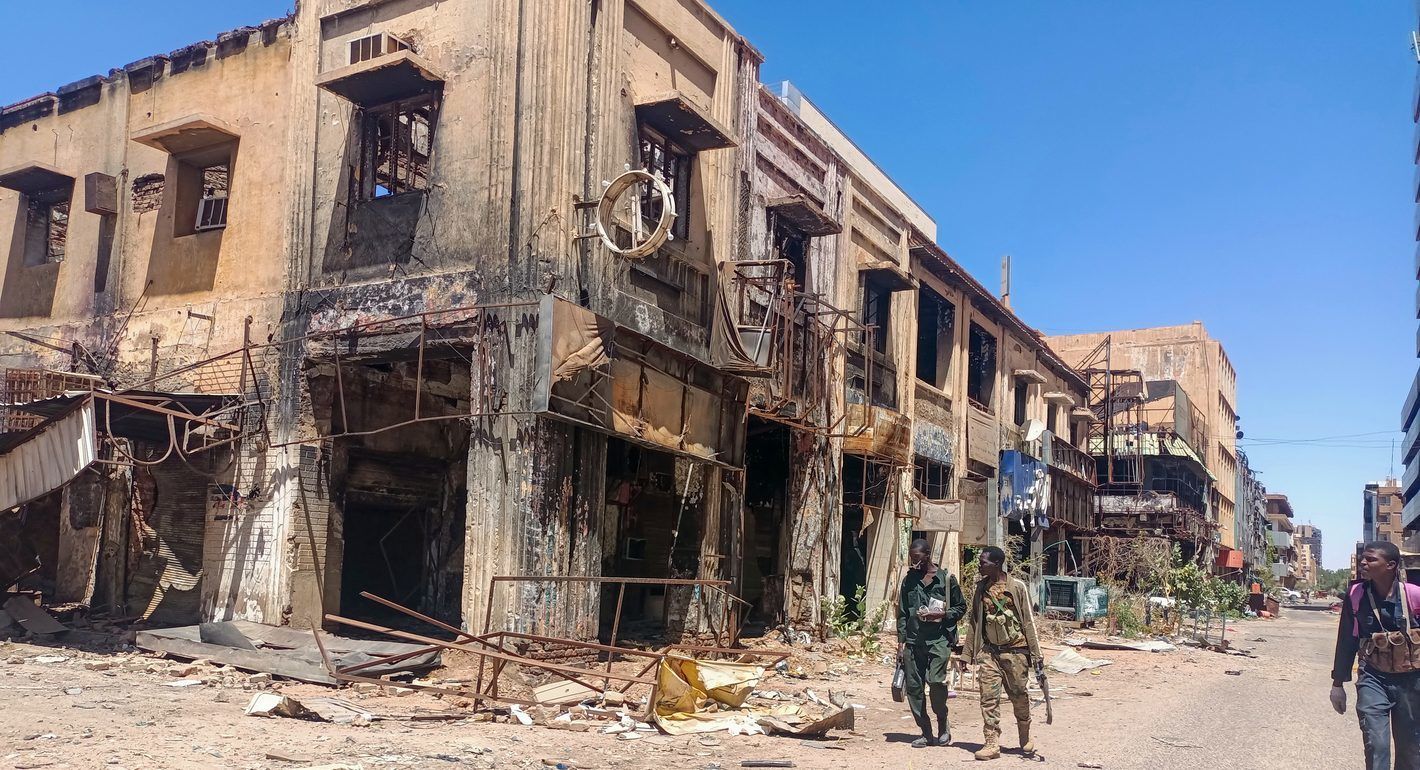
Hate speech has spread across Sudan and become a key factor in worsening the war between the army and the Rapid Support Forces. The article provides expert analysis and historical background to show how hateful rhetoric has fueled violence, justified atrocities, and weakened national unity, while also suggesting ways to counter it through justice, education, and promoting a culture of peace.
Samar Sulaiman
Kuwait’s government has repeatedly launched ambitious reforms under Kuwait Vision 2035, yet bureaucratic inefficiency, siloed institutions, and weak feedback mechanisms continue to stall progress. Adopting government analytics—real-time monitoring and evidence-based decision-making—can transform reform from repetitive announcements into measurable outcomes.
Dalal A. Marafie
The chaos of street naming in Sana’a reflects the deep weakness of the Yemeni state and its failure to establish a unified urban identity, leaving residents to rely on informal, oral naming systems rooted in collective memory. This urban disorder is not merely a logistical problem but a symbolic struggle between state authority and local community identity.
Sarah Al-Kbat