

Commentary
Richard Youngs
{
  "authors": [
    "Richard Youngs"
  ],
  "type": "commentary",
  "blog": "Sada",
  "centerAffiliationAll": "",
  "centers": [
    "Carnegie Endowment for International Peace"
  ],
  "collections": [],
  "englishNewsletterAll": "",
  "nonEnglishNewsletterAll": "",
  "primaryCenter": "Carnegie Endowment for International Peace",
  "programAffiliation": "",
  "programs": [],
  "projects": [],
  "regions": [
    "Middle East"
  ],
  "topics": [
    "Political Reform"
  ]
}

REQUIRED IMAGE
For a decade, European governments have been 'talking the talk' of democratic reform in the Middle East. In practice, the European Union's (E.U.) democracy promotion has consisted of a panoply of low-key initiatives that have failed to produce significant results. Even so, European engagement with rule of law and human rights issues in the Middle East surpassed that of the United States.
For a decade, European governments have been 'talking the talk' of democratic reform in the Middle East. In practice, the European Union's (E.U.) democracy promotion has consisted of a panoply of low-key initiatives that have failed to produce significant results. Even so, European engagement with rule of law and human rights issues in the Middle East surpassed that of the United States. Throughout the 1990s, European officials often lamented the overwhelming American focus on hard security interests in the region.
Yet, confronted with Washington's new Greater Middle East Initiative (GMEI) to promote political and economic reform in Arab countries and other Muslim-majority nations, European governments have reacted with unease. They fear that American neo-conservatives will appropriate European ideas to support a U.S. agenda of "democratic imperialism" and that the GMEI will jeopardize their own quiet engagement. Thus, Europe is determined to stake out a distinctive approach to Middle East reform. As in the past, Europe has been galvanized by intensified American activity even as it rails against it.
Accordingly, individual European governments and the E.U. collectively have stepped up their democracy promotion efforts in the Middle East. Denmark, Germany, and the United Kingdom have unveiled new initiatives on Middle East reform. France, the Netherlands, and Spain have increased governance funding for the region. The European Commission has promised increased aid for Arab governments that agree to negotiate human rights plans (so far, Morocco and Jordan have expressed interest), and has redirected some of its mainstream development aid into human rights projects. It is also using long-running trade talks with Iran and Saudi Arabia as an entry point for discussion about governance reforms in those countries.
The most distinctive element of European initiatives is their cooperative approach, which is predicated on 'facilitating but not imposing change' and on 'building partnerships' with Middle Eastern countries. An E.U. paper prepared for the June 2004 G-8 and E.U.-U.S. summits emphasizes "engagement" with the Islamic world and calls for expanded European economic, social, cultural and educational cooperation with Muslim countries.
The new British and German initiatives for the region—entitled "Task Force for Dialogue with the Islamic World" and "Engaging with the Islamic World," respectively—exemplify the partnership approach. Aside from the familiar argument that reform must accompany a commitment to resolve the Arab-Israeli conflict, the sharpest European complaint about the GMEI is that Washington has not consulted adequately with Arab governments, and civil society groups.
In fact, these European initiatives resemble the apparently gentle plans for the GMEI, which itself seems inspired by the gradualist European approach of the past decade. The longstanding European tendency to focus diplomatic pressure and democracy aid on specific human rights cases, rather than overarching political and institutional reform, appears unchanged. New European initiatives do not focus directly on democracy or earmark funds for democracy building as such. Activities relevant to political reform are quietly hidden within broader governance and development initiatives, the logic being that the more surreptitious external actors' efforts, the better the chance of success. The use of political conditionality remains anathema to most European states. And while European governments strongly assert that Middle East democracy promotion must be coupled with serious efforts to achieve Arab-Israeli peace, they also talk of shifting from regional programs to an emphasis on bilateral programs with individual Arab states to prevent the ongoing Israeli-Palestinian conflict from infecting the broader European reform agenda.
The most significant divisions concerning democracy promotion in the Middle East are not between "Old Europe" and the United States, or even among European governments, as between different ministries within European governments. European development ministries—like their American counterpart, the U.S. Agency for International Development—tend to focus on the links between governance reforms and development. In contrast, both U.S. and European defense departments subscribe to a more security-orientated take on reform.
While the E.U. has been explicit in its objections to a heavy-handed U.S. reform policy, it has been less clear about exactly what type of engagement would be compatible with 'not imposing change.' Rather than ritually warning the United States that democracy cannot be imposed by force, Europeans should address the shortcomings of their own approach. These include the absence of a strategy for engaging with moderate Islamists, an inordinate emphasis on small-scale, bottom-up programs, and the lack of a diplomatic strategy to promote democratic political change.
Dr. Richard Youngs is a fellow with a European Union research project on European security and defense policy, and coordinator of the Civility Programme on Middle East Reform at the Foreign Policy Centre in London.

Senior Fellow, Democracy, Conflict, and Governance Program
Richard Youngs is a senior fellow in the Democracy, Conflict, and Governance Program, based at Carnegie Europe. He works on EU foreign policy and on issues of international democracy.
Recent Work
Richard Youngs

Richard Youngs, Erik Jones, Dan Baer, …
Carnegie does not take institutional positions on public policy issues; the views represented herein are those of the author(s) and do not necessarily reflect the views of Carnegie, its staff, or its trustees.
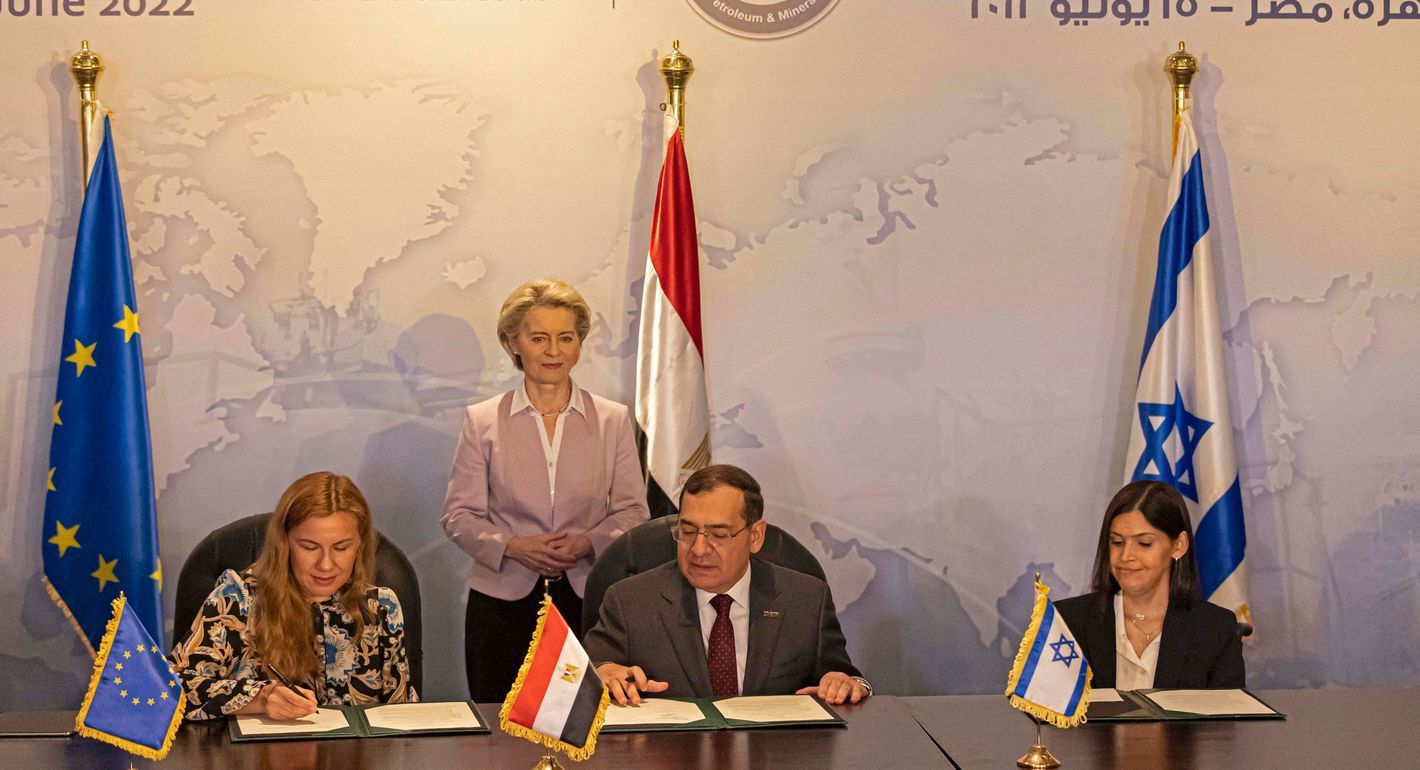
Can economic ties help contain conflict between Egypt and Israel, or do they simply postpone confrontation? Drawing on the German-Russian experience, the article examines how the gas deal creates mutual dependence, keeps channels of cooperation open, and raises the cost of conflict, without necessarily delivering lasting peace.
Nourhan Hefzy
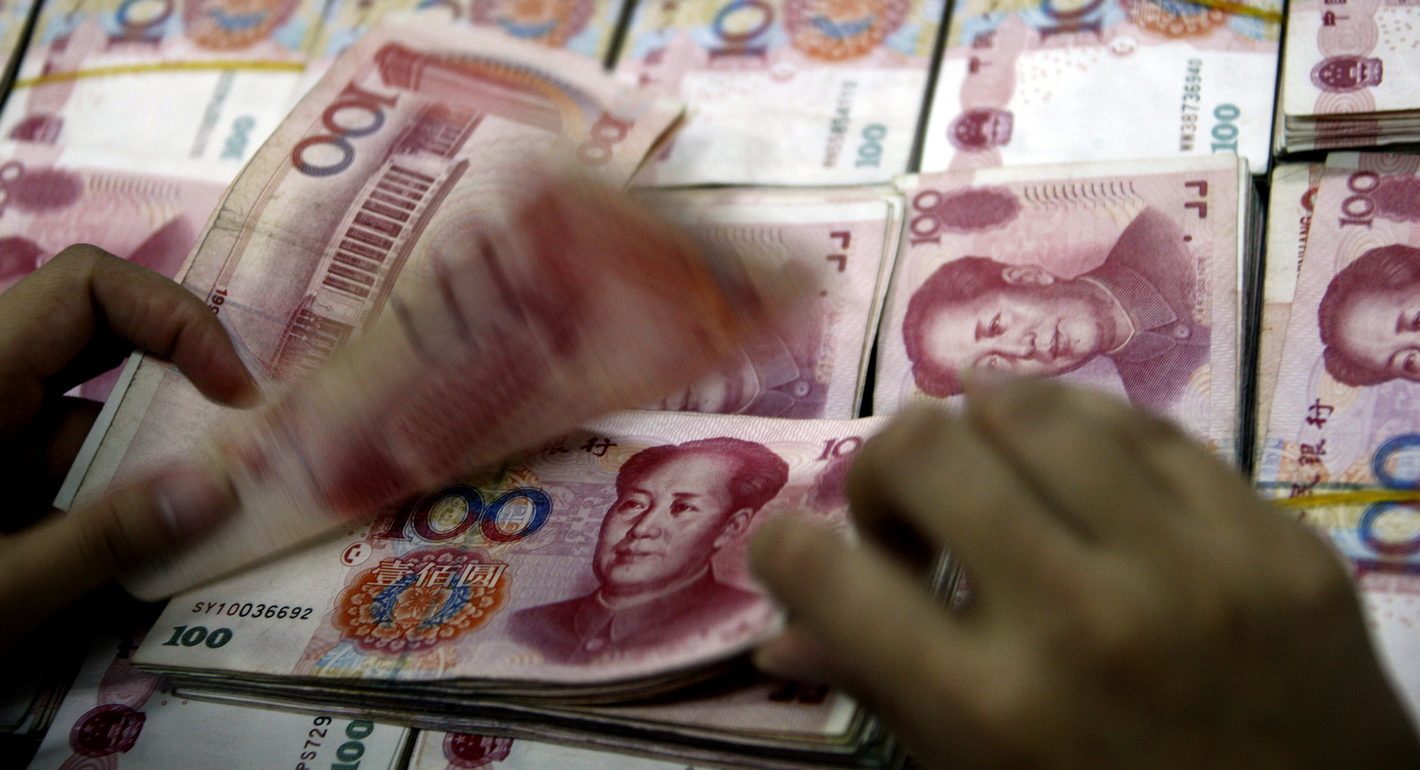
Is the Gulf moving beyond the dollar? This article examines how China is expanding the renminbi's role across Gulf markets, what that means for regional finance, and why the future of global currencies is more complex than the de-dollarization debate suggests.

Andrew Bonney
Syria's transition promised a fresh start. But are old habits of power making a comeback? This analysis looks at the warning signs and what it will take to build a more accountable state.
Sima Beitinjaneh
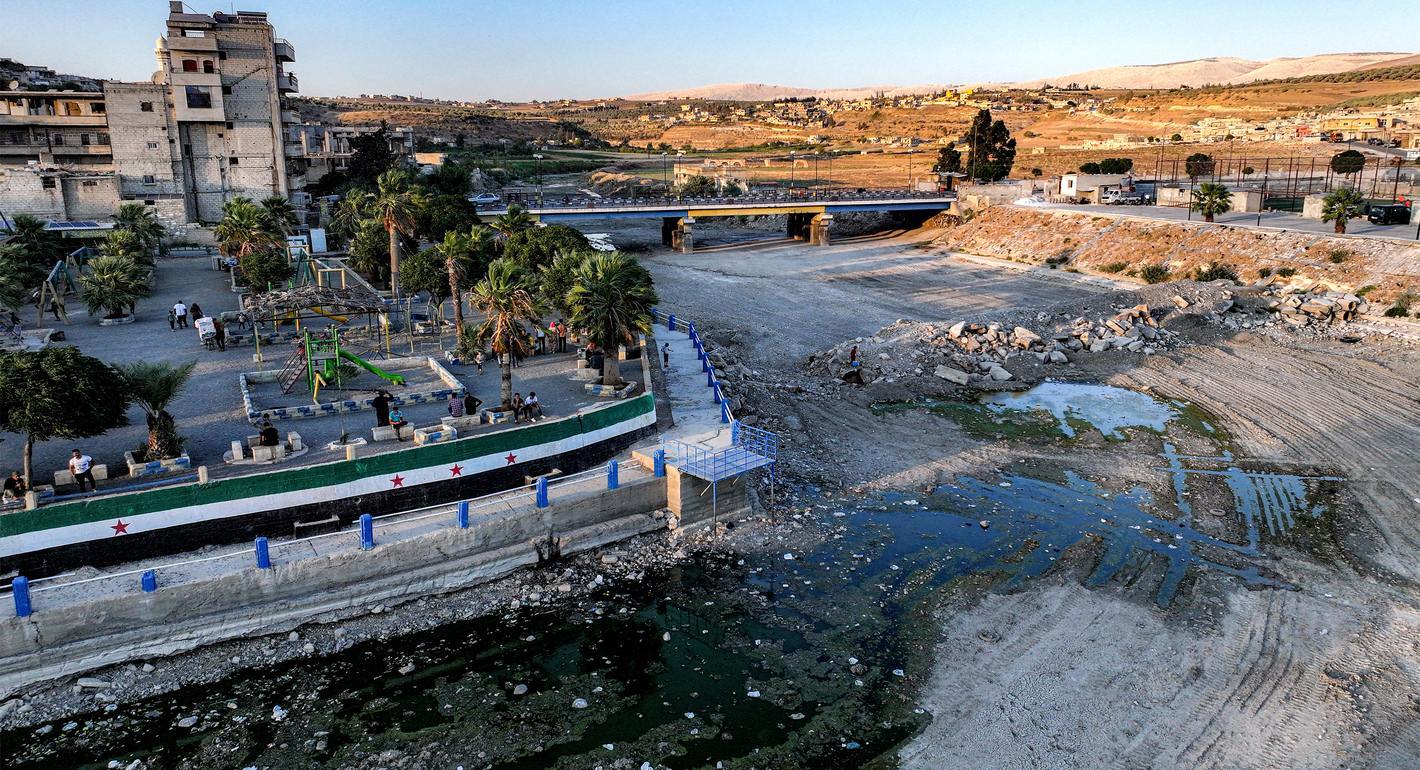
Syria’s worsening drought is no longer a seasonal crisis. This report explains what climate change is doing to rainfall, groundwater, and food security, and what solutions experts say are still possible.
Milia Esper
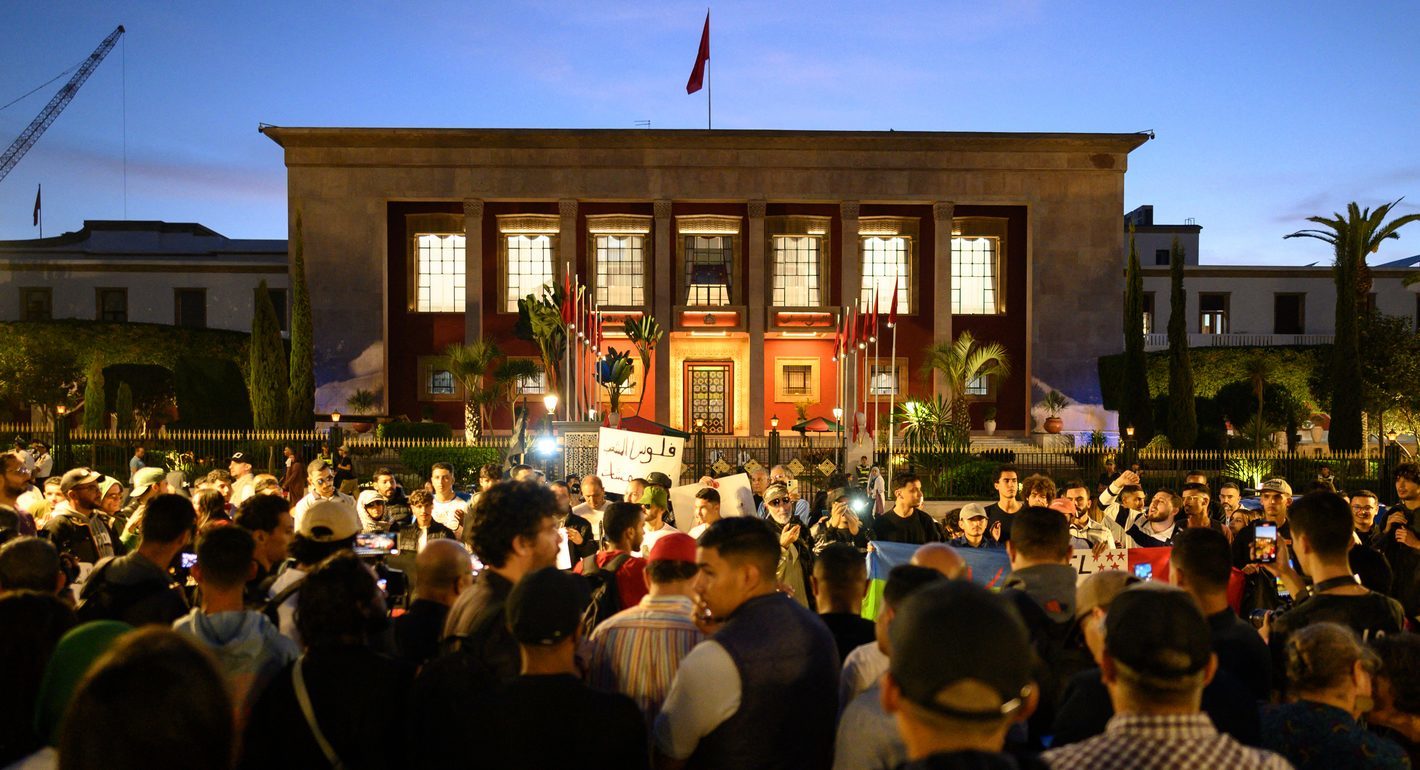
From anime heroes to online gaming communities, Morocco’s Gen Z is building a new protest culture. What does this digital imagination reveal about youth politics, and how should institutions respond?
Abdelilah Farah