

Commentary
Syria’s worsening drought is no longer a seasonal crisis. This report explains what climate change is doing to rainfall, groundwater, and food security, and what solutions experts say are still possible.
Milia Esper
{
  "authors": [
    "Charles Levinson"
  ],
  "type": "commentary",
  "blog": "Sada",
  "centerAffiliationAll": "",
  "centers": [
    "Carnegie Endowment for International Peace"
  ],
  "collections": [],
  "englishNewsletterAll": "",
  "nonEnglishNewsletterAll": "",
  "primaryCenter": "Carnegie Endowment for International Peace",
  "programAffiliation": "",
  "programs": [],
  "projects": [],
  "regions": [
    "Palestine",
    "Middle East"
  ],
  "topics": [
    "Political Reform"
  ]
}

REQUIRED IMAGE
Shortly after the split between Fatah and Hamas in June 2007, Dianna Buttu, the astute young advisor to Prime Minister Salam Fayyad, said that watching the rival factions joust for control of the Palestinian Authority (PA) was like watching bald men fight over a comb.
Shortly after the split between Fatah and Hamas in June 2007, Dianna Buttu, the astute young advisor to Prime Minister Salam Fayyad, said that watching the rival factions joust for control of the Palestinian Authority (PA) was like watching bald men fight over a comb. She meant that the Palestinian government over which Fatah and Hamas are vying is so gutted, powerless, and ineffective, that it hardly seems worth fighting for.
Since the formation of the PA in 1994, Palestinian self-rule has taken two steps backward for every one step forward. During the past five months of emergency government rule in the West Bank, that pattern has continued. It has, by some measures, been a period of competent governing that has seen an infusion of cash and a renascent peace process. It has also, however, seen troubling democratic retrenchment.
Prime Minister Salam Fayyad has brought pragmatic, expert technocrats back into government. Many of the same faces that pushed through widely praised reforms in
2002-04 are back today, struggling to reverse the damage done during Hamas's year of learn-as-you-go governance. In their first five months in power, the technocrats have focused on restoring a semblance of law and order, including a heavy-handed crackdown on Hamas, kickstarting the West Bank economy, and easing the daily hardships of Israeli occupation through a revived peace process. At best, however, results have been mixed.
Rebuilding the Palestinian security forces, crippled during the last Intifada, remains the most daunting challenge. Popular support for the government hinges in part on the PA's ability to restore order. Moreover, Israel will not ease up its grip on the West Bank unless it believes that Palestinian security has the will and ability to fill the void. But the PA has struggled to meet the challenge. Recent years have witnessed an infusion of weapons into the West Bank, the splintering of Fatah into a web of loosely aligned militias and gangs that operate outside the control of any faction’s political hierarchy, and a growing culture of militancy in the Palestinian Territories. The Fatah-Hamas rivalry, meanwhile, created a power vacuum that allowed anarchy to flower.
The Israeli occupation has further frustrated PA attempts to restore order. Israeli travel restrictions have thwarted PA attempts to move security forces into areas where they are most needed. Security forces are also undermined by the almost daily Israeli incursions, during which the local police must disappear from the streets. These absences make police work more difficult, damage police morale and undermine security forces' credibility by making them look like collaborators. Israeli incursions also justify the ongoing presence of the gun-toting militants who are responsible for much of the anarchy in the West Bank.
On the economic front, the Fayyad government has had more success. Fatah's June divorce from Hamas allowed the PA to finally earn the tentative blessing of Israel and the United States. After convincing Israel to unfreeze Palestinian tax revenues in June, the PA has resumed paying back salaries and paying down a private sector debt estimated at $300 million. Fayyad looks on pace to make good on his promise to pay back wages and debts by year's end. The massive boost in government spending is providing a critical shot in the arm to the West Bank economy. President Bush hopes his proposed $435 million in additional aid to the PA, including $150 million in direct cash transfers, will further insure the West Bank’s economic fortunes.
Of equal importance, the PA can, for the first time in years, offer at least a glimmer of hope that a rejuvenated peace process may yet translate into quality of life improvements in the West Bank. So far, however, Palestinians have little to cheer about. The nearly 600 checkpoints, road blocks and other impediments to movement remain in place and the single greatest daily frustration for Palestinians. Israel, meanwhile, has taken a first step toward construction of a controversial settlement expansion project known as E1, which rights activists say will completely seal off Palestinian East Jerusalem from the West Bank.
In addition, Palestinian President Mahmoud Abbas has dealt heavy blows to Palestinian democracy. For over a year, Abbas effectively teamed up with Israel, the United States, and the international community to undermine an elected Hamas-led Palestinian government. After the Gaza takeover, Abbas dismissed the Islamists from government and has ruled by presidential decree, and on shaky constitutional ground, ever since. The Palestinian Legislative Council—nearly half of whose members are in Israeli jails—has not passed a single law since Hamas came to power in early 2006, so there is not even a facade of legislative oversight. The PA has trampled due process, human rights, freedom of expression, and the basic rule of law in its campaign to crush Hamas in the West Bank—arresting more than one thousand Hamas members, closing down more than one hundred Islamic charities, and using force to break up demonstrations. In a recent report, Amnesty International accused the PA of torture, arbitrary arrests, and lack of judicial oversight among a host of other rights violations.
As the Israeli occupation grinds on and the Fatah-Hamas power struggle becomes more entrenched, governance and democratic benchmarks will increasingly seem a luxury. For now Palestinian leaders will be judged as trauma surgeons—by how quickly they can move from crisis to crisis, stanch the worst of the bleeding, and move on.
Charles Levinson is a journalist residing in Jerusalem.
Charles Levinson
Carnegie does not take institutional positions on public policy issues; the views represented herein are those of the author(s) and do not necessarily reflect the views of Carnegie, its staff, or its trustees.
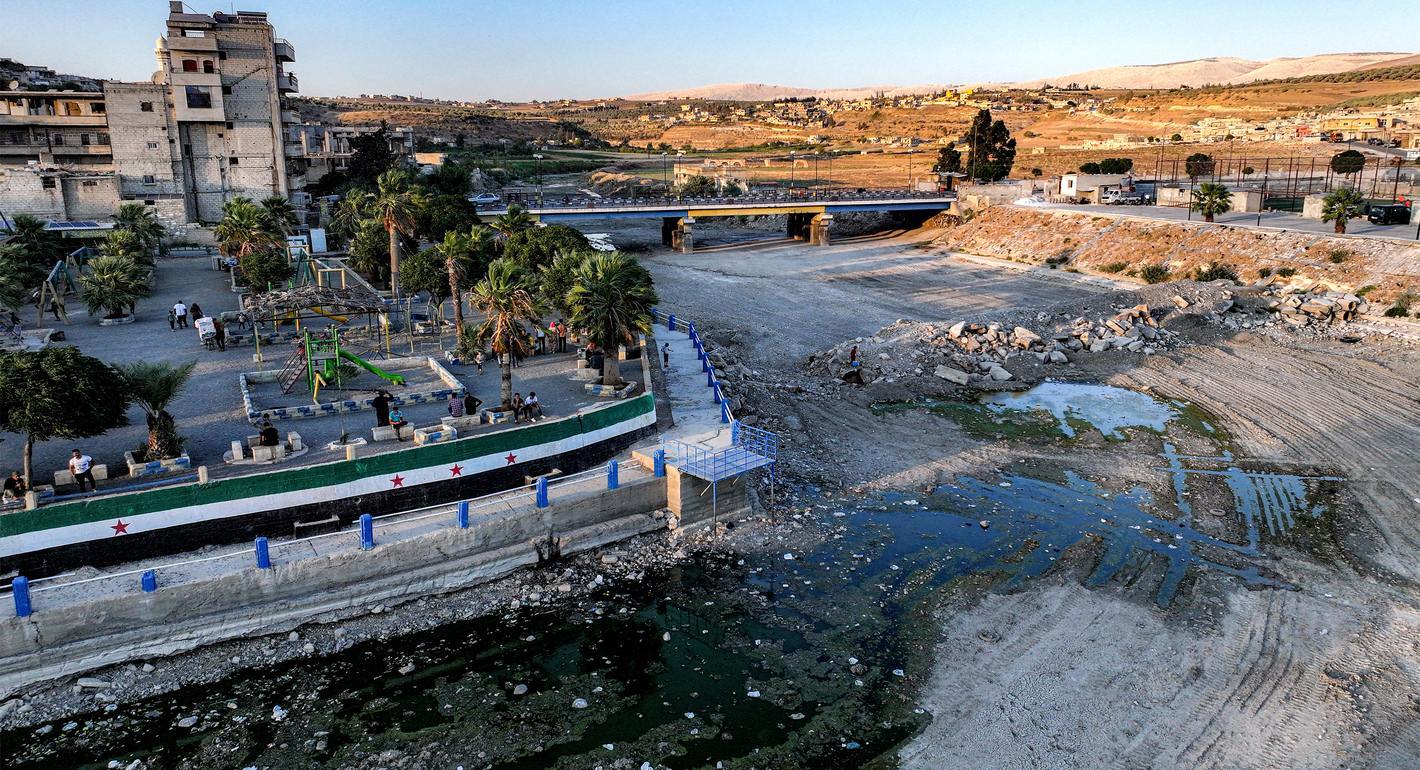
Syria’s worsening drought is no longer a seasonal crisis. This report explains what climate change is doing to rainfall, groundwater, and food security, and what solutions experts say are still possible.
Milia Esper
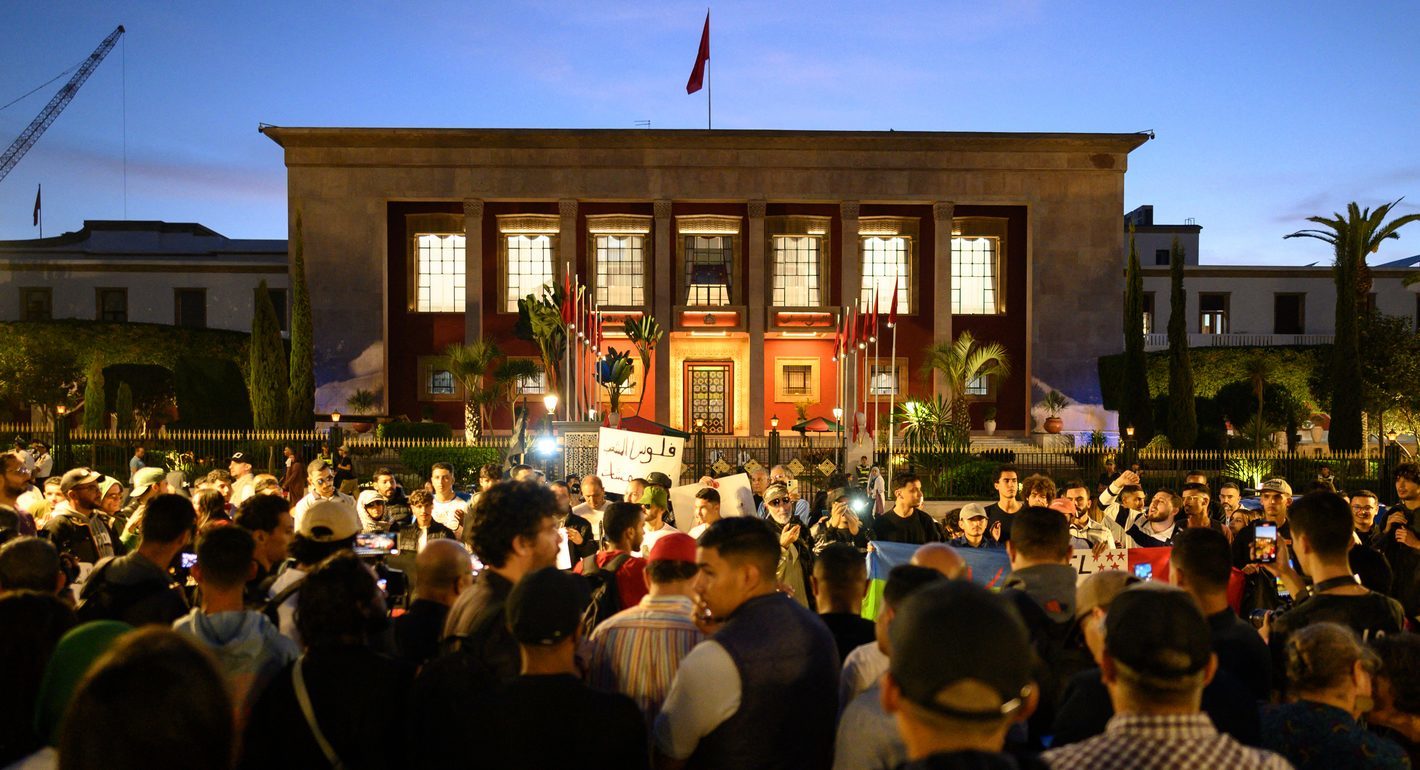
From anime heroes to online gaming communities, Morocco’s Gen Z is building a new protest culture. What does this digital imagination reveal about youth politics, and how should institutions respond?
Abdelilah Farah
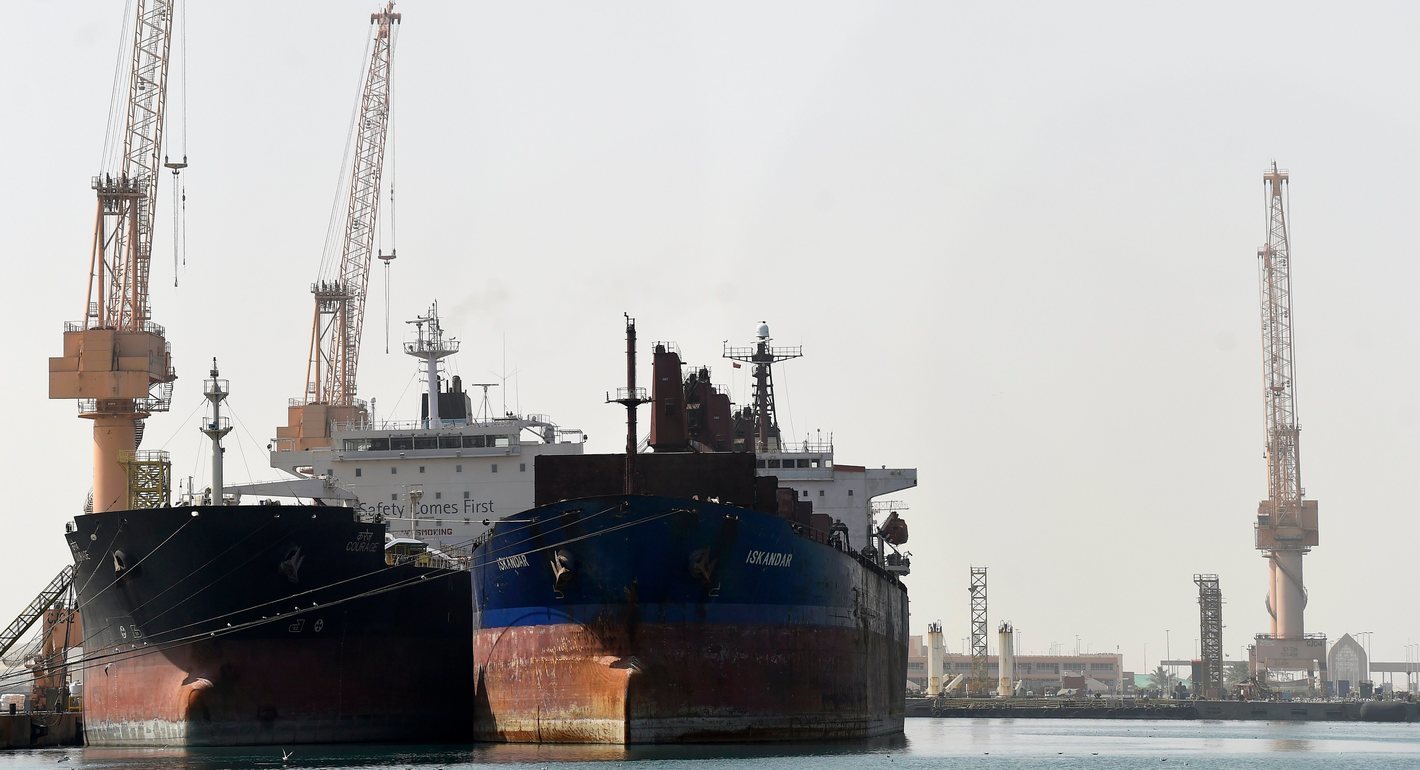
In a volatile Middle East, the Omani port of Duqm offers stability, neutrality, and opportunity. Could this hidden port become the ultimate safe harbor for global trade?
Giorgio Cafiero, Samuel Ramani
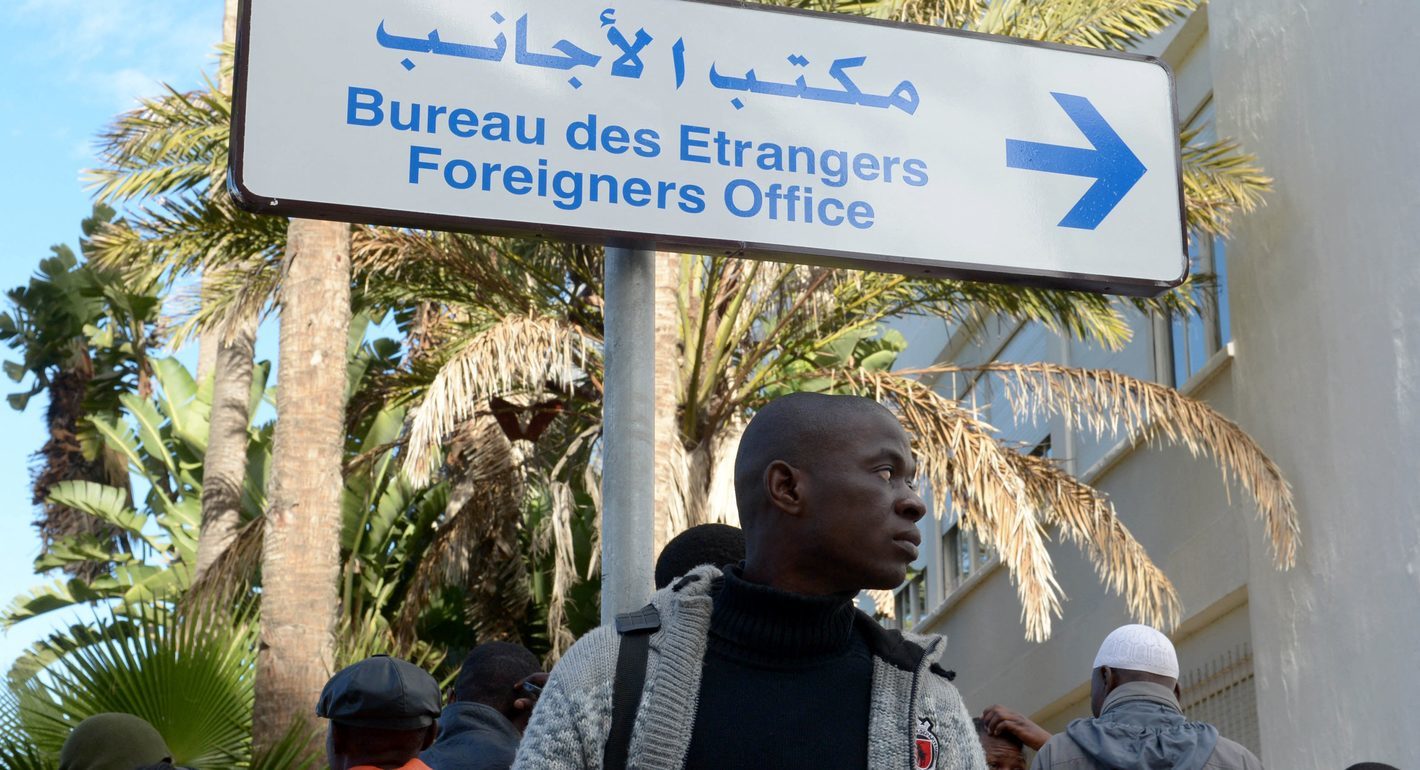
Is Morocco’s migration policy protecting Sub-Saharan African migrants or managing them for political and security ends? This article unpacks the gaps, the risks, and the paths toward real rights-based integration.
Soufiane Elgoumri
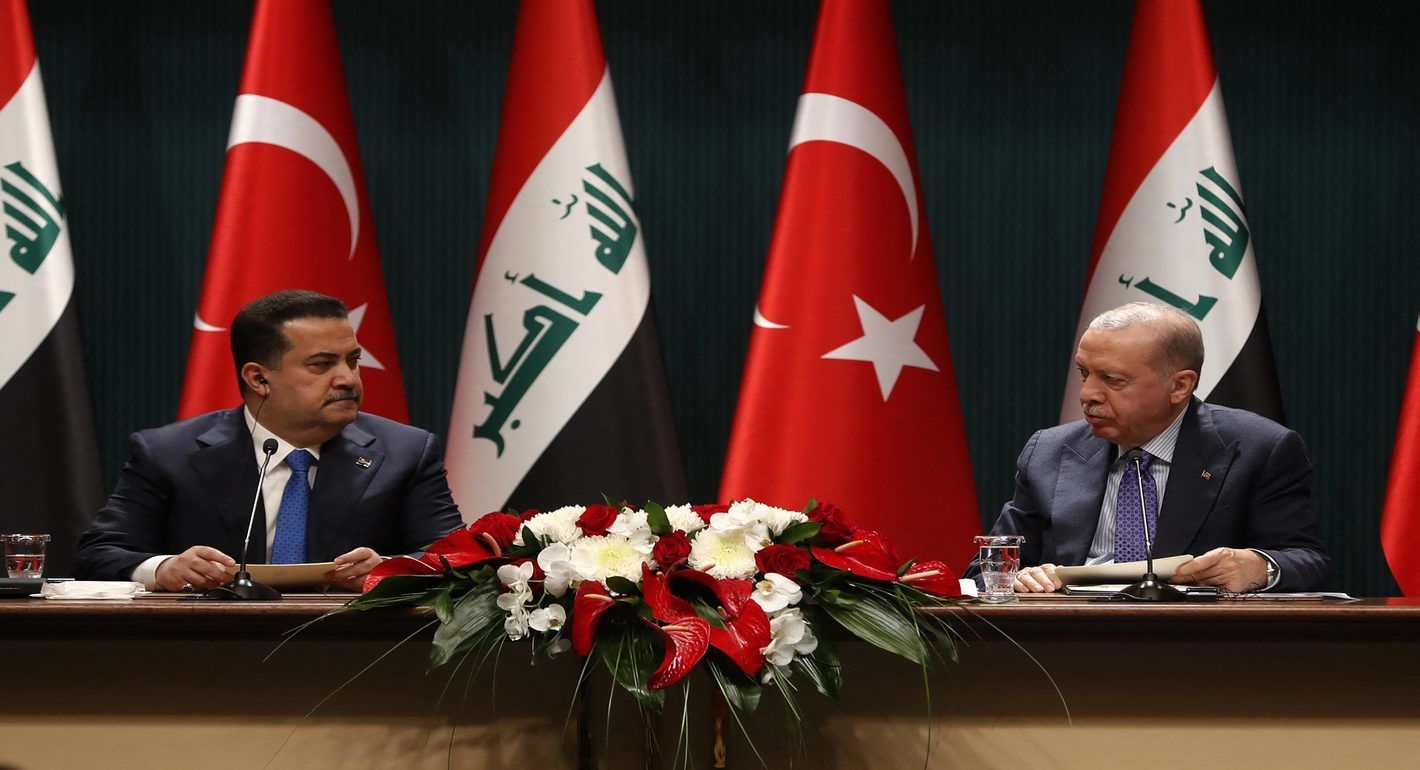
Iraq’s foreign policy is being shaped by its own internal battles—fractured elites, competing militias, and a state struggling to speak with one voice. The article asks: How do these divisions affect Iraq’s ability to balance between the U.S. and Iran? Can Baghdad use its “good neighbor” approach to reduce regional tensions? And what will it take for Iraq to turn regional investments into real stability at home? It explores potential solutions, including strengthening state institutions, curbing rogue militias, improving governance, and using regional partnerships to address core economic and security weaknesses so Iraq can finally build a unified and sustainable foreign policy.
Mike Fleet