In August, a Hizballah-led effort prevented Human Rights Watch from holding a press conference in Beirut, where the organization was to release its report documenting how Hizballah violated the laws of war by firing rockets toward civilians in Israel during the 2006 conflict. Hizballah’s television channel announced that protesters planned to prevent the conference, and a pro-Hizballah lawyer filed a suit to stop it. That was enough for the hotel to cancel the venue.
Never mind that Human Rights Watch had also documented and condemned Israeli violations, and had sought to meet with Hizballah prior to publicizing its findings. Hizballah’s foreign affairs chief, Nawaf Moussawi, had told Human Rights Watch before the 2006 conflict, “It is not our cause, not in our interest as a resistance force, to kill Israeli civilians.” But afterwards, Hizballah would brook no criticism of how it conducted its military operations.
The credibility of human rights organizations hinges on their confronting armed movements as well as governments. Human rights activism hits a nerve by exposing abusive conduct that a government wants to hide. But does traditional naming and shaming work with armed movements such as Hizballah or Hamas? Human rights organizations have been seeking new ways to hold such groups accountable and change their conduct, even if the grim daily headlines dispel any illusion of progress.
As parties to armed conflicts, insurgent groups are obliged to respect international humanitarian law. A fundamental duty is to spare civilians to the greatest extent possible, no matter how just the cause, who started the conflict, or how grievous the abuses by the other side.
One of Human Rights Watch’s responses to armed groups has been to conduct a dialogue with Arab opinion-makers. Since 2005 we have talked with intellectuals, civil society actors, clerics, political party leaders and journalists in the Middle East. If they took the initiative to tell the public that nothing ever justifies attacks on civilians, these influential individuals could help stigmatize such attacks in the eyes of those who sympathize with the militants’ grievances.
Two observations emerge from these often-difficult discussions, held in countries from Morocco to Saudi Arabia. First, Islamists and non-Islamists who questioned the absolute prohibition on targeting civilians based their positions on political grounds. Instead of invoking Islam, they spoke in terms of military occupation, neo-imperialism, or asymmetrical warfare.
Second, many Arab opinion-makers still observe an Israeli exceptionalism. They opposed attacks by militant groups on civilians in Algeria, Iraq, London, and New York--but not when the victims were Israeli. They have argued variously that Palestinians have the right to resist the better-armed occupier through any means necessary, that Palestinians have no other way to make Israel feel pain, that the international community does nothing to restrain Israeli oppression, and that Israeli civilians are not truly civilians.
Others said that while they opposed attacks on Israeli civilians, they could not espouse such a position publicly. An activist in Tunisia explained, “The state controls the media here and is eager to discredit us. If we criticize Palestinian suicide bombings, the media would tar us as Zionists and then deny us a venue to explain our position.”
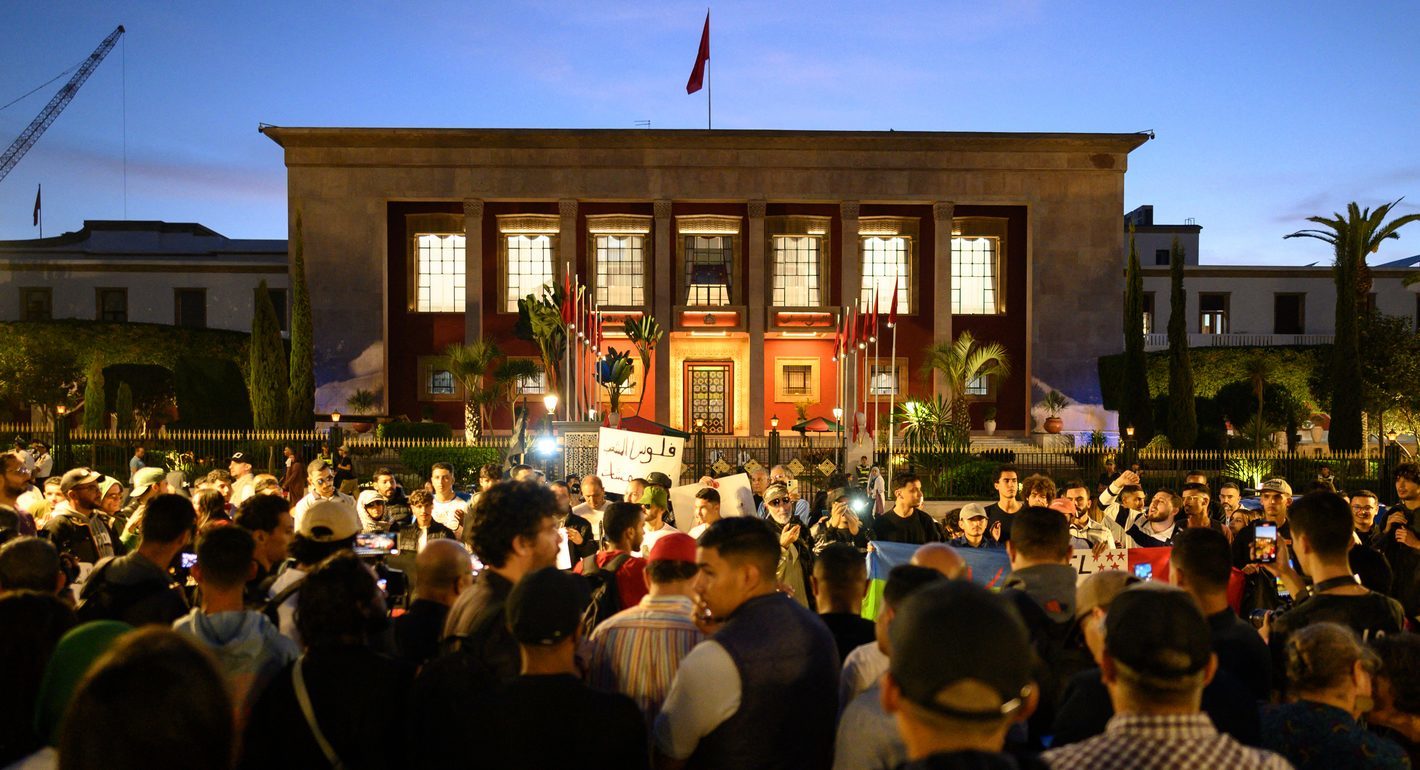
When suicide bombings multiplied during the second Intifada, Palestinians were the first Arabs to denounce them, though mainly on the grounds that they were counterproductive. More principled denunciations came later, such as the final communiqué of a conference of Arab civil society organizations in Rabat in December 2004, which condemned “targeting and terrorizing civilians on both sides.” Still, few local groups have campaigned publicly in support of these principled positions.
Human Rights Watch has confronted abusive insurgent groups elsewhere in other ways. The Tamil Tigers finances its war against Sri Lanka in large part through donations from the Tamil Diaspora. Many Tamils living abroad fled because of government abuses and eagerly fund the Tigers. Human Rights Watch documented how pro-Tiger fundraisers extorted money from Tamil households and businesses in Canada and the UK and urged more aggressive law enforcement against their strong-arm practices.
Beyond the efforts of human rights organizations to publicize abuses and influence public opinion, there is the International Criminal Court, which has jurisdiction over war crimes and crimes against humanity when domestic jurisdictions cannot or will not prosecute. The human rights movement actively supported the ICC creation and provides documentation of crimes that fall within its purview. Notably, seven of the eight persons indicted thus far by the ICC are rebel fighters from African conflicts, all of them charged with attacks against civilians. Over the long term, the court’s jurisprudence can help delegitimize insurgent violence against civilians.
There is no denying that Hizballah’s heavy-handed effort to silence Human Rights Watch’s criticism drew applause from many in Lebanon and beyond. Still, Hizballah’s reaction showed concern about how its fighting methods are perceived, and therein lays a modest opportunity for leverage.
Eric Goldstein is research director of the Middle East and North Africa Division of Human Rights Watch.