

Commentary
Amr Hamzawy
{
  "authors": [
    "Amr Hamzawy"
  ],
  "type": "commentary",
  "blog": "Sada",
  "centerAffiliationAll": "",
  "centers": [
    "Carnegie Endowment for International Peace"
  ],
  "collections": [],
  "englishNewsletterAll": "",
  "nonEnglishNewsletterAll": "",
  "primaryCenter": "Carnegie Endowment for International Peace",
  "programAffiliation": "",
  "programs": [],
  "projects": [],
  "regions": [
    "North Africa",
    "Morocco"
  ],
  "topics": [
    "Political Reform"
  ]
}

REQUIRED IMAGE
The Party of Justice and Development (PJD) calls itself a civil party with an Islamic reference point. What does that mean?
We would compare it to Christian Democratic parties in Europe that base their platforms upon the principles of Christian faith although their platforms may be civil in nature. These parties make decisions according to civil political realities, but viewed through a Christian lens. It is the same with the PJD, which is a civil, Moroccan nationalist political party. It simply comes from an Islamic point of view, which is shared by the Moroccan people; we cannot envision a party that does otherwise.
Why does the Party's program not call for application of Islamic law (sharia)?
Sharia has evolved in both form and content over the centuries. Equality among human beings, justice, development, work, production of goods, and managing the affairs of society— these were all components of sharia. Unfortunately, many people have maligned the word sharia until it has come to signify only the punishments that appear in some texts, so we moved away from using it explicitly in our party's charter. But many of our efforts, such as combating bribery and corruption, are based in sharia.
How would the Party deal with a secular law that contradicted sharia?
We debate laws for a variety of reasons, not only because they might differ from sacred texts but because some of them are simply not successful or bring about the desired result. Often, such laws do not function in the interest of the nation; and the people, whatever their religious beliefs, have the choice of whether or not to implement them. One example might be Christians in the West who oppose gay marriage and oppose any related legislation; these are secular laws, not made on the basis of religion. Sometimes they succeed and sometimes they fail. This is the way of democracy.
What is the PJD's base of support?
All PJD members have been active for decades in cultural, intellectual, and volunteer organizations that focus on various social causes, such as eliminating illiteracy and providing social services. Our members belong primarily to the middle class. They also come from the cities, as opposed to rural areas where we have limited reach. The average age is between 35 and 40 years; this is young compared to other parties, and we have a youth movement that is continually uniting young people through organizations focusing on youth and student issues.
How has your participation in elections over the last decade affected the Party?
Without a doubt, the initial controversy in parliament and in society had considerable impact on the development of our thinking and on our policies concerning the party and its members. In the beginning we focused on articulating general principles. Over time we became more experienced and capable of evaluating government policy in a detailed way, as well as making political deals. This is progress, and we are looking to expand this expertise in the future.
How are you able to support the monarchy and democratic change at the same time?
The monarchy holds political power and also has the support of the Moroccan public. We feel that this does not contradict democracy; there are numerous monarchies in the democratic West. We must change the place of the monarchy within the political system and cultivate the relationship among the various powers, but the monarchy has always been one of many actors in the development of modern Morocco. I believe the next step in our political development should be enhanced cooperation between the monarch and other political actors. Naturally there will be disputes over some matters, such as the exact relationship of the king to government and government to parliament, the role of an independent judiciary, freedom of the press, and other political freedoms.
How did the May 2003 terrorist attacks in Morocco affect the PJD?
Following the events of May 2003, many in the political class showed its leftist inclinations by trying to exploit the opportunity to discredit the PJD, accusing it of having a hand in terrorism. We know this accusation arose because the Party is a new political actor that quickly became one of the five largest parties in Moroccan politics. Other parties wanted to maintain their monopoly and engaged in partisan games geared to exclude the PJD. We tried not to respond in kind, choosing instead to wait until the difficult time passed, for the benefit of the Moroccan people. We engaged other actors in internal talks, and it soon became clear to the government that the PJD could play an important role in marginalizing extremism in Moroccan society.
What is the Party's position on the Personal Status Code?
First, the Party did not oppose the law; rather it opposed a draft drawn up by a government official who was a former Communist. The problems of women are related to those of the family, and changes cannot be introduced into the institution of the family without addressing the needs of all its members. It is for this reason that we opposed the original draft. The PJD also participated in its own way in the social movement; we led a demonstration on March 19, 2000 that drew roughly 600,000 people. The King appointed a committee that solicited the views of political parties and organizations specializing in women's and family affairs, asking what they would like to change in the Personal Status Code, and the PJD contributed its views on the matter. There were intense debates about the law, and ultimately our wish was fulfilled when the law was renamed from the Personal Status Code to the Family Code.
What is the party's opinion of the new law on political parties?
It is a good law, as it stipulates that there be 200 prospective members to create a new party, instead of seven as it had been previously. It also includes provisions that all parties be internally democratic, include a certain percentage of young people and women in leadership structures, and practice transparency in management and finances. To this end, the National Accounting Council has been commissioned to oversee the revenue and expenses of the parties, as well as donations made to them, for party financing issues have plagued the system in the past.
Do you believe that the current reforms in Morocco and the Arab world are the product of U.S. pressure?
I believe that internal transformation is the basis for the changes made in Morocco, resulting from the interaction between different political powers. We cannot deny the role of external factors, but the reforms have not been simply imposed from outside. I think that current U.S. policy is incoherent and sometimes inconsistent in its push for reform; the United States calls for support of democracy and political reform but its behavior creates unfavorable situations that make such change much more difficult. Furthermore, the United States has a history of supporting dictatorial regimes, and still supports one today in Western Sahara. The U.S. administration cannot achieve its goals at our expense, and should seek to build trust and identify common interests through a cooperative dialogue.
Interview conducted by Amr Hamzawy , Senior Associate at the Carnegie Endowment for International Peace. Translated from Arabic by Jeffrey Pool.

Director, Middle East Program
Amr Hamzawy is a senior fellow and the director of the Carnegie Middle East Program. His research and writings focus on governance in the Middle East and North Africa, social vulnerability, and the different roles of governments and civil societies in the region.
Recent Work
Amr Hamzawy
Amr Hamzawy, Sarah Yerkes, Kathryn Selfe
Carnegie does not take institutional positions on public policy issues; the views represented herein are those of the author(s) and do not necessarily reflect the views of Carnegie, its staff, or its trustees.
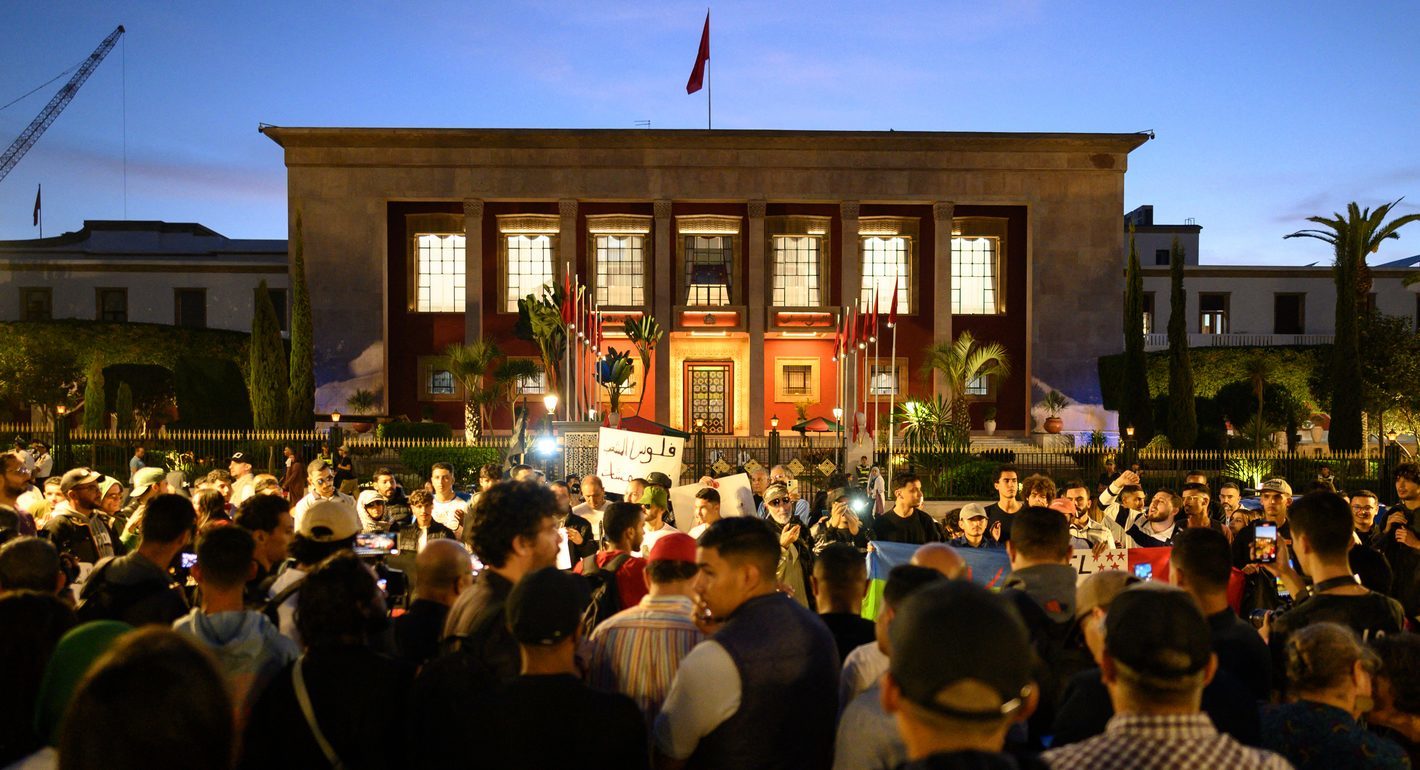
From anime heroes to online gaming communities, Morocco’s Gen Z is building a new protest culture. What does this digital imagination reveal about youth politics, and how should institutions respond?
Abdelilah Farah
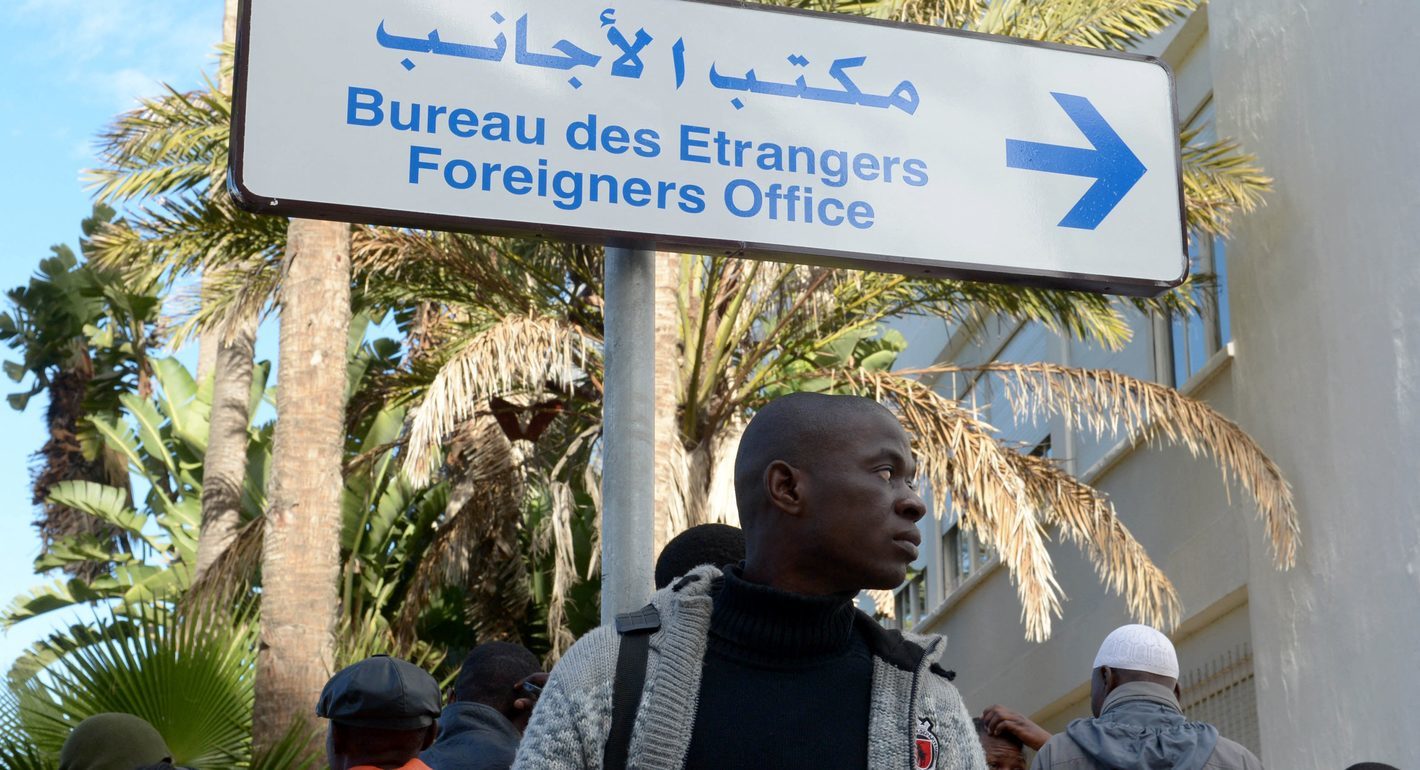
Is Morocco’s migration policy protecting Sub-Saharan African migrants or managing them for political and security ends? This article unpacks the gaps, the risks, and the paths toward real rights-based integration.
Soufiane Elgoumri
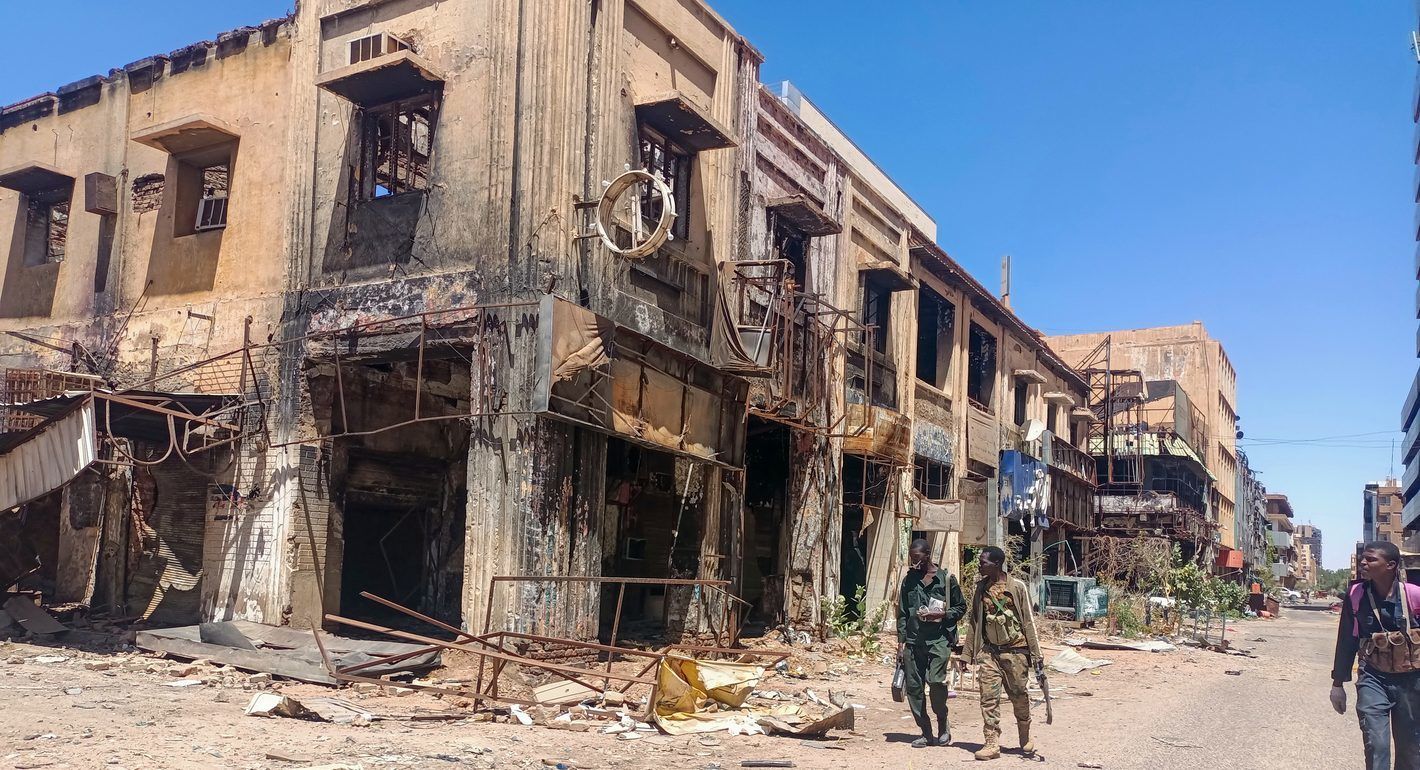
Hate speech has spread across Sudan and become a key factor in worsening the war between the army and the Rapid Support Forces. The article provides expert analysis and historical background to show how hateful rhetoric has fueled violence, justified atrocities, and weakened national unity, while also suggesting ways to counter it through justice, education, and promoting a culture of peace.
Samar Sulaiman
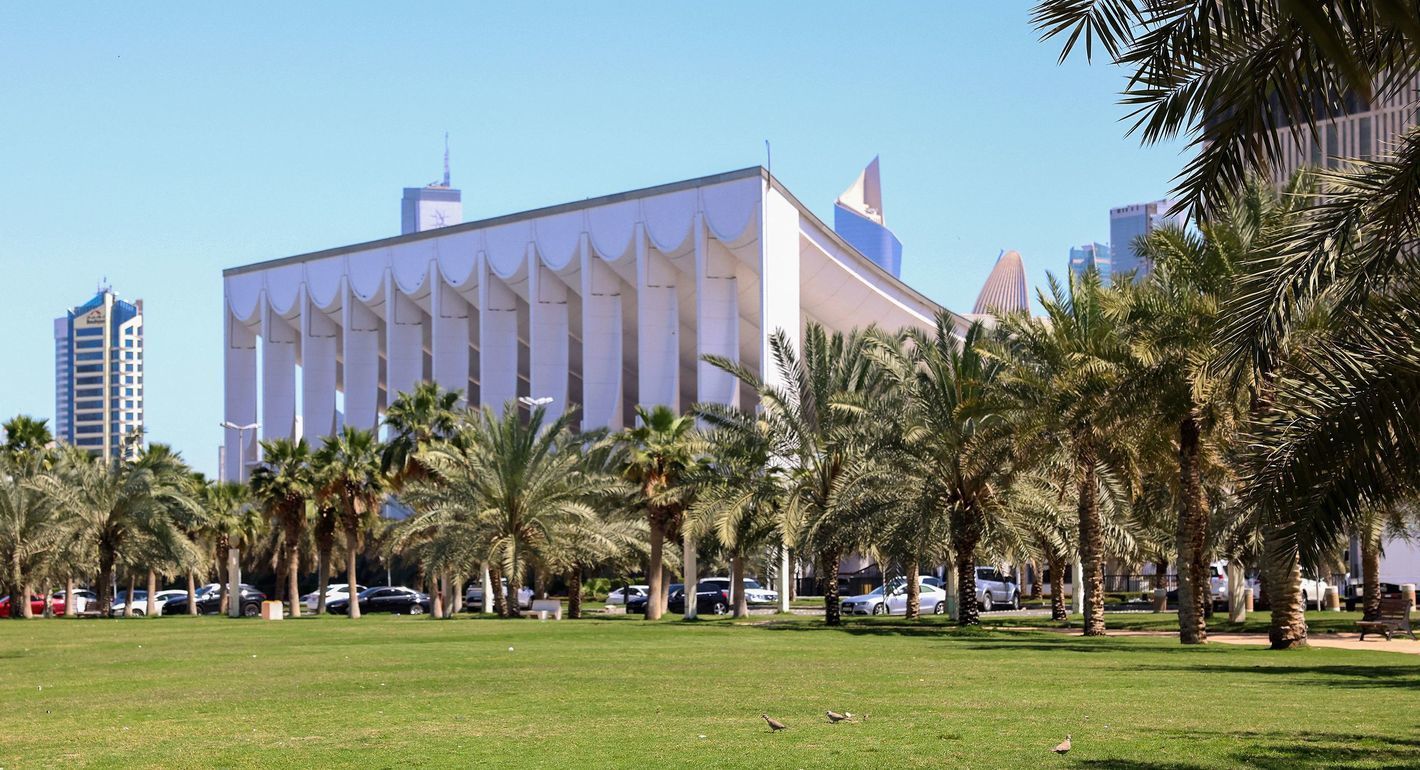
Kuwait’s government has repeatedly launched ambitious reforms under Kuwait Vision 2035, yet bureaucratic inefficiency, siloed institutions, and weak feedback mechanisms continue to stall progress. Adopting government analytics—real-time monitoring and evidence-based decision-making—can transform reform from repetitive announcements into measurable outcomes.
Dalal A. Marafie
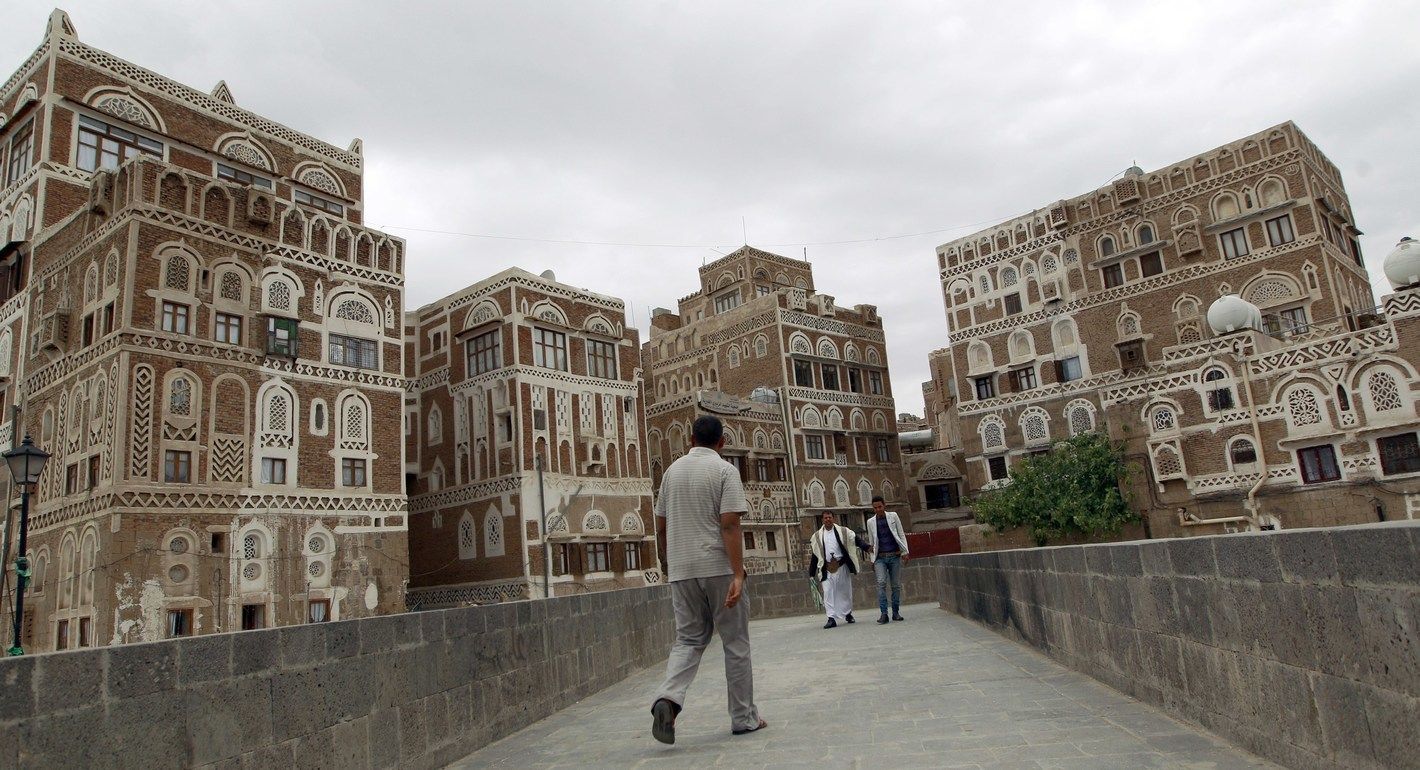
The chaos of street naming in Sana’a reflects the deep weakness of the Yemeni state and its failure to establish a unified urban identity, leaving residents to rely on informal, oral naming systems rooted in collective memory. This urban disorder is not merely a logistical problem but a symbolic struggle between state authority and local community identity.
Sarah Al-Kbat