

Commentary
From anime heroes to online gaming communities, Morocco’s Gen Z is building a new protest culture. What does this digital imagination reveal about youth politics, and how should institutions respond?
Abdelilah Farah
{
  "authors": [
    "Dina Shehata"
  ],
  "type": "commentary",
  "blog": "Sada",
  "centerAffiliationAll": "",
  "centers": [
    "Carnegie Endowment for International Peace"
  ],
  "collections": [],
  "englishNewsletterAll": "",
  "nonEnglishNewsletterAll": "",
  "primaryCenter": "Carnegie Endowment for International Peace",
  "programAffiliation": "",
  "programs": [],
  "projects": [],
  "regions": [
    "North Africa",
    "Egypt"
  ],
  "topics": [
    "Political Reform",
    "Democracy"
  ]
}

REQUIRED IMAGE
In recent months, with pressures on the Egyptian government to reform growing, elements of Egyptian civil society have seized the moment to advance longstanding agendas. Among the most surprising and significant groups to press their advantage were judges.
In recent months, with pressures on the Egyptian government to reform growing, elements of Egyptian civil society have seized the moment to advance longstanding agendas. Among the most surprising and significant groups to press their advantage were judges. On May 13 the Judges Club of Egypt convened an emergency general assembly, in which the more than 1,500 judges in attendance presented the Mubarak regime with an ultimatum. The judges made their supervision—required by the constitution—of upcoming presidential and parliamentary elections subject to two conditions. The first was adopting, before the end of the legislative session in June, a draft law prepared by the Judges Club guaranteeing the independence of the judiciary, while the second was amending the political participation law to ensure full judicial supervision of the electoral process. While judges supervised what went on inside polling places during the 2000 parliamentary elections, heavy-handed measures by the Ministry of Interior outside led to irregularities in a number of districts.
The Judges Club had been lobbying the Egyptian government for nearly 15 years to pass a law freeing the judiciary from financial and administrative control by the Ministry of Justice. The draft law allocates to the judiciary an independent budget and gives the Supreme Judicial Council (made up of senior judges) rather than the Ministry (part of the executive branch) the right to appoint, supervise, and discipline judges. On March 20, the Judges Club presented its draft to parliament and demanded that it be ratified before the end of the current legislative session in June. Meanwhile the Ministry of Justice drafted an alternative law, which ignored the principal demands of the Judges Club, thus precipitating the standoff between the Judges Club and the government.
Similarly, and in light of their experience in supervising the 2000 elections, the judges demanded that the political participation law be amended to restrict the role of the executive, especially the Ministry of the Interior, in the electoral process and to guarantee full judicial supervision as stipulated by the constitution. The draft law presented by the government to the legislative committee of parliament, however, failed to meet these requirements. Especially problematic from the judges' point of view was the proposed composition of the electoral commission, which the judges had insisted be fully composed of senior judges chosen by the judiciary. The government's draft law, by contrast, stipulates that the commission be composed of three judges chosen by the Supreme Judicial Council, one representative each from the Ministries of Interior and Justice, and five non-partisan figures—two of them former judges and three public figures chosen by the upper house of parliament (dominated by the ruling National Democratic Party).
In response to the judges' challenge, the regime initially adopted a divide-and-rule strategy. At the behest of the Ministry of Justice, the Supreme Judicial Council issued a declaration to counter the Judges Club, insisting that it was the only body authorized to speak on behalf of the judiciary and affirming judges' unconditional commitment to supervise upcoming elections. The government-controlled mass media highlighted the positions of loyalist judges and there were reports in opposition newspapers that the Minister of Justice invited individual judges to sign statements pledging their participation in electoral supervision. The Minister of Justice also succeeded in securing the allegiance of the State Council Judges Club, which is separate from the Judges Club of Egypt and has a membership of 1,100 judges. In return, the Minister of Justice offered State Council judges one million Egyptian pounds (approximately $150,000) in annual support for their club, increased the number of monitors from the State Council from 320 to 1,100 judges, allocated new buildings and rest houses for State Council judges, and offered administrative jobs at the Ministry of Justice to family members of State Council judges.
Many feared that these divide-and-rule strategies would pit judges against one another and thereby weaken and corrupt the judiciary, the only state institution that retains some credibility with the Egyptian public. The Judges Club has held fast, however, and announced it would hold a second emergency meeting on June 17 to reaffirm its position. In response, the government appears to be acceding to the judges' demands. The Minister of Justice announced after a meeting with the board of the Judges Club that the government accepts the draft law prepared by the Club. The government also promised to take the propositions of the Judges Club regarding the Political Participation Law more seriously. If the government keeps these promises, a compromise between the government and the judges is likely to ensue, allowing the judiciary to secure greater independence while giving the government's declared commitment to reform greater credibility.
Dina Shehata is a researcher at the Al Ahram Center for Political and Strategic Studies in Cairo.
Dina Shehata
Carnegie does not take institutional positions on public policy issues; the views represented herein are those of the author(s) and do not necessarily reflect the views of Carnegie, its staff, or its trustees.
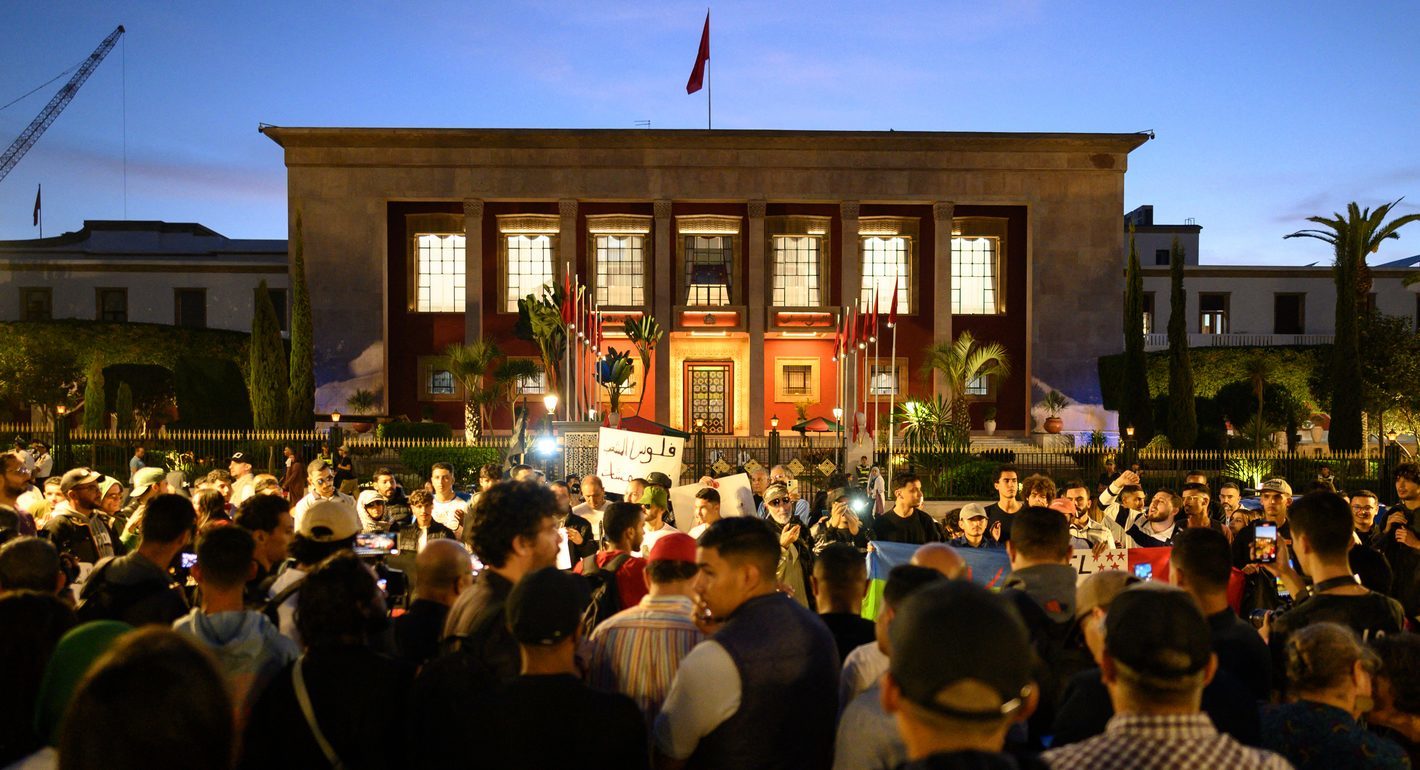
From anime heroes to online gaming communities, Morocco’s Gen Z is building a new protest culture. What does this digital imagination reveal about youth politics, and how should institutions respond?
Abdelilah Farah
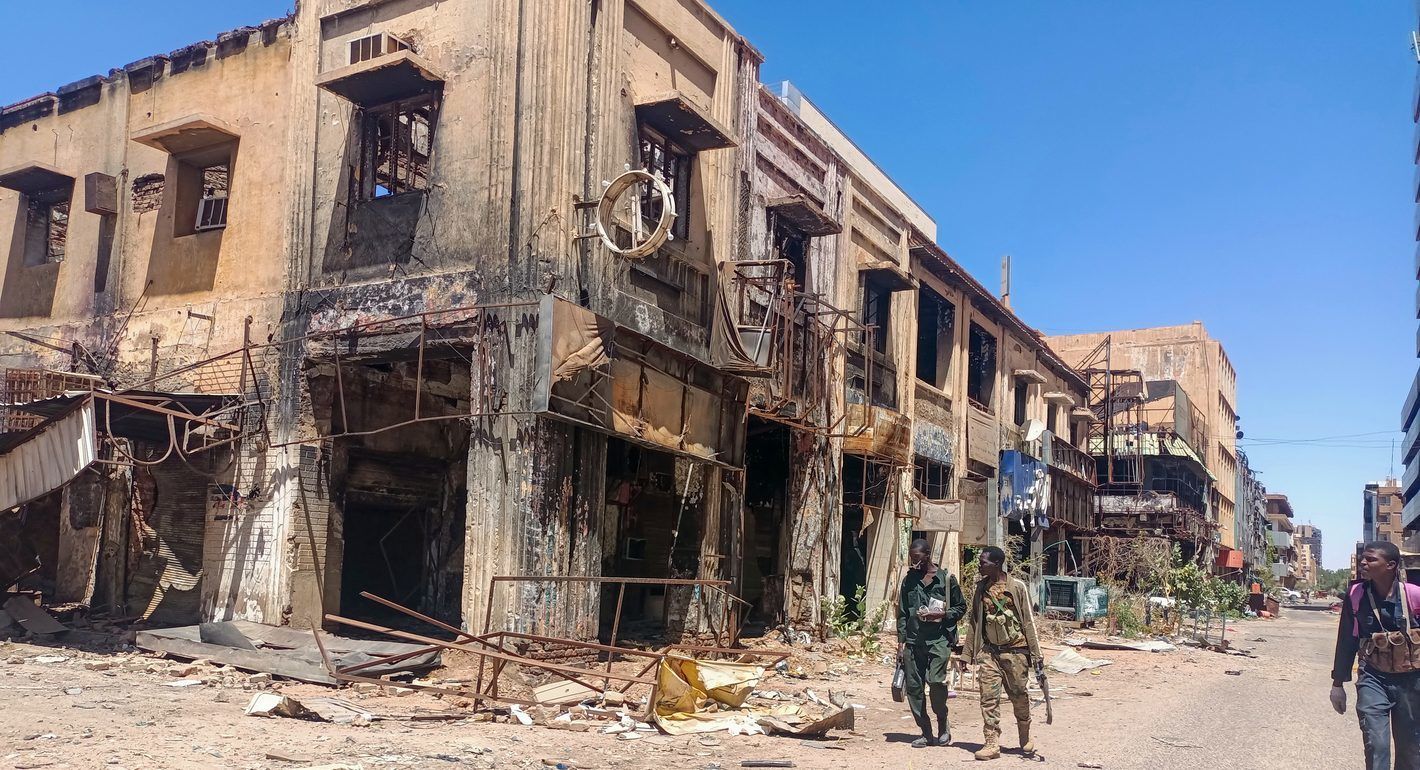
Hate speech has spread across Sudan and become a key factor in worsening the war between the army and the Rapid Support Forces. The article provides expert analysis and historical background to show how hateful rhetoric has fueled violence, justified atrocities, and weakened national unity, while also suggesting ways to counter it through justice, education, and promoting a culture of peace.
Samar Sulaiman
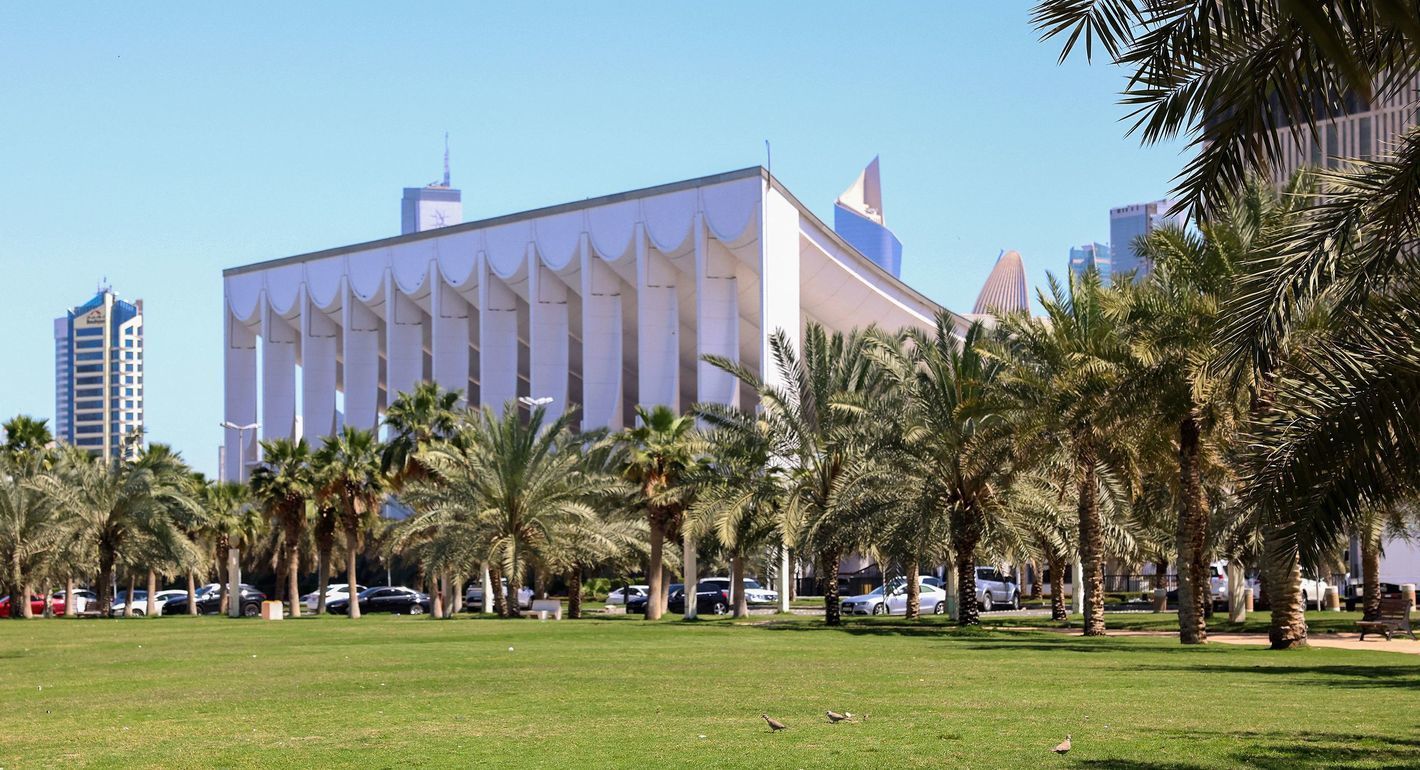
Kuwait’s government has repeatedly launched ambitious reforms under Kuwait Vision 2035, yet bureaucratic inefficiency, siloed institutions, and weak feedback mechanisms continue to stall progress. Adopting government analytics—real-time monitoring and evidence-based decision-making—can transform reform from repetitive announcements into measurable outcomes.
Dalal A. Marafie
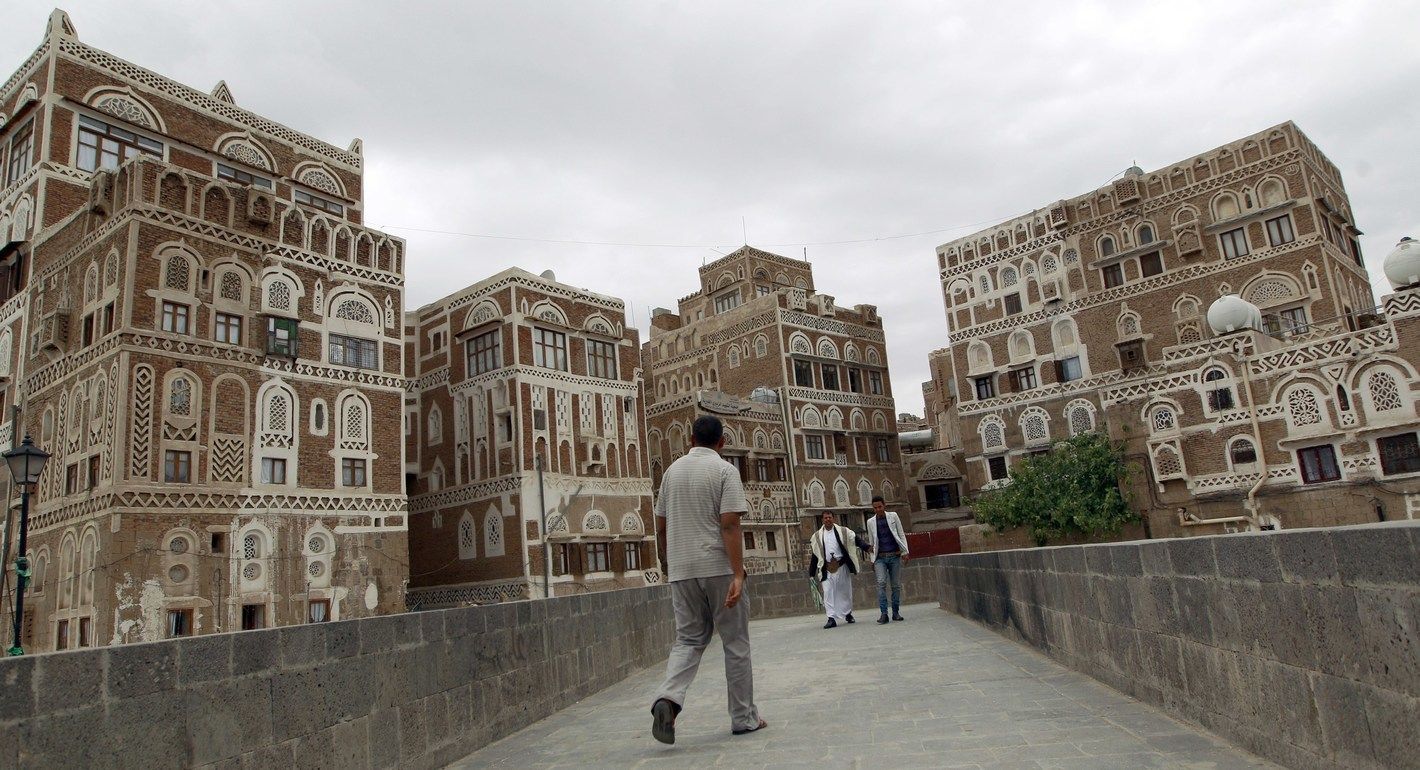
The chaos of street naming in Sana’a reflects the deep weakness of the Yemeni state and its failure to establish a unified urban identity, leaving residents to rely on informal, oral naming systems rooted in collective memory. This urban disorder is not merely a logistical problem but a symbolic struggle between state authority and local community identity.
Sarah Al-Kbat
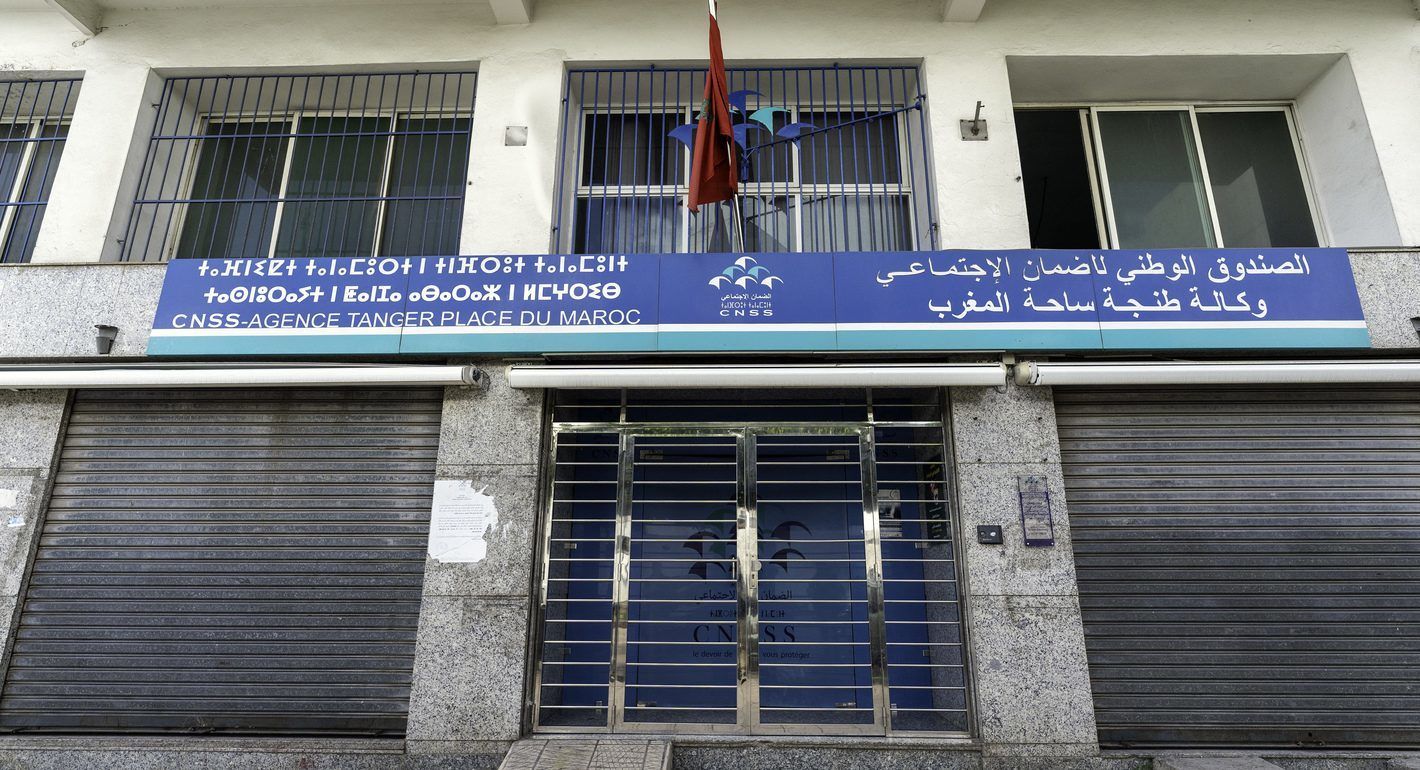
While Morocco’s shift to a digitized social targeting system improves efficiency and coordination in social programs, it also poses risks of exclusion and reinforces austerity policies. The new system uses algorithms based on socioeconomic data to determine eligibility for benefits like cash transfers and health insurance. However, due to technical flaws, digital inequality, and rigid criteria, many vulnerable families are unfairly excluded.
Abderrafie Zaanoun