

Commentary
Michael Young
{
  "authors": [
    "Michael Young"
  ],
  "type": "commentary",
  "blog": "Sada",
  "centerAffiliationAll": "",
  "centers": [
    "Carnegie Endowment for International Peace"
  ],
  "collections": [],
  "englishNewsletterAll": "",
  "nonEnglishNewsletterAll": "",
  "primaryCenter": "Carnegie Endowment for International Peace",
  "programAffiliation": "",
  "programs": [],
  "projects": [],
  "regions": [
    "Lebanon",
    "Middle East"
  ],
  "topics": [
    "Political Reform"
  ]
}

REQUIRED IMAGE
The current crisis in Lebanon, ignited by the assassination of former Prime Minister Rafiq Hariri, is rooted not only in opposition to the Syrian military presence, but also in frustration at the lack of presidential or parliamentary elections since 2000.
The current crisis in Lebanon, ignited by the assassination of former Prime Minister Rafiq Hariri, is rooted not only in opposition to the Syrian military presence, but also in frustration at the lack of presidential or parliamentary elections since 2000.
Syria has manipulated the democratic process since 1992, when Lebanon carried out its first postwar parliamentary elections. As imperfect as Lebanese elections were until then, they always garnered legitimacy from their periodicity. Under Syrian influence, however, electoral predictability became a luxury. In 1995, the Syrians tagged three years onto President Elias Hrawi’s mandate. In August 2004, Syrian President Bashar Al Asad coerced Hariri and most Lebanese parliamentarians into amending the Lebanese Constitution to extend the mandate of the unpopular President Emile Lahoud. Parliamentary elections originally scheduled for 2004 were delayed a year because Syrian authorities feared that two elections in one year—presidential and parliamentary—would be destabilizing. As Damascus would have it, neither election was held.
To understand how these events affected the Lebanese, one should recall that even during the 1975 to 1990 civil war Lebanese presidents were elected. The absence of a consensus among Lebanese political forces on a presidential candidate in 1988 precipitated a crisis that soon developed into full-scale war between Syria and a section of the Lebanese army commanded by General Michel Aoun. While the conflict went beyond a deferred election, it highlighted how much the Lebanese system can be destabilized when institutional continuity and an alternation of power are abandoned.
The parliamentary elections scheduled for May 2005 are now part of a larger struggle centering on ending Syria’s military presence. Hizbollah’s show of strength through a massive rally and the reinstatement of pro-Syria Prime Minister Omar Karami demonstrate that Syria still has cards to play. Pro-government and opposition politicians within the Lebanese elite are carrying out this struggle partly in arguments over institutional legitimacy. The opposition has no faith that the present Lebanese regime, backed by Syria and the intelligence services, will allow a free and fair electoral process.
The opposition has demanded that a neutral government oversee the elections, partly due to concerns over the government’s draft electoral law. The law calls for voting at the level of a mini district called a qada. The general outline of the law was agreed in a deal between Lahoud and the head of the Maronite Church Patriarch Nasrallah Sfeir, who would benefit because voting by qada tends to guarantee votes for Christian candidates (a minority in larger electoral districts). What disturbs the opposition is that the draft law would carve up Beirut into a number of mini districts—gerrymandering originally designed to cut into Hariri’s electoral power. In addition, the electoral law includes purposefully vague campaigning regulations that the opposition fears will be used to invalidate electoral victories on ambiguous grounds.
The law has yet to be passed by Parliament; in fact, it has not even been discussed by the relevant committees yet. In the present context, given the absence of a cabinet and the mounting pressure on Lahoud, parliamentary consideration of the law may be delayed. In addition, the opposition is reluctant to move forward on any legislative action until an independent investigation into Hariri’s assassination takes place.
At the same time, however, the opposition must weigh its reluctance against the fact that free elections in Lebanon are a priority for the international community, particularly the United States and France. Therefore, while the opposition has sought to improve the environment for elections by undermining the ability of Syria and Lahoud to shape the outcome, it has also tried to avoid a situation where it might be blamed for an indefinite electoral delay. It is uncertain how long the opposition can keep up this tightrope walk. At some point, opposition groups will have to decide whether to advance their cause through elections under the present circumstances or to focus on other means of reducing Syrian influence. Indeed, Syria’s effort to delay its withdrawal from Beirut and the Bekaa Valley for many weeks suggests it seeks to put in place a compliant parliament before it withdraws its forces from the country.
Syria’s adversaries will also have to factor into their calculations the proposal made by U.S. Secretary of State Rice on March 1 to send international observers to the parliamentary elections. While such an action would buttress the opposition, it also decreases its maneuverability to delay elections.
The complexity and volatility of the Lebanese imbroglio make predictions about the timing and conditions of elections difficult. The central matter at hand is a Syrian withdrawal, and both Lebanese and external actors must remain focused on how an electoral process might advance that eventuality. Meanwhile, the Lebanese await a chance to vote in what will surely be the most significant elections since the end of the civil war.
Michael Young is opinion editor of The Daily Star newspaper in Lebanon and a contributing editor at Reason magazine in the United States.

Editor, Diwan, Senior Editor, Malcolm H. Kerr Carnegie Middle East Center
Michael Young is the editor of Diwan and a senior editor at the Malcolm H. Kerr Carnegie Middle East Center.
Recent Work
Michael Young
Michael Young
Carnegie does not take institutional positions on public policy issues; the views represented herein are those of the author(s) and do not necessarily reflect the views of Carnegie, its staff, or its trustees.
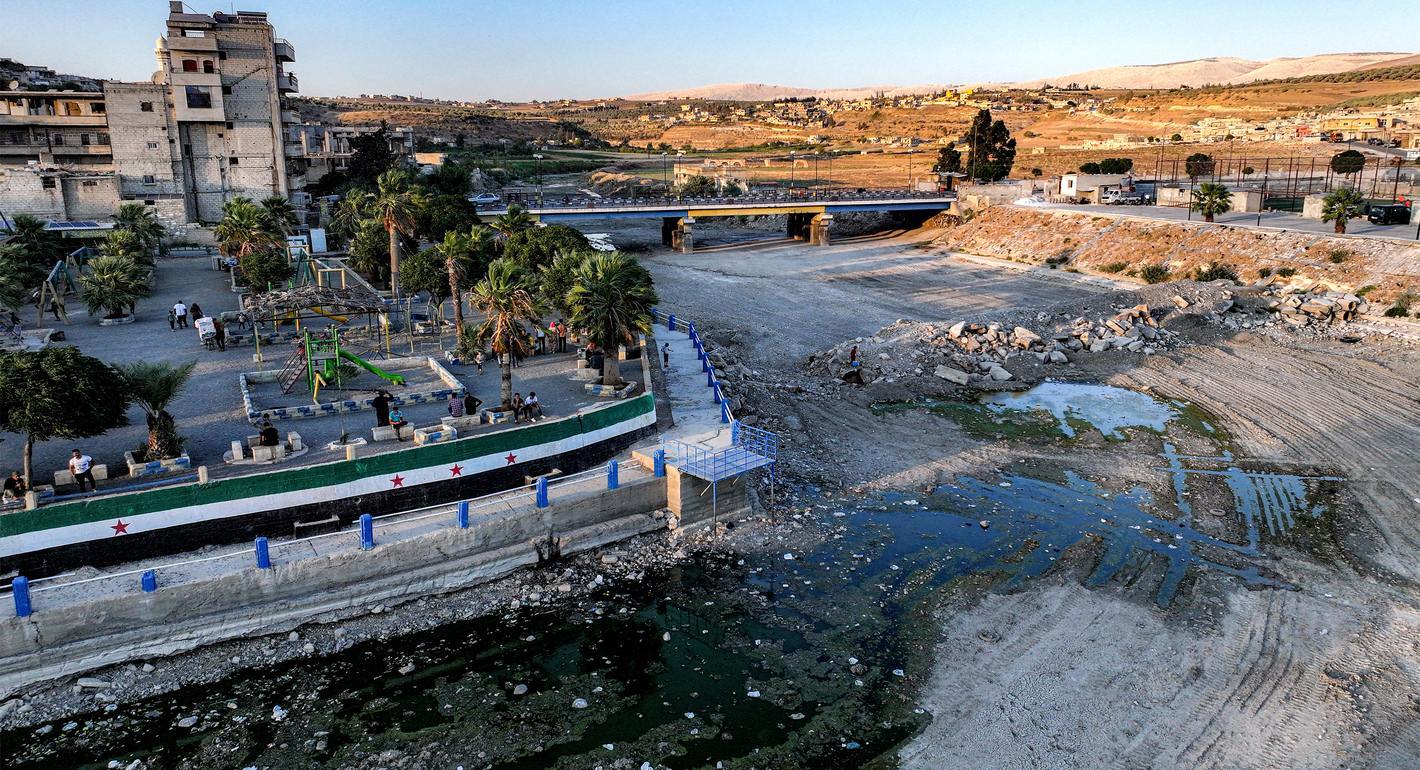
Syria’s worsening drought is no longer a seasonal crisis. This report explains what climate change is doing to rainfall, groundwater, and food security, and what solutions experts say are still possible.
Milia Esper
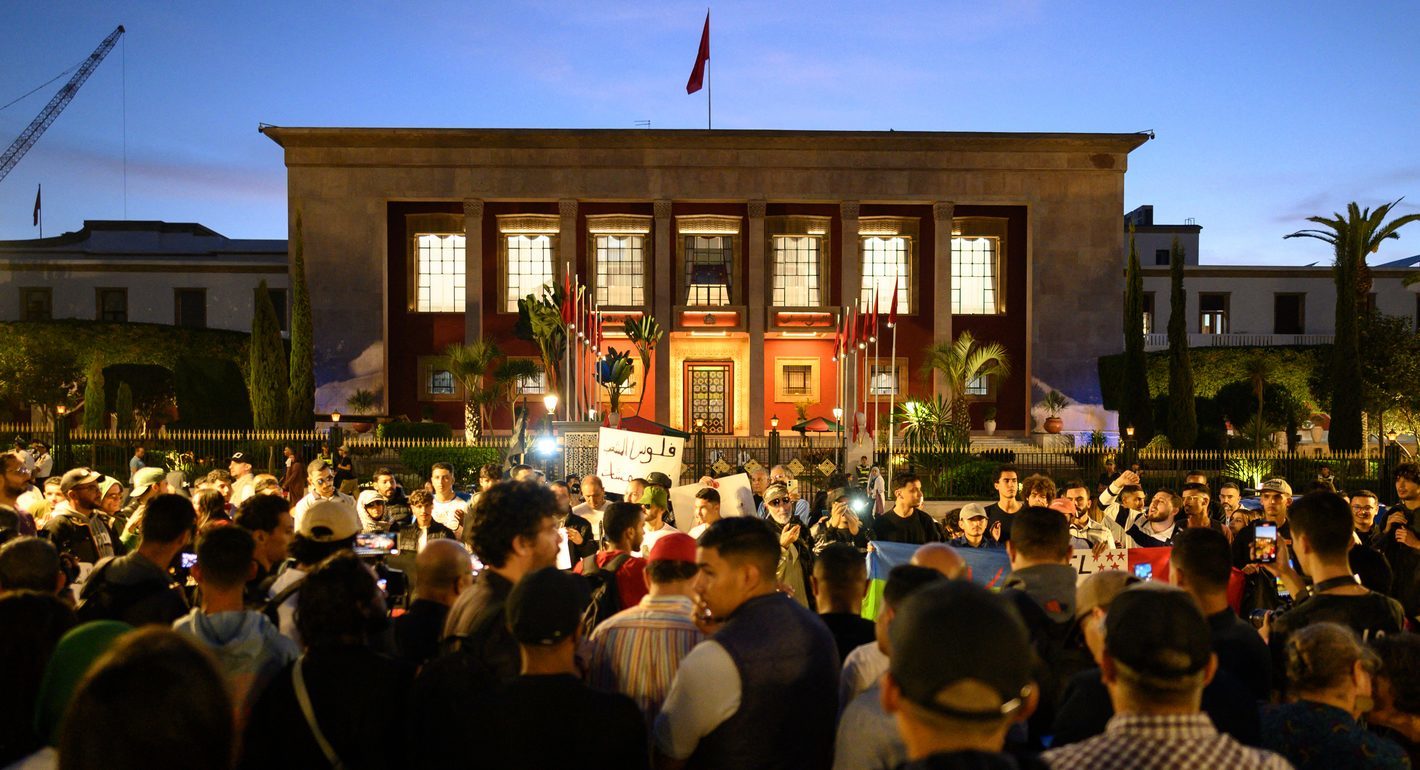
From anime heroes to online gaming communities, Morocco’s Gen Z is building a new protest culture. What does this digital imagination reveal about youth politics, and how should institutions respond?
Abdelilah Farah
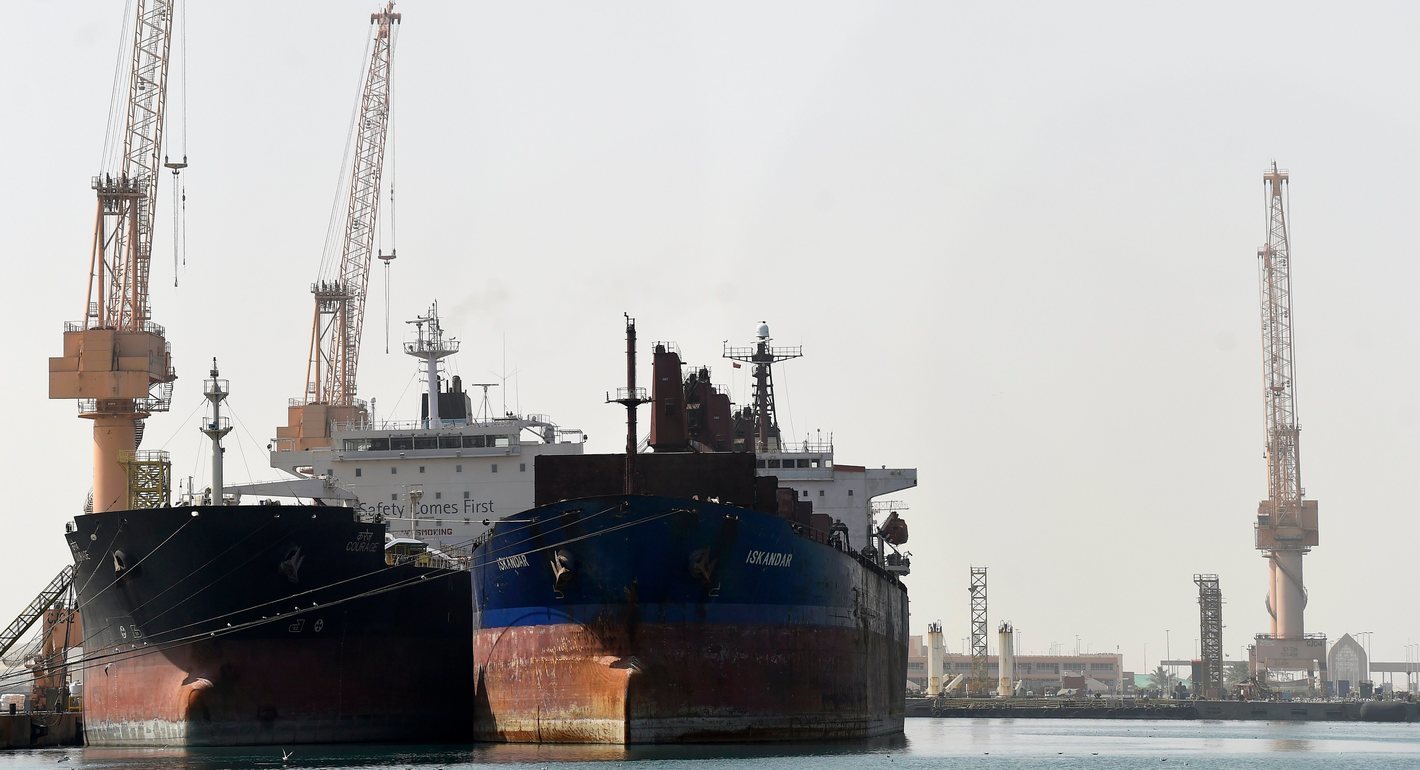
In a volatile Middle East, the Omani port of Duqm offers stability, neutrality, and opportunity. Could this hidden port become the ultimate safe harbor for global trade?
Giorgio Cafiero, Samuel Ramani
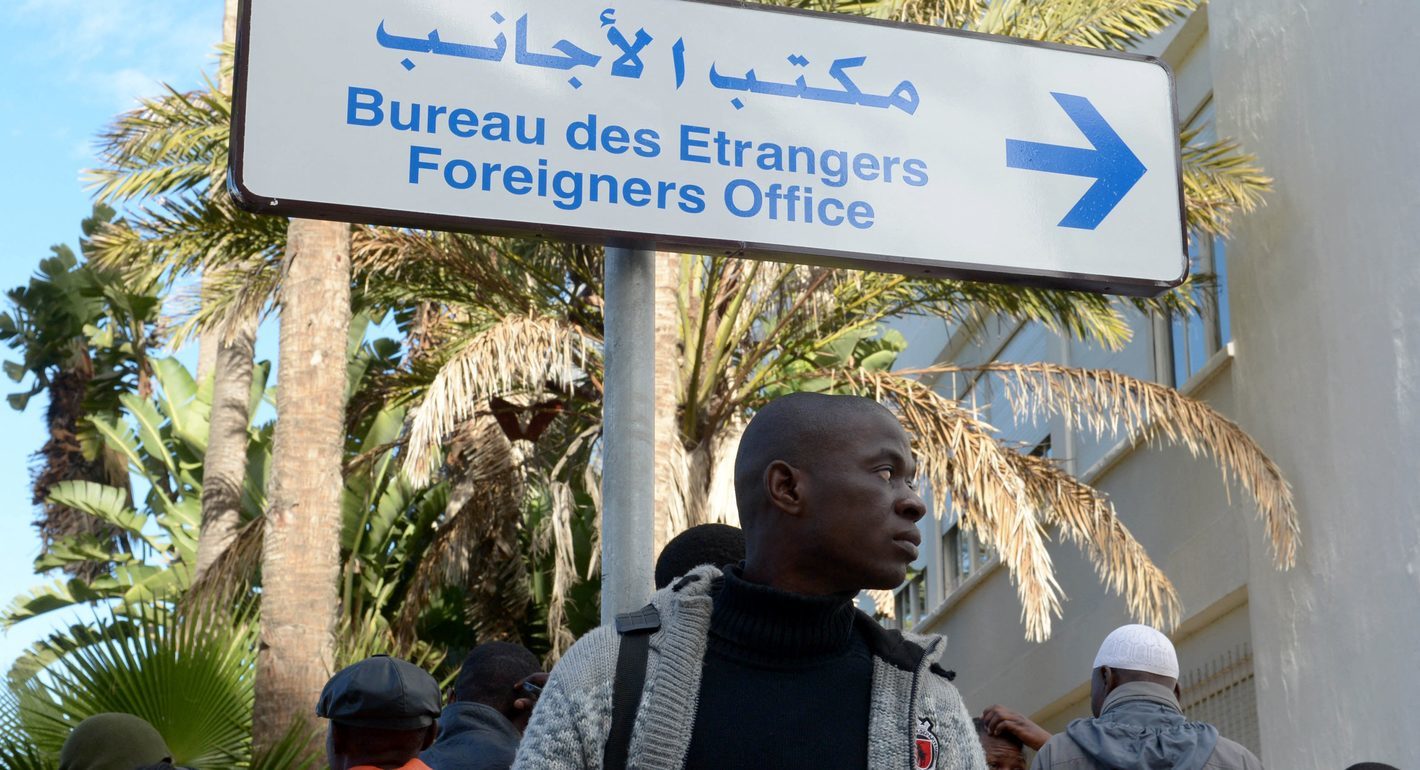
Is Morocco’s migration policy protecting Sub-Saharan African migrants or managing them for political and security ends? This article unpacks the gaps, the risks, and the paths toward real rights-based integration.
Soufiane Elgoumri
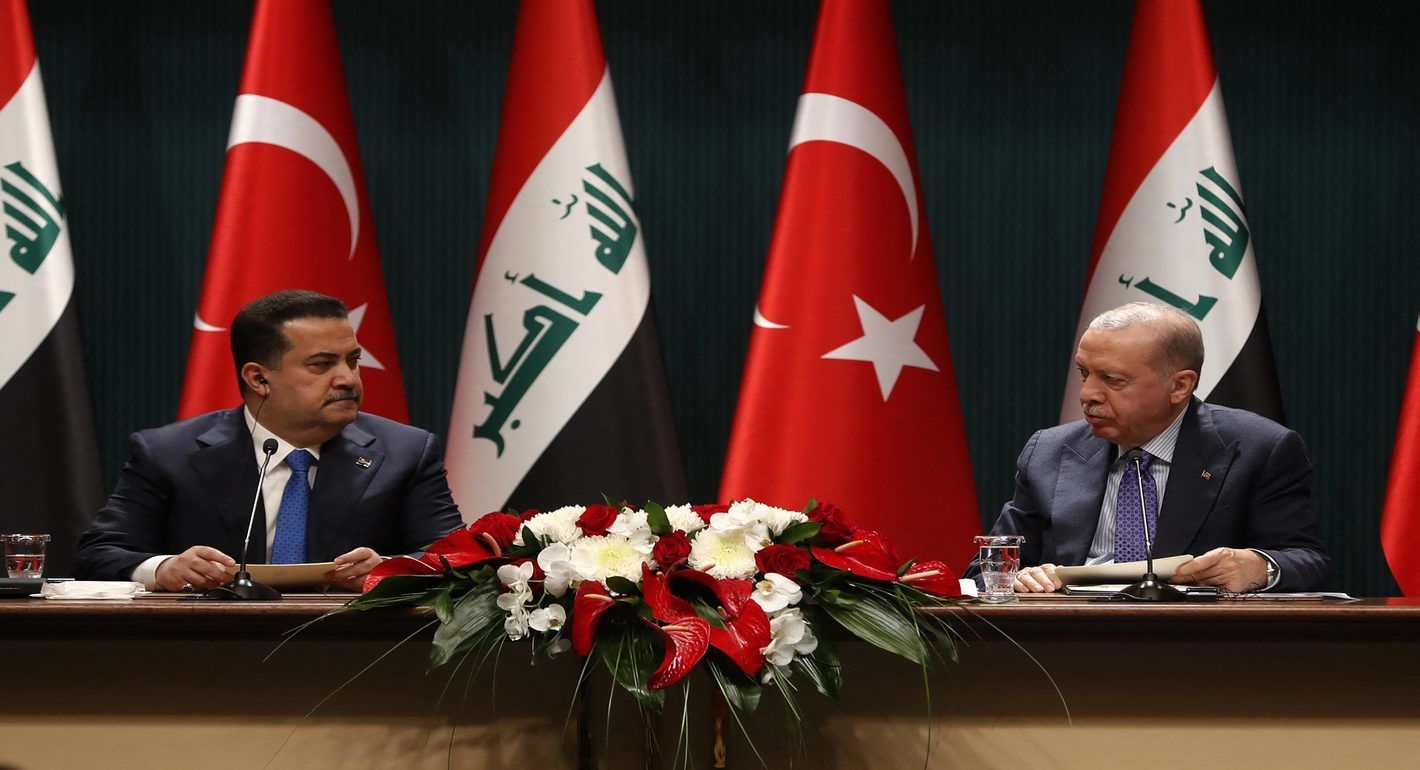
Iraq’s foreign policy is being shaped by its own internal battles—fractured elites, competing militias, and a state struggling to speak with one voice. The article asks: How do these divisions affect Iraq’s ability to balance between the U.S. and Iran? Can Baghdad use its “good neighbor” approach to reduce regional tensions? And what will it take for Iraq to turn regional investments into real stability at home? It explores potential solutions, including strengthening state institutions, curbing rogue militias, improving governance, and using regional partnerships to address core economic and security weaknesses so Iraq can finally build a unified and sustainable foreign policy.
Mike Fleet