

Commentary
In a volatile Middle East, the Omani port of Duqm offers stability, neutrality, and opportunity. Could this hidden port become the ultimate safe harbor for global trade?
Giorgio Cafiero, Samuel Ramani
{
  "authors": [
    "Bassam Haddad"
  ],
  "type": "commentary",
  "blog": "Sada",
  "centerAffiliationAll": "",
  "centers": [
    "Carnegie Endowment for International Peace"
  ],
  "collections": [],
  "englishNewsletterAll": "",
  "nonEnglishNewsletterAll": "",
  "primaryCenter": "Carnegie Endowment for International Peace",
  "programAffiliation": "",
  "programs": [],
  "projects": [],
  "regions": [
    "Syria",
    "Middle East"
  ],
  "topics": [
    "Political Reform"
  ]
}

REQUIRED IMAGE
Those anticipating the imminent (re)blossoming of the Syrian "spring" ought not hold their breath. Nearly four years after the transition of power from Hafez Al Asad to his son Bashar, Syria's much-discussed economic reform process has yielded exactly two "private banks" with suspect ownership and operating under the watchful eye of the state.
Those anticipating the imminent (re)blossoming of the Syrian "spring" ought not hold their breath. Nearly four years after the transition of power from Hafez Al Asad to his son Bashar, Syria's much-discussed economic reform process has yielded exactly two "private banks" with suspect ownership and operating under the watchful eye of the state. Numerous proclamations on regulatory and fiscal reforms languish on shelves, unimplemented. Imprisonment of outspoken dissenters, such as Professor Aref Dalila (serving a ten-year sentence) and independent parliamentarian and industrialist Riad Sayf (serving five years), reminds Syrians of the fate of those who call for real change.
Movement toward openness in entrenched authoritarian regimes requires external pressure from a credible source in exchange for aid or trade, a serious economic downturn that would compel fundamental reform, or the emergence of an organized opposition more appealing than the status quo. None of these factors currently exists in Syria. Thanks to the faltering U.S.-led occupation of Iraq, the near-unconditional U.S. support for Israel's plans for occupied West Bank and Gaza, and the growing global protest against the Bush administration's international adventurism, U.S. credibility in Syria is zero. Thus, Washington's new Syria Accountability Act, which authorizes sanctions against the Syrian government, has strengthened Syrian hard-liners and brought many moderates to their fold. Rising oil prices are handsomely supplementing state revenue and reducing fiscal pressures that could compel reform. Furthermore, because the ties between state officials and select businessmen guide the economic reform process, reforms proceed only when they are seen to reproduce the existing winners in the Syrian social and political order. Once the benefits begin to flow to individuals and groups outside the state's sphere of influence, crackdowns ensue.
Nor is there a viable alternative to Bashar's rule. Those who argue that Islamism will form the basis of opposition in Syria fail to take into account the unpopularity of an Islamist alternative among broad sectors of the population. The chaos in neighboring Iraq, rather than inspiring an opposition movement, has enhanced the regime's "negative legitimacy" by leading the Syrian public to overvalue order, even when it is enforced harshly. This mindset explains the lack of protest against the regime's crackdowns following March rioting by Kurds in northeastern Syria and a rare shoot-out in Damascus in April.
This is the dilemma of reform in non-democratic regimes with stable institutions: reform takes place only when it is absolutely necessary, but necessity invites quick fixes and reversible measures that are unlikely to have structural consequences in the short-to-medium term. Yet the changes witnessed in Syria over the past decade are not inconsequential. These include the closing of some inefficient state-owned enterprises, the reduction of bureaucratic burdens on some economic and social transactions; the slight expansion of press freedom and of the ability to organize in groups for ostensibly non-political purposes; and most important, the gradual resumption of political life, as shown in the informal organizing of long-suppressed groups. Such arguably positive changes are the cumulative effect of seemingly insignificant local measures and a slow-moving regional reform trend. While elites in closed political systems rarely intend reforms to lead to genuine change, selective, incremental, and reversible reform measures can produce structural changes in due time—but not in the sense that many experts on "reform" and "democratization," on both the left and the right, anticipate. Conservative analysts often pay excessive attention to process, procedure, and particular market indices without paying sufficient attention to the masses left behind (or underneath). Some on the left are prone to dismiss "change" as either instrumental or inconsequential if it does not lead to desirable collective outcomes in the short run.
Incremental change can and often does produce fundamental change under certain structural conditions. It is these conditions that we should address to gauge the collective importance of potential reform measures in Syria. It is time to ask some important questions: has Syria's new private "bourgeoisie" as a whole accumulated sufficient capital to compel it to clamor for applying the rule of law to protect its assets? Has the state elite gone far enough into private business to secure for itself a socio-economic and political status without direct state backing or control? Are the ties that bind the social carriers of private and public wealth solid enough to produce an alliance (or perhaps a party) under a different political system? Have regional and international events ceased to provide a justification for maintaining a militarized society living under emergency laws? Is there consistent and credible external pressure in the direction of "democratization" being applied on Syria? Unfortunately, the answer to these questions is "not yet."
Bassam Haddad, assistant professor of political science at St. Joseph's University in Philadelphia, is author of "The Formation and Development of Economic Networks in Syria: Implications for Economic and Fiscal Reforms, 1986-2000," in Networks of Privilege: The Politics of Economic Reform in the Middle East, Steven Heydemann (ed.), (New York, NY: Palgrave-St. Martin's Press, forthcoming 2004). Haddad is part of a collective that produced the new documentary film "About Baghdad" (www.aboutbaghdad.com).
Bassam Haddad
Carnegie does not take institutional positions on public policy issues; the views represented herein are those of the author(s) and do not necessarily reflect the views of Carnegie, its staff, or its trustees.
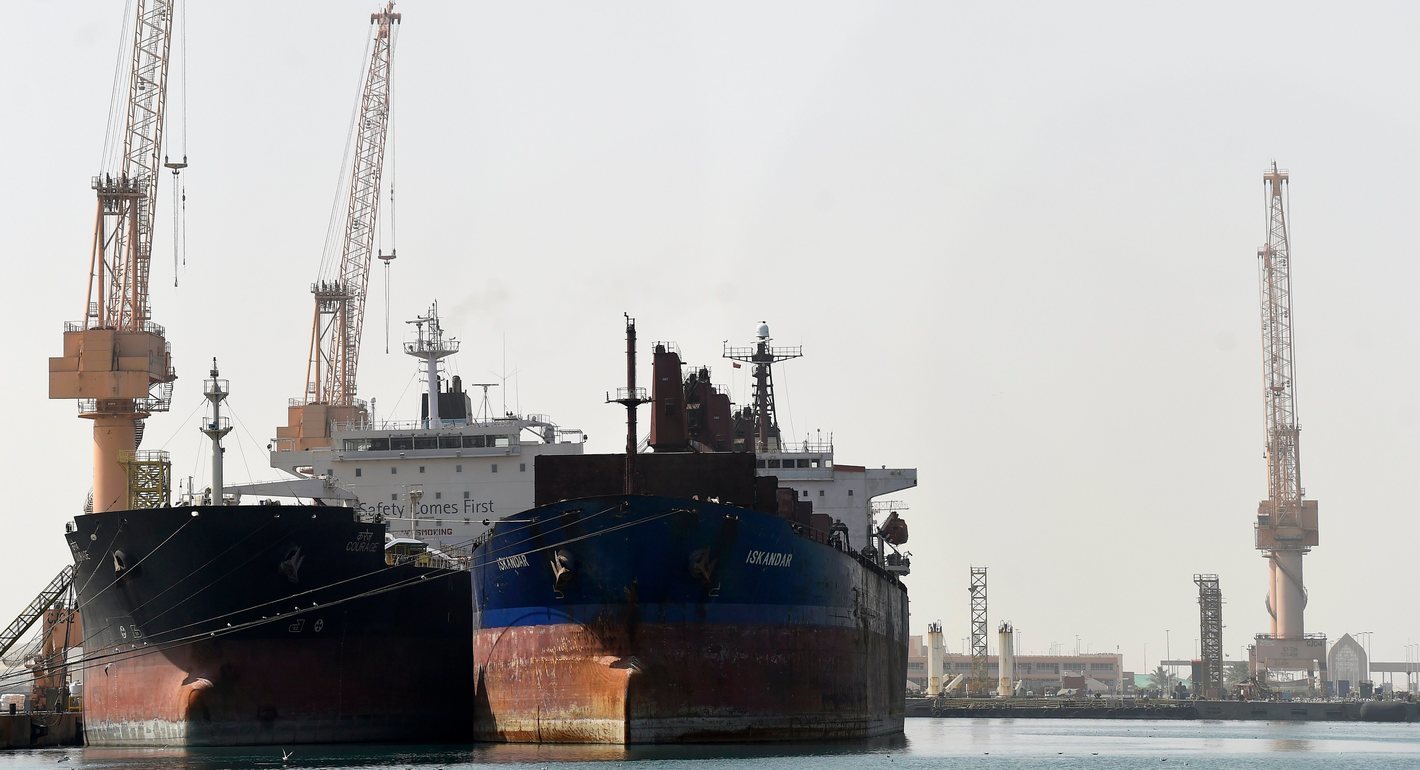
In a volatile Middle East, the Omani port of Duqm offers stability, neutrality, and opportunity. Could this hidden port become the ultimate safe harbor for global trade?
Giorgio Cafiero, Samuel Ramani
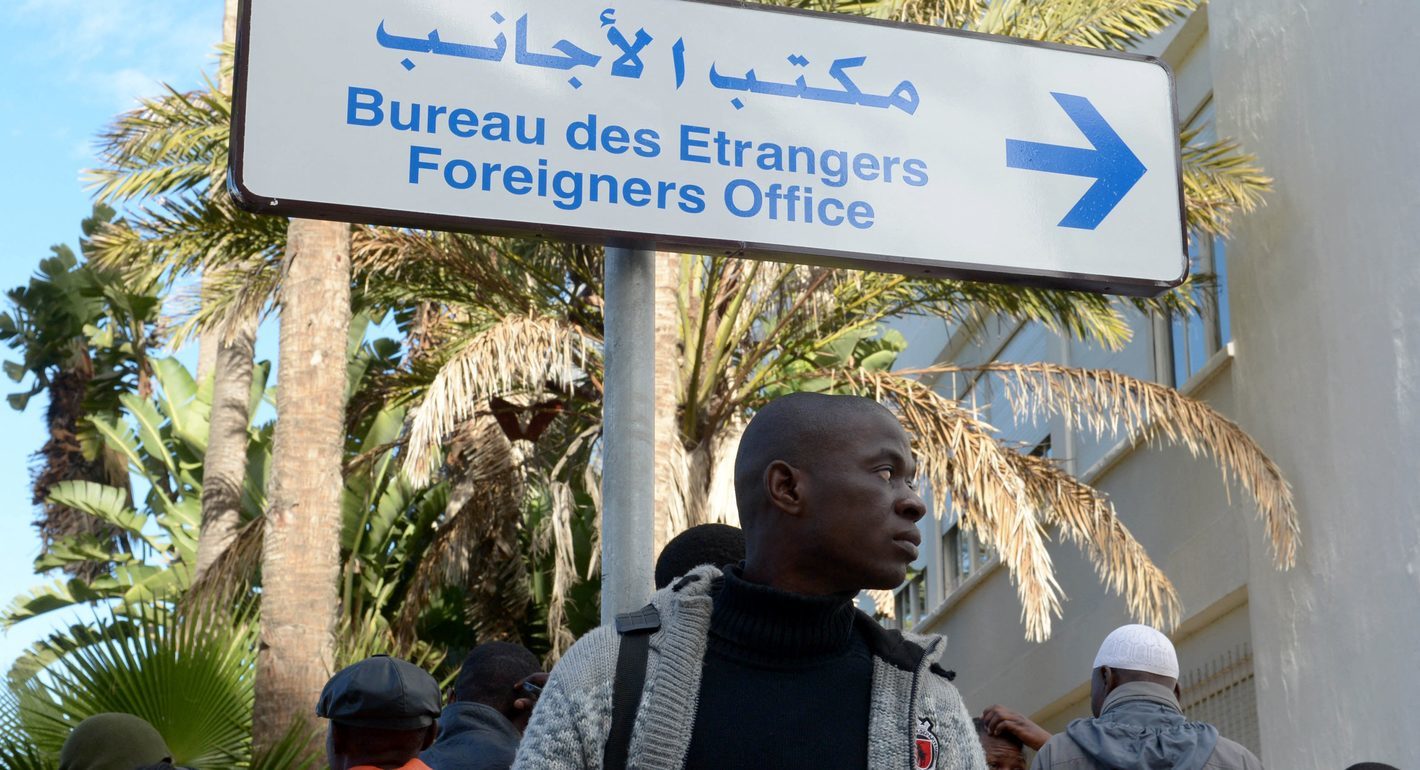
Is Morocco’s migration policy protecting Sub-Saharan African migrants or managing them for political and security ends? This article unpacks the gaps, the risks, and the paths toward real rights-based integration.
Soufiane Elgoumri
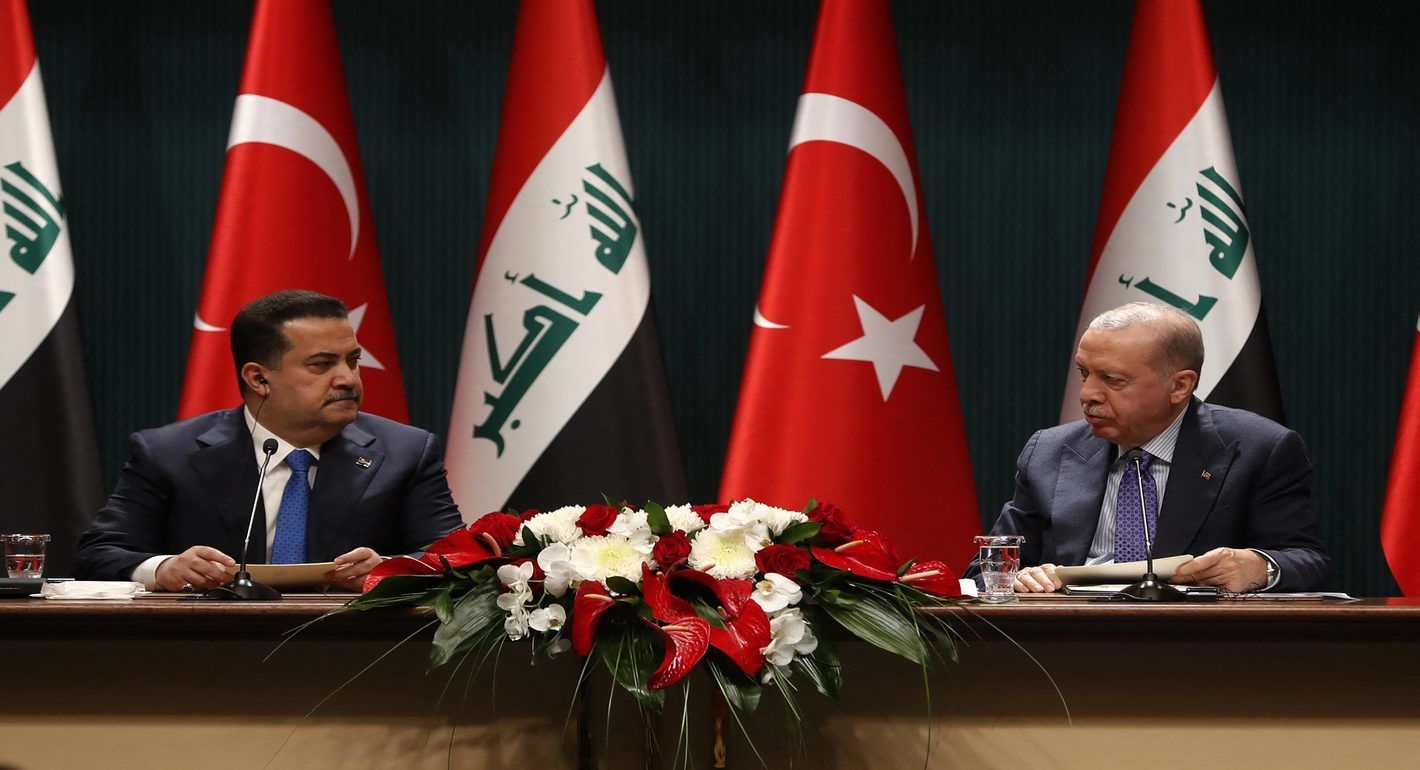
Iraq’s foreign policy is being shaped by its own internal battles—fractured elites, competing militias, and a state struggling to speak with one voice. The article asks: How do these divisions affect Iraq’s ability to balance between the U.S. and Iran? Can Baghdad use its “good neighbor” approach to reduce regional tensions? And what will it take for Iraq to turn regional investments into real stability at home? It explores potential solutions, including strengthening state institutions, curbing rogue militias, improving governance, and using regional partnerships to address core economic and security weaknesses so Iraq can finally build a unified and sustainable foreign policy.
Mike Fleet
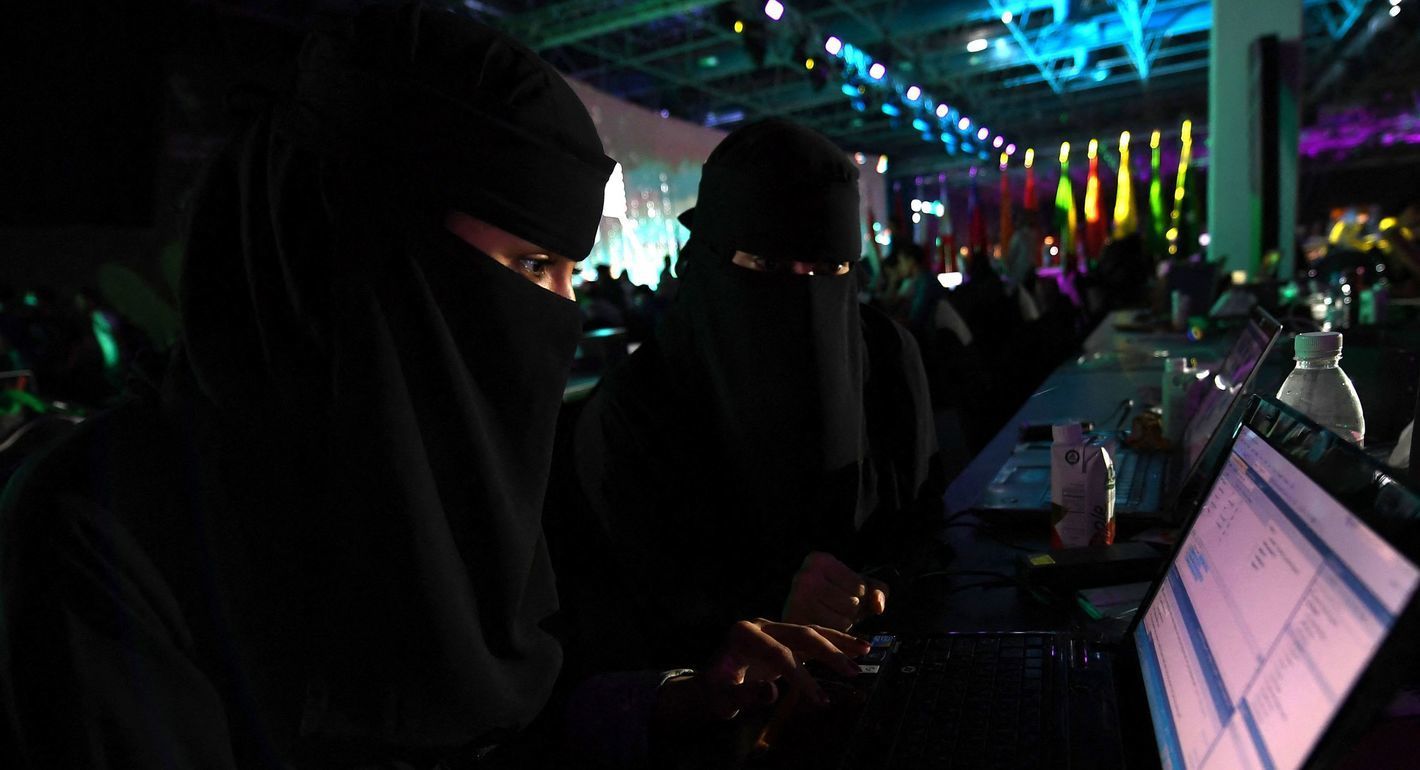
How can Saudi Arabia turn its booming e-commerce sector into a real engine of economic empowerment for women amid persistent gaps in capital access, digital training, and workplace inclusion? This piece explores the policy fixes, from data-center integration to gender-responsive regulation, that could unlock women’s full potential in the kingdom’s digital economy.
Hannan Hussain
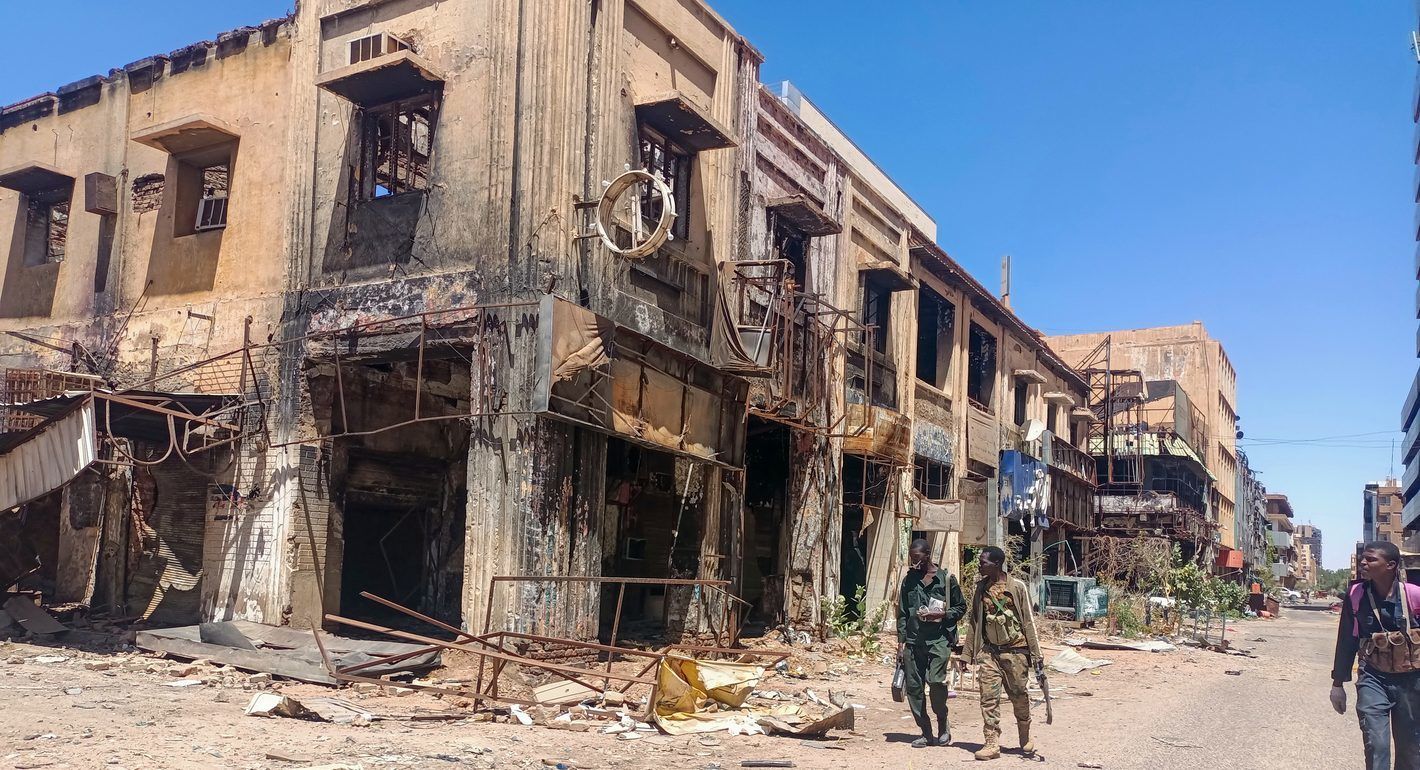
Hate speech has spread across Sudan and become a key factor in worsening the war between the army and the Rapid Support Forces. The article provides expert analysis and historical background to show how hateful rhetoric has fueled violence, justified atrocities, and weakened national unity, while also suggesting ways to counter it through justice, education, and promoting a culture of peace.
Samar Sulaiman