

Commentary
Marc Lynch
{
  "authors": [
    "Marc Lynch"
  ],
  "type": "commentary",
  "blog": "Sada",
  "centerAffiliationAll": "",
  "centers": [
    "Carnegie Endowment for International Peace"
  ],
  "collections": [],
  "englishNewsletterAll": "",
  "nonEnglishNewsletterAll": "",
  "primaryCenter": "Carnegie Endowment for International Peace",
  "programAffiliation": "",
  "programs": [],
  "projects": [],
  "regions": [
    "Middle East",
    "Iraq",
    "North Africa"
  ],
  "topics": []
}

REQUIRED IMAGE
In an appearance on Cairo's "Dream TV" in the spring of 2004, the eminent Egyptian journalist Muhammad Hassanayn Haykal broached the deeply sensitive topic of Gamal Mubarak’s aspirations to succeed his father as president. For his efforts, Haykal was summarily banned from Egyptian broadcasts.
In an appearance on Cairo's "Dream TV" in the spring of 2004, the eminent Egyptian journalist Muhammad Hassanayn Haykal broached the deeply sensitive topic of Gamal Mubarak’s aspirations to succeed his father as president. For his efforts, Haykal was summarily banned from Egyptian broadcasts. While in the past, such a forceful state response would have been sufficient for the government to regain control of the public agenda, this time, Haykal quickly was able to sign a blockbuster deal with Al Jazeera, allowing him immediately to reach a much larger audience. He used his first show to expose the regime’s clumsy effort to silence his dissent. The experience of the venerable Haykal demonstrates the difficulty of Arab states in maintaining control over the public sphere. By shattering state control over public debate, Arab satellite television, especially Al Jazeera, is building the foundation of a more democratic Arab political culture.
For many critics, Al Jazeera’s controversial coverage of Iraq, especially its airing of hostage videos and beheadings, overshadows whatever reformist potential the station might have. To be sure, Al Jazeera seems increasingly consumed by sensationalism. But such pessimism, like the earlier extravagant optimism that Al Jazeera would usher in quick democratization, is misplaced. The new Arab media has eroded state monopoly over information, embedding in its audience an expectation of choice and contention that undercuts authoritarian political culture. Satellite television stations are encouraging a pluralist political culture, one in which individual voices can be heard, disagreements openly aired, and nearly every aspect of politics and society held open to public scrutiny.
While Al Jazeera’s news coverage receives the most attention in the West, the station's live political talk shows have had the most revolutionary impact. These bare bones programs, which include Faisal Al Qassem’s "The Opposite Direction" and Ghassan bin Jadu’s "Open Dialogue," regularly attract an audience matched in size only by that of pop culture hits such as the reality show "Superstar," an Arab version of "American Idol." Almost every night, Al Jazeera's guests from varying political perspectives face off and callers from across the Arab world have the chance to pose live questions. Competitors such as Al Arabiyya offer their own more restrained, but still popular, talk shows. Pre-recorded shows, like those featured on American-funded Al Hurra, attract far less attention. Al Jazeera's estimated 30 million viewers now consider themselves part of a single, common, ongoing political argument, in which few views are off-limits and in which even the most powerful states must defend themselves before fearless criticism.
The talk shows offer a revealing portrait of what the new media consider vital "Arab" issues. The Palestinian conflict took up between a quarter and a third of the major Al Jazeera talk shows each year between 1999-2002. In 2003, the situation in Iraq consumed an astounding 44 percent of talk show material. But from its earliest days, Al Jazeera (and its competitors) have defined democratic reform as a core Arab issue. Al Jazeera sought to give voice to a deep Arab frustration with the perceived failures of Arab regimes. In 1999 alone, almost a dozen Al Jazeera talk shows criticized the absence of democracy in the Arab world.
Long before the American invasion of Iraq, Al Jazeera railed against the repressive, corrupt Arab order, shattering what Iraqi dissident Kanan Makiya has called the "politics of silence" that stifles Arab intellectual and political life. Discussion of the war in Iraq actually reduced the amount of discussion of democratic reform on talk shows in 2002-2003. But by the end of 2003, despite Arab public suspicion of American initiatives and the plethora of urgent issues competing for public attention, they returned to the topic vigorously. Almost a dozen talk shows discussed American and Arab reform proposals between February and March of 2004, and half a dozen more addressed the Bush administration's Broader Middle East and North Africa Initiative.
These programs reframe local issues in terms of a wider Arab narrative, so that a Jordanian clampdown on press freedoms and a Syrian campaign to arrest political dissidents cohere into a single story of the absence of Arab democracy. Virtually every Arab country has been discussed, as have contentious questions about whether this generation of Arabs might succeed at democracy where their parents failed; the state of women’s rights in the Arab world; abuses in Arab prisons; and the spread of AIDS in the Arab world. It is this searing critique of the Arab status quo, which translates individual complaints and local experiences into a common Arab narrative, that makes Arab satellite media such a potent force for reform.
The burgeoning number of satellite stations is breeding greater competition for market share, which will increase the outlets through which reformers can be heard. Al Jazeera’s main competitor, Al Arabiyya, has since its launch in early 2003 offered a platform to liberal reformers, with a tone tempered by greater restraint and sensitivity to the concerns of major Arab states. In stark contrast to isolated and embittered liberals, moderate Islamists who are ever more on the defensive, or entrenched authoritarian regimes that talk about reform only to deflect foreign criticism, Arab satellite television stations today represent one of the only truly vital forces demanding reform.
Marc Lynch is associate professor of political science at Williams College in Williamstown, MA. His second book, Iraq and the New Arab Public, will be published by Columbia University Press in 2005.
Former Nonresident Senior Fellow, Middle East Program
Marc Lynch was a nonresident senior fellow in Carnegie’s Middle East Program where his work focuses on the politics of the Arab world.
Recent Work
Marc Lynch
Marc Lynch
Carnegie does not take institutional positions on public policy issues; the views represented herein are those of the author(s) and do not necessarily reflect the views of Carnegie, its staff, or its trustees.
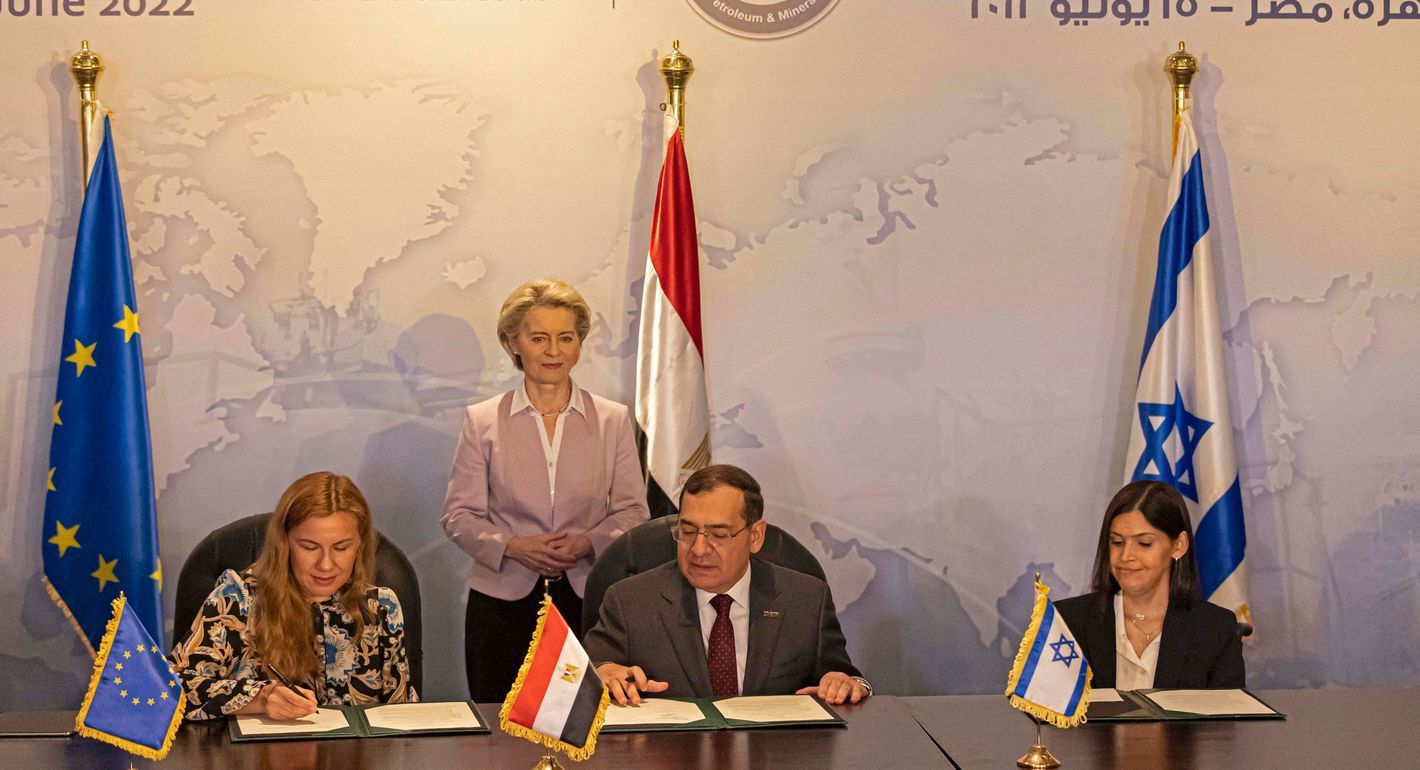
Can economic ties help contain conflict between Egypt and Israel, or do they simply postpone confrontation? Drawing on the German-Russian experience, the article examines how the gas deal creates mutual dependence, keeps channels of cooperation open, and raises the cost of conflict, without necessarily delivering lasting peace.
Nourhan Hefzy
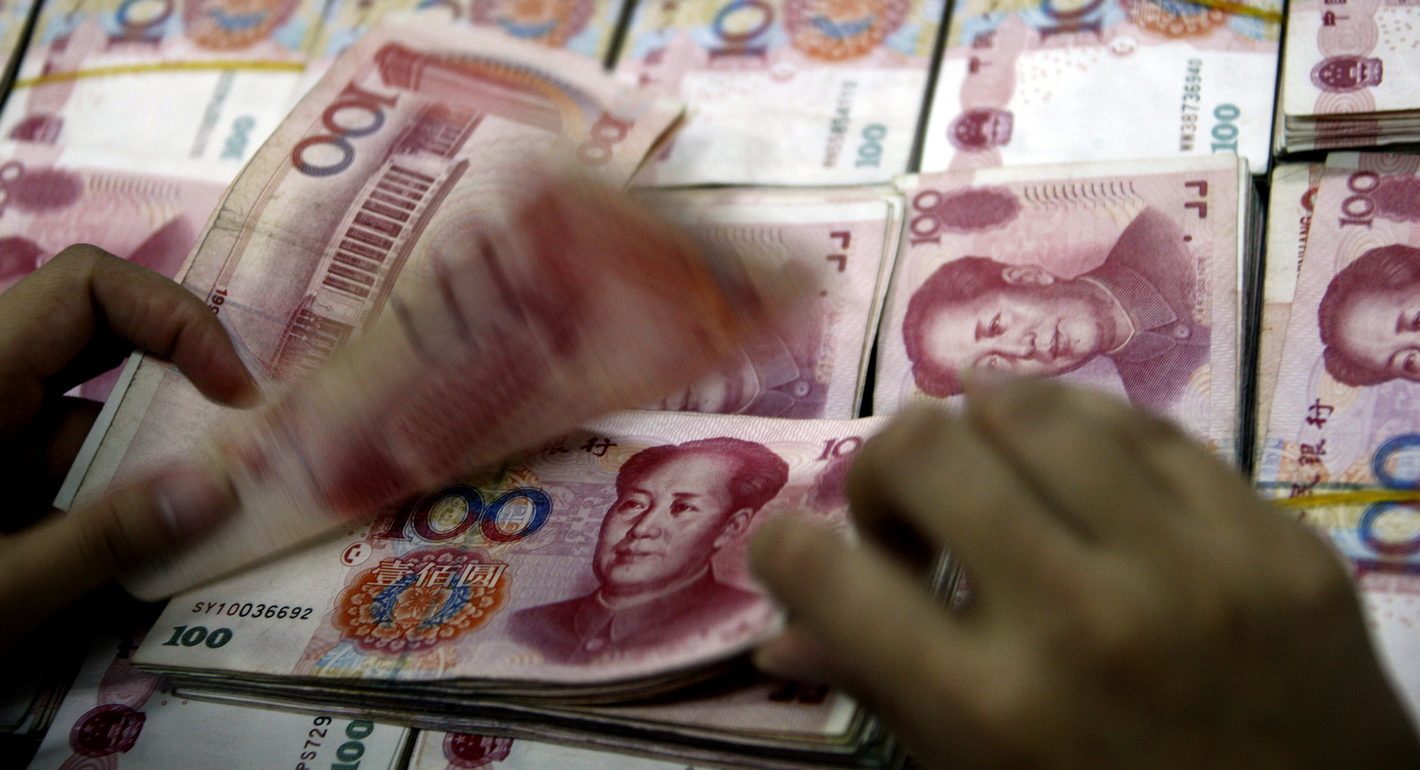
Is the Gulf moving beyond the dollar? This article examines how China is expanding the renminbi's role across Gulf markets, what that means for regional finance, and why the future of global currencies is more complex than the de-dollarization debate suggests.
Andrew Bonney
Syria's transition promised a fresh start. But are old habits of power making a comeback? This analysis looks at the warning signs and what it will take to build a more accountable state.
Sima Beitinjaneh
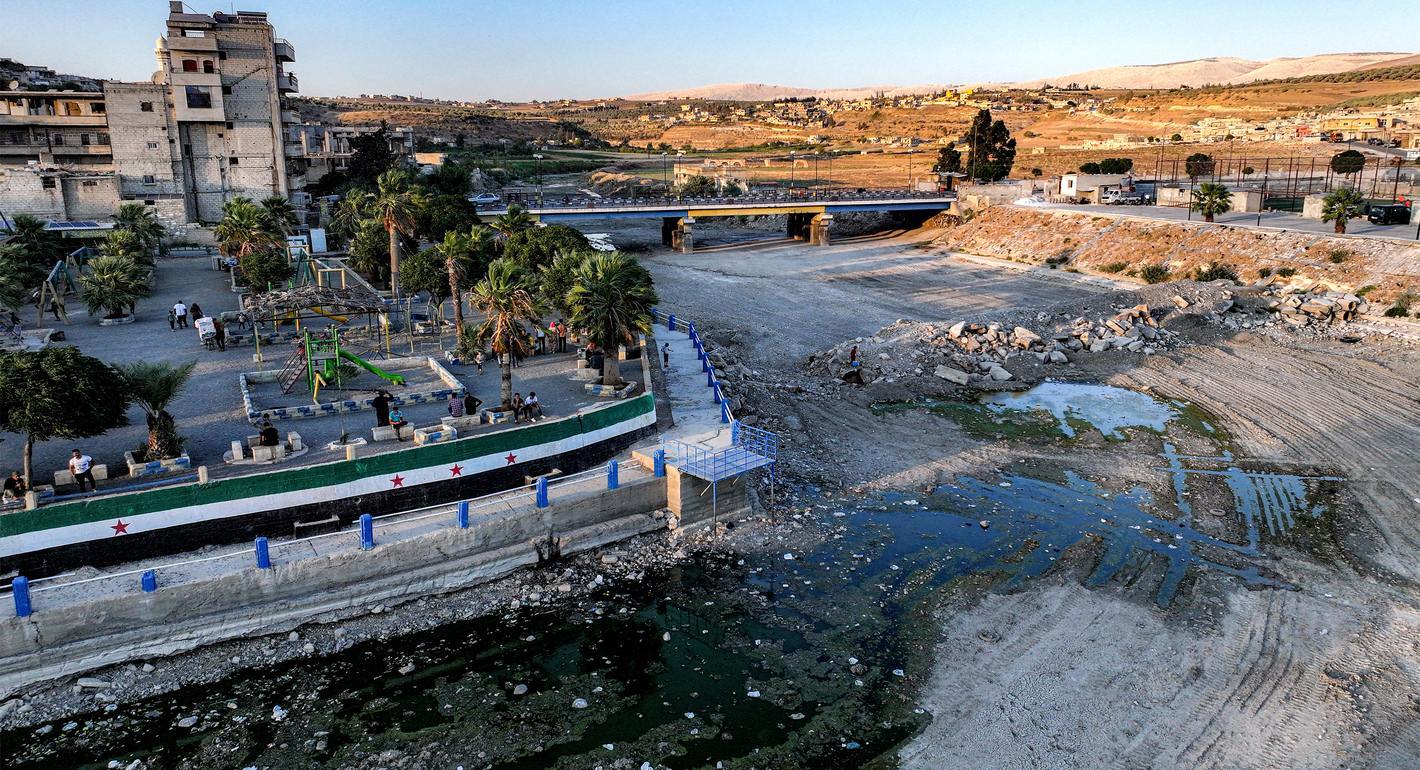
Syria’s worsening drought is no longer a seasonal crisis. This report explains what climate change is doing to rainfall, groundwater, and food security, and what solutions experts say are still possible.
Milia Esper
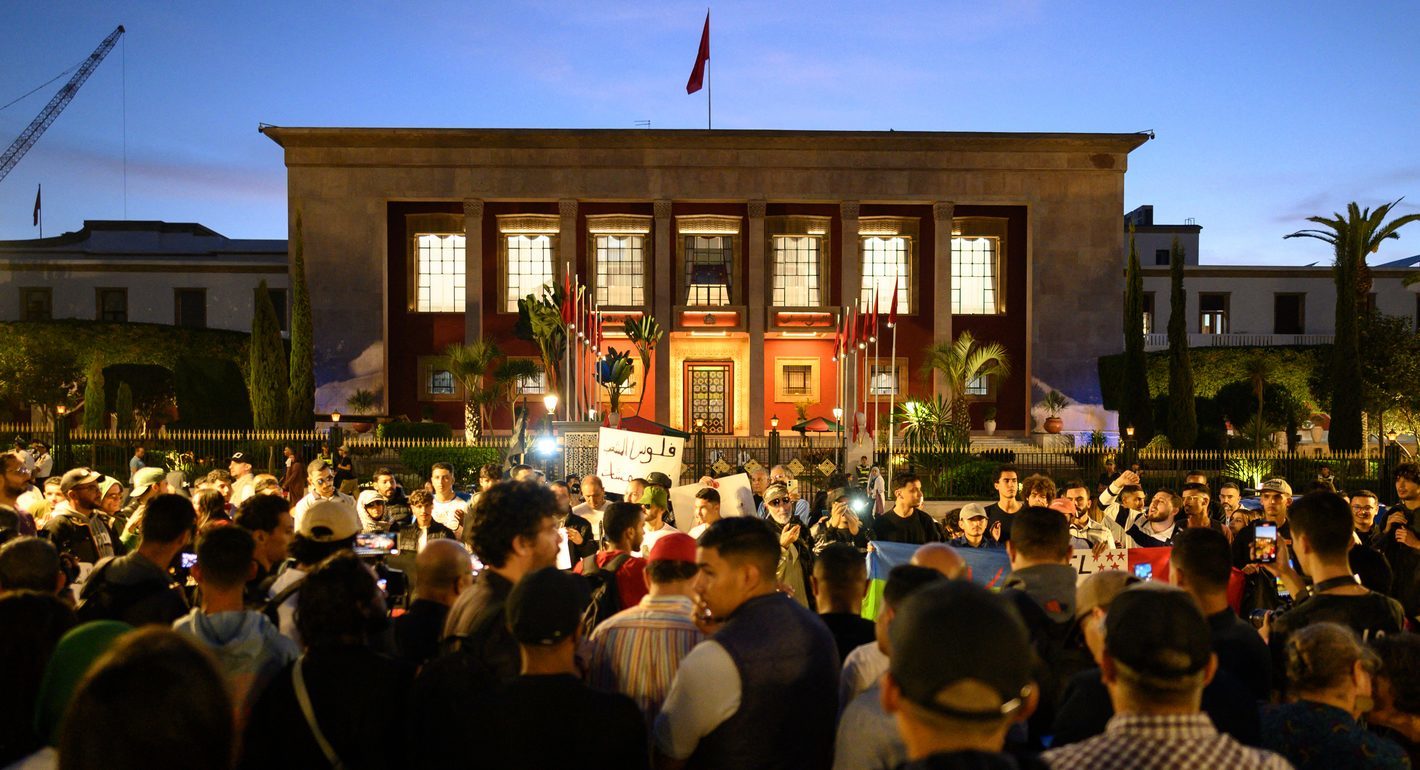
From anime heroes to online gaming communities, Morocco’s Gen Z is building a new protest culture. What does this digital imagination reveal about youth politics, and how should institutions respond?
Abdelilah Farah