

Article
Marina Ottaway, Omar Hossino
{
  "authors": [
    "Marina Ottaway"
  ],
  "type": "commentary",
  "blog": "Sada",
  "centerAffiliationAll": "",
  "centers": [
    "Carnegie Endowment for International Peace"
  ],
  "collections": [
    "Arab Awakening"
  ],
  "englishNewsletterAll": "",
  "nonEnglishNewsletterAll": "",
  "primaryCenter": "Carnegie Endowment for International Peace",
  "programAffiliation": "",
  "programs": [],
  "projects": [],
  "regions": [
    "North Africa",
    "Egypt",
    "Middle East"
  ],
  "topics": [
    "Political Reform"
  ]
}

REQUIRED IMAGE
The Egyptian military has emerged as the most serious threat to the transition to democracy; ten months after helping ease Mubarak out of office, SCAF announcements leave no doubt that it intends to maintain its control indefinitely.
In the early days of the Egyptian uprising—when violence threatened to engulf the country—the military did an admirable job of maintaining order without violence and easing Hosni Mubarak out of office. Ten months later, it has emerged as the most serious threat in the transition to democracy. Recent announcements leave no doubt that the military indeed rules Egypt—and it intends to maintain its control indefinitely.
The Supreme Council of the Armed Forces (SCAF) has revived the idea of adopting a set of supra-constitutional principles that will be binding on the one-hundred member commission that will draft the country’s new constitution. The concept was first floated in the early summer by presidential candidate Mohamed ElBaradei and became the focus of an acrimonious debate for several months in the summer before dwindling off for a period.
While the Muslim Brotherhood and the most liberal among secular parties such as al-Ghad and Karama opposed this arrangement as undemocratic, most secularists seemed to support it on the naïve assumption that supra-constitutional principles would prevent Islamists from proclaiming an Islamist republic even if they won legislative elections by a landslide.
With the clear support of the SCAF, Deputy Prime Minister Ali al-Selmi has unilaterally issued a draft of these supra-constitutional principles. This document shows that the military is simply imposing its peculiar version of democracy, heavily laced with military control, and completely disregards any attempt to build a true consensus around shared values. One of the binding principles contained within is that the military (and the military budget) will remain free of civilian oversight. It also states that if the constitutional commission does not approve a new constitution within six months, the SCAF will name a new one of its own choosing. As an extra guarantee, the SCAF issued new rules regarding the composition of the commission: it will comprise only twenty elected members of parliament, with the remaining members chosen (unclear by whom) from the ranks of judges, university professors, the Coptic Church, al-Azhar University, labor unions, and an array of other mostly-government-controlled organizations. And should the proposed constitution contain articles that contravene the SCAF’s constitutional declarations, the commission will have to revise them or the supreme constitutional court will issue a binding judgment. The only possible conclusion from this is that the military intends to have both the first and the final word on the constitution.
The choice in Egypt is not one between a military dictatorship and a Taliban-type government, as some so-called liberals claim. It is between another Mubarak-type regime and the principles that people fought for in the Egyptian streets.
Several factors have encouraged Egypt’s slide toward military rule. The first is the old fear that Islamist parties will do well in the elections scheduled to start on November 28. This will probably be the case, as in Tunisia, where the Islamist party Ennahda received about 40 percent of the vote; the Muslim Brotherhood and its affiliated Freedom and Justice Party are highly organized and disciplined, while secular parties are fragmented and have failed to invest in organizing. Indeed, it is quite possible that Ennahda’s success has strengthened the Egyptian military’s resolve not to allow an elected body to have any impact on the constitution.
But a second, and in many ways more disturbing, factor is the collusion with the military of many of Egypt’s “liberal” parties and self-proclaimed champions of democracy—who have greeted the SCAF’s latest announcements with approval. The Wafd Party has accepted the proclamations, with only muted reservations about the rejection of civilian oversight over the military. The Free Egyptians Party has declared its agreement with the bulk of the proposals. So also did virtually all liberal parties other than al-Ghad and Karama, which remain in an alliance with the Muslim Brotherhood. Indeed, from the liberals’ point of view, the only controversial issue in al-Selmi’s proposal was embedding in supra-constitutional principles the absence of civilian oversight over the military and its budget. In response, al-Selmi later declared that offending clause would be deleted, although he did not suggest the opposite: that civilian oversight should be made into a supra-constitutional principle. Remarkably, the only voices that unequivocally condemn the SCAF’s new pronouncements are those of the Islamist parties, the April 6 Movement, and presidential candidate Mohamed ElBaradei.
There is no doubt that Egypt is moving back to a Mubarak-type regime: a strong military aided and abetted by secular politicians whose idea of democracy is that they should govern. The choice in Egypt is not one between a military dictatorship and a Taliban-type government, as some so-called liberals claim. It is between another Mubarak-type regime and the principles that people fought for in the Egyptian streets.
Marina Ottaway is a senior associate at the Carnegie Endowment for International Peace.
Former Senior Associate, Middle East Program
Before joining the Endowment, Ottaway carried out research in Africa and in the Middle East for many years and taught at the University of Addis Ababa, the University of Zambia, the American University in Cairo, and the University of the Witwatersrand in South Africa.
Recent Work
Marina Ottaway, Omar Hossino
Marina Ottaway
Carnegie does not take institutional positions on public policy issues; the views represented herein are those of the author(s) and do not necessarily reflect the views of Carnegie, its staff, or its trustees.
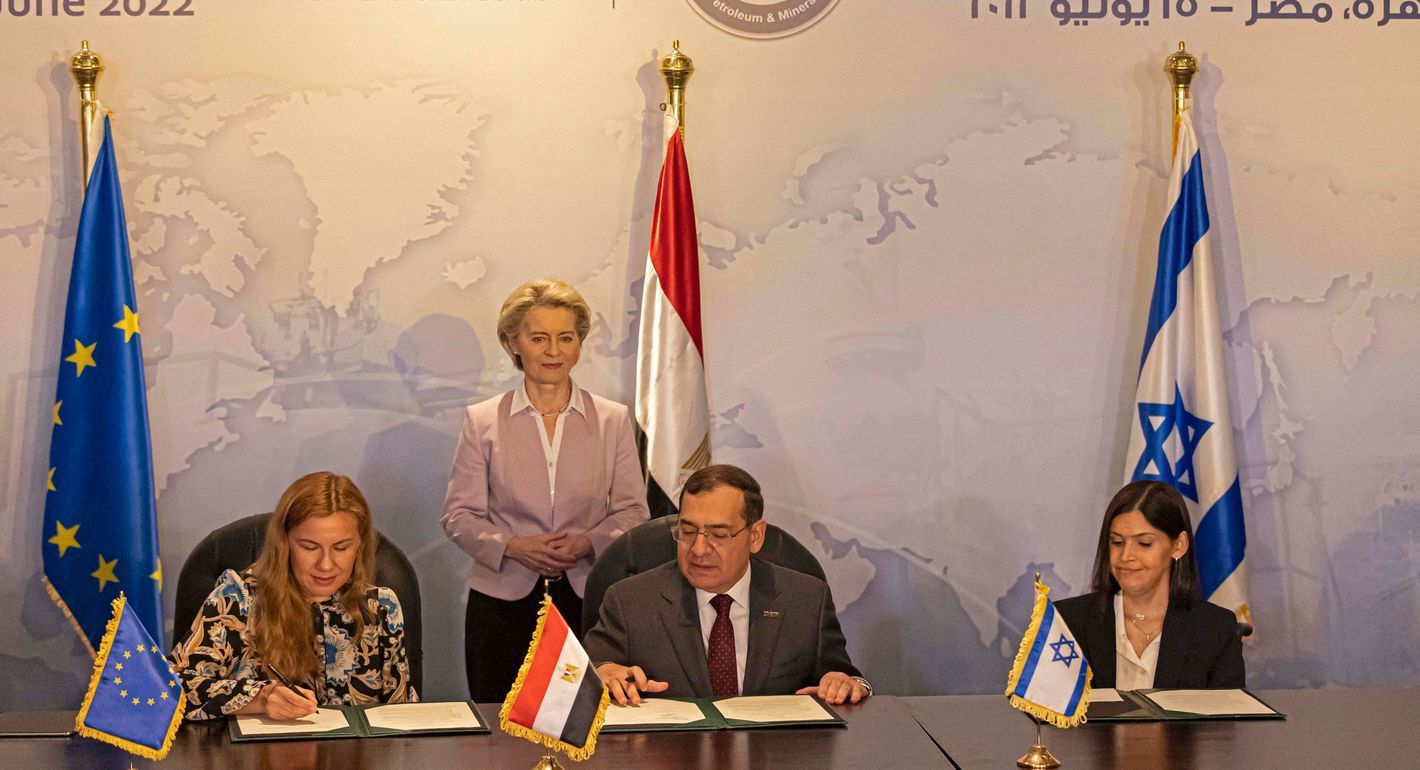
Can economic ties help contain conflict between Egypt and Israel, or do they simply postpone confrontation? Drawing on the German-Russian experience, the article examines how the gas deal creates mutual dependence, keeps channels of cooperation open, and raises the cost of conflict, without necessarily delivering lasting peace.
Nourhan Hefzy
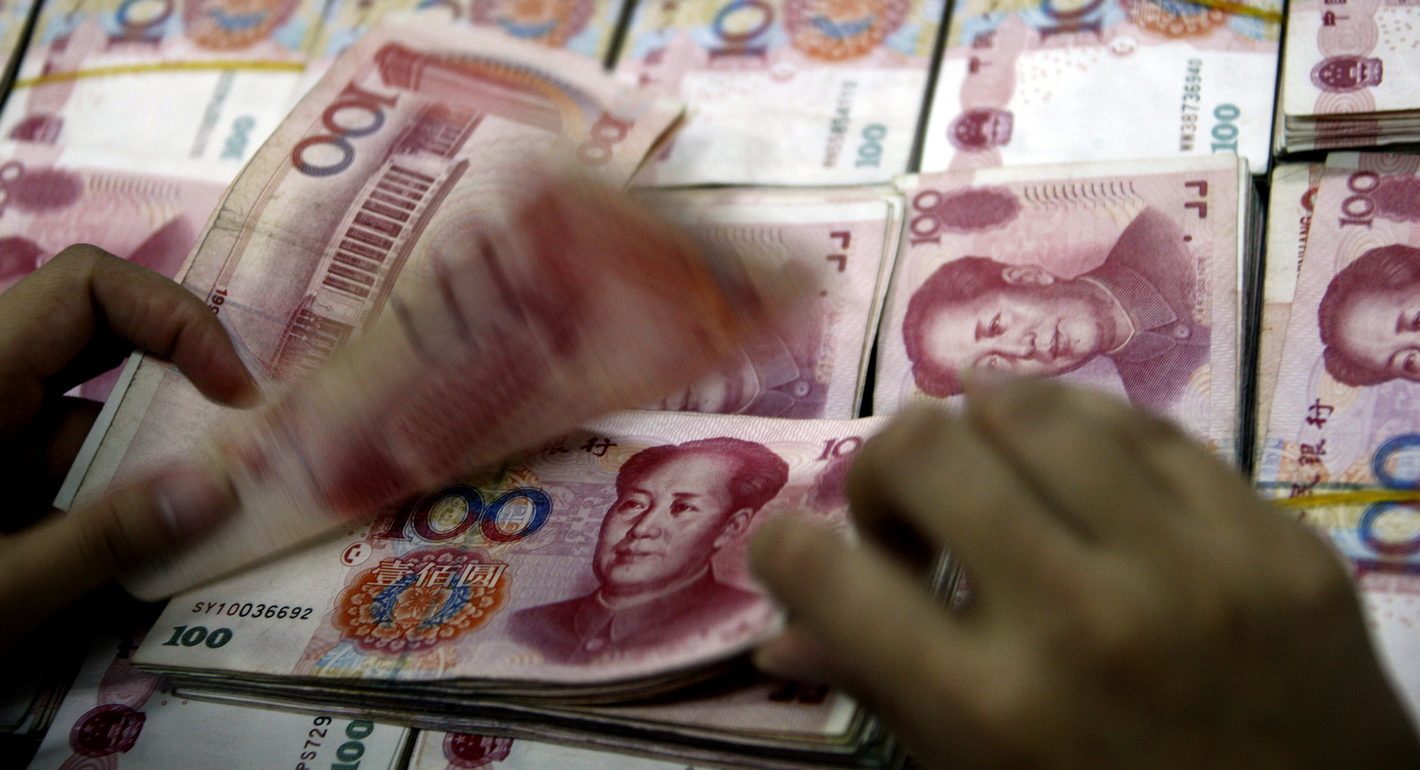
Is the Gulf moving beyond the dollar? This article examines how China is expanding the renminbi's role across Gulf markets, what that means for regional finance, and why the future of global currencies is more complex than the de-dollarization debate suggests.
Andrew Bonney
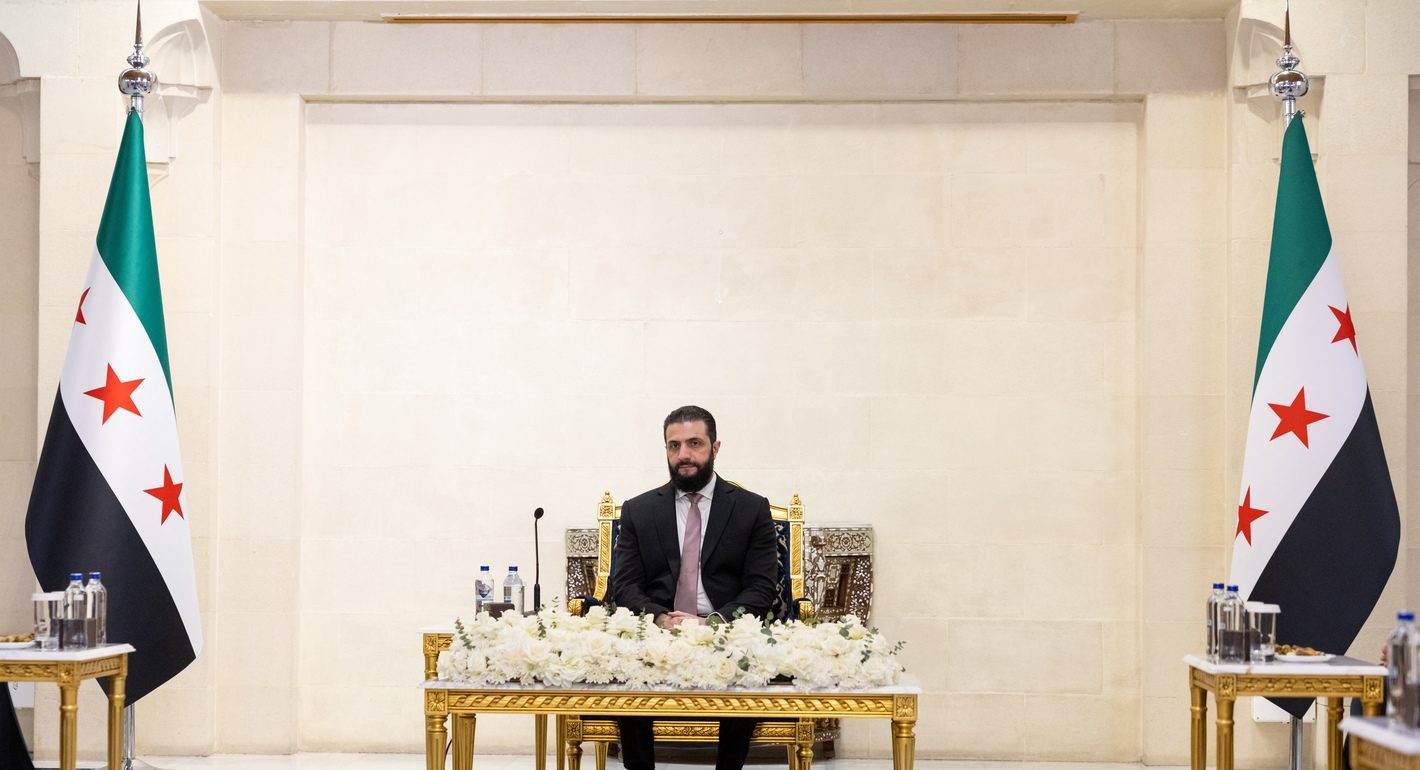
Syria's transition promised a fresh start. But are old habits of power making a comeback? This analysis looks at the warning signs and what it will take to build a more accountable state.
Sima Beitinjaneh
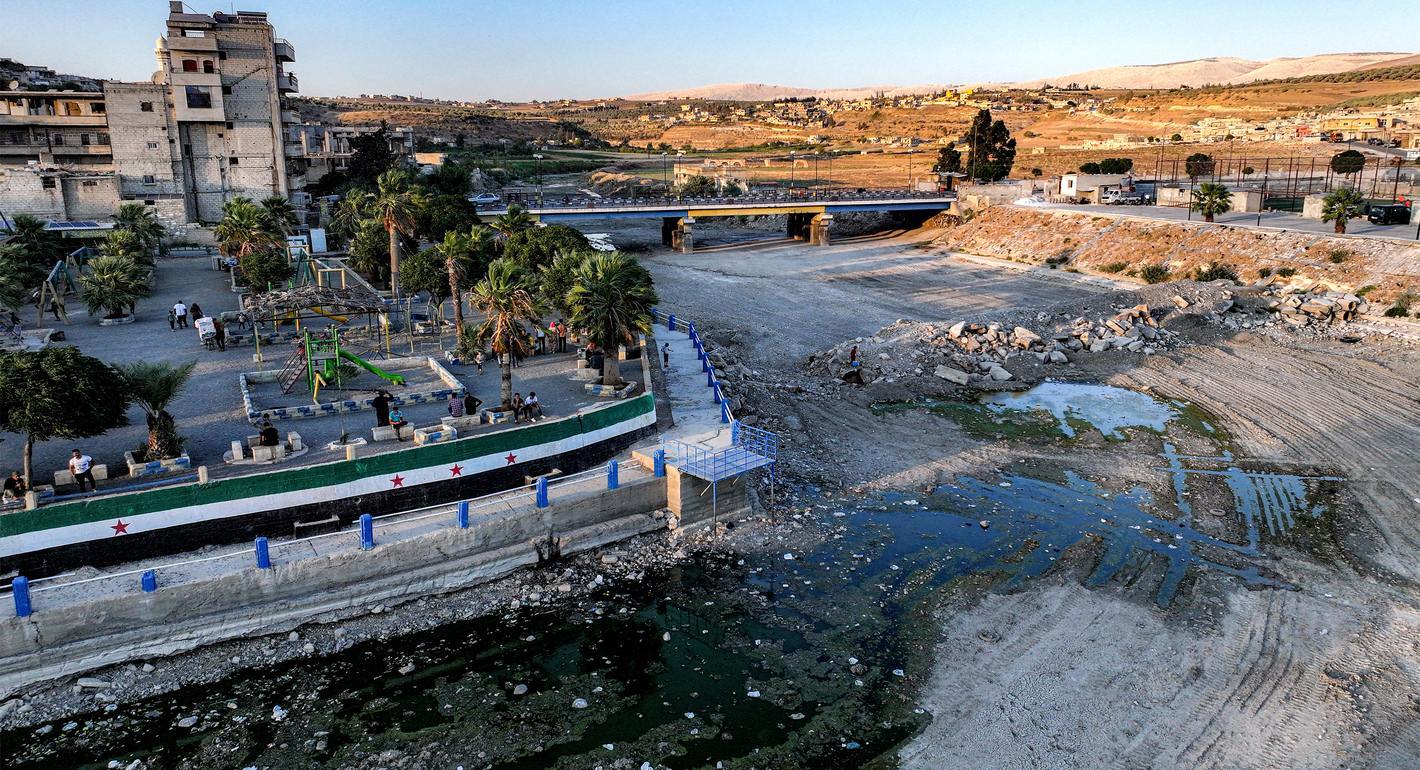
Syria’s worsening drought is no longer a seasonal crisis. This report explains what climate change is doing to rainfall, groundwater, and food security, and what solutions experts say are still possible.
Milia Esper
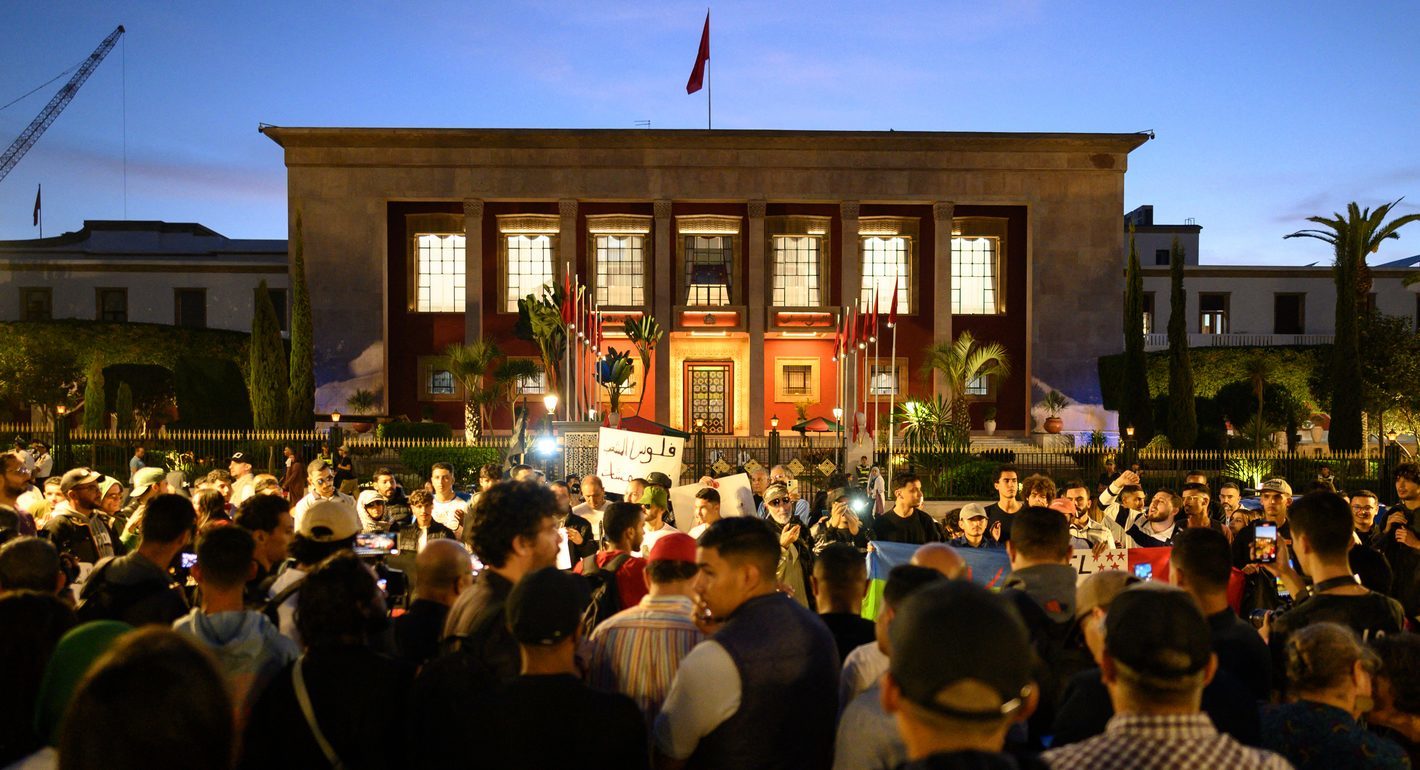
From anime heroes to online gaming communities, Morocco’s Gen Z is building a new protest culture. What does this digital imagination reveal about youth politics, and how should institutions respond?
Abdelilah Farah