

Commentary
In a volatile Middle East, the Omani port of Duqm offers stability, neutrality, and opportunity. Could this hidden port become the ultimate safe harbor for global trade?
Giorgio Cafiero, Samuel Ramani
{
  "authors": [
    "Joshua Goodman"
  ],
  "type": "commentary",
  "blog": "Sada",
  "centerAffiliationAll": "",
  "centers": [
    "Carnegie Endowment for International Peace"
  ],
  "collections": [],
  "englishNewsletterAll": "",
  "nonEnglishNewsletterAll": "",
  "primaryCenter": "Carnegie Endowment for International Peace",
  "programAffiliation": "",
  "programs": [],
  "projects": [],
  "regions": [
    "North Africa",
    "Egypt"
  ],
  "topics": [
    "Security",
    "Military"
  ]
}
Source: Getty
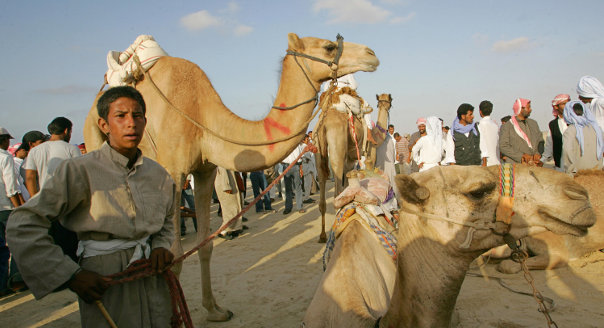
Sinai’s Bedouin have taken up increasingly bold forms of militant resistance since Egypt's uprisings. What is behind this conflict—and how should it be addressed?
Following the Mubarak regime’s collapse, increasing attention has been paid to the Sinai’s fragile security situation. But the recent violence between state forces and local Bedouin is hardly a new conflict; attacks on government infrastructure and the kidnapping of security officials have taken place since the eighties, largely in response to state policies of repression and marginalization. Egypt’s 2011 uprisings, however, vastly undermined the government’s ability—or perhaps willingness—to continue a policy of suppression, and the security apparatus’s partial withdrawal from the region has not gone unnoticed. In the power vacuum, Bedouin have undertaken increasingly bold and open forms of militant resistance. What are the underlying motivations of this violence and what are possible solutions?
Most of the violence has taken place in the North Sinai governorate. Given that the administrative division between north and south maps on to tribal boundaries—the south is largely coterminous with the traditional borders of the Tawara confederacy; the north, with the Tiyaha and Terabin groups—many have attributed the difference in the levels of violence to regional tribal divisions. But it is the Sinai’s economics—rather than its identity cleavages—that better account for these variations in conflicts.
After Israel's withdrawal from the peninsula following the Egypt-Israel peace treaty, development projects (established by Egyptian officials and USAID as part of the US financial assistance package in the wake of Camp David) targeted the south for tourism and the north for agricultural and industrial work, based on the resources and geographical strengths of each region—fertile land in the north, petroleum and mineral deposits in the West, reefs and environmental endowments in the Southeast. In none of these cases were local Bedouin consulted.
Bedouin in the north have long complained of exclusion from agriculture and industry projects, and state-sponsored development in these sectors has severely undermined attempts by tribesmen to maintain a subsistence economy. They cite arbitrary arrests and beatings, explaining their own recourse to violence as the only means by which they can confront the state’s policy of subjugation. Tribesmen regularly respond to arrests by raiding security installations, kidnapping officials, and ransoming them for their own detained kinsmen. Similarly, state destruction of Bedouin property is met with attacks on infrastructure: the recent bombings of the Egypt-Israel gas pipeline might be viewed in this context (albeit not exclusively).
In the south, the government also routinely denies Bedouin claims to land, resources, and rights of access in an attempt to remove them from profitable strips of land coveted by developers in the tourism industry. However, resentment in this governorate rarely spills over into violence; for one, the tribesmen of South Sinai have been able to carve out a niche within the sector and their operation of informal tourist economies has allowed them to bypass the usual restrictions imposed by multinational resorts and the state. Furthermore, Sinai tourism is so reliant on political stability that any unrest by either Bedouin or the state would harm the economic interests of all parties. As long as tourism remained stable, conflict never spilled into the open.
Bedouin in the south have also been able to profit from smuggling—especially the movement of narcotics into the Nile Valley, which has been a long-documented feature of the local economy. Since the imposition of a border between Gaza and el-Arish in the early 20th century, smuggling traffic has shifted from transit routes through the north to safer routes in the south. In conjunction with the relatively greater economic opportunities enjoyed by the southern Bedouin today, it is easy to imagine the resentment this has generated among the northern tribes towards their southern counterparts. It explains some of the motivations of northern Bedouin in collaborating with the bombings of southern tourist resorts in the early 2000s.
However, the most recent manifestations of violence in the South Sinai governorate are not a function of northern resentment of southern “prosperity.” Rather, since the uprising—which brought a halt to tourism nationwide—southern tribes have expressed increased support for more drastic means of resistance. The most recent examples—the abductions of American and Korean tourists and the seizure of the Aqua Sun coastal resort by tribal gunman—were aimed not at destruction, but toward mounting an open and embarrassing challenge to state authority. Grievances and demands were quickly issued and met; attacks were poised as reprisals for the detention of family members with the goal of a “hostage exchange” in addition to protesting their exclusion from land they claim as part of their territory. In keeping with tribal values, these attacks were not intended to cause physical harm (traditional Bedouin notions of honor and hospitality demand just treatment of strangers). The distinctly bloodless outcomes (hostages were quickly released, unscathed) easily dispel widespread media accusations that this was the work of al-Qaeda-affiliated insurgents, whose operations almost always end in bloodshed.
This leads us to reconsider the Taba, Dahab, and Sharm el-Sheikh bombings in light of the current unrest. Reportedly conducted by North Sinai Bedouin in cooperation with Islamist militants operating in the peninsula, these bombings conformed to Islamist violence of the mainland variety—most notably the 1997 “Luxor Massacre” (in which 65 tourists were killed) and the 2009 bombing of Cairo’s Khan al-Khalili tourist market. Both targeted symbols of cooperation with the West (tourist sites and a shopping center) and were designed to maximize civilian casualties. Compared to the recent manifestations of resistance, the differences in methods and damage seem conspicuous and highlight the distinction between tribal forms of resistance and Islamist violence. Sinai kidnappings and resort takeovers vent economic grievances, and these types of attacks in both the north and south retaliate against state policies of marginalization, using “hostage negotiations” and the leverage of the state’s public image abroad to free their fellow tribesmen.
Even so, the distinction between tribal resistance and Islamist terror is disintegrating in the north. Compounding this problem, the state’s failure to distinguish between the two has resulted in collective punishments that treats all violence—be they acts of terror, tribal raids, or merely isolated criminal incidents—with the same punishments, thereby increasing tribal resentment and pushing reactionary violence into other, bloodier forms than traditional tribal insurgency. Additionally, in the aftermath of the Arab Spring, the perceived progress towards greater inclusion (however tenuous) made in central Egypt has been conspicuously absent in Sinai. Accusations of widespread voting fraud and the discarding of Bedouin ballots in the wake of tribal candidates’ defeat in the recent elections—especially among those affiliated with the Qarasha and Mezeina tribes in the southern capital of el-Tor—have reinforced Bedouin perceptions of exclusion. Tensions culminated in January with the burning of the elections headquarters, and open clashes broke out between southern tribesmen and security officials—a rare occurrence in the south.
Recent events suggest that the government is perhaps willing to address these grievances more directly. Over the past few months, the military administration has pardoned a number of northern tribesmen convicted of various crimes in an apparent attempt to diffuse Bedouin anger. Whether this was calculated to prevent future attacks and deescalate the conflict is as unknown as whether these actions will actually prevent future attacks. In either case, it is encouraging that the military is willing to consider a different approach after years of ineffectual military action. But without an improvement of economic conditions, the core Bedouin grievance against the state remains. Egypt is faced presently with a momentous opportunity to bring previously marginalized groups back into national life; all that remains is to see whether they will address it effectively or continue to employ a heavy—and ultimately empty—hand.
Joshua Goodman is a Ph. D. student at Yale University’s Department of Political Science and is interested in social and civil conflict in the Middle East. He received his Masters in History at Tel Aviv University, where he studied tribe-state relations and tribal identities in South Sinai.
Joshua Goodman
Carnegie does not take institutional positions on public policy issues; the views represented herein are those of the author(s) and do not necessarily reflect the views of Carnegie, its staff, or its trustees.
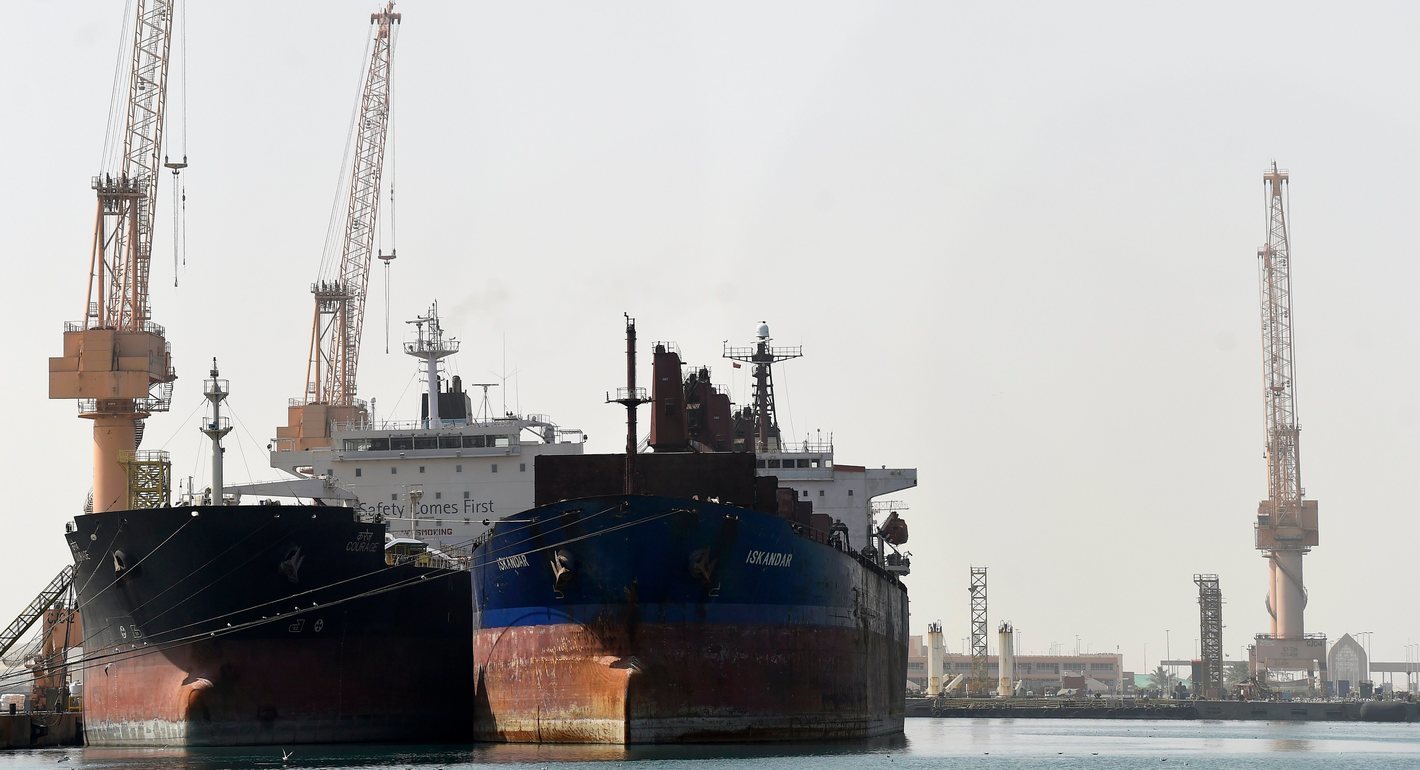
In a volatile Middle East, the Omani port of Duqm offers stability, neutrality, and opportunity. Could this hidden port become the ultimate safe harbor for global trade?
Giorgio Cafiero, Samuel Ramani
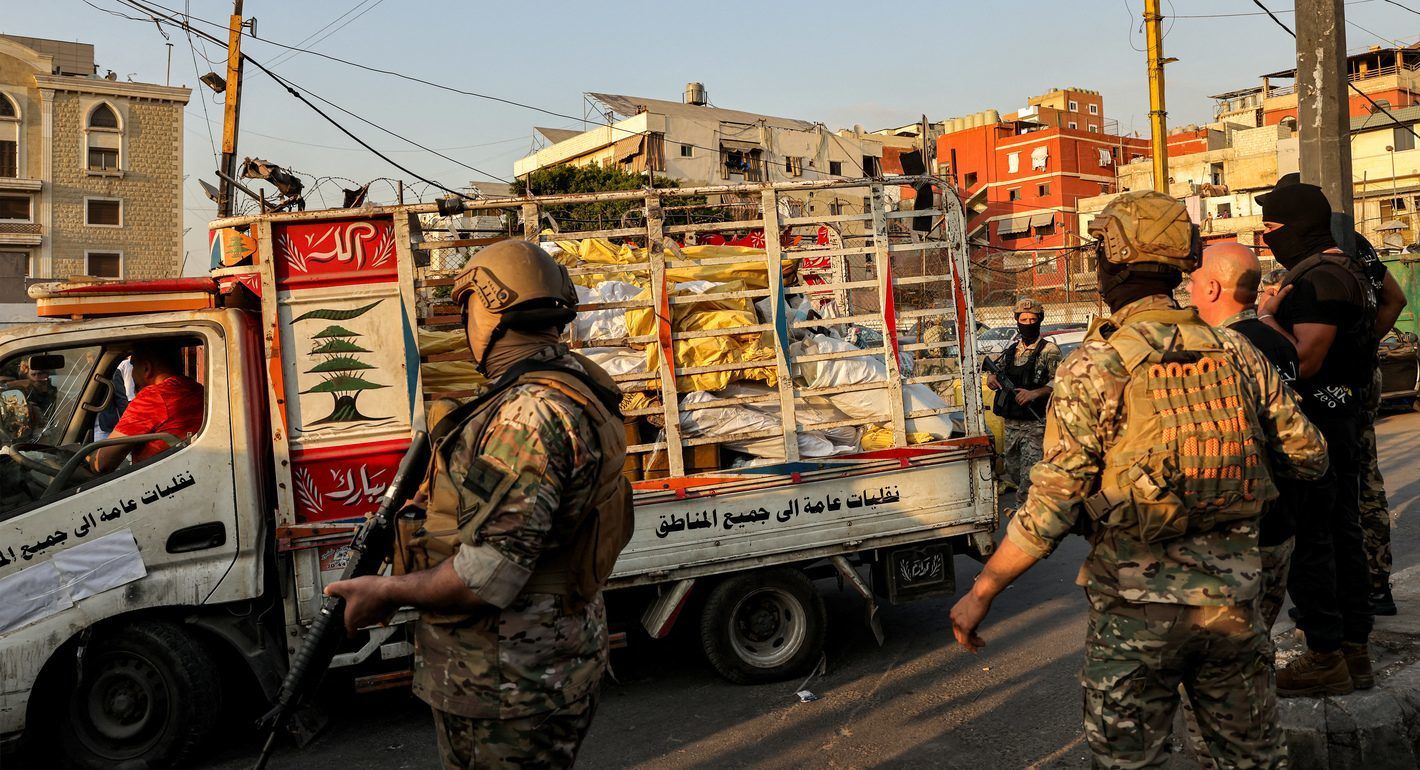
The August 2025 government decision to restrict weapons to the Lebanese state, starting with Palestinian arms in the camps, marked a major test of Lebanon’s ability to turn a long-standing slogan into practical policy. Yet the experiment quickly exposed political hesitation, social gaps, and factional divisions, raising the question of whether it can become a model for addressing more sensitive files such as Hezbollah’s weapons.
Souhayb Jawhar
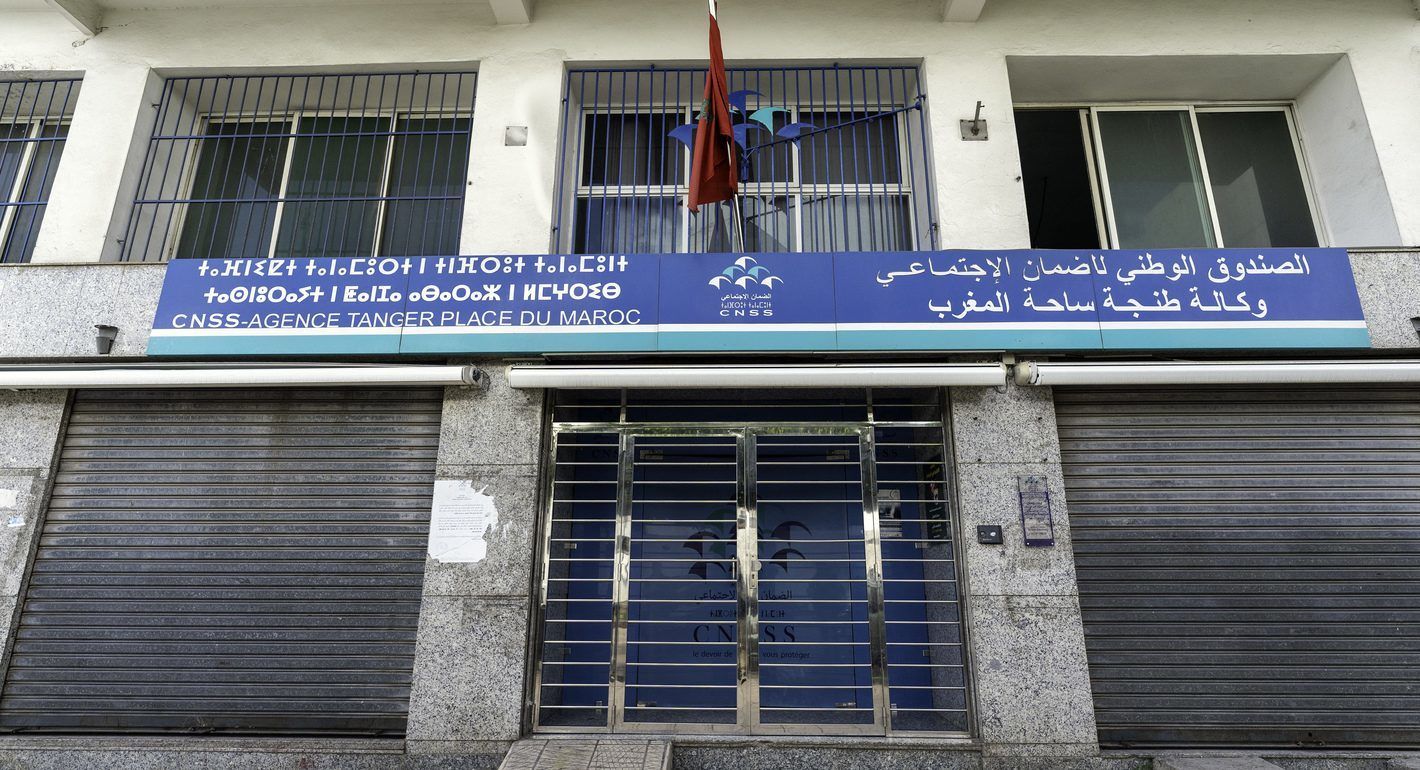
While Morocco’s shift to a digitized social targeting system improves efficiency and coordination in social programs, it also poses risks of exclusion and reinforces austerity policies. The new system uses algorithms based on socioeconomic data to determine eligibility for benefits like cash transfers and health insurance. However, due to technical flaws, digital inequality, and rigid criteria, many vulnerable families are unfairly excluded.
Abderrafie Zaanoun
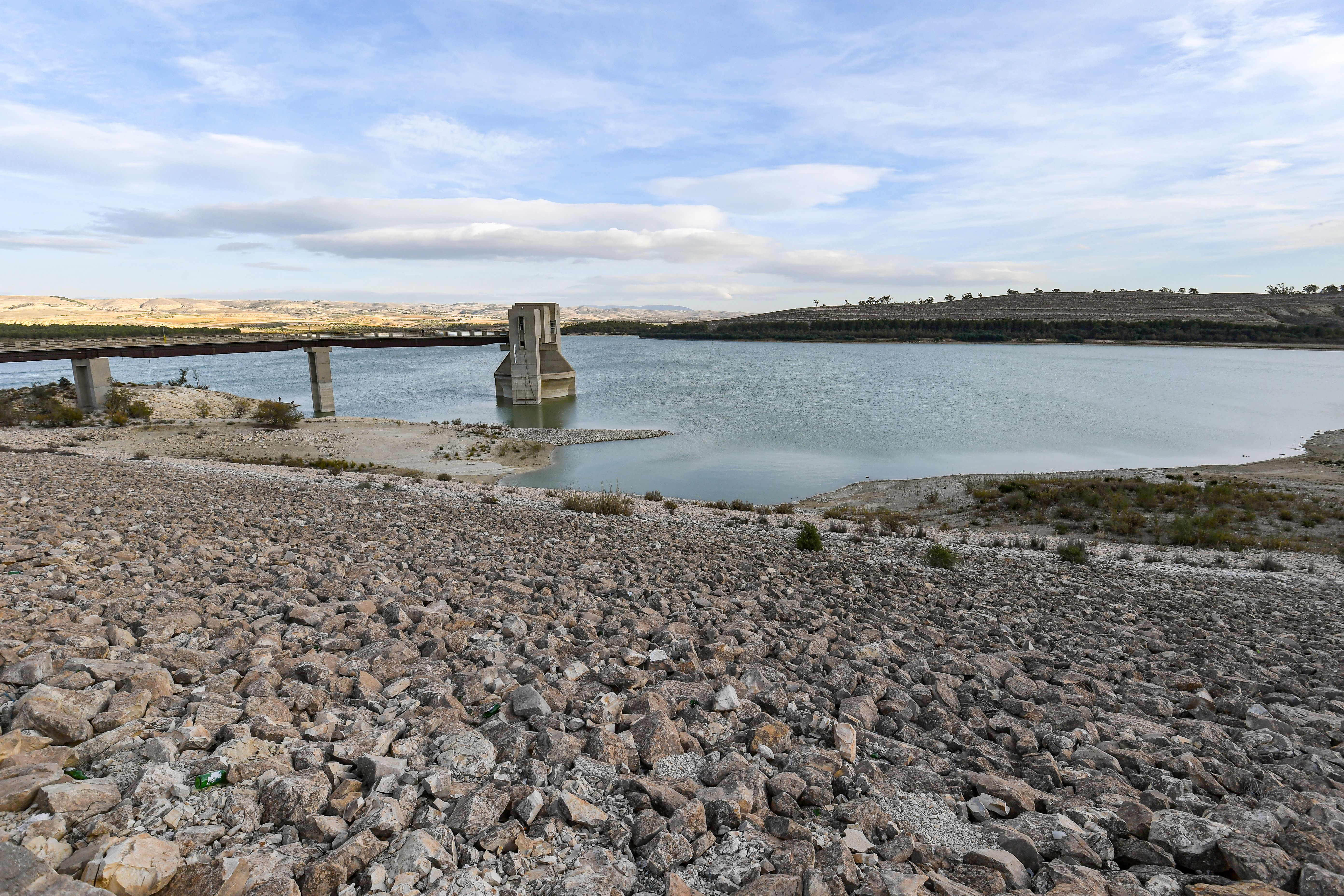
Tunisia is facing a worsening water crisis characterized by widespread protests over access to potable water, particularly in rural areas with underdeveloped supply networks. This situation is exacerbated by climate change, outdated agricultural policies, and industrial water consumption, necessitating comprehensive policy reforms to secure Tunisians’ constitutional right to water and ensure equitable access across the country.
Noura Omar
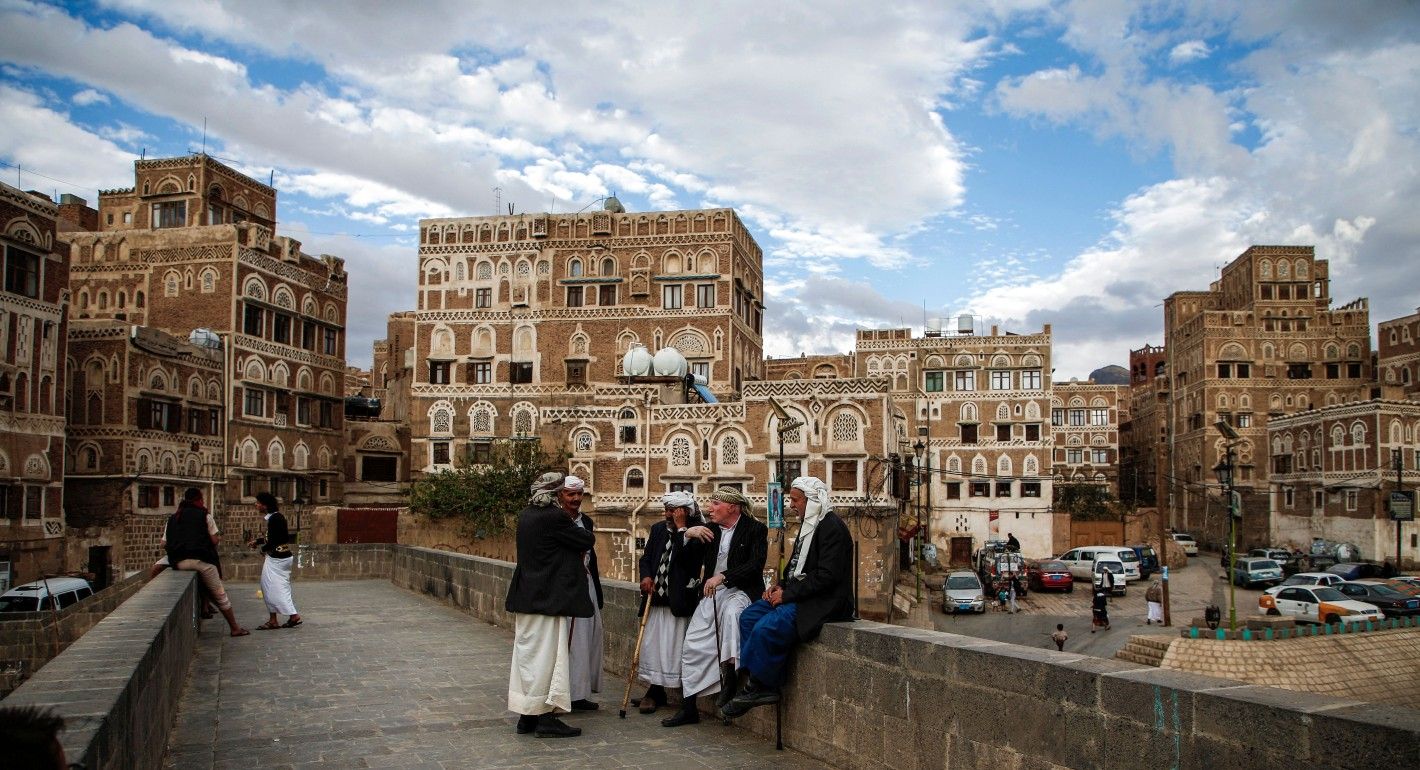
The unexpected announcement that Starlink will launch its first satellite connectivity services in Yemen has sparked divisions over the perceived threat to Yemeni sovereignty, and potential to deepen ongoing political and economic crises.
Muhammed Ali Thamer